As digital transformation accelerates, the convergence of AI, data governance, and ecosystem thinking is reshaping how organizations create strategic value, build competitiveness, and sustain innovation advantage. Digital and data ecosystems are increasingly complex, spanning cloud, edge, and decentralized architectures such as data meshes and lakehouses, raising critical questions of trustworthiness, responsibility, and sustainability in AI integration.
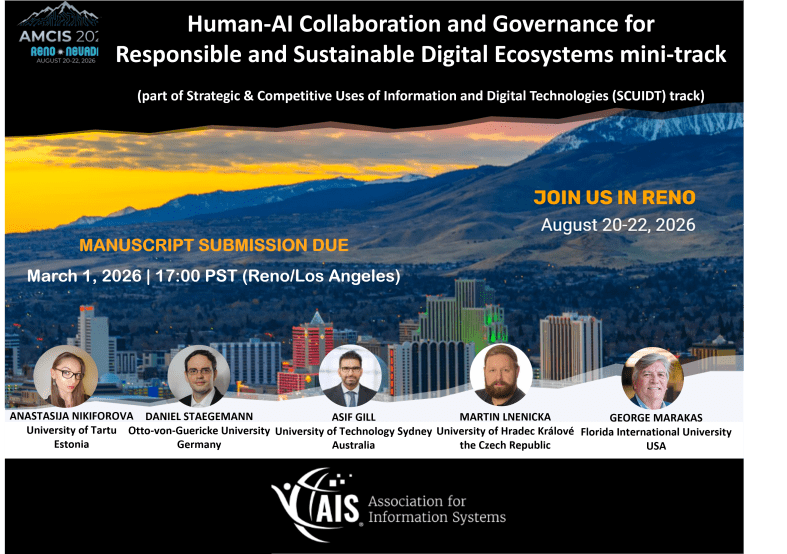
This AMCIS2026 mini-track (by Association of Information Systems (AIS)) explores how AI, including increasingly agentic systems, acts as both a strategic enabler and active participant in digital and data ecosystems, enhancing governance, augmenting and automating decision-making, and transforming how organizations create value, while raising important governance, ethical, and human-agency considerations. We invite research examining how these ecosystems can remain responsible, resilient, and sustainable, while enhancing organizational agility, competitiveness, and long-term strategic performance across sectors such as government, healthcare, finance, manufacturing, and education.
The track bridges perspectives from information systems, data science, AI governance, and sustainability research to understand how the strategic and responsible design and management of AI-driven data ecosystems can support long-term value creation, competitiveness, and societal transformation. We invite interdisciplinary contributions from fields such as computer science, management science, data science, process science, decision science, organizational design, policy-making, complexity, behavioral economics, and the social sciences. Submissions may include conceptual, design science, empirical, theoretical, or case-based studies, including literature reviews.
Topics of interest include but are not limited to:
AI for governance, accountability, and trustworthiness in digital and data ecosystems;
human–AI collaboration and delegation, human-in-the-loop and hybrid governance;
responsible, sustainable, and strategically aligned management of AI-augmented data ecosystems, including Green AI;
governance and data management in emerging architectures (e.g., data mesh, data lakehouse), including data quality, transparency, and explainability;
transition from centralized to decentralized data architectures – organizational and design challenges;
ethical, interoperable, observable, and explainable AI in connected and cross-sectoral data ecosystems;
co-evolution of digital and data ecosystem components;
coopetition between digital and data ecosystems;
resilience, sustainability, and long-term governance of digital infrastructures;
socio-technical, organizational, and policy approaches to trustworthy and responsible data ecosystems;
emerging technologies (e.g., blockchain, edge computing, generative AI, digital twins, IoT, AR/VR) shaping responsible, sustainable, and energy- or resource-efficient strategic ecosystem innovation;
empirical studies and sectoral case analyses (e.g., healthcare, finance, government, education) on evolving AI-driven ecosystems;
design science, conceptual, and interdisciplinary frameworks for responsible, sustainable, and strategically effective data ecosystem innovation.
This mini-track will serve as a platform for interdisciplinary dialogue on the critical role of responsible, sustainable, and strategically oriented digital and data ecosystems in driving competitive and societal innovation. Researchers and practitioners are invited to share insights, theoretical perspectives, and empirical findings in this rapidly evolving domain.
Anastasija Nikiforova – University of Tartu, Estonia Daniel Staegemann – Otto von Guericke University Magdeburg, Germany Asif Gill – University of Technology Sydney, Australia Martin Lnenicka – University of Hradec Králové, Czech Republic George Marakas – Florida International University, USA
Last month, we officially launched the Green AI Challenge, part of the Horizon Europe ENFIELD – AI Network of Excellence, and October saw a major step forward during an intensive research visit to the Know Center in Graz (Austria) —a hub of AI research and cross-sector collaboration. Working alongside Nicki Lisa Cole we advanced the conceptual and methodological foundations of our Green AI initiative, merging complementary perspectives into a promising framework for sustainable AI.
Why Green AI matters
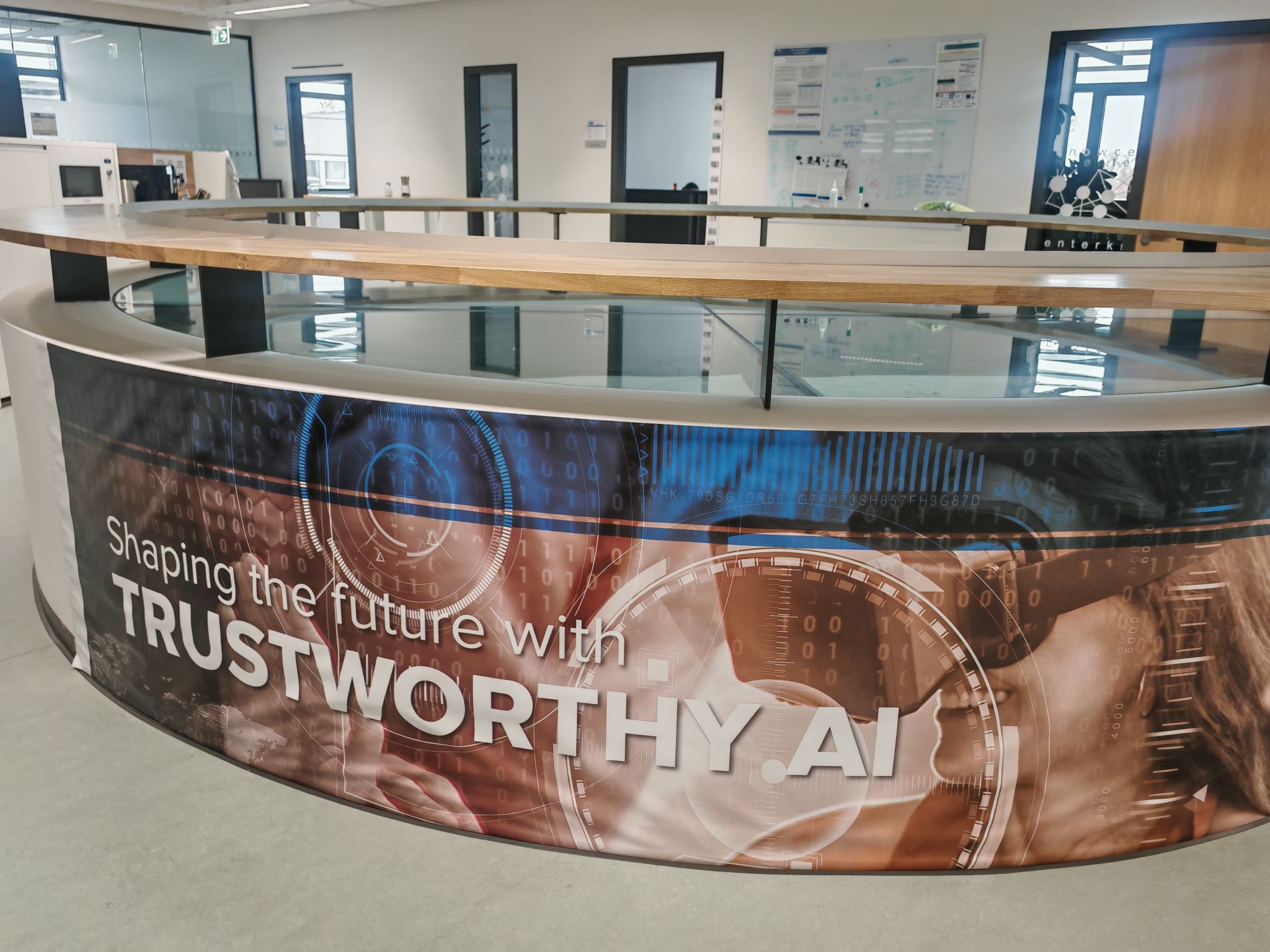
AI is accelerating rapidly, but so are its environmental and societal side-effects – rising compute demands, energy-intensive models, and the broader ecological footprint of scaling AI. Policies, incentives, and institutional capacity are often lagging behind, creating a gap between AI adoption and responsible, sustainable practice.
The Green AI Challenge aims to understand how organizations across Europe approach Green AI, identifying struggles, gaps, and opportunities, and ultimately co-creating a validated framework for adoption that informs both policy and governance.
Community Call
We need insights from anyone working in AI, sustainability, digital transformation, public policy, or tech governance:
What perspectives on Green AI feel most critical today?
Where are the biggest gaps, risks, or untapped opportunities?
Examples of Green AI in practice (good or bad)?
Recommendations for interviews, readings, or collaborators?
Frameworks, metrics, or research to guide our work?
Your input will directly shape policy recommendations and adoption frameworks for a more sustainable, trustworthy AI future. Comment below or message us to contribute. Let’s choose the Green Pill together, as we also did with those who joined us earlier in October as part of ECAI2025 Green AI workshop.
Earlier last month, as part of the 28th European Conference on Artificial Intelligence (ECAI2025) in Bologna, together with Riccardo Cantini, Luca Ferragina, Davide Mario Longo, Simona Nisticò, Francesco Scarcello, Reza Shahbazian, Dipanwita Thakur, Irina Trubitsyna, and Giovanna Varricchio, we organized a workshop on environmentally responsible AI, where across three thematic tracks of Sustainability, Green AI, and Applications, 17 talks exploring pathways toward sustainable AI practice were delivered, with the special highlight of keynote talk delivered by Thomas Eiter on “The Bilateral AI approach for Green and Sustainable AI,” introducing a framework that integrates symbolic and subsymbolic methods to advance more efficient and Ecologically Responsible AI.
🌱 All in all, the path forward is ours to shape. By working together—researchers, policymakers, and practitioners—we can turn Green AI from a vision into practice. Let’s continue this journey being committed to sustainable, responsible AI. Let’s choose the Green Pill, together. 🟢
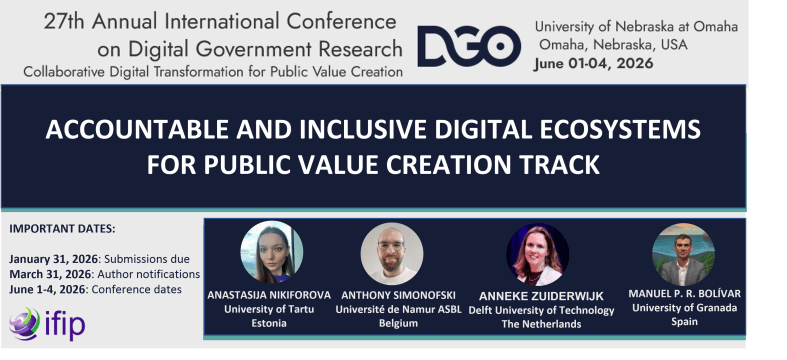
Call for Papers is now open for our track “Accountable and Inclusive Digital Ecosystems for Public Value Creation” at the 27th Annual International Conference on Digital Government Research (dg.o 2026). The conference will take place June 2–5, 2026, at the University of Nebraska at Omaha, USA.
This track continues and expands the work we initiated in 2024 and 2025 on public and open data ecosystems. Responding to new technological and societal realities, we broaden the focus this year toward AI-enabled, interoperable, sustainable, and human-centered digital ecosystems—their design, governance, and impact on public value creation.
Why this track? Why now?
Digital ecosystems are undergoing profound transformation. Emerging technologies—AI (including generative AI), interoperable data spaces, IoT, cloud–edge infrastructures, and new governance frameworks—now form the backbone of digital public action. These technologies unlock unprecedented opportunities for insight generation, collaboration, transparency, and service co-creation across sectors.
Yet they also introduce new challenges: ethics, accountability, trust, digital literacy, and inclusion. As governments and organizations navigate this shift, we need research that bridges technical innovation, institutional capacity, and societal expectations.
Our track provides a space for this conversation.
What the track explores
We invite contributions that examine the conceptual, technical, institutional, and societal dimensions of digital and data ecosystems, with an emphasis on accountability, sustainability, inclusivity, and public value.
Topics of interest include (but are not limited to):
Ethical and accountable AI, data governance, algorithmic transparency, privacy, security
Interoperability and trust frameworks, identity infrastructures, standards, reference architectures
Human–AI interaction, explainability, accessibility, inclusion in digital public services
Stakeholder engagement, empowerment, co-creation, digital literacy, data sovereignty
Institutional and organizational mechanisms for ecosystem governance and sustainable management
Open, public, and cross-sector data ecosystems, including data spaces and platform ecosystems
Social, economic, and environmental sustainability and other public value dimensions
Case studies from cities, communities, public-sector organizations, and multi-stakeholder collaborations
Impact assessments of digital ecosystems on individuals, organizations, and society
Connection to the dg.o 2026 theme
The conference theme—Collaborative Digital Transformation for Public Value Creation—aligns perfectly with our track’s purpose. Digital ecosystems represent socio-technical infrastructures where governance, technology, and societal needs intersect. Understanding how to make these ecosystems accountable, inclusive, and sustainable is essential for collaborative digital transformation and for delivering tangible societal outcomes.
Track chairs
Anastasija Nikiforova, University of Tartu (Estonia)
Anthony Simonofski, Université de Namur (Belgium)
Anneke Zuiderwijk – van Eijk, Delft University of Technology (Netherlands)
Manuel Pedro Rodríguez Bolívar, Universidad de Granada (Spain)
Together, we bring perspectives from digital government, data governance, public administration, information systems, and socio-technical ecosystem design.
We look forward to receiving your submissions and to advancing the conversation on how accountable, inclusive, and sustainable digital ecosystems can drive the next generation of public value creation.
If you have questions about fit or ideas you’d like to discuss, feel free to reach out.
It is already a good tradition at the end of the year to take a moment and wrap up the year, thus reminding myself of what was actually done, thus explaining to myself that maybe I am not as lazy as I think. However, in this post I would like to rather thank those colleagues who were with me in this. As such, let me very briefly summarize what happened (or rather with whom) and what to come in the first months of next year with the later to be spotlighted by me early next year accordingly.
This year I had the opportunity to share my experience, but more importantly, learn from others by participating in panels or plenary sessions, some of which stood out as generating some of the liveliest discussions during and after the events:
“Citizen urban data and smart metropolis monitoring” together with Jaewon Peter Chun (President of World Smart Cities Forum), Redouane El Haloui (President of APEBI Fédération des technologies d’information de télécommunication et de l’offshoring), Mahdi Barouni (The World Bank), Khouloud Abejja (Digital Transformation Director, Agence de Développement du Digital-ADD), Youssef El Maddarsi (CEO Naoris Consulting) that held as part of a Casablanca Smart City event (read a bit more here);
panel on Trust in AI together with Nicolas Cruz B., Korbinian Bösl, and Anamika Chatterjee as part of the Digital Life Norway conference oganized by Centre for Digital Life Norway (Norwegian University of Science and Technology (NTNU)), with my big thanks to Elisabeth Hyldbakk, Ingrid Shields, Kam Sripada, and many more colleagues for hospitality;
To continue on discussions around research that I truly enjoyed, several conferences or tracks to which I served as one of organizers to be highlighted with credits to go to my colleagues, namely:
Data for Policy 2024 “Digital & Data-Driven Transformation in Governance” track with Sarah Giest, Sharique Manazir, Keegan McBride, Francesco Mureddu, Sujit Sikder (a bit more here)
Selected papers from DGO2024 and EGOV2024 were invited to the “Towards sustainable public and open data ecosystems” Special Section with Information Polity, which we successfully a few weeks ago with the very last preparations before we can announce its final version – big thanks to both co-editors – Anthony, Pedro, and Anneke, as well as Albert Meijer, Kim Willems, William Webster, who supported us in the process, and the authors – Mohsan Ali, Georgios Papageorgiou, Abdul Aziz, Euripidis Loukis, Yannis Charalabidis, Charalampos Alexopoulos, and Francisco Javier López Pellicer, Alejandra Vargas, Rikke Magnussen, Birger Larsen, and Ingrid Mulder and Hsien-Lee Tseng. Stay tuned for the information about this Section!
While the two above are those we are ready with, there is another very special issue we have together with Asif Gill, Ina Sebastian, Martin Lněnička and Anushri Gupta and tremendous assistance of Katina Michael – Special Issue “Trustworthy Data Ecosystems for Digital Societies” with IEEE Transactions on Technology and Society (read a bit more here) and we look forward your submission by 30 June 2025 very much!
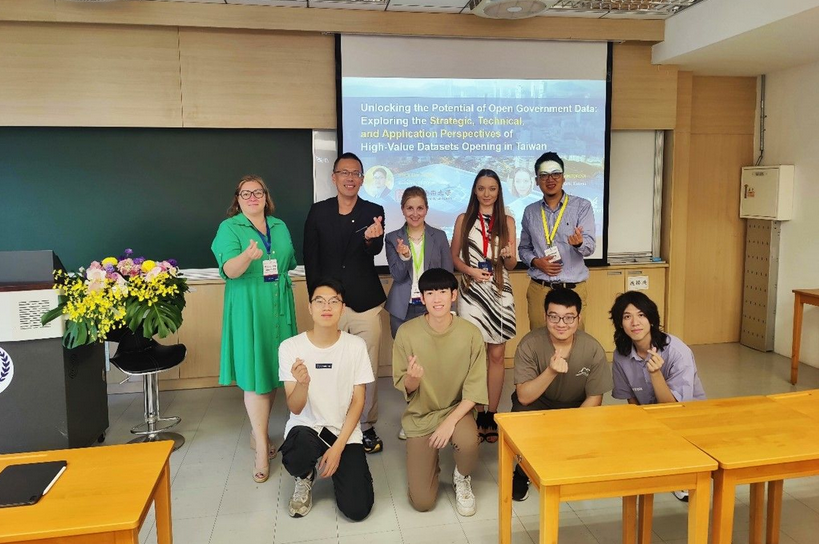
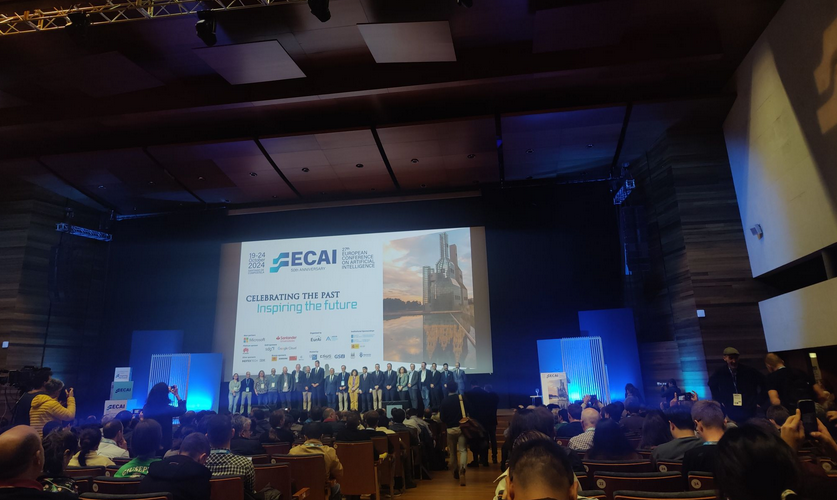
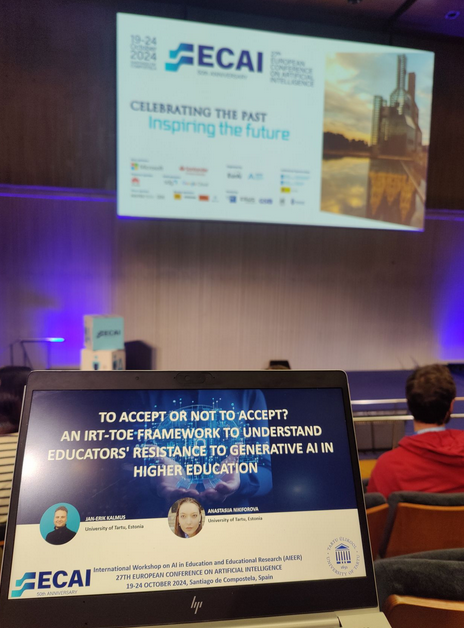
And of course, several conferences where I shared my own research, gathering feedback and inspiration for future research, with brightest moments coming from The 25th Annual International Conference on Digital Government Research (DGO2024) (read a bit more here), and big thanks to my personal host Hsien-Lee Tseng, EGOV2024 and my special hosts Cesar Casiano Flores & Caterina Santoro, 27th European Conference on Artificial Intelligence (ECAI 2024) (read a bit more here), International Conference on Information Systems (ICIS2024) (a bit more here), and several more, where I was fortunate this year to not only present my own research but also introduce my students to the community. Some of these conference papers have already expanded into journal papers, with some exciting news to share early next year!
I am also very grateful to my colleagues for their invitations to join the International Journal of Information Management (IJIM, Elsevier) and Government Information Quarterly (GIQ) Editorial Boards, Communication Committee at Digital Government Society (and one of its Chapter on which I will post later, similar to several other recent updates), and European Open Science Cloud (EOSC) FAIR Metrics and Digital Objects task force, which is rather continuation of the TF I participated in the past (“FAIR Metrics and Data Quality”).
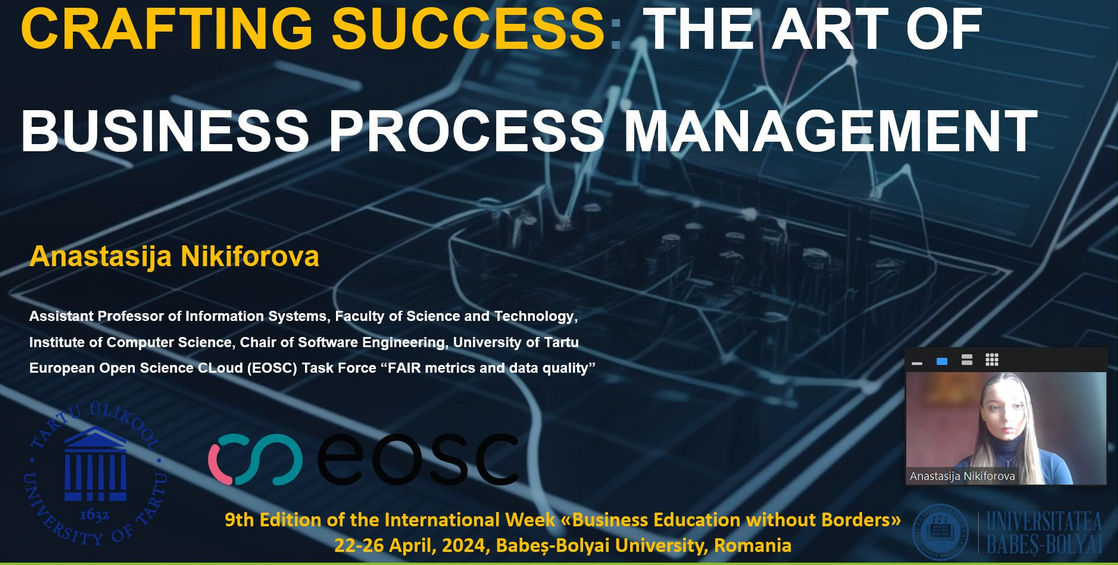
On a slightly different note, similar to previous years, I continued delivering some courses and lectures to other universities, such as:
and several more events, including some local ones we organized for our current and prospective PhD students at the Institute of Tartu – hope to see all attendees with us!
I am also grateful for several recognitions I have received this year (e.g., being named the best reviewer for a journal, or called to be “the top 2% of scientists“ for the second year in a row (Stanford Elsevier Top Scientists List) and top 0.5% of all scholars worldwide (0.2% in Government specialty) by SholarGPS), but probably the proudest moment for every academic is the success of our students, and as such, I want to especially mention Kevin Kliimask, whose thesis recognized by the Ministry of Economic Affairs and Communications of Estonia at the annual Open Data Forum (Avaandmete foorum) as the best thesis of the year 🏆 🥇 🏅 (read a bit more here).
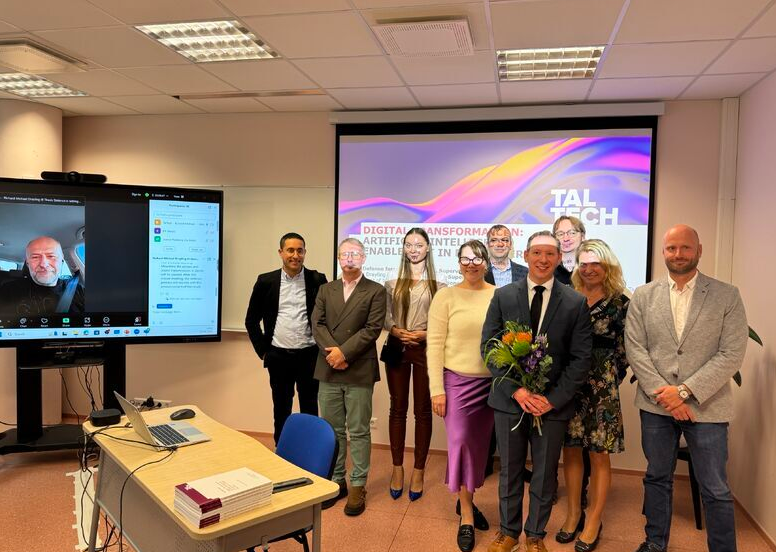
I also want to acknowledge achievements of others – this year I witnessed 3 PhD defenses and would like to congratulate Eric Jackson, Richard Dreiling and Lisa Miasayedava again, especially for such insightful discussions – I know I am quite a tough person to have in the committee (esp. as opponent – sorry Liza and Eric), but you all did a great job and I really enjoyed our discussions!
And I will skip the part about published conference and journal papers, as well as submitted project proposals and those currently in development. Instead, some disclaimer about what is to come, with some posting at later point:
in the very first weeks of January, meet my very good colleagues– Anthony and Nicolas – at HICSS presenting our paper “Artificial Intelligence as a Catalyzer for Open Government Data Ecosystems: A Typological Theory Approach”, which has been already spotlighted several times, including by The Living Library, whose main goal is to identify the “signal in the noise”
keep an eye open for several conferences for which together with colleagues of mine we organize (mini-) tracks, with probably the most important for me at the moment:
EGOV2025 – Emerging Issues and Innovations Track – we continue in the updated form welcoming Paula Rodriguez Muller who will be joining me and Francesco Murredu!
And for Data for Policy CIC, we will slightly change the role we played the last year, and together with Sarah Giest, Bram Klievnik Iryna Susha, Florin Coman Kund, Leid Zejnilovic Laura, we are very excited to invite you to the Data for Policy CIC 2025 Conference (Leiden University, The Hague, Netherlands 🇳🇱) for which we serve as Regional Conference Committee
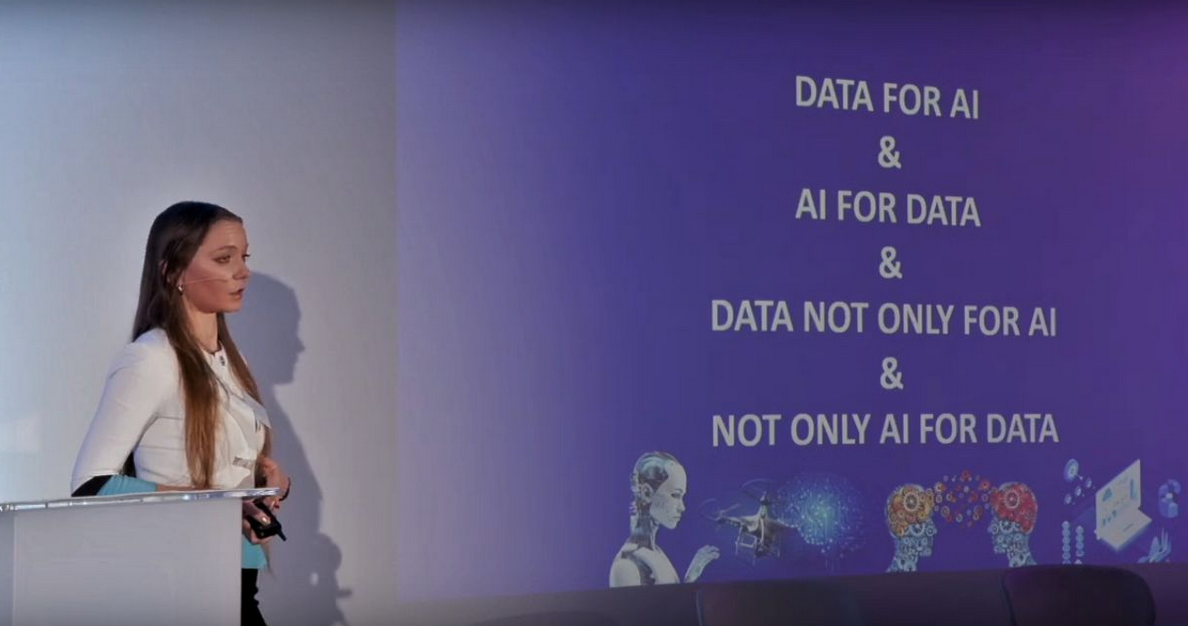
Finally, do meet me at European Open Data Days 2025 in March to discuss recent (and future) advances in the world of open data with me sharing insights on how Artificial Intelligence can serve as a catalyst for transforming public and open data ecosystems, exploring the various AI roles at data, portal and ecosystem levels driving innovation, enhancing governance, and boosting citizen engagement;
and meet me as a keynote for the International Conference on Innovative Approaches and Applications for Sustainable Development (I2ASD) in April with more details to come!
This is rather a very short list of the events and people I wanted to emphasize, and my apologizes if I missed someone (and I definitely missed). All in all, it was a busy and eventful year, – really grateful for all the opportunities it brought to me and lessons (both positive and negative, rather willing to have positive ones only though) and people I met. I really hope that the next year will be even better. And in this regard, I wish us all a peaceful, joyful and productive year!
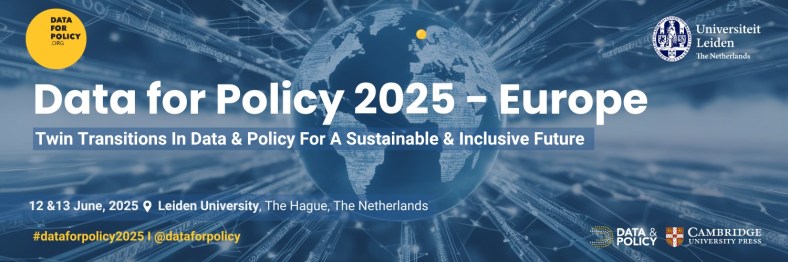
And we are back with the new edition of Data for Policy 2025 Conference, preparation to which are in full swing! And as part of these preparations, we 📣 Call for Special Tracks for Data for Policy 2025 Europe Edition to be submitted by 11 December, 2024, with the conference itself to be held on 12-13 June, 2025, at Leiden University, The Hague, Netherlands!
This time, the Data for Policy 2025 conference will run under the “Twin Transitions in Data and Policy for a Sustainable and Inclusive Future”.
Amidst global challenges, the “twin transition”—encompassing digital and green transformations—has garnered significant attention for its potential to reshape industrial ecosystems and influence social inequalities. However, in the scientific community and policy arena questions have been raised on whether green and digital transitions are mutually compatible or whether one transition can reduce or cancel out the other. Furthermore, we see sustainability as an integrative perspective that includes environmental, social, economical and institutional sustainability.
Both public and private sectors are increasingly aligning their objectives towards digital innovation and sustainable practices 🌍. Governments are developing policies to guide these transitions, ensuring that technological advancements account for sustainability. Concurrently, substantial investments are being funneled into industries poised to drive this twin transition. Data lies at the heart of this transformation, empowering policymakers to monitor progress in real-time, identify emerging trends, and design impactful and targeted strategies. From driving down carbon emissions to closing the digital divide, data-driven insights offer the actionable intelligence needed to tackle complex challenges and pave the way toward a more equitable, sustainable future.
At this nexus, the theme of the European Data for Policy Conference is “Twin transitions in data and policy for a sustainable and inclusive future”, where we will delve into the implications of these transitions for governance, data usage, and policymaking
With CFP to be launched in a month, now, we – Sarah Giest, Bram Klievnik (both local chairs), Leid Zejnilovic, Laura Zoboli, Anastasija Nikiforova – invite proposals for Special Tracks in two categories:
Research/Policy/Practitioner Tracks: These tracks should address how digital and green initiatives work together to overcome global challenges. Proposals should align with the conference theme, “Twin Transitions in Data and Policy for a Sustainable and Inclusive Future”.
Policy/Practitioner Tracks: We invite proposals from those focused on policy and real-world applications, addressing the broader Data for Policy theme.
Proposers are encouraged to consider region-specific challenges alongside the conference theme, which offers a framework but is open to all relevant Data for Policy topics.
Accepted tracks will be part of the wider call for abstracts, full papers and panels, set to be released on 20 December, 2024, with Special Track chairs having the opportunity to propose an associated Special Collection in the Data & Policy journal published by Cambridge University Press & Assessment in due course.




















 Anastasija Nikiforova, PhD