CFP for a new dg.o2024 SUSTAINABLE PUBLIC AND OPEN DATA ECOSYSTEMS track

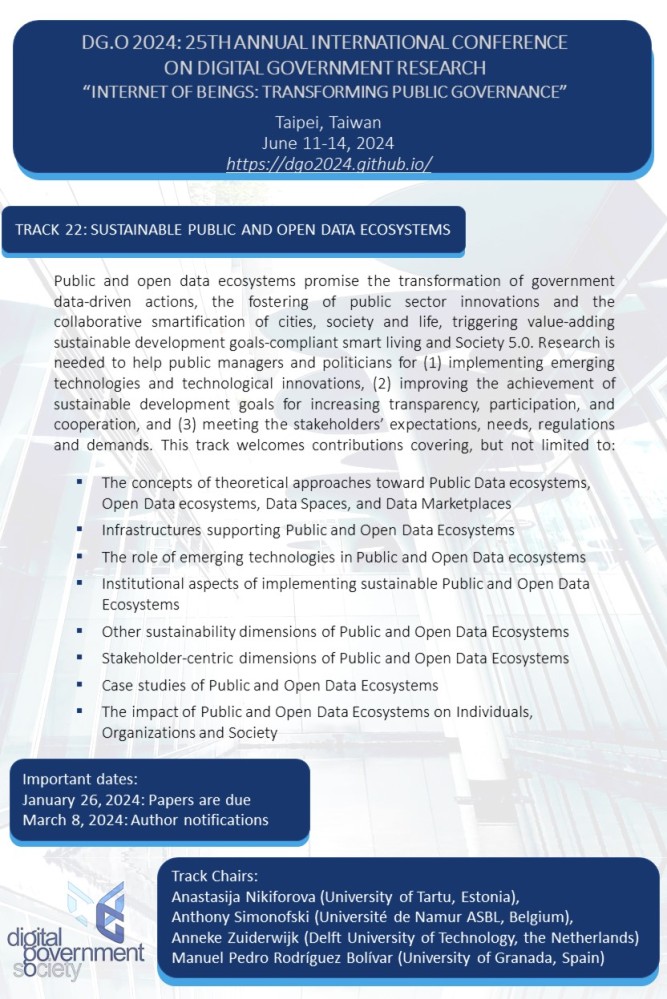
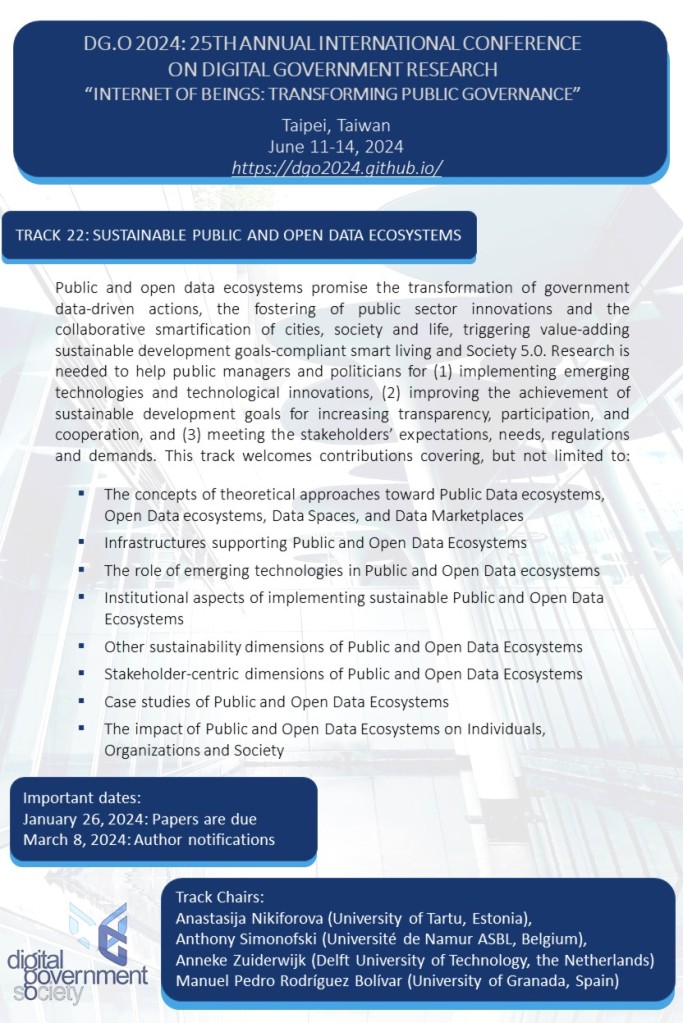
25th Annual International Conference on Digital Government Research (dg.o2024) is coming with the revised list of tracks, where the special attention I invite you to draw to is a new track “Sustainable Public and Open Data Ecosystems” (chairs: Anastasija Nikiforova (University of Tartu, Estonia), Anthony Simonofski (UniversitĂ© de Namur ASBL, Belgium), Anneke Zuiderwijk (Delft University of Technology, the Netherlands) & Manuel Pedro RodrĂ­guez BolĂ­var (University of Granada, Spain)).

Briefly about the track… Public and open data ecosystems promise the transformation of government data-driven actions, the fostering of public sector innovations and the collaborative smartification of cities, society and life, triggering value-adding sustainable development goals-compliant smart living and society 5.0 (Nikiforova, 2021, Nikiforova et al., 2023). Recent research found that concepts affecting and shaping the ecosystem are: 1) stakeholders / actors and their roles, 2) phases of the data lifecycle, in which a stakeholder participates in the ecosystem, 3) technical and technological infrastructure, 4) generic services and platforms, 5) human capacities and skills of both providers and consumers, 6) smart city domains (thematic categories) as the targeted areas for data reuse, 7) externalities affecting goals, policy, and resources, 8) level of (de)centralization of data sources – development, restrictions, 9) perception of importance and support from public officials, and 10) user interface, user experience, and usability (Lnenicka et al., 2021). The body of knowledge in the above areas (not to say about putting them all together) is very limited. New research is needed to help public managers and politicians for (1) implementing emerging technologies and technological innovations, (2) improving the achievement of sustainable development goals for increasing transparency, participation, and cooperation, and (3) meeting the stakeholders’ expectations, needs, regulations and demands.

This track welcomes contributions covering, but not limited to:

đź’ˇ The concepts of theoretical approaches toward Public Data ecosystems, Open Data ecosystems, Data Spaces, and Data Marketplaces;

đź’ˇInfrastructures supporting Public and Open Data Ecosystems;

đź’ˇThe role of emerging technologies in Public and Open Data ecosystems;

đź’ˇInstitutional aspects of implementing sustainable Public and Open Data Ecosystems;

đź’ˇOther sustainability dimensions of Public and Open Data Ecosystems;

đź’ˇStakeholder-centric dimensions of Public and Open Data Ecosystems;

đź’ˇCase studies of Public and Open Data Ecosystems;

đź’ˇThe impact of Public and Open Data Ecosystems on Individuals, Organizations and Society.

The track welcomes both contributions covering the current state-of-the-art of public data ecosystems (what components constitute them, what are the relationships between these components, what makes an ecosystem resilient and sustainable), incl. individual case studies reflecting best or bad practices, as well as those addressing how these ecosystems can be transformed into more sustainable ecosystems that will “fuel” or “smartify” society (Information Society aka Society 4.0 to Super Smart Society aka Society 5.0 transition), cities and various areas of life.

The track is very in line with the conference theme of DGO 2024, namely: Internet of Beings – Transforming Public Governance, where, “the Internet of Beings focuses on digital technologies that enable integration, people-centric, and creation of open platforms for collaborative multi-user to co-create services and products” (as mentioned in the theme description). Public and open data ecosystems can be considered as such open platforms, where data providers and data users find each other and collaborate and co-create to develop services and products useful for society. While digital technologies enable the development of public and open data ecosystems, the adoption of such ecosystems has been fragmented.

Is your research related to any of the above topics? Then do not wait – submit!

🗓️🗓️🗓️Important Dates:

January 26, 2024: Papers, workshops, tutorials, and panels are due
Feb 1, 2021: Application deadline for doctoral colloquium
March 8, 2024: Author notifications (papers, workshops, tutorials, panels)
References:

Nikiforova, A. (2021). Smarter open government data for society 5.0: are your open data smart enough?. Sensors, 21(15), 5204.

Nikiforova, A., Flores, M. A. A., & Lytras, M. D. (2023). The role of open data in transforming the society to Society 5.0: a resource or a tool for SDG-compliant Smart Living?. In Smart Cities and Digital Transformation: Empowering Communities, Limitless Innovation, Sustainable Development and the Next Generation (pp. 219-252). Emerald Publishing Limited.

Lnenicka, M., Nikiforova, A., Luterek, M., Azeroual, O., Ukpabi, D., Valtenbergs, V., & Machova, R. (2022). Transparency of open data ecosystems in smart cities: Definition and assessment of the maturity of transparency in 22 smart cities. Sustainable Cities and Society, 82, 103906.
24th Annual International Conference on Digital Government Research: from the former President of Poland & Nobel Prize laureate Lech Wałęsa to the 3rd edition of our workshop on HVD

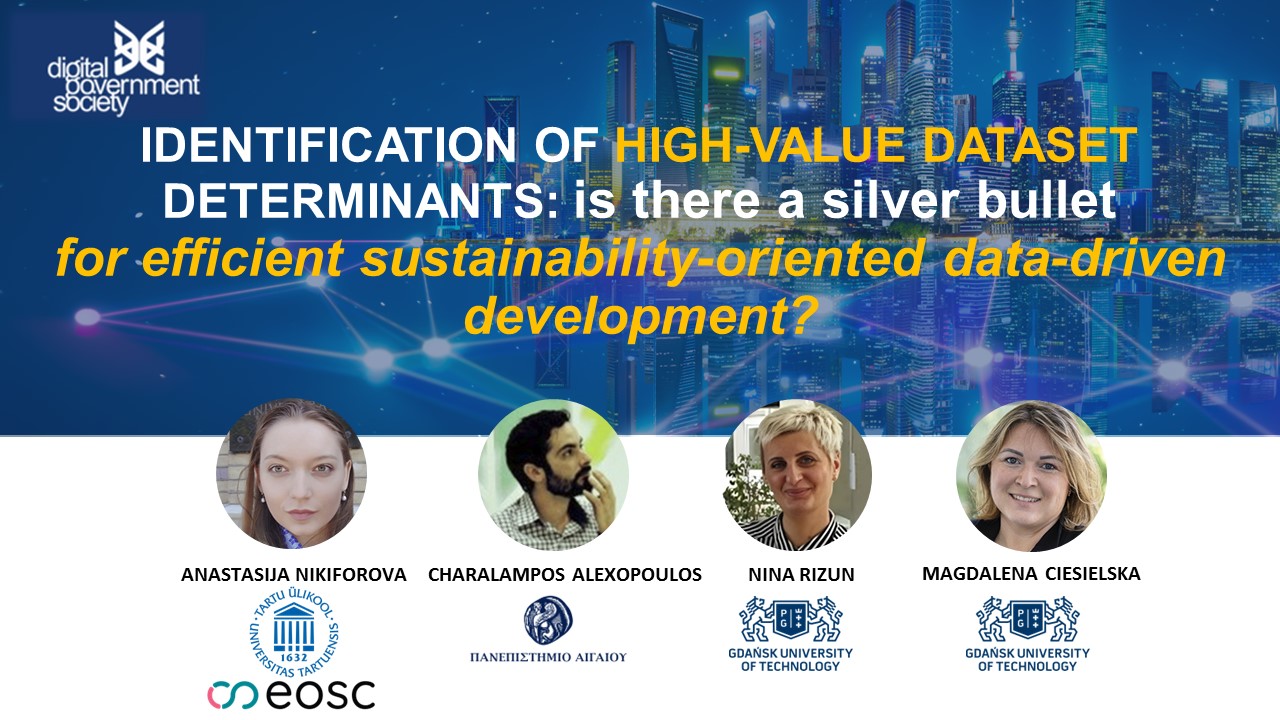
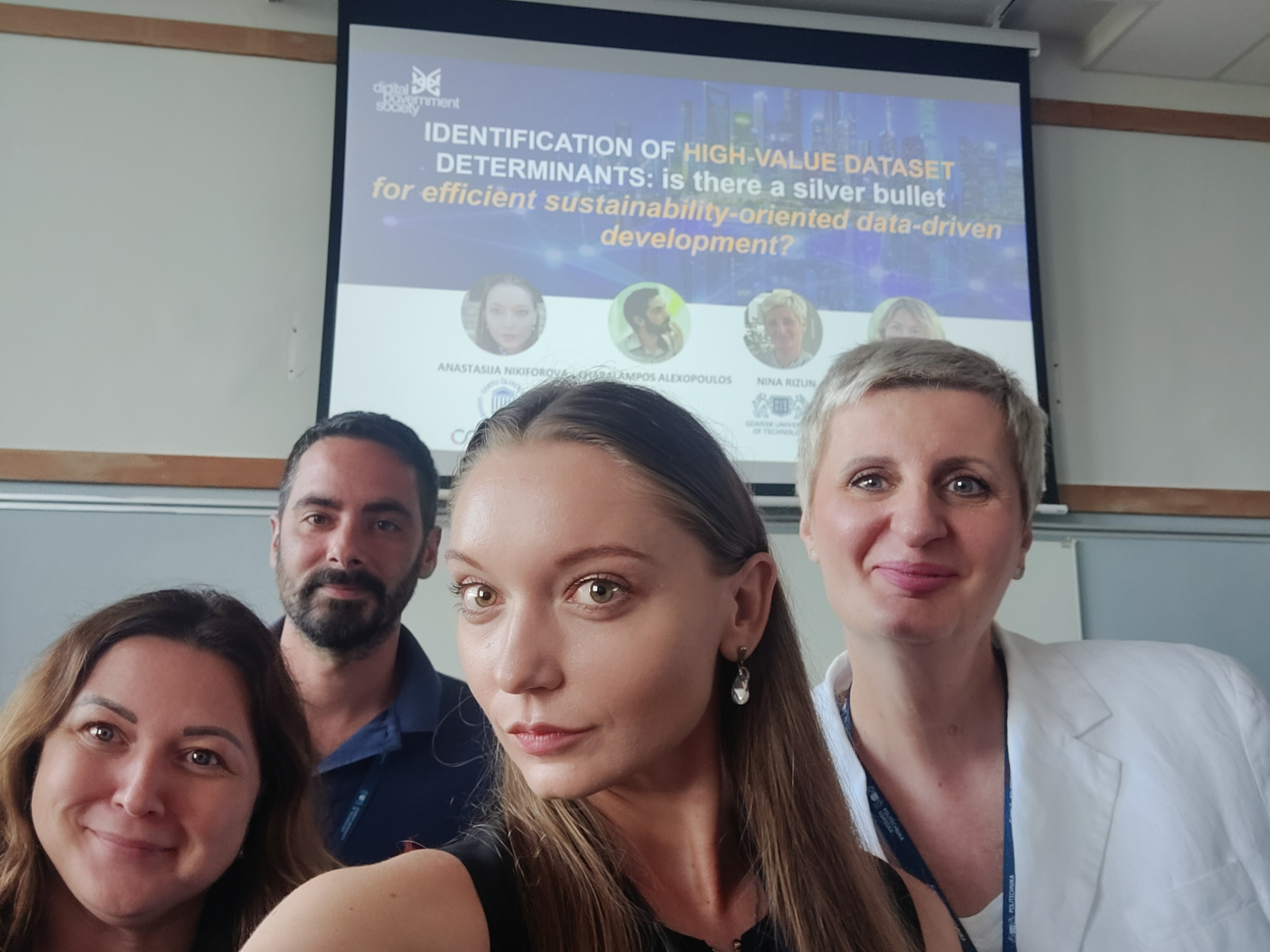
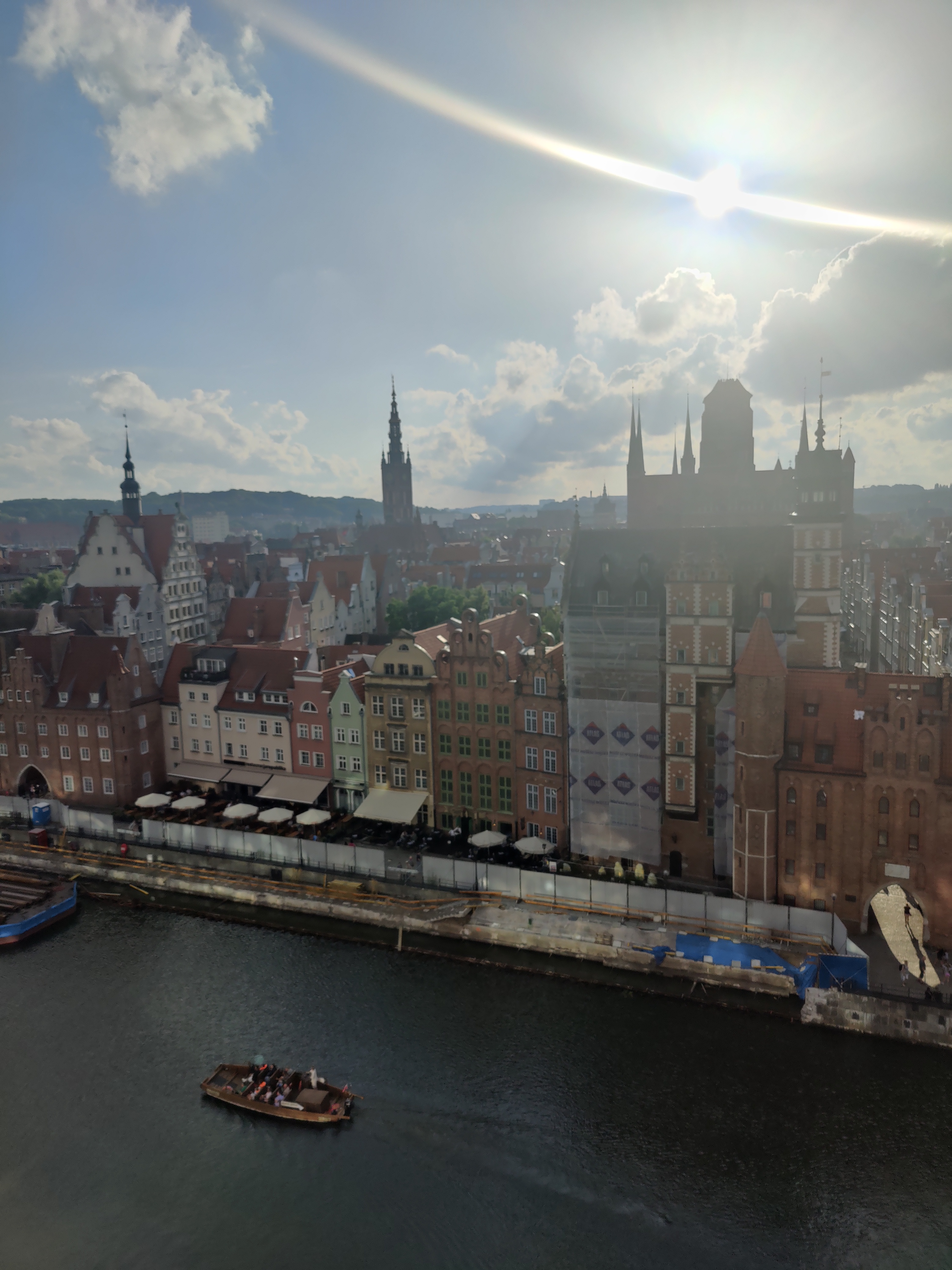
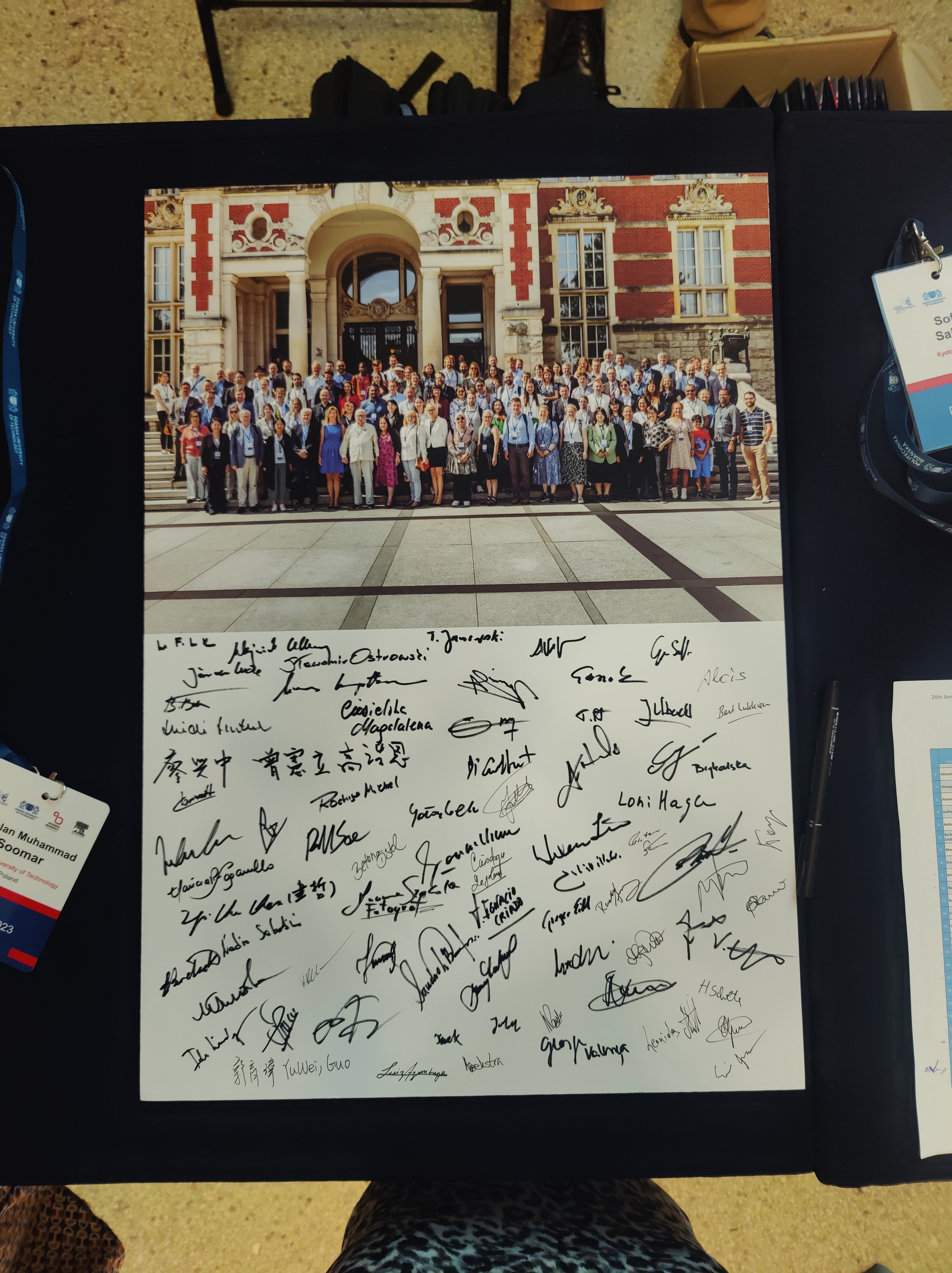
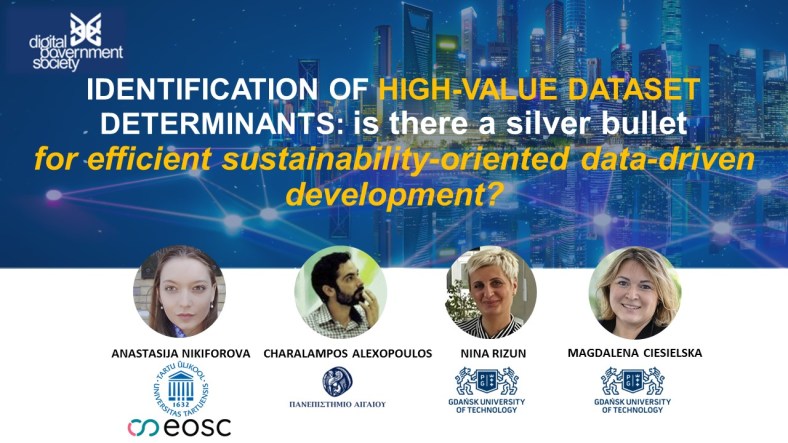
The week was full of impressions (positive) from the the 24th Annual International Conference on Digital Government Research in the charming GdaĹ„sk (Poland), which started with our workshop, followed by the keynote talk delivered by the former President of Poland & Nobel Prize laureate Lech Wałęsa, until the very last session & coming to my hometown and meeting John Malkovich there! Although this was already the 3rd working trip in the last 4 weeks and the 5th from the very beginning of June, during which I delivered two keynote lectures, presented two papers (with two more papers presented by my colleagues at other conferences), chaired the workshop with several more events & activities, it was still an absolutely great experience, where we finally had the 3rd edition of our workshop “Identification of high value dataset determinants: is there a silver bullet for efficient sustainability-oriented data-driven development?” as part of dg.o2023, which brought more than 20 participants, with whom we jointly tried to understand:

💡What can be the country-specific HVD determinants (aspects)? Incl. who should be the expected beneficiary of the availability of HVD? what are the current approaches towards HVD determination?

đź’ˇWhat mechanisms or methods can be put in place to determine them?

đź’ˇCan this be done (semi-)automatically?

đź’ˇHow a framework for determining country-specific HVD could look like?

As part of the workshop, we also validated the results of our Towards High-Value Datasets determination for data-driven development: a systematic literature review (Anastasija Nikiforova, Nina Rizun, Magdalena Ciesielska, Charalampos Alexopoulos, Andrea MiletiÄŤ) paper we expect to present to EGOV community, which has been already named a “sound in the noise” (we work hard to correspond to this characteristic!). As part of the above, we verified whether the findings from the literature are relevant, valid & complete discussing:

đź’ˇWhat can be data-centered characteristic of HVD? (and should they be predefined?)
đź’ˇWhat are the expected characteristics of the HVD determination indicators, i.e. (1) ex-ante / ex-post / both?, (2) qualitative / quantitative / both? (3) Internal (such as usage statistics) / external (e.g., report, indices, charters) / both?, (4) SMART / not necessarily? Diving then into the above questions, as well as evaluating relevance of indicators identified previously (lit-re & current practices / ad-hoc approaches & previous workshops)

Many thanks to everyone who participated in the ICEGOV, ICOD or DGO workshops (more than 60 people in total), as well as thanks to Maria, who was part of the ICOD workshop!

Thanks to the organizers, including but not limited to the local organizing committee – Gdansk University, Digital Government Society, Emerald Publishing – for giving an opportunity to have a good time and to finally meet the colleagues in person (some of whom never met before despite a relatively long collaboration)!

Europe Biobank Week 2021

This is a short note about Europe Biobank Week 2021, which took place in an online mode this year during 8-10 November. EBW is jointly organized by ESBB (European, Middle Eastern & African Society for Biopreservation and Biobanking) and BBMRI-ERIC with this year’s theme â€śBiobanking for our Future – Opportunities Unlocked”. The programme was plenty of very different events and opportunities, including rich programme of live presentations from high-level experts, and a collection of selected posters, where I was honored to be represented in two of them (14 main topics) as part of the Latvian Biomedical Research & Study centre team, where I work as an IT-expert.

One of them authored by me was presented within “Novel IT solutions, effective data storage, processing and analysis” section. This poster titled “Towards efficient data management of biobank, health register and research data: the use-case of BBMRI-ERIC Latvian National Node” (authors: Anastasija Nikiforova, Vita RovÄ«te, Laura Ansone) was devoted to the ongoing project (funded by the European Union under the Horizon 2020) called INTEGROMED – Integration of knowledge and biobank resources in comprehensive translational approach for personalized prevention and treatment of metabolic disorders, where some preliminary results of my activities on the inspecting and improving the ecosystem of the Latvian Biomedical Research and Study centre and then summarized and transformed into the set of guidelines towards efficient data management for heterogeneous data holders and exchangers, were presented.

European Biobank Week 2021, poster
“Towards efficient data management of biobank, health register and research data: the use-case of BBMRI-ERIC Latvian National Node” (authors: A. Nikiforova, V. RovÄ«te, L. Ansone)

Another poster titled “Development of a dynamic informed consent system for Latvian national biobank and citizen science data management, quality control and integration” (authors: Kante N., Nikiforova A., KalÄ“ja J., Svandere A., Mezinska S., RovÄ«te V.) was presented under “Population-based cohorts – addressing global challenges for future generations” section and was dedicated to another project, which is funded by European Regional Development Fund (ERDF) – “DECIDE – Development of a dynamic informed consent system for biobank and citizen science data management, quality control and integration“.

“Development of a dynamic informed consent system for Latvian national biobank and citizen science data management, quality control and integration” (authors: Kante N., Nikiforova A., KalÄ“ja J., Svandere A., Mezinska S., RovÄ«te V.)

This was another very nice experience!