New advancements in wireless communication systems such as Fifth-Generation (5G), Beyond Fifth-Generation (B5G), and Sixth-Generation (6G) networks will allow for new and unprecedented services to be made available for users with nearly unlimited capacity. These services will be the core driver for future digital transformation of our cities and communities. This will be accompanied by a ubiquitous deployment of Internet of Things (IoT) infrastructure and supported by computing capacity that will be available at the edge of the network and in the cloud. This computing infrastructure will handle the processing of data generated by users and services. Such a complex and diverse system will require the applications running on the computing/networking infrastructure to be Intelligent, efficient and sustainable. Additionally, the infrastructure will require smart control and automation systems to integrate and manage its different components. Artificial Intelligence (AI) and its applications will play a significant role in the design, deployment, automation, and management of future services. This will include applications that will be running on the edge and on cloud servers, networking applications to handle the flow of data between the users and the computing system, and intelligent automation and management software operating on the system. The International Conference on Intelligent Computing, Networking, and Services is aiming to provide an opportunity to present state of the art research in the intersections of Computing, Networking, and Services that are supported by Artificial Intelligence.
Researchers from both the industry and academia are encouraged to submit their original research contributions in all major areas, which include, but are not limited to the following main tracks:
💡Track 1: Artificial Intelligence Fundamentals
Artificial Intelligent Systems
Artificial Intelligent Theory
Artificial Intelligent applications in Computers and Communications
Artificial Intelligent and Robotics Technologies
Artificial Intelligent and cloud computing
Artificial Intelligent for Economic paradigms and game theory
Machine and Deep Learning of Knowledge
Artificial Intelligent based Distributed Knowledge and Processing
Artificial Intelligent for Human-Robot Interactions
💡Track 2: Intelligent Internet of Things and Cyber-Physical Systems
Intelligent IoT Applications and Services
Intelligent security for the Internet of Things and cyber-physical systems
Intelligent Internet of Things architectures and protocols
Intelligent Cyber Physical Systems (CPS)
Blockchain-based application in Intelligent Manufacturing: Industrial Internet of Things,
Blockchain and Secure Critical Infrastructure with Industry 4.0
Intelligent manufacture and management
Consensus and mining algorithms suited for resource-limited IoTs
Blockchain-based Controlled mobility and QoS
Blockchain-based energy optimization techniques in WSN
Blockchain-based Software defined networks
💡Track 3: Edge Intelligence and Federated Learning
Distributed and federated machine learning in edge computing
Theory and Applications of Edge Intelligence
Middleware and runtime systems for Edge Intelligence
Programming models compliant with Edge Intelligence
Scheduling and resource management for Edge Intelligence
Data allocation and application placement strategies for Edge Intelligence
Osmotic computing with edge continuum, Microservices and MicroData architectures
ML/AI models and algorithms for load balancing
Theory and Applications of federated learning
Federated learning and privacy-preserving large-scale data analytics
MLOps and ML pipelines at edge computing
Transfer learning, interactive learning, and Reinforcement Learning for edge computing
Modeling and simulation of EI and edge-to-cloud environments
Security, privacy, trust, and provenance issues in edge computing
Distributed consensus and blockchains at edge architecture
Blockchain networking for Edge Computing Architecture
Blockchain technology for Edge Computing Security
Blockchain-based access controls for Edge-to-cloud continuum
Blockchain-enabled solutions for Cloud and Edge/Fog IoT systems
Forensic Data Analytics compliant with Edge Intelligence
💡Track 4: Intelligent Networking in Beyond 5G (B5G) and 6G Wireless Communication
Intelligent Networking in Beyond 5G/6G Network Architectures
large-scale Internet of Things in B5G/6G
Vehicular networks in B5G/6G
Blockchain with lightweight computation
Service and applications for vehicular clouds in B5G/6G
Future internet architectures for B5G/6G
Intelligent networking services
Emerging networks in B5G/6G
Byzantine-tolerant FL
Churn-tolerant FL
FL for NGN and 6G
B5G/6G based IoT healthcare systems
💡Track 5: Intelligent Big Data Management and Processing
Intelligent Data Fusion
Intelligent Analytics and Data mining
Intelligent Distributed data management
Distributed transaction for blockchain
Intelligent Data Science and Data Engineering
Protocols for management and processing of data
💡Track 6: Intelligent Security and Privacy
Authentication and authorization
Applications of blockchain technologies in digital forensic
Privacy technologies
Blockchain-based threat intelligence and threat analytics techniques
Blockchain-based open-source tools
Forensics readiness of blockchain technologies
Blockchain Attacks on Existing Systems
Blockchain Consensus Algorithms
Blockchain-based Intrusion Detection/Prevention
Security and Privacy in Blockchain and Critical Infrastructure
Attacks on Blockchain and Critical Infrastructure
Blockchain and Secure Critical Infrastructure with Smart Grid
💡Track 7: Blockchain Research & Applications for Intelligent Networks and Services
State-of-the-art of the Blockchain technology and cybersecurity
Blockchain-based security solutions of smart cities infrastructures
Blockchain in connected and autonomous vehicles (CAV) and ITS)
Blockchain Technologies and Methodologies
Recent development and emerging trends Blockchain
New models, practical solutions and technological advances related to Blockchain
Theory of Blockchain in Cybersecurity
Applications of blockchain technologies in computer & hardware security
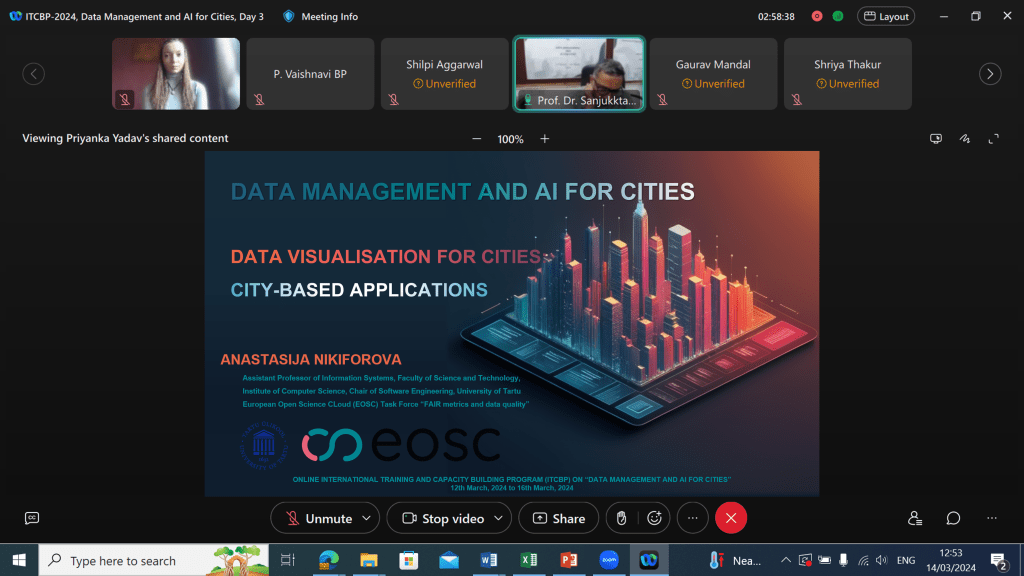
Yesterday, I had the honor of serving as an Expert speaker for an Online International Training and Capacity Building Program-2024 (ITCBP-2024) on “Data Management for AI Cities”, organised by the School of Planning and Architecture, New Delhi (SPA FIRST) that invited me to deliver a talk on “Data Visualisation for Cities: City Based Applications”.
During this talk, we touched on several important aspects surrounding data management and visualization in and for cities, including:
Data management that was then deduced to data quality management of both internal and external data, departing from understanding these data to managing their quality throughout the DQM lifecycle (stressing that data cleaning is not the same as DQM), touching on several approaches to this with greater emphasis on the AI-augmented data quality management – existing tools, underlying methods, and weaknesses that should be considered when using (semi-)automatic data quality rule recognition, depending on the method they use for this purpose;
Data governance was then discussed, stressing how it differs from DQM, and what it consists of and why it is crucial, incl. within the context of this talk;
Data visualization& storytelling – role, key principles, common mistakes, best practices. As part of this, we covered strategies for selecting data visualization type with tips on how to simplify this process, incl. by referring to chart selectors, but also stressing why “thinking outside the menu” is critical, esp. within city-level data visualization (where your audience is often citizens or policymakers). We looked at the most common and/or successful uses of non-traditional types of visualizations, incl. tools to be used for these purposes, breaking them into those that require coding and those that are rather low- or no-code; noise reduction – simplicity – strategic accents’ use, as well as drill-down (aka roll-down) & roll-up use to convey the message you want to deliver while overcoming highlighting everything and thereby losing your audience. In addition, a UX perspective was discussed, including but not limited some aspects that are often overlooked when thinking about the design and aesthetic color palette, namely the color-blindness of the audience that might “consume” these visualizations and again, tips on how to use it easier – did you you known that there are 300 million color blind people? And that 98% of those with color blindness have red-green color blindness?
So what was the key message or a “takeaway” of this talk? In a very few words:
Understand your data, audience and story you want to tell! Understand:
your data,
the story it tells,
your target audience’s preferences and needs,
the story you want to tell
data suitability
data quality
Attention-grabbing visuals & storytelling is a key!
reduce noise to avoid audience confusion and distraction
use drill-down and roll-up operations to keep visualization simple
add the context to provide all necessary information for clear understanding
add highlights to focus their attention – add accents strategically
Consider design – the optimal visualisation type, chart design, environment design, potential color-blindness of your audience
Keep track of the current advances, but also challenges and risks, of data visualization in urban settings, incl. but not limited to (1) privacy concerns, (2) data silos, (3) technological limitations.
All in all, it was quite a rich conversation and I am very grateful to the organizers for the invitation to be part of this event and to the audience for the very positive feedback!
The role of Generative AI is the subject for debates in almost every domain today, and the open data (ecosystem) domain is no exception. Here’s my two cents on this with the blog post “Generative AI Role in Shaping the Future of Open Data Ecosystems: Synergies amidst Paradoxes”. In this blog post, I present some personal observations and predictions on how Generative AI will stop open “data winter” or even give an impetus to the “data spring” the call for what has been made recently. While these steps may be many and different, one obvious element that could affect the current state of affairs is Artificial Intelligence, particularly in the form of Generative AI. Along with this “forecast” and high-level discussion that is expected to be made more in-depth and likely evidence-based (since, together with my colleagues and students, we are already working in this direction), some paradoxes are mentioned among this symbiotic relationship between Generative AI and open data (ecosystem)…
The very last days of the year give us all time to reflect on what the past year has brought us. This years and these very last days of it are no exception. As usually, I will skip the part about pains and tears and try to focus only on positive things, because at the end of the day, “that which does not kill us makes us stronger” (Friedrich Nietzsche). Otherwise, this year has been full of a lot of different events and experiences, so I indeed want to take a moment and summarize what has so little time for some things (actually, not because you are lazy – as I often think of myself (a moment when people who know me well can laugh a little), but because you were busy with other things you gave you preference / priority over others).
So, how has 2023 been or what am I grateful for?
First of all, given the amount of emotion they bring, I am grateful for all those conferences I attended this year, serving as both – a part of the organizing committee, the program committee, the chair – chairing my (co-)organized workshops, the track (co-)chair, the speaker – presenting my works, or even serving as a keynote & invited speaker, as well as a plenary speaker and taking part in the “meet the publisher” session as a representative (Area Editor) of the journal. In total, I attended 13 international conferences (some of which I attended virtually), with some more events of a more national and/or regional nature.
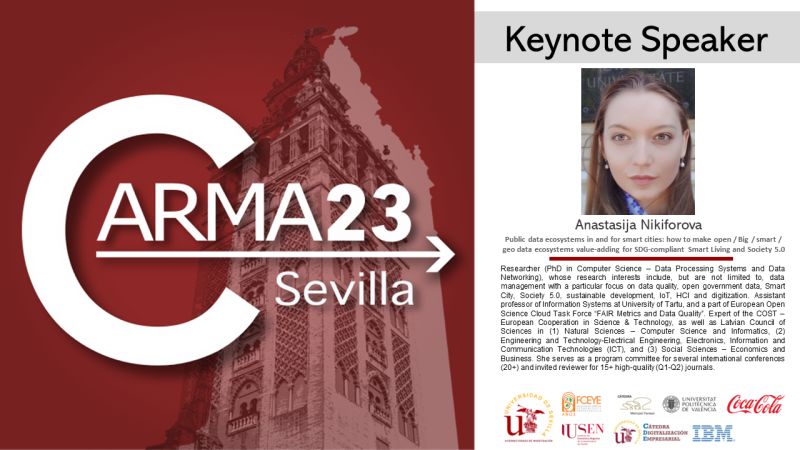
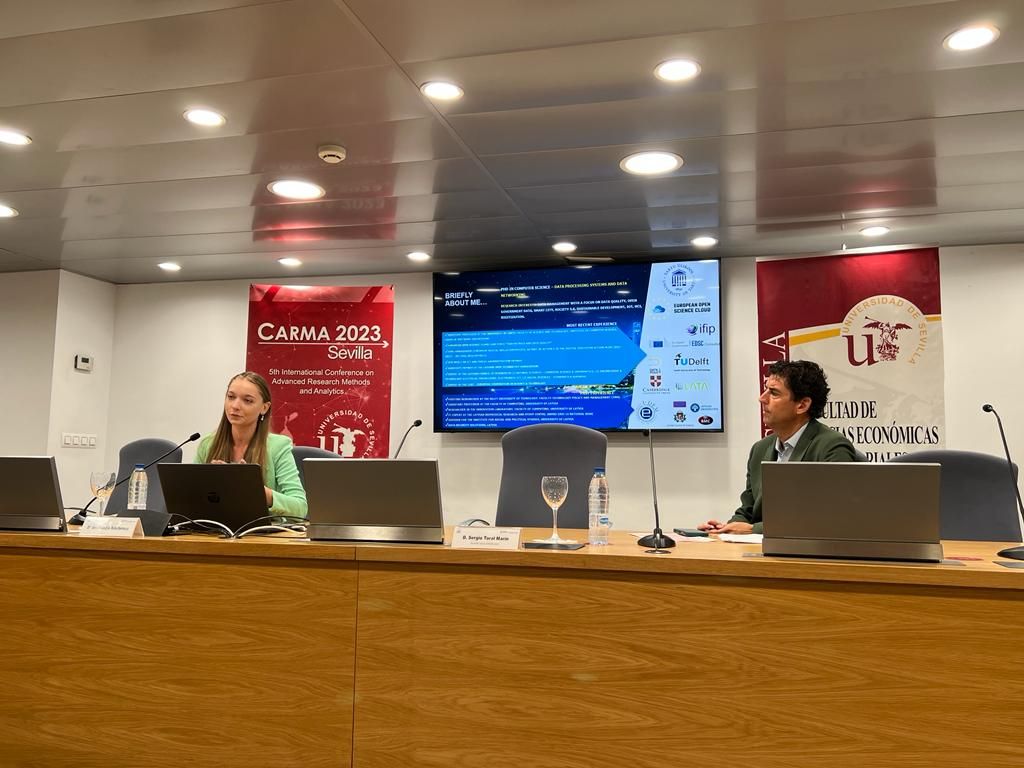
Let me start with the role of keynote speaker, as I finally added another continent to “my list” of keynotes this year. Surprisingly, it was Europe. In other words, in previous years I have already served as a keynote or invited speaker at events in Latin America, Asia, Africa, but this year I gave 4 more talks in Asia and finally in Europe – 3 keynote talks / invited talks 🙂 (not to say how cool I am, but rather to express my gratitude to those who invite me to deliver keynote talks, despite my relatively young age but being interested in the content I deliver).
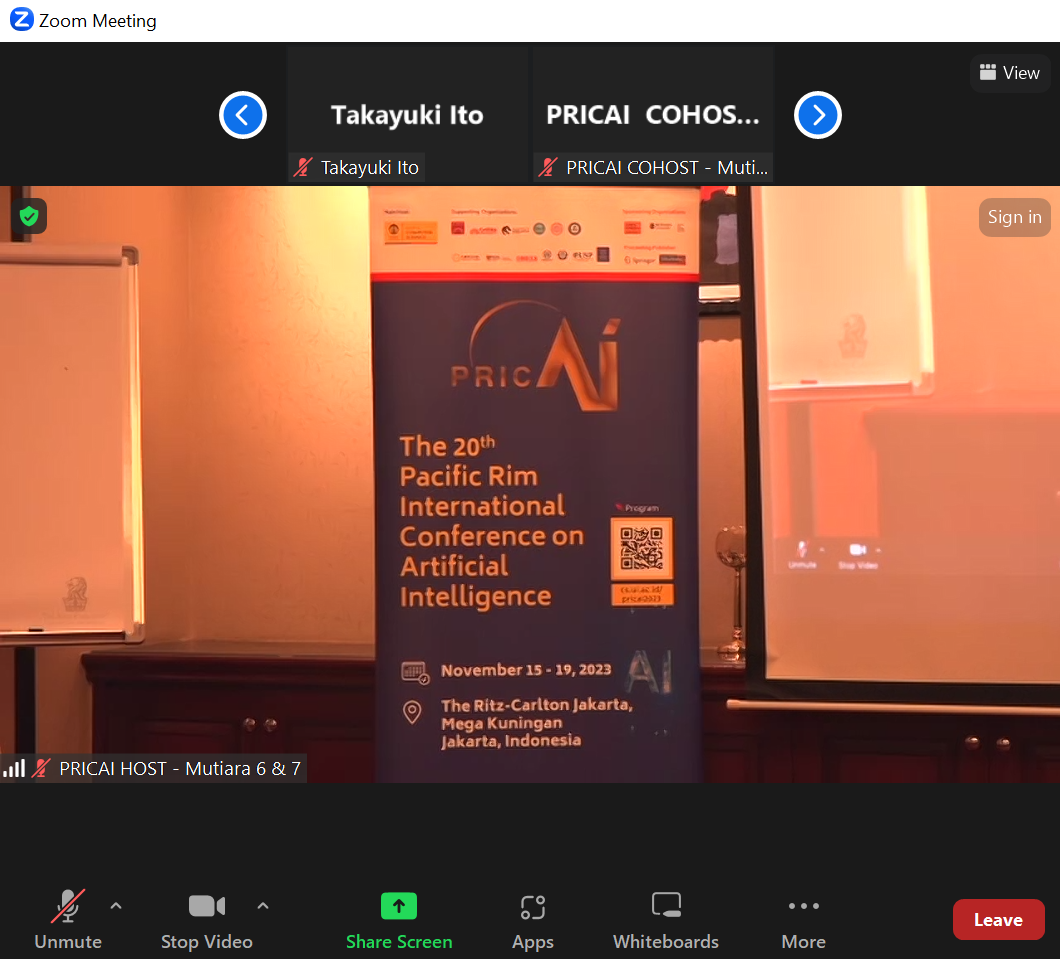
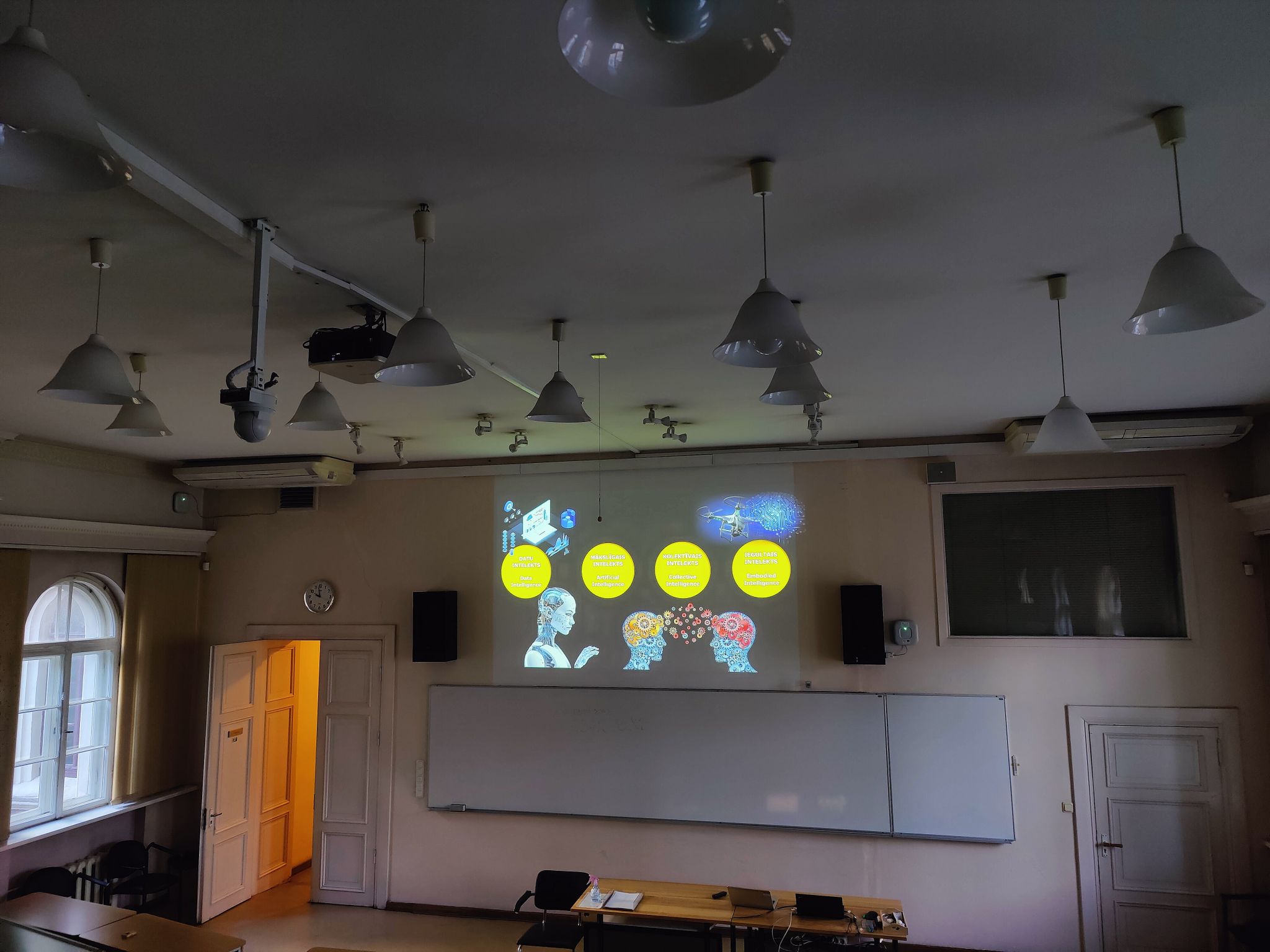
Moreover, I had the pleasure of covering all those topics that I love and deal (or dealt) with, namely public/ open data ecosystems, data quality management, information systems / data security, and intersection of artificial intelligence, data intelligence and collaborative intelligence. Moreover, I had the exceptional pleasure of delivering them to very different audiences, where two talks were delivered to academic circles (CARMA2023 and DemocrAI as part of PRICAI), one – to participants of one of the leading hackathons in Europe (HackCodeX Forum), and one – to representatives of industry (CyberCommando’s meetup 2023):
In addition, plenary debates within the Research and Innovation Forum 2023 “Innovation 5.0: Navigating shocks and crises in uncertain times Technology-Business-Society” (RiiForum2023): “Advances in ICT & the Society: threading the thin line between progress, development and mental health“, where I was kindly invited to take part as one of plenary speakers, is another wonderful experience worth mentioning, especially, when you are invited with the line stating that your “expertise and your contribution to the academic debate make you one of the trendsetters in current debate on open data and data quality management“. As part of this event, we – Prof. Dr. Yves Wautelet, Prof. Dr. Marek Krzystanek, Karolina Laurentowska & Prof. Marek Pawlicki – discussed disruptive technologies and their role in our professional lives in the past years, how they affected us and our colleagues, how they affect(ed) society and its specific groups, including their mental health, and general perception of technology, i.e. an enemy of humanity, or rather a friend and support, and how to make sure the second take place. And from this we have developed a discussion around AI, chatGPT, Metaverse, blockchain, even slightly touching on quantum computing. Of course, all this was placed in the context of democracy and freedoms / liberties. All in all, we approached the topic of governance and policy-making, which is too often reactive rather than proactive, which, in turn, leads to many negative consequences, as well as elaborated on the engineering practices. You can read about this here.
In addition, two international workshops were (co-)organized and chaired by me this year and took place as part of IFIP EGOV-CeDEM-EPART 2023 and dg.o 2023, namely:
The other role of session chair is particularly special as it allows you to actively participate in the discussion of all the works presented in those sessions, as well as to “drive” and “direct” the discussion established and developed by and with others participants. Therefore, I am often pleased to accept an invitation to chair sessions, and this year I did it for:
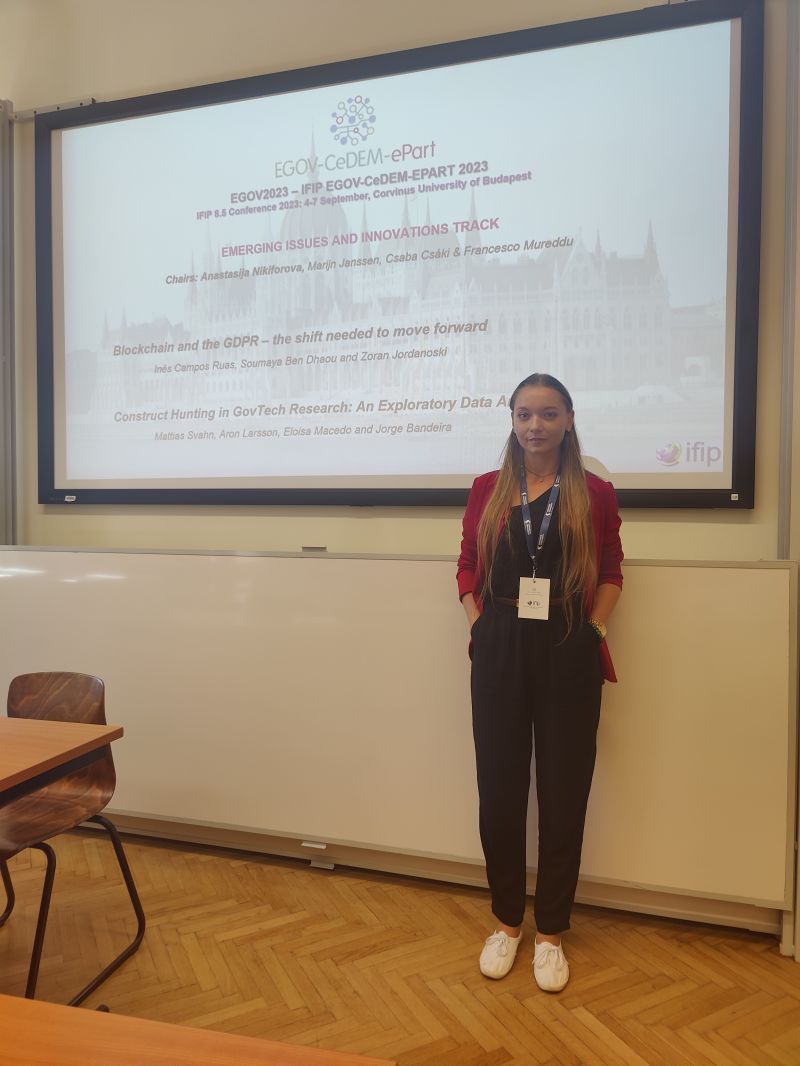
EGOV2023 – IFIP EGOV-CeDEM-EPART 2023, “Emerging Issues and Innovations” track
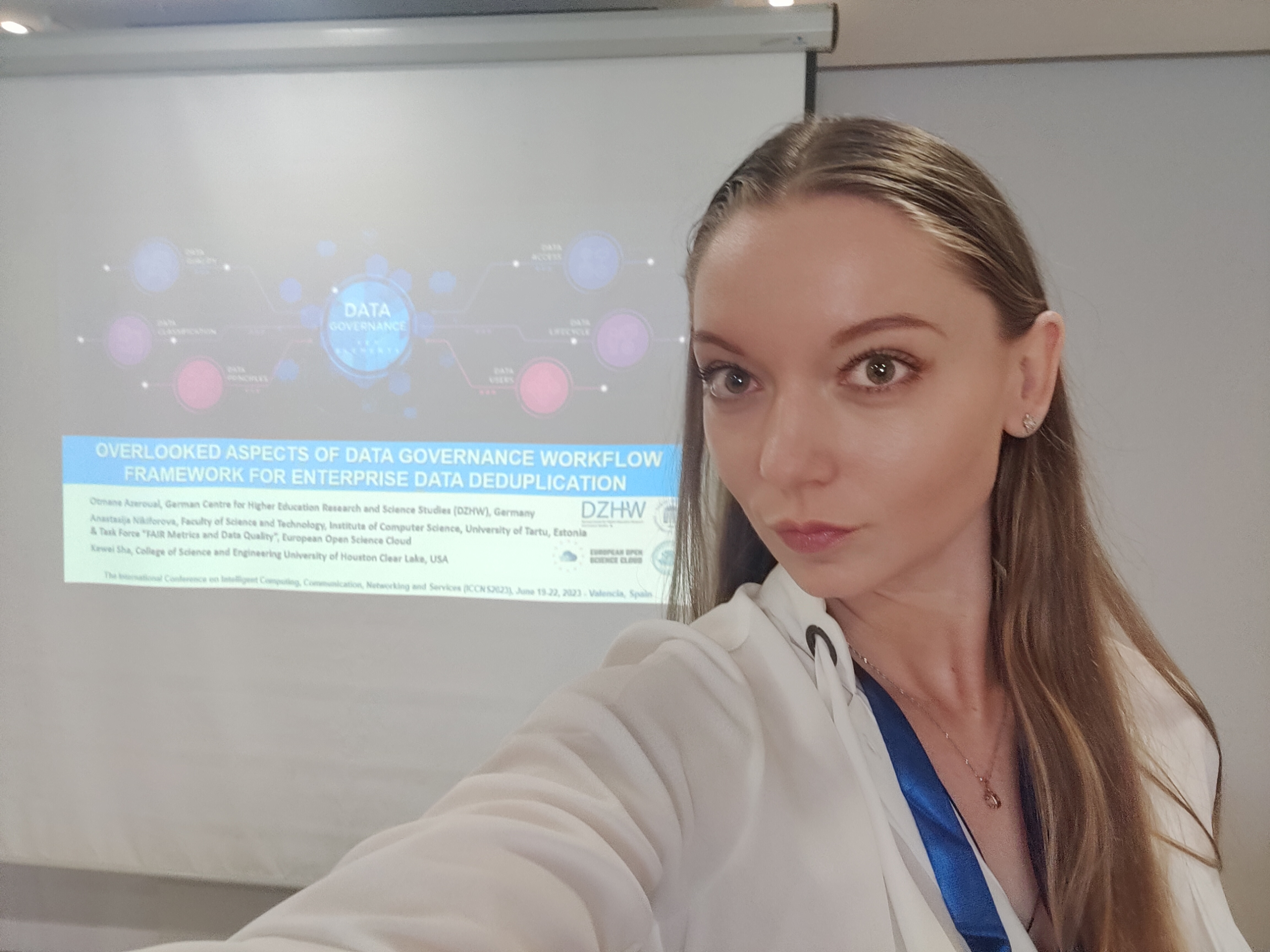
ICCNS2023 – The International Conference on Intelligent Computing, Communication, Networking and Services
Research and Innovation Forum 2023 “Innovation 5.0: Navigating shocks and crises in uncertain times Technology-Business-Society”
iMeta and FMEC 2023 – The International Conference on Intelligent Metaverse Technologies & Applications in conjunction with the The Eighth IEEE International Conference on Fog and Mobile Edge Computing (FMEC)
At some of these conferences, along with some others, I also serve as part of the program or even organizing committee, which allows me to be closer to the event itself, being involved in it as much as possible. This, of course, requires some efforts (at times a lot of them), but still it is a very valuable experience that allows to derive many valuable insights for developing yourself – for this opportunity this year I am grateful to all those 18 conferences that I managed to count (EGOV, AMCIS, iLRN2023 etc.), in which I have been involved in one or another capacity, taking one or another role that spans from publicity chair to steering committee member. Similarly, it is always a pleasure for me to serve as invited reviewer for high-quality journals (15+), as well as to serve as editor for some of them.
Of course, the above involves participation in these conferences as a speaker/ presenter, presenting your own papers. Therefore, the next point to mention and express my gratitude to both my colleagues – co-authors, reviewers, editors and many more, are those contributions that were published or born this year.
That is, several articles were published this year – 22 to be more precise, some of which were simply published in 2023, although they were written earlier (including my past collaboration with Quantum Humanities network, the Latvian Biomedical Research and Study Centre, BBMRI-ERIC Latvian National Node and others), 9 of which are journal papers (incl. both Government Information Quarterly – a top journal in public administration, social science and information science, and Nature-based European Journal of Human Genetics), 2 are book chapters, 8 – conference papers and 3 – whitepapers & reports, including those published by the European Commission (developed together with my colleagues from European Open Science Cloud (EOSC) Task Force “FAIR metrics and data quality”):
Shao, D., Ishengoma, F.R., Alexopoulos, C., Saxena, S., Nikiforova, A. and Matheus, R. (2023), “Integration of IoT into e-government”, Foresight, Vol. ahead-of-print No. ahead-of-print. https://doi.org/10.1108/FS-04-2022-0048, Q2 (Business and International Management, Economics, Econometrics and Finance), IF: 1.581, CiteScore: 3.1
Azeroual, O., Schöpfel, J., Pölönen, J., Nikiforova, A. (2023). FAIRification of CRIS: A Review. In: Coenen, F., et al. Knowledge Discovery, Knowledge Engineering and Knowledge Management. IC3K 2022. Communications in Computer and Information Science, vol 1842. Springer, Cham
Wilkinson MD, Sansone SA, Méndez E., David R., Dennis R., Hecker D., Kleemola M., Lacagnina C., Nikiforova A., Castro L. (2023) Community-driven governance of FAIRness assessment: an open issue, an open discussion [version 2; peer review: 2 approved with reservations]. Open Res Europe 2023, 2:146 (https://doi.org/10.12688/openreseurope.15364.2)
“Towards High-Value Datasets determination for data-driven development: a systematic literature review” (Nikiforova A., Rizun N., Ciesielska M., Alexopoulos C., Miletič A.) received a recommendation from The Living Library that seeks to provide actionable knowledge on governance innovation, informing and inspiring policymakers, practitioners, technologists, and researchers working at the intersection of governance, innovation, and technology in a timely, digestible and comprehensive manner, identifying the “signal in the noise” by curating research, best practices, points of view, new tools, and developments, has included it in their collection. This is already the second paper recommended by the Living Library (the first one was this paper) that is recommended by them, what makes me very proud – thanks a lot!
According to ResearchGate calculated Interest Score, my score is higher than 99% of ResearchGate members who first published in the same year as me, namely, 2018, which, however, means that more globally, i.e., among all ResearchGate members my current Research Interest Score is higher than 90% of researchers registered in it – although there is a lot of room for improvement, I still find it to be something to be grateful for to all my colleagues with whose support this has been achieved.
Moreover, this year I was listed in the Stanford University database of top 2% scientists! I recognize that this is just a single year category for 2022, and it is about sub-fields (Artificial Intelligence, Information Systems, Information Communication Technologies) same as I realize that citation metrics-based evaluations is not the best approach to assessing the impact and quality of research & researcher (although this database not only acknowledges, but also tries to tackle this issue to some extent), but for me it is a real achievement that made this year special!
Here I would also like to acknowledge the achievements of others, since this year I also witnessed 4 PhD defenses, acting as both opponent, internal reviewer and defense committee, all of which were successful. Here, I would like to once again congratulate both new PhD holders, namely:
Dr. Rozha K. Ahmed and her PhD thesis “Digital Transformation of Court Processes: Driving Forces, Success Factors, Regulations and Technology Acceptance” (TalTech – Tallinn University of Technology, TalTech School of IT) – read it here;
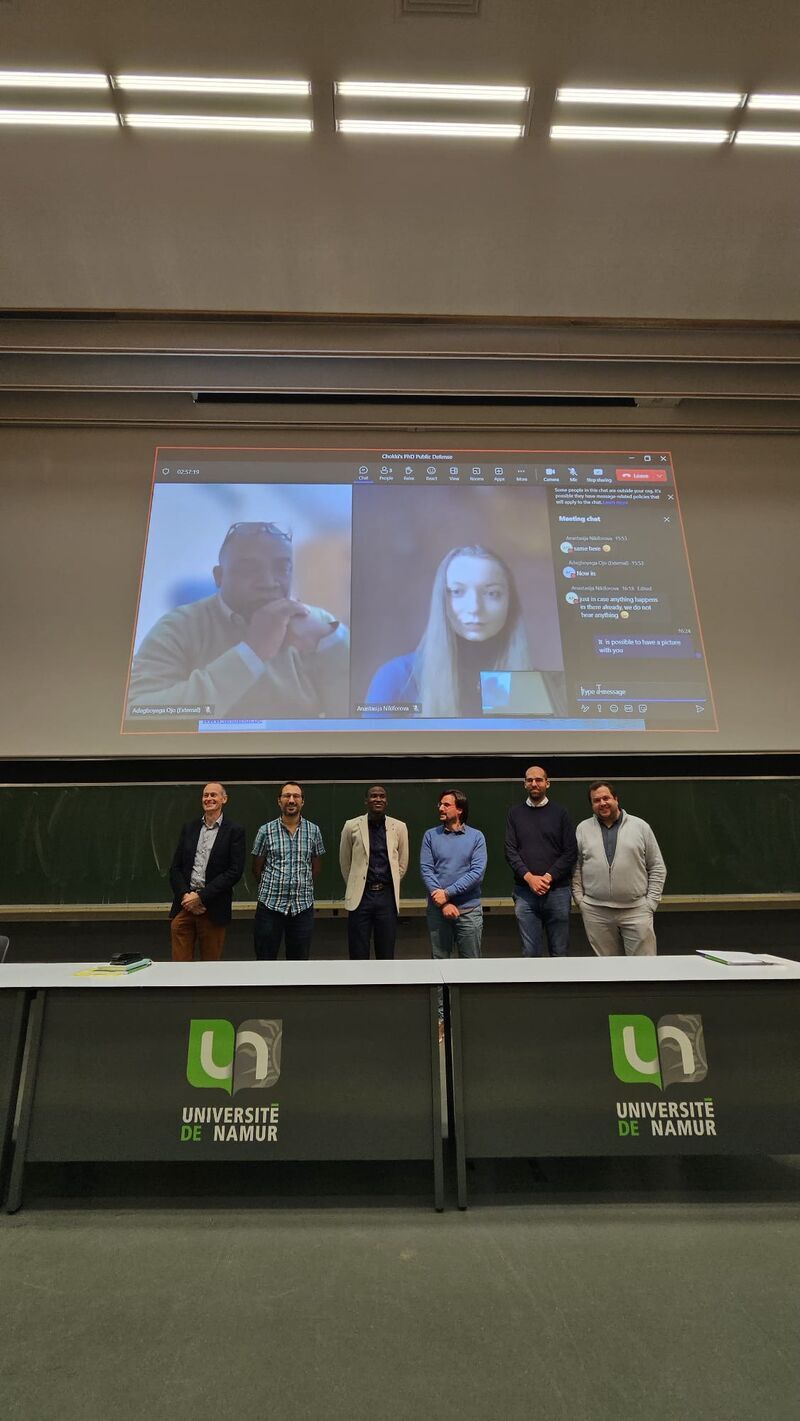
Dr. Abiola Paterne Chokki and his PhD thesis “Open Government Data: Empowering Reuse through Collaboration, Data Quality, and Data Storytelling” (The University of Namur / Université de Namur) – read it here;
Dr. Sidra Azmat Butt and her PhD thesis “A Digital Collaborative Platform to Facilitate Innovative Solutions for the Silver Economy” (TalTech – Tallinn University of Technology) – read it here;
Dr. Abasi-amefon Affia, who has successfully defended her PhD thesis “A Framework and Teaching Approach for IoT Security Risk Management” (University of Tartu) – read it here;
But, of course, I tried not only to acquire new knowledge and develop new skills or improve existing ones, but also to share them with others – students – my own (Business Process Management, as well as Systems Modelling courses) and of my colleagues, colleagues, pupils, school teachers, industry and others. This year I had a few more opportunities to do this by:
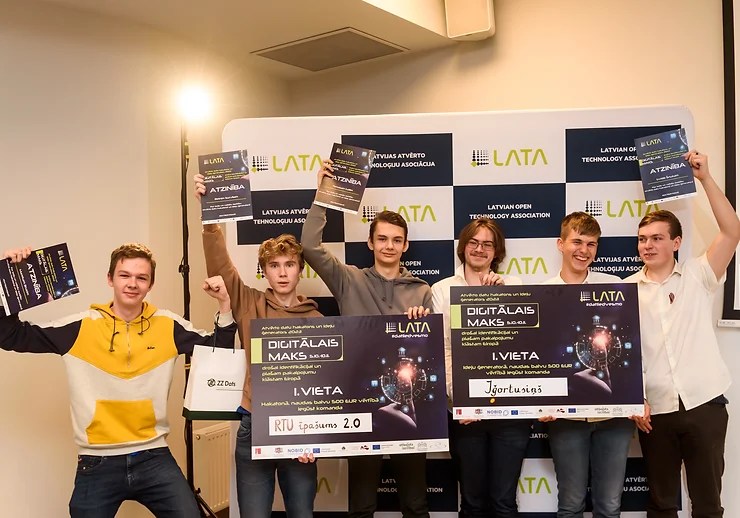
continuing collaboration with Latvian Open Technologies Association and serving as a mentor for Open Data hackathon and Idea Generator (this year focused on digital wallet) for pupils, organized by the Latvian Open Technologies Association with the support of Vides aizsardzības un reģionālās attīstības ministrija (VARAM)/ Ministry of Environmental Protection and Regional Development of Republic of Latvia, Latvijas Valsts radio un televīzijas centrs / Latvia State Radio and Television Centre, Valsts izglītības satura centrs / National Centre for Education of the Republic of Latvia, E-Klase, NOBID Consortium, Rīgas Tehniskā universitāte (Riga Technical University), European Commission and supporters – Omniva, ZZ Dats, Latvijas Banka/ The Bank of Latvia and others. This year the main topic of the hackathon was Digital Wallet for secure identification and wide service opportunities within Europe, as part of which dozens of pupils brought on the table great ideas on how the combination of open data and digital wallets can contribute to the development and improvement in such a different sectors, and improve lives of society – with healthcare, wellbeing, sustainability, ecology and simplification of processes as the main topics covered by participants (read a bit more here). This was my fourth hackathon in a row with LATA and it seems not the last;
continuing collaboration with the “School of Excellence” (latv. Izcilības skola), organized by the “Vertikāle” Youth Foundation in cooperation with the University of Latvia (Latvijas Universitāte) for the most promising 10th-12th grade students / brightest minds, helping them make decision about their future career. In this invited lecture, we looked at several topics that they could connect they career with – computer science, information systems, software engineering, artificial intelligence, collaborative intelligence, data intelligence, data quality management, open data, open government data – I hope this will help them make a decision, and, hopefully in favor of IT! This was my third time participating in this series of lectures, and I was already unofficially invited to continue this “tradition”;
continuing collaboration with Riga TechGirls as part of their exceptional program supported by Google.org (“Google Impact challenge” grant, in addition to local supporters such as the Ministry of Education and Science of Latvia, the Ministry of Culture, Riga city council (Rīgas Dome)), titled “Human on technology”, which is intended for more than 2000 Latvian teachers with the aim of disrupting technophobia and provide them with digital skills that are “must-have” in this digital world/ era, where in the last two years I have acted as both the lecturer and the lead mentor for the digital development workshop held as a part of the “Information and data literacy” module (read more…)
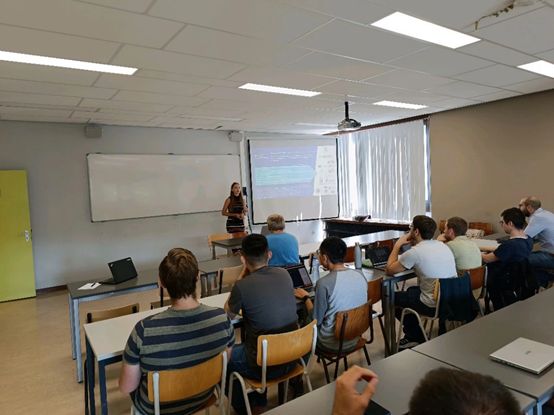
making a short research visit to the Université de Namur (Belgium), where I delivered a seminar on my past, current and future research activities, mainly focusing on two areas, namely Data Quality Management, and the open data-, open government data- and public data ecosystems- related topics, covering both technological and social aspects of the above, and their role in the context of Smart City, Society 5.0, sustainable development with the general title of the seminar “Data Ecosystems: from User Centered systems engineering to (open) data management for sustainable and smart living & society”. I was very surprised by a high attendance and very grateful to everyone who managed to find the time for this, especially those colleagues who brought some others – it was a great discussion of different viewpoints, which followed by the closed defense of Abiola Paterne Chokki that fit nicely this discussion as well!
Finally, several ongoing activities to be mentioned includes:
“Sustainable Public and Open Data Ecosystems” track we (chairs: Anastasija Nikiforova, Anthony Simonofski, Anneke Zuiderwijk & Manuel Pedro Rodríguez Bolívar) launched as part of the Annual International Conference on Digital Government Research (dg.o2024) and awaits your submissions (read more here);
This is a very short list of the events that I wanted to emphasize, and therefore, a short list of what I am grateful for this year and all those who were or are part of it. Overall, it was a busy and eventful year, to which I grateful for all the positive experiences and opportunities to transfer existing knowledge and acquire new ones from all those events and people I met there. I hope the next year will be even better. And in this regard, I wish us all a peaceful, joyful and productive year, in which we can cooperate and collaborate exclusively with those we respect and want to work with!
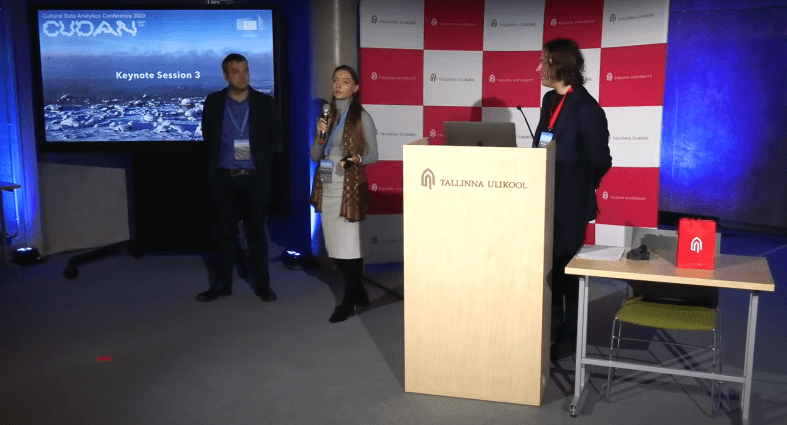
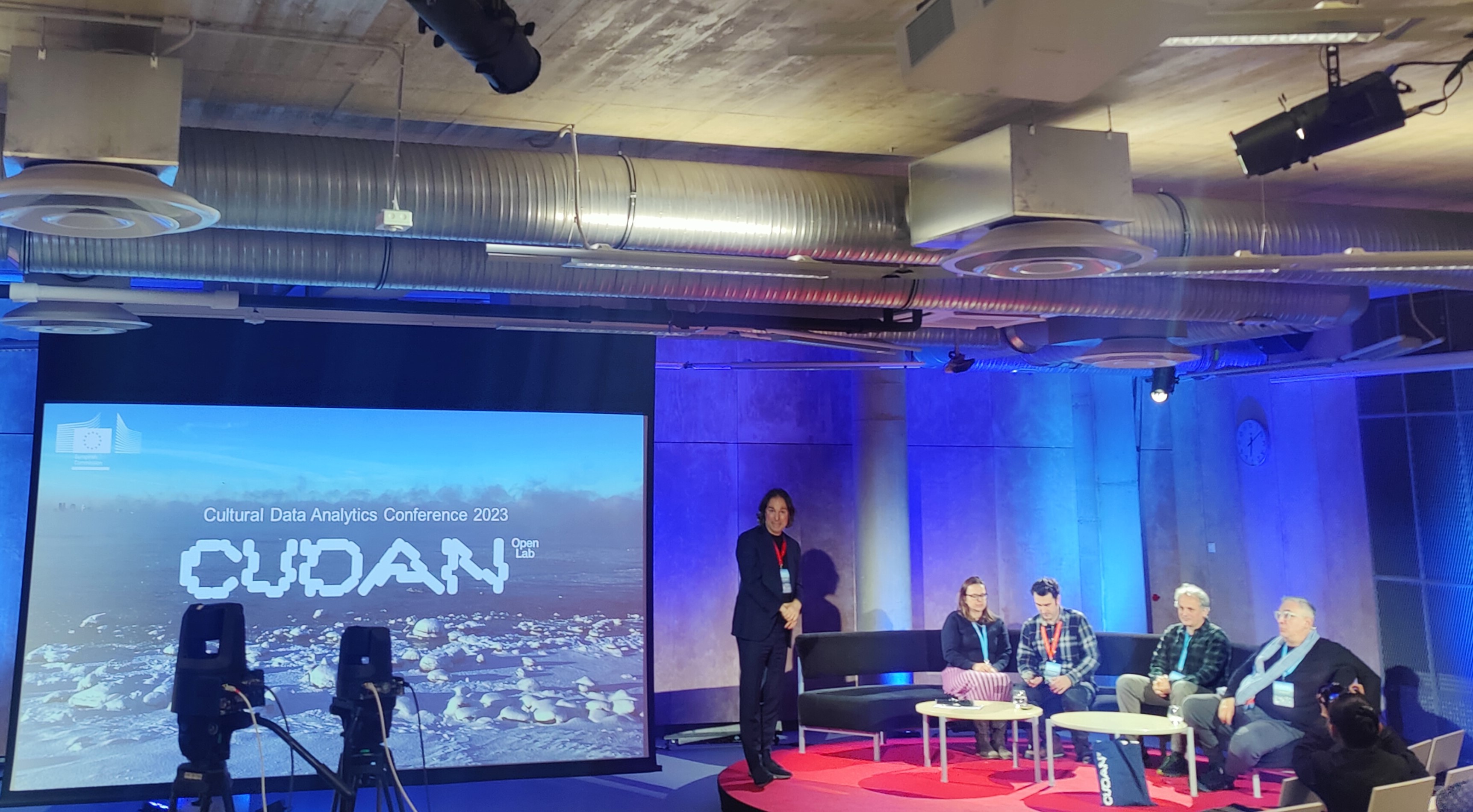
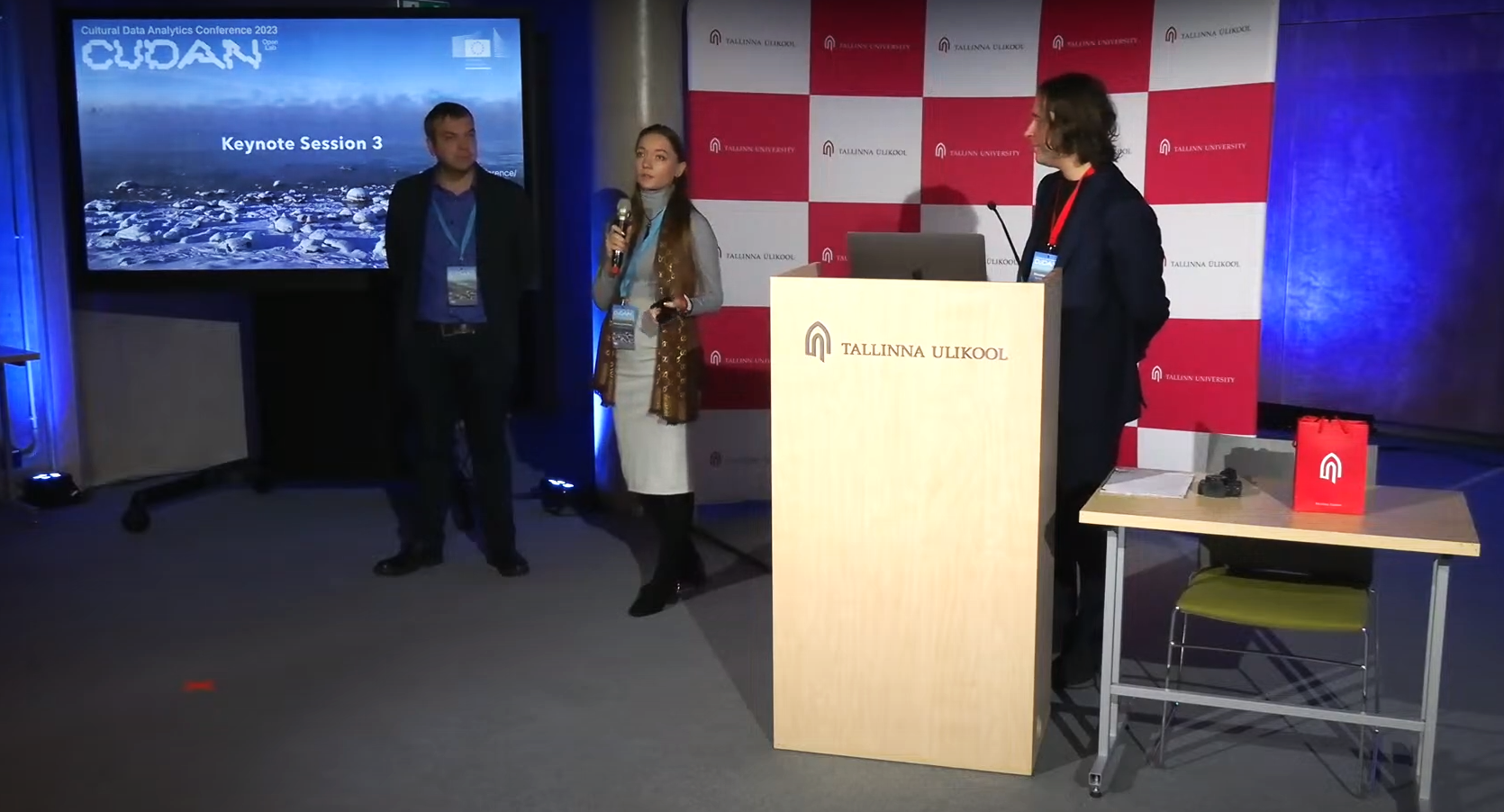
Cultural Data Analytics Conference 2023 (CUDAN 2023) took place this week at Tallinn University, where I was kindly invited by the organizers to take part in the Meet The Publishers session representing Data & Policy journal (Cambridge University Press), where I serve as editor for “Focus on Digital & Data-Driven Transformations in Governance” area. Together with colleague – Innar Liiv, who kindly joined me in promoting our journal, Data & Policy was represented by researchers representing two leading universities in Estonia – University of Tartu and TalTech – Tallinn University of Technology. The conference was hosted by another large Estonian university – Tallinn University, which did a great job since, although I am not related to cultural data analytics, I enjoyed the sessions, keynotes – Mauro Martino from IBM Research, Anu Masso from TalTech – Tallinn University of Technology, Lev Manovich from The City University of New York, and AI Art exhibition as part of a social event. Thank you Maximilian Schich for this event and invitation!
Referring back to the “Meet the Data & Policy“, and delivering the main message of this post – I invite you all to do the same and consider this relatively new but increasingly popular journal with a very good reputation.
Do not forget also the Special Issues we have, one of which is co-edited by me (together with Jérôme Chenal, EPFL (École polytechnique fédérale de Lausanne), Cédric Stéphane Teakouabou Koumetio, UM6P – Mohammed VI Polytechnic University, El Arbi Abdellaoui Alaoui) and is devoted to Emerging Data- and Policy-driven Approaches for African Cities Challenges, with a submission deadline of January 8, 2024. Just to remind, this Special Issue aims to expand the reach and scope of urban data research, innovation and entrepreneurship activities and policies to address urban challenges in Africa through the digitisation of cities. It will compile recent expert work on the topic to advance and promote scientific advance / excellence, promote the digital transition and its benefits for creating, collecting, storing and using urban data to achieve sustainable development goals (SDG) in African cities.
You can read more about the call in my previous post.


























 Anastasija Nikiforova, PhD