Green-Aware AI 2025 Workshop at ECAI2025

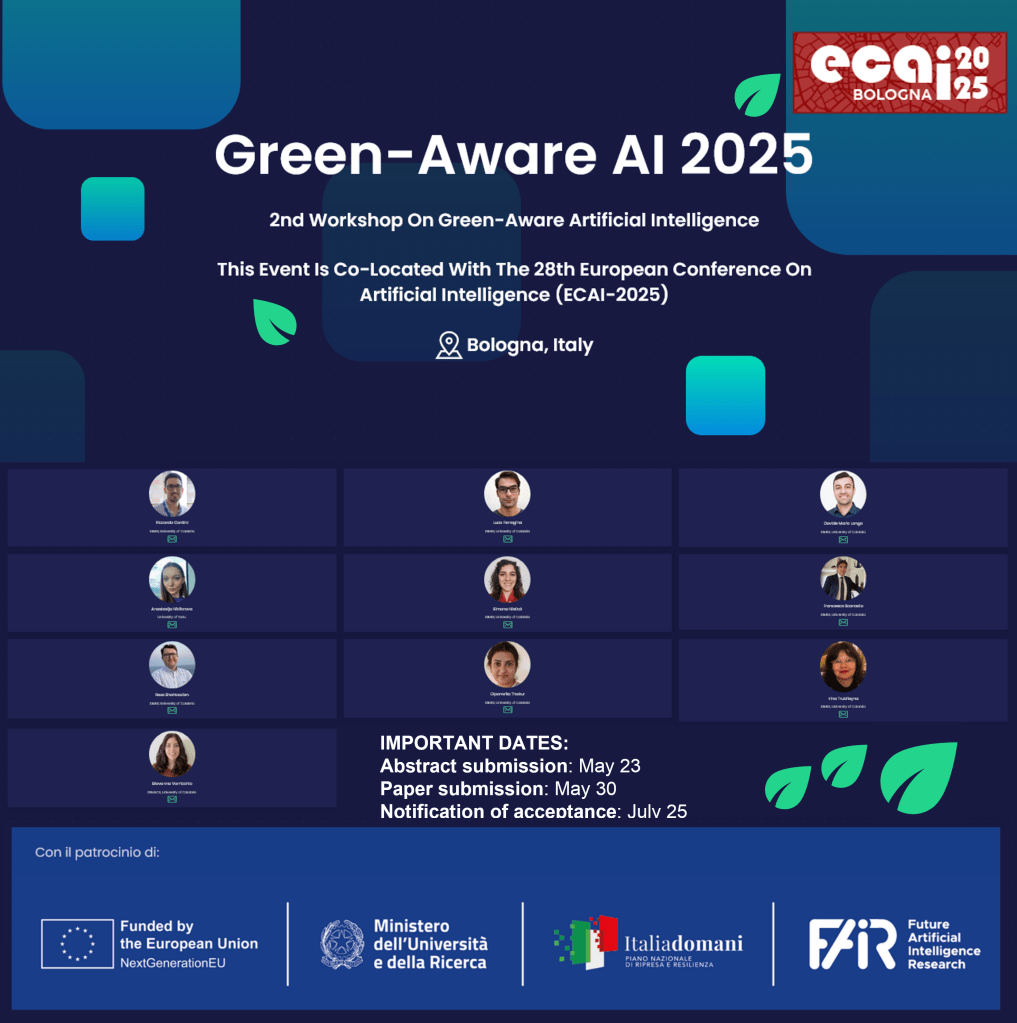
Join us – Riccardo Cantini, Luca Ferragina, Davide Mario Longo, Anastasija Nikiforova, Simona Nisticò, Francesco Scarcello, Reza Shahbazian, Dipanwita Thakur, Irina Trubitsyna, Giovanna Varricchio (University of Calabria & University of Tartu) – at the 2nd Workshop on Green-Aware Artificial Intelligence (Green-Aware AI 2025) to take place conjunction with the 28th European Conference on Artificial Intelligence (ECAI2025) in Bologna, Italy, October 25-30 to examine the sustainability challenges posed by widespread adoption of AI systems, particularly those powered by increasingly complex models, pushing toward responsible AI development and provide a timely response.

The widespread adoption of AI systems, particularly those powered by increasingly complex models, necessitates a critical examination of the sustainability challenges posed by this technological revolution. The call for green awareness in AI extends beyond energy efficiency—it encompasses the integration of sustainability principles into system design, theoretical modeling, and real-world applications.

Green-aware AI requires a multidisciplinary effort to ensure sustainability in its fullest sense, that is, where the green dimension is interpreted broadly, fostering the creation of inherently green-aware AI systems aligned with human-centered values. These systems should uphold sustainability principles such as transparency, accountability, safety, robustness, reliability, non-discrimination, eco-friendliness, interpretability, and fairness—principles reflected in the 17 Sustainable Development Goals (SDGs) defined by the United Nations. The ethical and sustainable advancement of AI systems faces diverse challenges across every stage, including architectural and framework design, algorithm conceptualization, user interaction, data collection, and deployment. This involves designing tools that are inherently green-aware or introducing mechanisms, such as incentives, to encourage agents in AI systems to adopt green-aware behaviors. This principle can be applied across various domains of AI, including but not limited to Algorithm Design, Fairness, Ethics, Game Theory and Economic Paradigms, Machine Learning, Multiagent Systems, and all their applications.

It is worthwhile noting that machine learning systems rank among the most energy-intensive computational applications, significantly impacting the environment through their substantial carbon emissions. Notable examples include the training of large-scale, cutting-edge AI models like those used in ChatGPT and AlphaFold. The creation of such systems demands vast resources, including high-performance computing infrastructure, extensive datasets, and specialized expertise. These requirements create barriers to the democratization of AI, limiting access to large organizations or well-funded entities while excluding smaller businesses, under-resourced institutions, and individuals. The lack of interpretability in AI systems further exacerbates these challenges, raising significant concerns about trustworthiness, accountability, and reliability. Such systems often function as black boxes, making it difficult to understand their underlying decision-making processes. This opaqueness can erode public trust and create barriers to holding developers accountable for harmful outcomes. Additionally, AI systems are prone to biases embedded in their training data and reinforced through user interactions, perpetuating discrimination and unfair treatment, disproportionately affecting marginalized and underrepresented groups.

By addressing these pressing challenges, the workshop aligns with the global push toward responsible AI development and provides a timely response to the environmental and social implications of AI technologies. The primary goal of this workshop is to foster discussions among scholars from diverse disciplines, facilitating the integration of technological advancements with environmental responsibility to drive progress toward a sustainable future. As such Green-Aware AI 2025 invites contributions around the following topics of interest (not limited to thm exclusively though):
💡Green-aware AI frameworks and applications;
💡AI methodologies for energy-efficient computing;
💡Human-centered and ethical AI design;
💡Reliable, transparent, interpretable, and explainable AI;
💡Trustworthy AI for resilient and adaptive systems;
💡Fairness in machine learning models and applications;
💡Impact of AI on underrepresented communities, bias mitigation, and exclusion studies (datasets and benchmarks);
💡Theoretical analysis of energy efficiency in AI systems;
💡Green and sustainable AI applications in environmental and social sciences, healthcare, smart cities, education, finance, and law;
💡Compression techniques and energy-aware training strategies for language models;
💡Approximate computing and efficient on-device learning;
💡Green-oriented models in game theory, economics, and computational social choice;
💡Green-awareness in multi-agent systems;
💡Security and privacy concerns in machine learning models.

Stay tuned about keynotes info on whom to come soon!

📆Important dates:
Abstract submission: May 23
Paper submission: May 30
Notification of acceptance: July 25
Camera-ready: July 31

Join us at Green-Aware AI to help facilitating the integration of technological advancements with environmental responsibility to drive progress toward a sustainable future.

Workshop is supported by the Future AI Research (FAIR), the Italian Ministry of Education, Universities and Research and Italia Domani.
IJCAI2025 Workshop on Democracy and AI (DemocrAI 2025) workshop

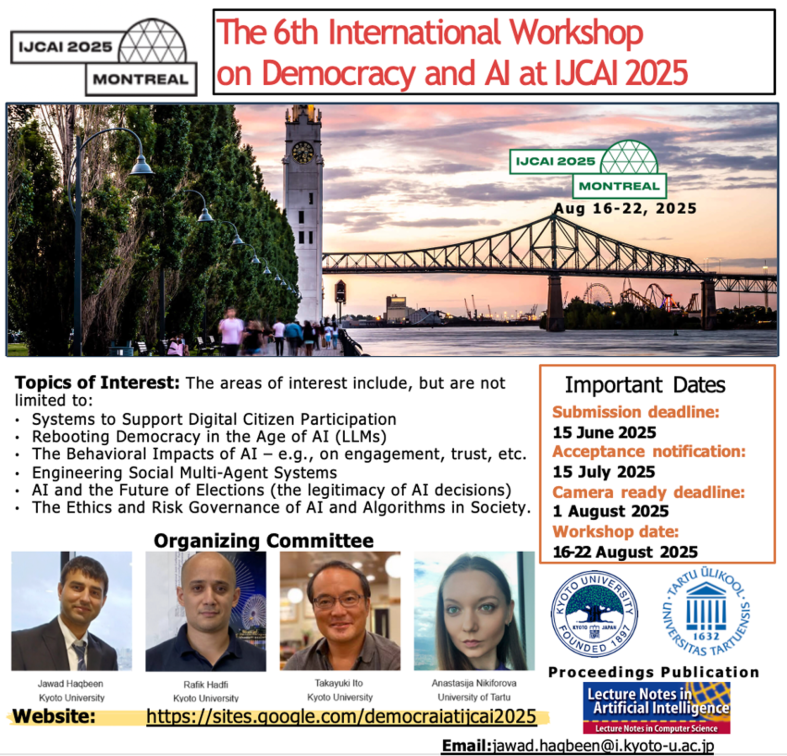
Join us – Jawad Haqbeen, Rafik Hadfi, Takayuki Ito, Anastasija Nikiforova (Kyoto University & University of Tartu) – at the 6th International Workshop on Democracy and AI (DemocrAI 2025) to take place conjunction with the 34th International Joint Conference on Artificial Intelligence (IJCAI 2025) in Montreal (Canada), August 16-22 to examine opportunities and risks associated with AI in democratic contexts.

Recent technical advances in machine learning, natural language processing, and multi-agent systems have greatly expanded the use of artificial intelligence (AI) applications in our daily lives. AI-driven systems are transforming the way we process, monitor, and manage data and services, offering innovative solutions for evidence-based policy planning and decision management. AI offers enormous potential to boost efficiency and improve decision-making by processing large amounts of data. For example, AI-assisted conversational chatbots can help strengthen democratic processes by delivering better public services, customizing services for citizens, facilitating engagement with large groups, connecting their ideas and fostering social participation. However, alongside these benefits, AI may pose risks to individuals, organizations, and society as a whole. One significant concern is that machines lack accountability while generating information and can make decisions that fundamentally affect the lives of ordinary citizens by generating (mis)information. The focus of this workshop will be on both the current and potential uses of AI in society.

This workshop welcomes research on the intersection of AI and democracy, focusing on, but are not limited to:

  • Systems to Support Digital Citizen Participation
  • Tools to Support Decision-Making Process
  • The behavioral impacts of AI – e.g., on civic motivation & engagement, trust, etc.
  • The impact of AI on planning & policy development
  • The role of Societal factors in the implementation of AI
  • Rebooting Democracy in the Age of AI
  • AI and the Future of Wellbeing
  • AI in governance and public participation 
  • AI and the Future of Elections (the legitimacy of algorithmic decisions)
  • The ethics and risk governance of AI and algorithms in society
  • Transparency, Accountability, and Ethical Issues in Artificial Intelligence

Important dates:

  • Paper submission deadline: June 15, 2025
  • Notification of acceptance: July 15, 2025
  • Camera ready submission: August 1, 2025
  • Workshop Date: August 16-22, 2025

Join us at IJCAI 2025 to help shape the future of AI for democratic governance.

HICSS2026 Sustainable and Trustworthy Digital and Data Ecosystems for Societal Transformation mini-track


Are you researching sustainable and trustworthy digital ecosystems? Then, submit your work to our HICSS2026 “Sustainable and Trustworthy Digital and Data Ecosystems for Societal Transformation” mini-track we chair together with Daniel Staegemann and Asif Gill at the Association for Information Systems Hawaii International Conference on System Sciences (HICSS-59)!

In an era where data is the foundation of digital transformation, well-designed and managed sustainable and trustworthy digital and data ecosystems are critical for artificial intelligence (AI), strategic innovation, governance, competitive advantage, and trust in increasingly digital societies. With the rise of new data architectures (e.g., data meshes and data lakehouses), the shift from centralized to decentralized systems, and the integration of AI in data governance and management among others emerging technologies (e.g., blockchain, cloud computing), these ecosystems are becoming more dynamic, interconnected, and complex. However, alongside their potential benefits that is a common focus of the research around these ecosystems, challenges related to trustworthiness, transparency, security, sustainability, and governance must be addressed.

HICSS2026 “Sustainable and Trustworthy Digital and Data Ecosystems for Societal Transformation” mini-track we chair together with Daniel Staegemann and Asif Gill invites research on how digital and data ecosystems evolve in terms of resilience, trustworthiness, and sustainability while enabling strategic innovation and societal transformation. We welcome studies that explore the interplay between AI, data governance, policies, methodologies, human factors, and digital transformation across sectors such as finance, government, healthcare, and education.
We seek theoretical, empirical, design science, case study, and interdisciplinary contributions on topics including, but not limited to:

  1. AI, trustworthiness, and governance in digital and data ecosystems:
    • AI as an actor and stakeholder in data ecosystems;
    • AI-augmented governance, security, and data quality management;
    • human factors in AI-integrated ecosystems (trust, user acceptance, participation);
    • interoperability, observability, and data linking across ecosystems;
  2. Emerging technologies and strategic innovation:
    • transition from centralized to decentralized data architectures (e.g., data lakehouses, data meshes);
    • emerging technologies for trustworthy ecosystems;
    • AI-driven business process augmentation and decision-making;
    • industry and government case studies on evolving data ecosystems;
  3. Resilience and sustainability of data ecosystems:
    • ethical AI and responsible innovation in data ecosystems;
    • sustainability and long-term governance of digital and data infrastructures;
    • cross-sectoral and interdisciplinary approaches for building sustainable ecosystems;
    • impact of data democratization on digital transformation and innovation.

By combining the strengths of strategic innovation, trustworthy AI, and data ecosystem governance, this track expects to offer a holistic perspective at the intersection of information systems, AI governance, data science, and digital transformation. It will serve as a platform for researchers and practitioners to explore how digital and data ecosystems can be sustainable, resilient, and trustworthy while driving innovation and societal transformation.

We welcome conceptual, empirical, design science, case study, and theoretical papers from fields such as information systems, computer science, data science, management and process science, policy-making, behavioral economics, and social sciences.

This mini-track is part of HICSS59 “Organizational Systems and Technology” track (chairs: Hugh Watson and Dorothy Leidner) and more information about it can be found here.

EGOV2025 – IFIP EGOV-CeDEM-EPART 2025 & our Emerging Issues and Innovations Track

Are you focusing on new topics emerging in the field of ICT and public sector, incl. public-private ecosystems? Then it is time to start preparing your submission for EGOV2025 – IFIP EGOV-CeDEM-EPART Emerging Issues and Innovations Track, which this time we chair in the updated form, welcoming A. Paula Rodriguez Müller on the board with us – Francesco Mureddu (The Lisbon Council, Belgium)and myself – Anastasija Nikiforova (Tartu University, Estonia)).

EGOV2025 – IFIP EGOV-CeDEM-EPART is one of the most recognized conference in e-Government, ICT and public administration and related topics, which this year will be hosted in Belgium, in the heart of Europe, by University for Continuing Education Krems, Austria. This year, IFIP EGOV 2025 is dedicated to the broader areas of e-Government and e-Democracy, which include facets like Digital Government, e-Participation, Open Government,  Smart Government, AI government, GovTech, Algoritmic Governance, and related topics to digitalization and government.

Innovation and application of emerging technologies are now more and more in the thinking of governments at all levels. While it would be easy to consider the public sector as being less flexible or slow in adoption, presentations at recent EGOV conferences proved that one should not come to such a conclusion too easily. Upcoming technologies, innovative organizational solutions, or new avenues of public sector involvement in the public sector are becoming more commonplace along with the potential challenges and issues these bring. Policymakers and public sector officials are now expected to embrace change, consider digital transformation, or improve governance practices. At the same time, public sector researchers are also influenced by new views, methods, tools, and techniques. The goal of this track is to provide a platform for the discussion of new ideas, issues, problems, and solutions entering the public sphere. Ideas that are emerging but might not fit other conference tracks are also welcome. Focus may include, but are not limited to:

  • Looking ahead into social innovation;
  • Future studies, the future of government, policy-making and democracy;
  • The future of digital governance;
  • Public values in transforming the government;
  • The role of government in smart cities (incl. smart sustainable cities) and sustainable living;
  • The role of the public sector in Human-Centered Society (Society 5.0);
  • New trends in public sector research such as Metaverse, Cityverse, Large Language Models (LLMs), generative AI and its implementations such as chatGPT, Claude, ChatSonic, Poe – benefits, risks, adoption and resistance to its adoption by the public sector and citizens;
  • Government in the Virtual Worlds and Web 4.0;
  • Decentralized Autonomous Organizations (DAOs), smart contracts and blockchain;
  • New technologies for automated decision-making and their policy implications;
  • Public sector use and regulation of AI, genAI, Industry 4.0, Industry 5.0, and the Internet of Things (IoT);
  • Digital Humanism (responsible and ethical integration of technology into society, ensuring that human values and dignity are prioritized in the development and use of digital tools and innovations);
  • The role of the public sector in competitiveness and tech sovereignty;
  • Global challenges that go beyond nation states (such as migration, climate change etc.) and which require international collaboration of individual governments;
  • Preparing for the policy challenges of future technologies;
  • Regulating misinformation;
  • Digital transformation in public sector contexts;
  • Self-Service Structures for Inclusion;
  • Public-private sector collaboration and integration;
  • GovTech initiatives and innovations;
  • Latest trends in co-creation and service delivery;
  • Online public community building;
  • Upcoming issues of eVoting / internet voting including application of digital signatures in the public sector;
  • Discussion of new research methods that have not been applied in this context;
  • Application of role theory in the analysis of public sector functions and processes;
  • Forward looking insights from case studies – let it be successful or failed experiments.
  • Utilization of digital billboards;
  • Public sector use and regulation of Fintech innovations;
  • Theoretical and practical approaches to experimentation and sandboxing in the public sector.Future studies, the future of government, policy-making and democracy

Stay tuned, more info to come!

Wrapping up 2024!🍾🥂🎇

It is already a good tradition at the end of the year to take a moment and wrap up the year, thus reminding myself of what was actually done, thus explaining to myself that maybe I am not as lazy as I think. However, in this post I would like to rather thank those colleagues who were with me in this. As such, let me very briefly summarize what happened (or rather with whom) and what to come in the first months of next year with the later to be spotlighted by me early next year accordingly.

This year I had the opportunity to share my experience, but more importantly, learn from others by participating in panels or plenary sessions, some of which stood out as generating some of the liveliest discussions during and after the events:

  • “Citizen urban data and smart metropolis monitoring” together with Jaewon Peter Chun (President of World Smart Cities Forum), Redouane El Haloui (President of APEBI Fédération des technologies d’information de télécommunication et de l’offshoring), Mahdi Barouni (The World Bank), Khouloud Abejja (Digital Transformation Director, Agence de Développement du Digital-ADD), Youssef El Maddarsi (CEO Naoris Consulting) that held as part of a Casablanca Smart City event (read a bit more here);
  • panel on Trust in AI together with Nicolas Cruz B., Korbinian Bösl, and Anamika Chatterjee as part of the Digital Life Norway conference oganized by Centre for Digital Life Norway (Norwegian University of Science and Technology (NTNU)), with my big thanks to Elisabeth Hyldbakk, Ingrid Shields, Kam Sripada, and many more colleagues for hospitality;
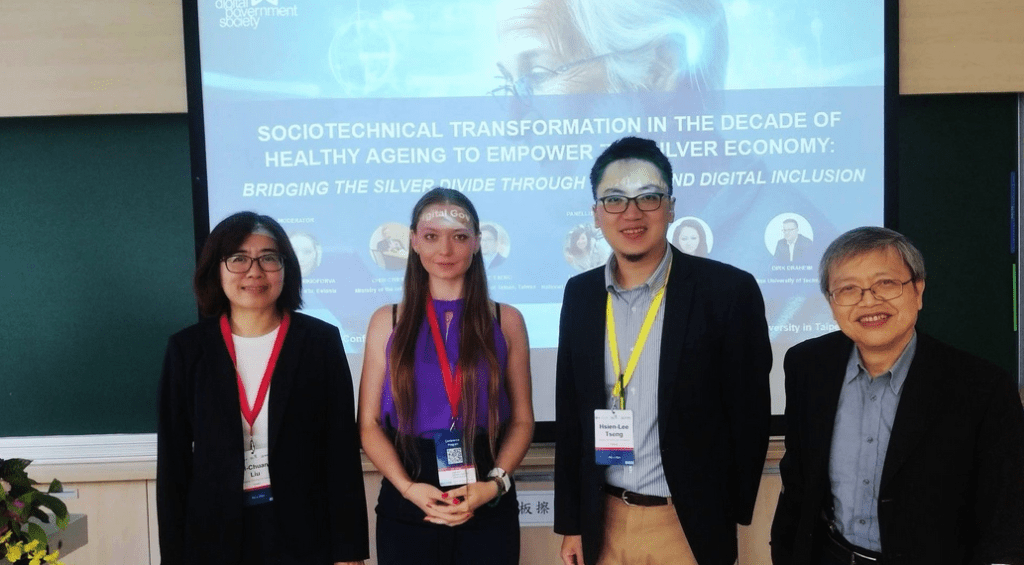
  • “Sociotechnical Transformation in the Decade of Healthy Ageing to empower the Silver Economy: Bridging the Silver Divide through Social and Digital Inclusion” with Hsien-Lee Tseng, Chin-Chien Jao, Azmat Butt, Dirk Draheim, Li-chuan Liu as part of 25th Annual International Conference on Digital Government Research (dg.o 2024) (read a bit more here)

To continue on discussions around research that I truly enjoyed, several conferences or tracks to which I served as one of organizers to be highlighted with credits to go to my colleagues, namely:

Selected papers from DGO2024 and EGOV2024 were invited to the “Towards sustainable public and open data ecosystems” Special Section with Information Polity, which we successfully a few weeks ago with the very last preparations before we can announce its final version – big thanks to both co-editors – Anthony, Pedro, and Anneke, as well as Albert Meijer, Kim Willems, William Webster, who supported us in the process, and the authors – Mohsan Ali, Georgios Papageorgiou, Abdul Aziz, Euripidis Loukis, Yannis Charalabidis, Charalampos Alexopoulos, and Francisco Javier López Pellicer, Alejandra Vargas, Rikke Magnussen, Birger Larsen, and Ingrid Mulder and Hsien-Lee Tseng. Stay tuned for the information about this Section!

Together with Jérôme Chenal, Stéphane C. K. Tekouabou and El Arbi Allaoui Abdellaoui we almost finalized our “Emerging Data- and Policy-driven Approaches for African Cities Challenges” Special Issue with Cambridge Press Data & Policy journal – again, stay tuned!

While the two above are those we are ready with, there is another very special issue we have together with Asif Gill, Ina Sebastian, Martin Lněnička and Anushri Gupta and tremendous assistance of Katina Michael – Special Issue “Trustworthy Data Ecosystems for Digital Societies” with IEEE Transactions on Technology and Society (read a bit more here) and we look forward your submission by 30 June 2025 very much!

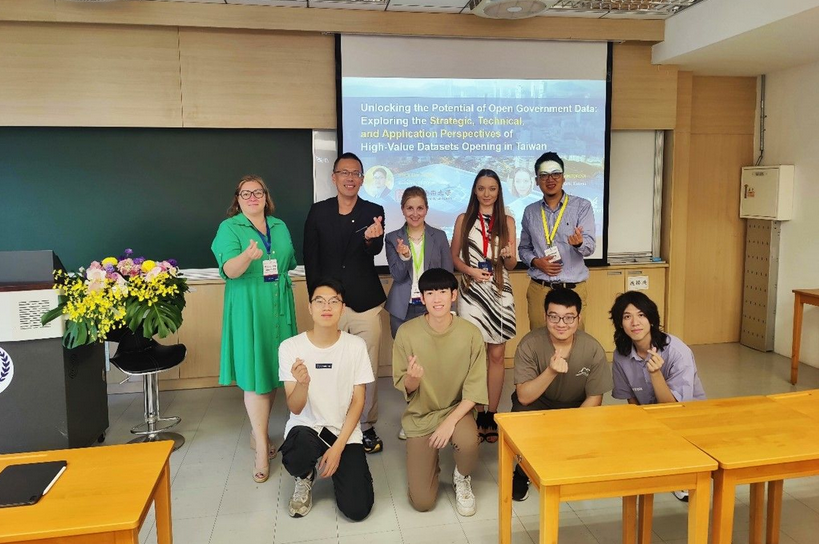
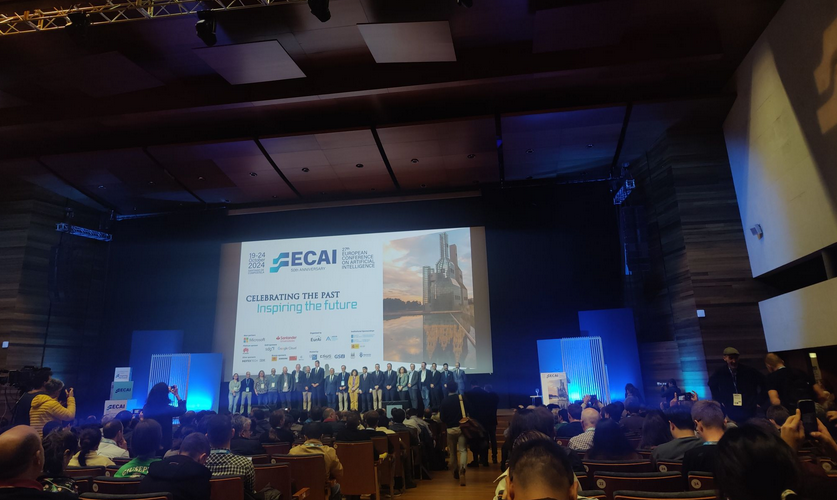
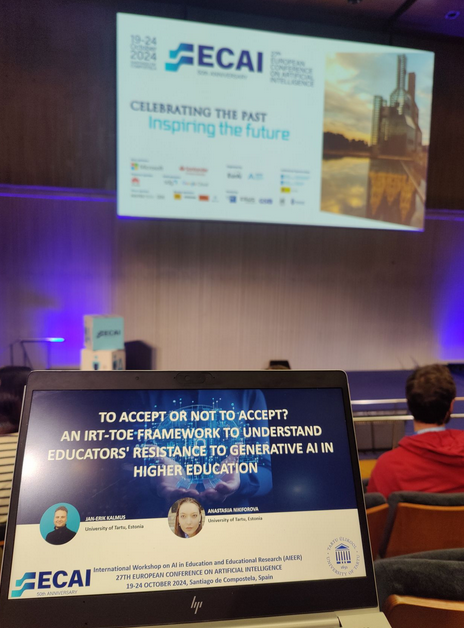
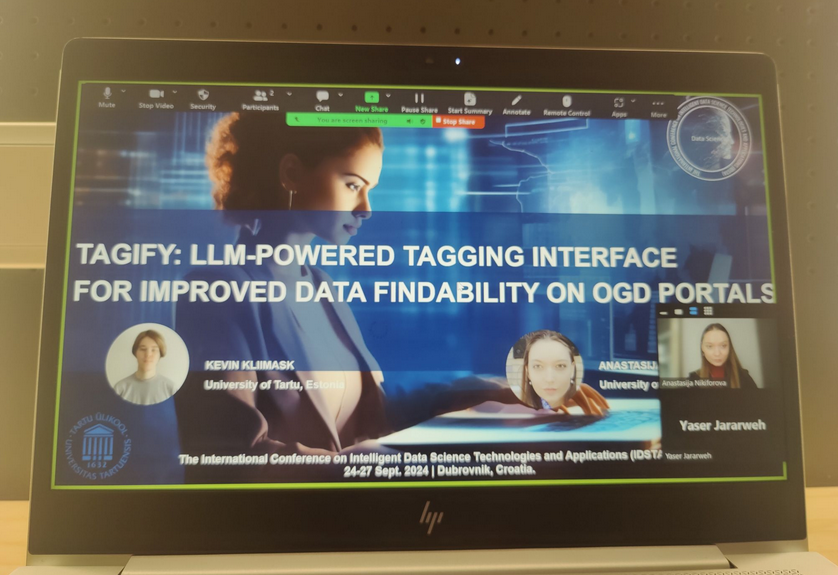
And of course, several conferences where I shared my own research, gathering feedback and inspiration for future research, with brightest moments coming from The 25th Annual International Conference on Digital Government Research (DGO2024) (read a bit more here), and big thanks to my personal host Hsien-Lee Tseng, EGOV2024 and my special hosts Cesar Casiano Flores & Caterina Santoro, 27th European Conference on Artificial Intelligence (ECAI 2024) (read a bit more here), International Conference on Information Systems (ICIS2024) (a bit more here), and several more, where I was fortunate this year to not only present my own research but also introduce my students to the community. Some of these conference papers have already expanded into journal papers, with some exciting news to share early next year!

I am also very grateful to my colleagues for their invitations to join the International Journal of Information Management (IJIM, Elsevier) and Government Information Quarterly (GIQ) Editorial Boards, Communication Committee at Digital Government Society (and one of its Chapter on which I will post later, similar to several other recent updates), and European Open Science Cloud (EOSC) FAIR Metrics and Digital Objects task force, which is rather continuation of the TF I participated in the past (“FAIR Metrics and Data Quality”).

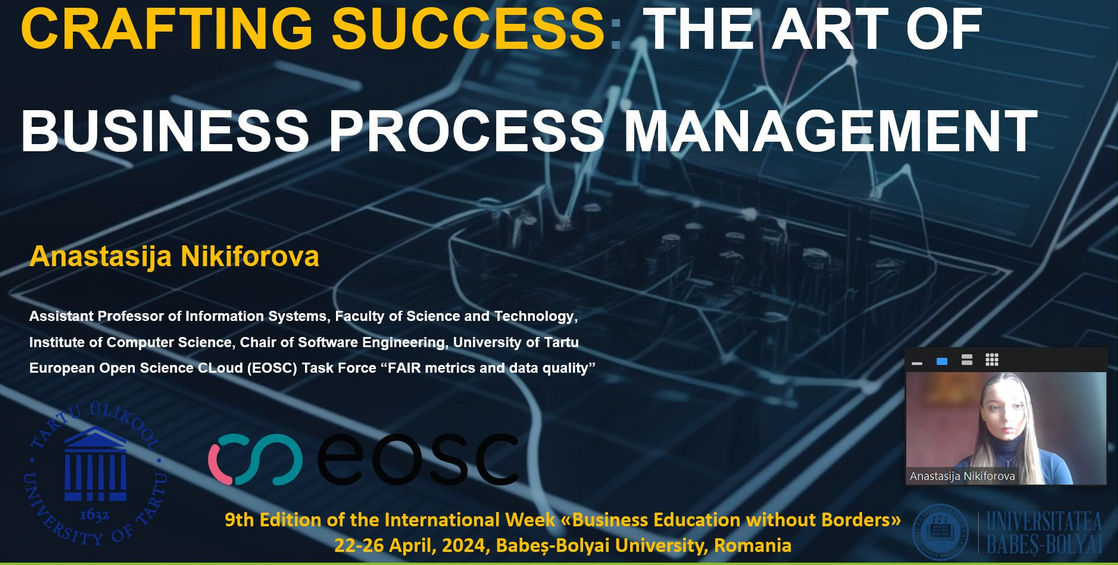
On a slightly different note, similar to previous years, I continued delivering some courses and lectures to other universities, such as:

I am also grateful for several recognitions I have received this year (e.g., being named the best reviewer for a journal, or called to be the top 2% of scientists“ for the second year in a row (Stanford Elsevier Top Scientists List) and top 0.5% of all scholars worldwide (0.2% in Government specialty) by SholarGPS), but probably the proudest moment for every academic is the success of our students, and as such, I want to especially mention Kevin Kliimask, whose thesis recognized by the Ministry of Economic Affairs and Communications of Estonia at the annual Open Data Forum (Avaandmete foorum) as the best thesis of the year 🏆 🥇 🏅 (read a bit more here).

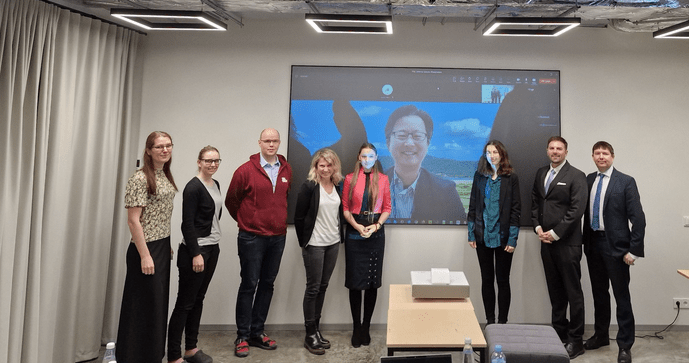
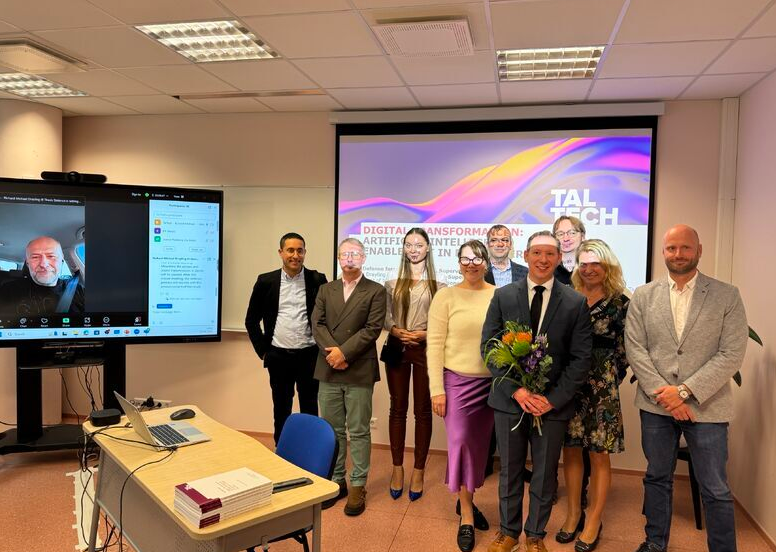
I also want to acknowledge achievements of others – this year I witnessed 3 PhD defenses and would like to congratulate Eric Jackson, Richard Dreiling and Lisa Miasayedava again, especially for such insightful discussions – I know I am quite a tough person to have in the committee (esp. as opponent – sorry Liza and Eric), but you all did a great job and I really enjoyed our discussions!

And I will skip the part about published conference and journal papers, as well as submitted project proposals and those currently in development.  Instead, some disclaimer about what is to come, with some posting at later point:

  • in the very first weeks of January, meet my very good colleagues– Anthony and Nicolas – at HICSS presenting our paper “Artificial Intelligence as a Catalyzer for Open Government Data Ecosystems: A Typological Theory Approach”, which has been already spotlighted several times, including by The Living Library, whose main goal is to identify the “signal in the noise”
  • keep an eye open for several conferences for which together with colleagues of mine we organize (mini-) tracks, with probably the most important for me at the moment:
  • AMCIS mini-track Sustainable Digital and Data Ecosystems – Navigating the Age of AI;
  • DGO2025 – “Sustainable Public and Open Data Ecosystems for Inclusive and Innovative Digital Government” track we continue with Anthony Simonofski, Anneke Zuiderwijk;
  • EGOV2025 – Emerging Issues and Innovations Track – we continue in the updated form welcoming Paula Rodriguez Muller who will be joining me and Francesco Murredu!
  • And for Data for Policy CIC, we will slightly change the role we played the last year, and together with Sarah Giest, Bram Klievnik Iryna Susha, Florin Coman Kund, Leid Zejnilovic Laura, we are very excited to invite you to the Data for Policy CIC 2025 Conference (Leiden University, The Hague, Netherlands 🇳🇱) for which we serve as Regional Conference Committee
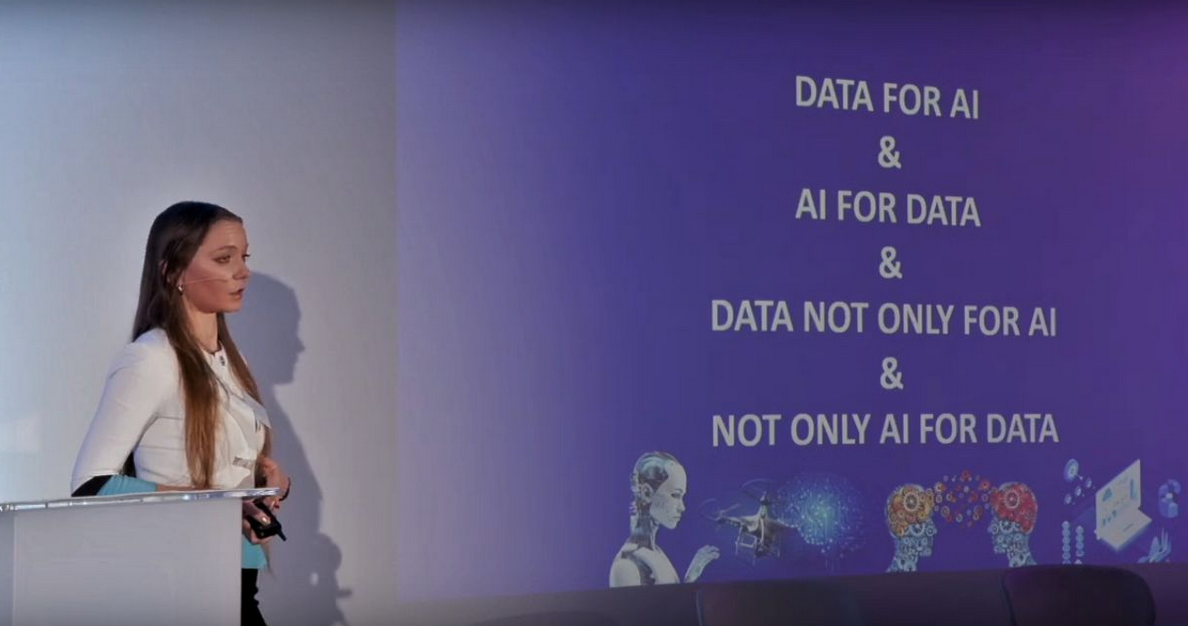
  • Finally, do meet me at European Open Data Days 2025 in March to discuss recent (and future) advances in the world of open data with me sharing insights on how Artificial Intelligence can serve as a catalyst for transforming public and open data ecosystems, exploring the various AI roles at data, portal and ecosystem levels driving innovation, enhancing governance, and boosting citizen engagement;
  • and meet me as a keynote for the International Conference on Innovative Approaches and Applications for Sustainable Development (I2ASD) in April with more details to come!

This is rather a very short list of the events and people I wanted to emphasize, and my apologizes if I missed someone (and I definitely missed). All in all, it was a busy and eventful year,  – really grateful for all the opportunities it brought to me and lessons (both positive and negative, rather willing to have positive ones only though) and people I met. I really hope that the next year will be even better. And in this regard, I wish us all a peaceful, joyful and productive year!

Thank 2024 and bye! Welcome 2025! Happy 2025!