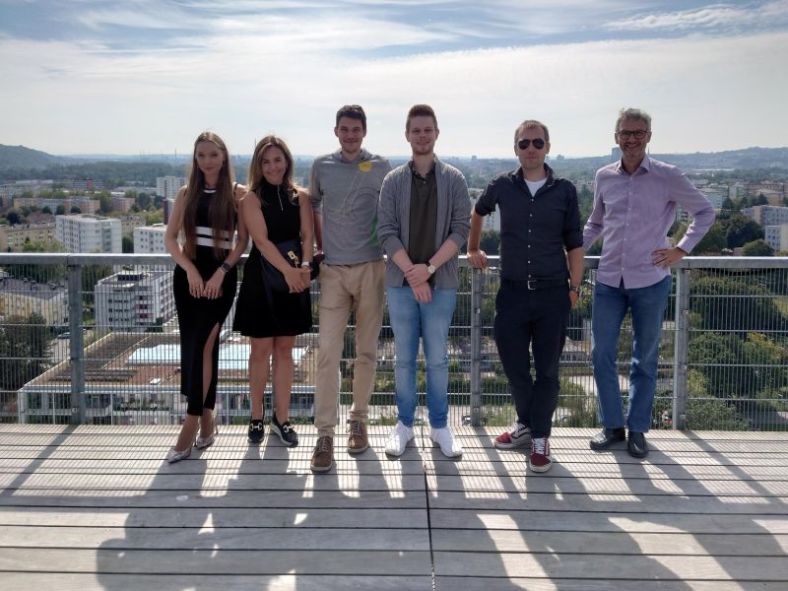
September brought a truly inspiring and intense sequence of events: the EGOV 2025 from Doctoral Colloquium to Junior Faculty School, and the main IFIP EGOV 2025 conference in Krems, followed by a research stay at Johannes Kepler University Linz. Five days of discussion, mentoring, presenting, and connecting in Krems with several more in Linz where the intensive research stay was enriched by a memorable dive into the Ars Electronica Festival and its conversations on technology, fear, and democratic futures.
What follows is a reflection on an academically dense but deeply rewarding journey across two Austrian cities.
EGOV2025: Doctoral Colloquium & Junior Faculty School
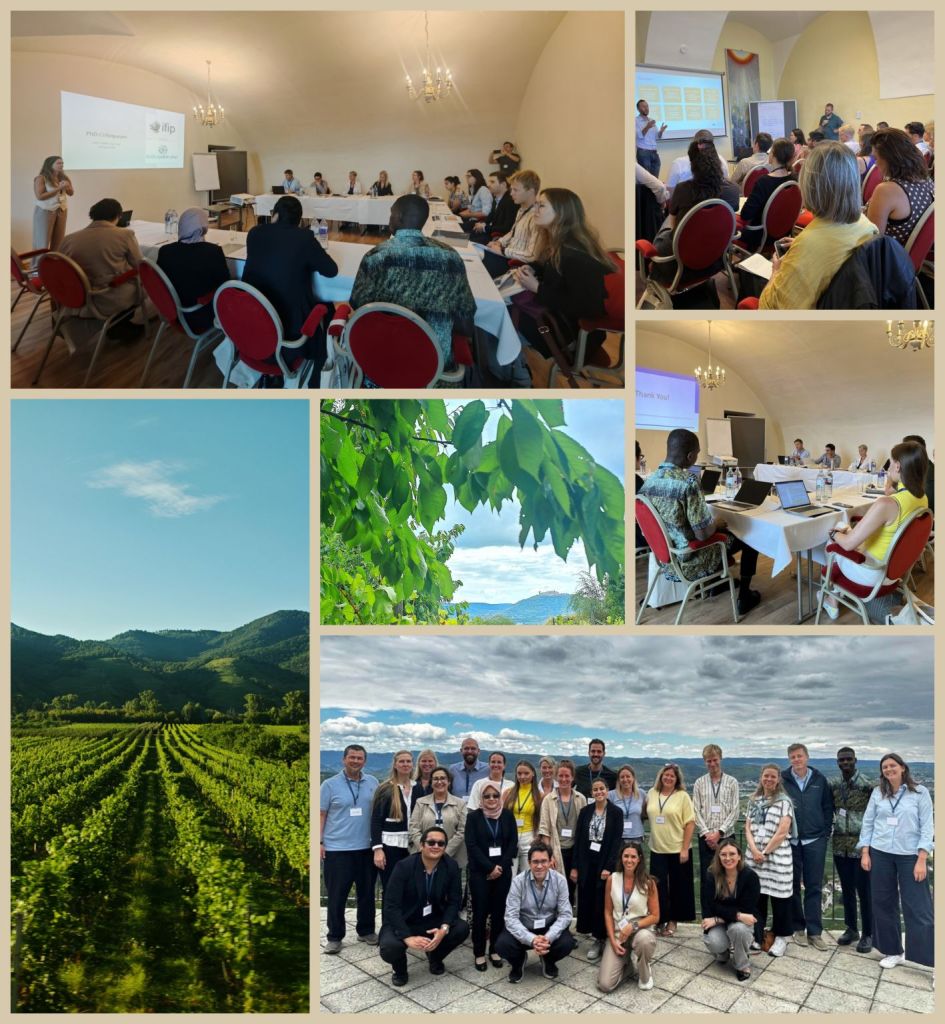
We began in the breathtaking setting of Göttweig Abbey with the EGOV 2025 Doctoral Colloquium, where 13 PhD students presented their research, shared challenges of the doctoral journey, and engaged in open discussions with mentors.
The following day, the Junior Faculty School expanded these conversations to early career researchers (up to five years post-PhD). Together with a wonderfully engaged group, we explored questions about career trajectories, researcher identity, publishing strategies, gender inequalities in academia, and the importance of being in a workplace that supports—not drains—well-being.
A recurring theme across both days was impact. We examined it from multiple perspectives:
- during the Colloquium’s mentor panel
- in Tomasz Janowski’s keynote
- through the “from research to policy” workshop by Paula Rodriguez Müller, Sven Schade, and Luca Tangi
- in the panel on publishing in top journals with Panos Panagiotopoulos and Manuel Pedro Rodríguez Bolívar
- and in roundtable discussions on career development
Sincere thanks to the organizers—Gabriela Viale Pereira, Ida Lindgren, Lieselot Danneels, J. Ramon Gil-Garcia, and Michael Koddebusch—for making these events equally enriching for participants and mentors.
EGOV 2025 conference
With the main conference underway, we launched the Emerging Technologies and Innovations track, which I co-chaired with Francesco Mureddu and Paula Rodriguez Müller. This year, we welcomed Paula (European Commission JRC) to the team and continued pushing the track beyond academic silos, aiming to strengthen the bridge between research, policy, and practice.
We were delighted to see a record number of submissions—double compared to last year. A growing Information Systems community joined us, fulfilling the long-term ambition that Marijn Janssen and I have shared for the track.
Across three sessions, we explored topics that shape the future of governance:
- the potential of generative AI and LLMs for administrative literacy and public sector transformation
- trust frameworks and platform governance
- GovTech incubators and the gap between prototypes and long-term implementation
- self-assessment tools for climate adaptation
- digital transformation patterns in smart city strategies
These studies together illustrated how emerging technologies and governance innovation are reshaping public institutions.
A special highlight was the Best Paper Award in the category “Most Innovative Research Contribution or Case Study”, received by Lukas Daßler for “GovTech Incubators: Bridging the Gap Between Prototypes and Long-Term Implementation” (co-authored with Andreas Hein and Helmut Krcmar). Congratulations once again!

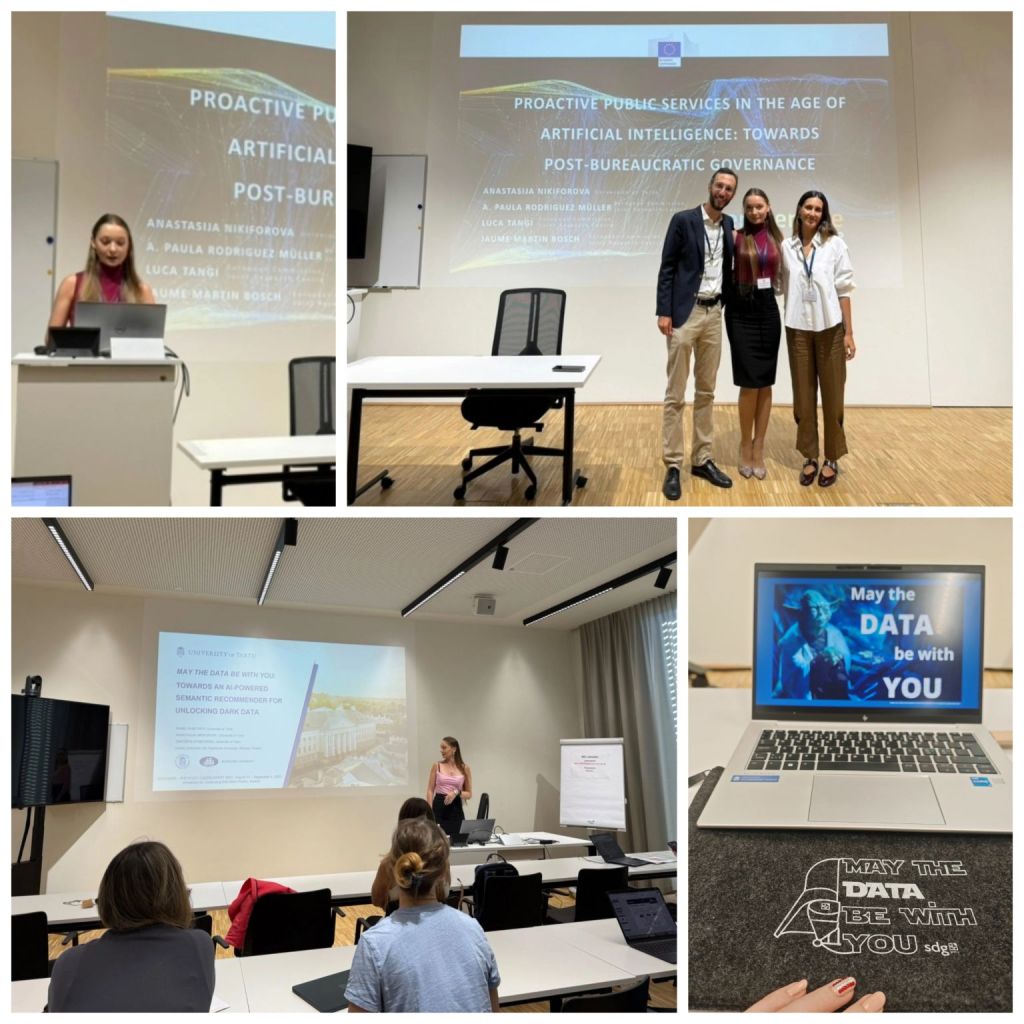
I was happy to present two papers at the conference:
- “Proactive Public Services in the Age of Artificial Intelligence: Towards Post-Bureaucratic Governance” with Paula Rodriguez Müller, Luca Tangi, and Jaume Martin Bosch – the first (or “step 0”) output of our ongoing research on AI-enabled proactive service provision.
- “May the Data Be with You: Towards an AI-Powered Semantic Recommender for Unlocking Dark Data” based on the master thesis of my former student, now at Microsoft, Ramil Huseynov; co-authored with Dimitris Simeonidis and David Duenas-Cid – a project that combines technical exploration with a generous dose of nerdiness and fun.
Research Visit to Linz
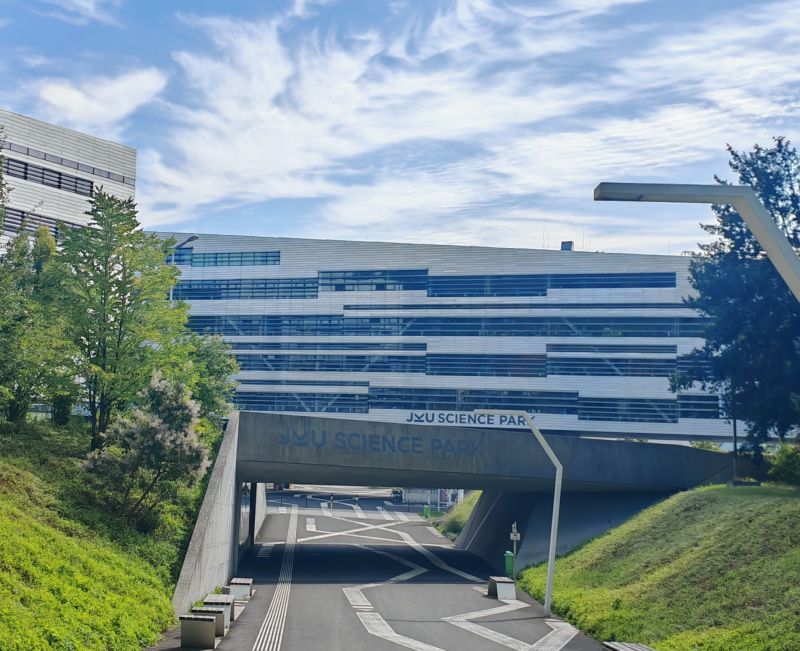
Right after EGOV, I travelled to JKU Linz, hosted by Christoph Schuetz at the Institute of Business Informatics – Data & Knowledge Engineering. During the visit, I delivered an invited talk titled “Responsible Data Ecosystems: From Data Governance to AI Adoption.”
We discussed how to establish trustworthy, effective data practices while responsibly integrating AI, and explored opportunities for future collaboration.
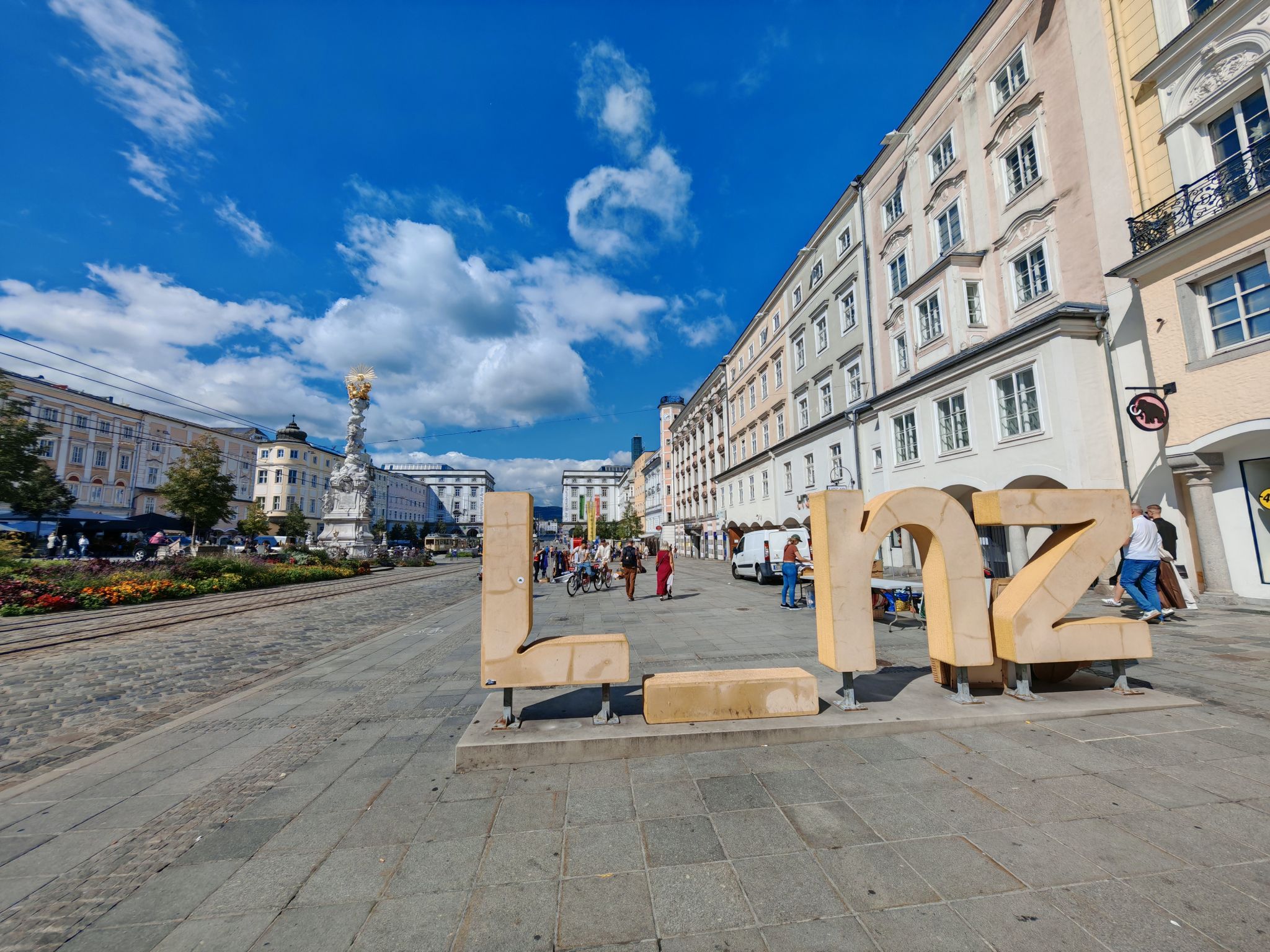
Beyond the academic exchange, Linz offered its own inspiration: diverse, vibrant, and beautifully intertwined with nature and art such as..
Ars Electronica 2025: Panic – Yes/No?
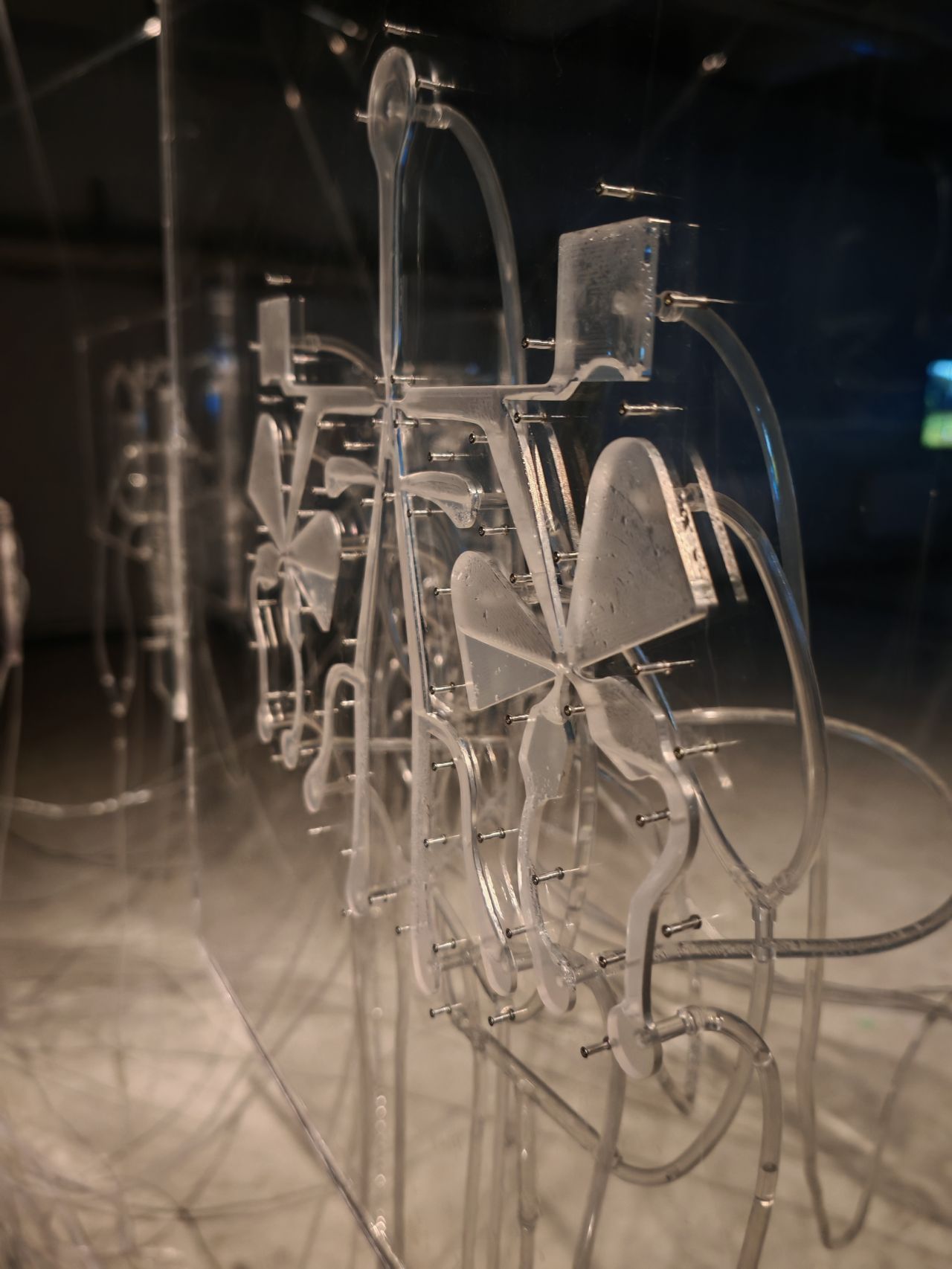
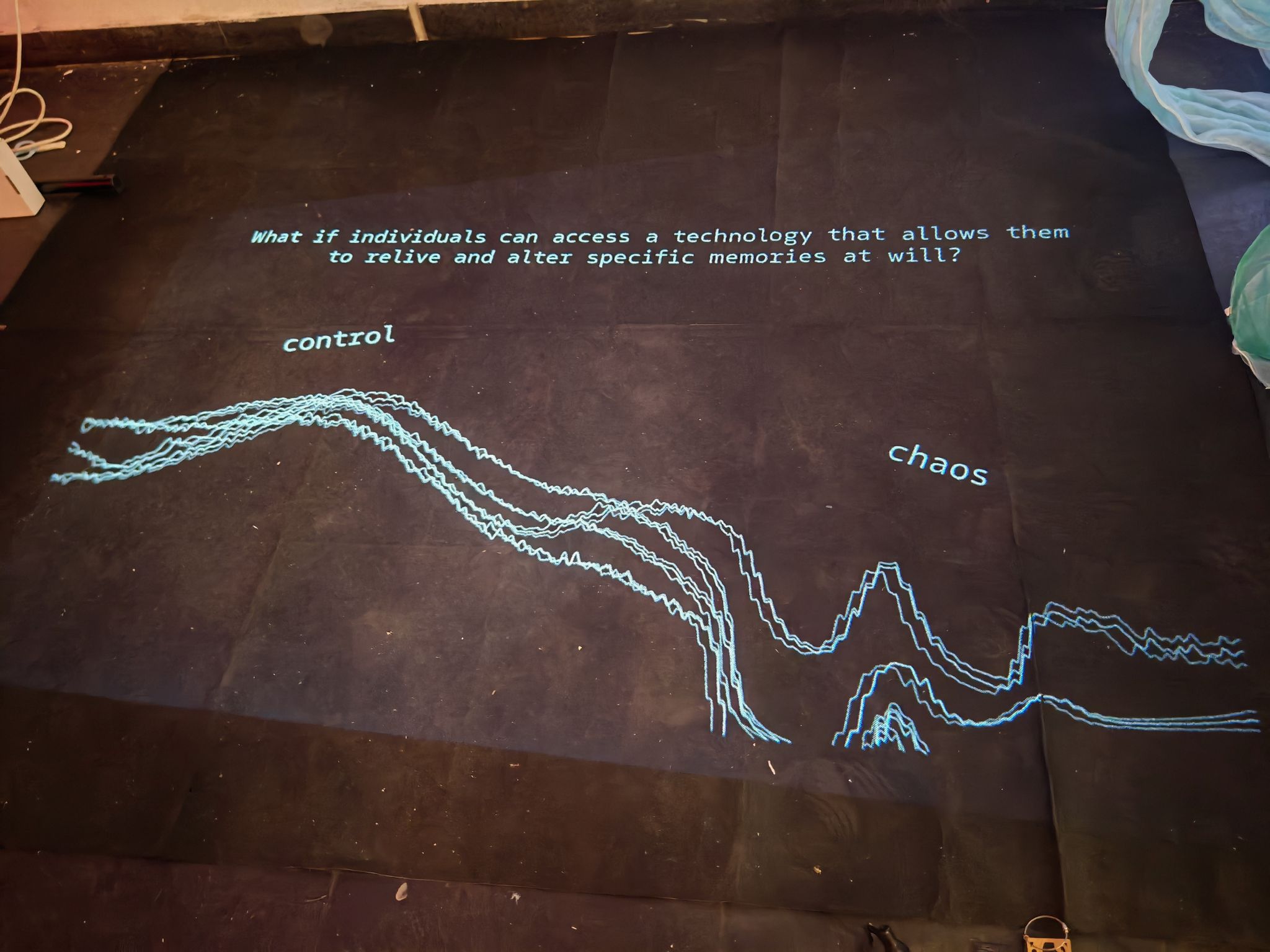
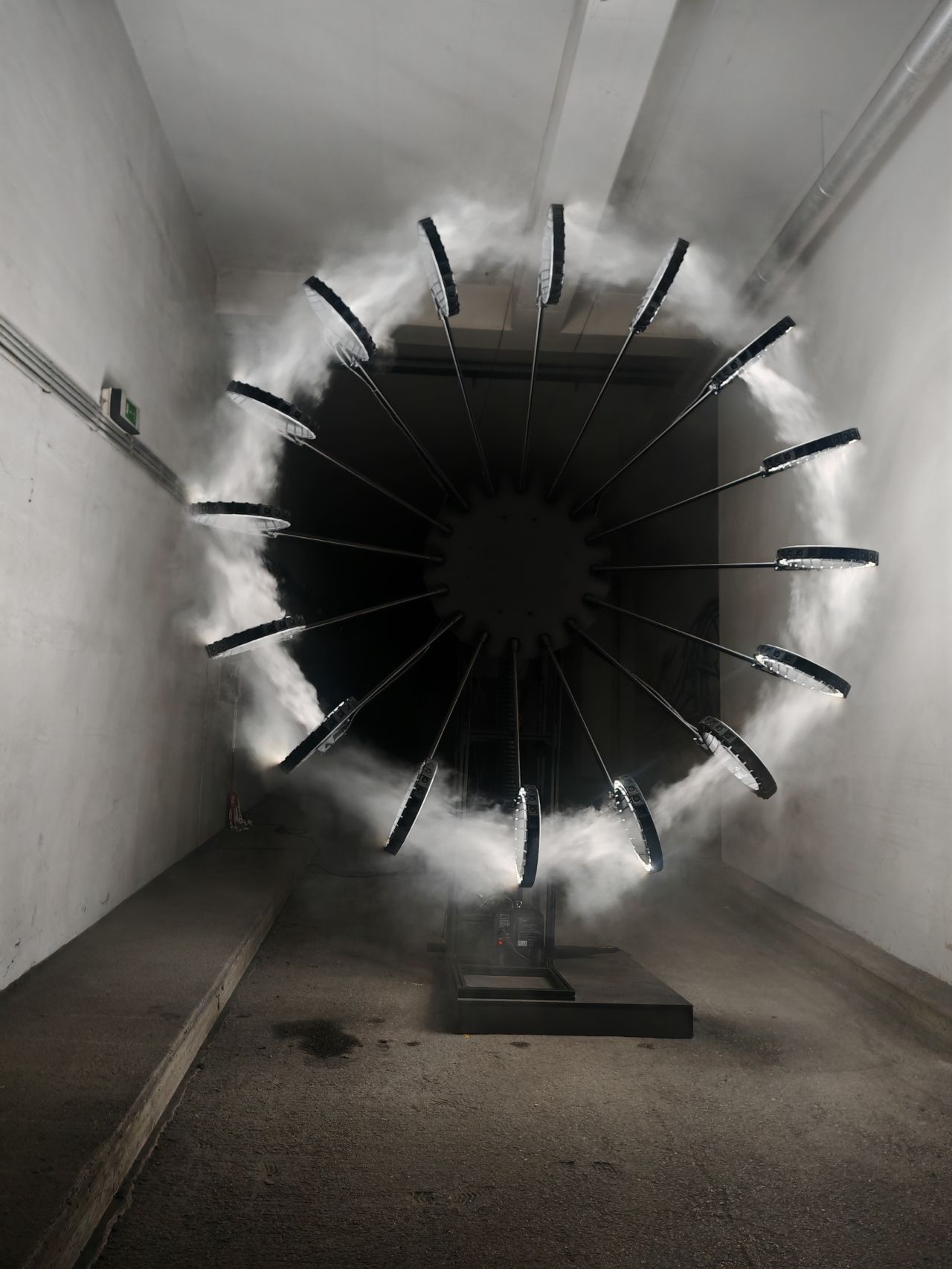
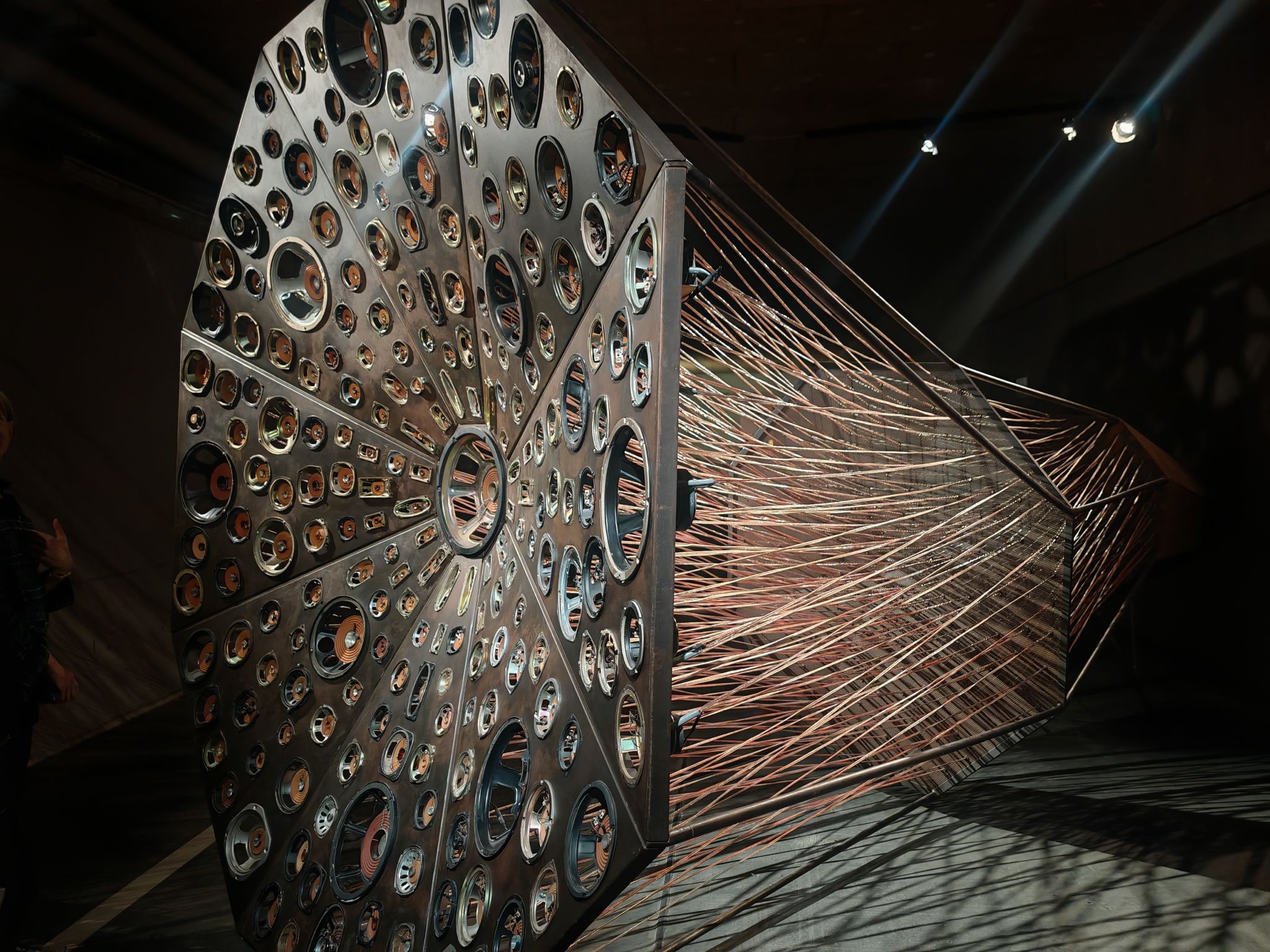
One of the standout experiences was the Ars Electronica Festival, which this year examined the theme “Panic – Yes/No?”. The exhibitions brought together over 1,400 contributors—artists, scientists, developers, entrepreneurs, and activists—questioning our collective sense of alarm and exploring whether “collective panic” is a rational response or a product of sensationalism.
AI and its societal implications stood at the heart of many installations: Who designs these systems? For whom? According to which values? These questions resonate strongly with the core of my own research and offered a refreshing, interdisciplinary lens on technology and democratic futures.







From mentoring early-stage researchers and running a dynamic track, to presenting new work, reconnecting with colleagues, expanding the Information Systems presence within EGOV, and diving into Linz’s research and cultural landscape—it was an intense but profoundly rewarding start of the semester. Weeks like these is a food reminder of why mentoring, connecting, and building research communities matter so much—and why an early Sunday alarm can indeed be worth it.

 Anastasija Nikiforova, PhD