Guest Lecture for the Federal University of Technology – Paraná (UTFPR) on Open Data Ecosystems in and for sustainable development of data-driven smart cities and Society 5.0

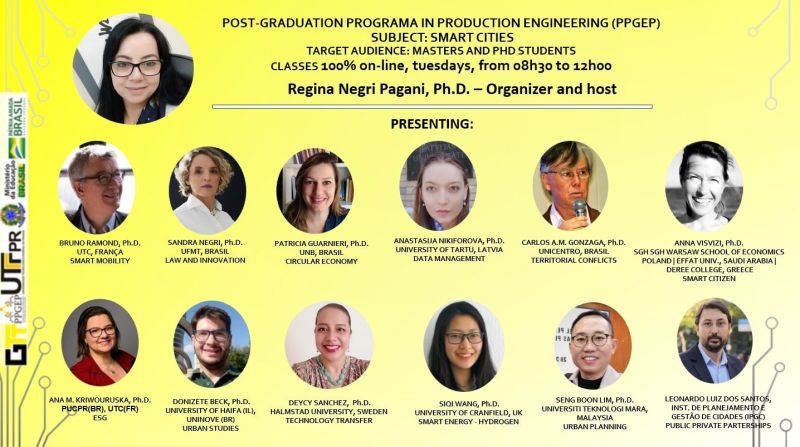
Today (May 16, 2023), I had a pleasure to deliver one more guest lecture for master and doctoral students of the Federal University of Technology – Paraná (Universidade Tecnológica Federal do Paraná (UTFPR)) as part of Smart Cities course delivered by prof. Regina Negri Pagani. This time the topic of my lecture was “Open Data Ecosystems in and for sustainable development of data-driven smart cities and Society 5.0”.

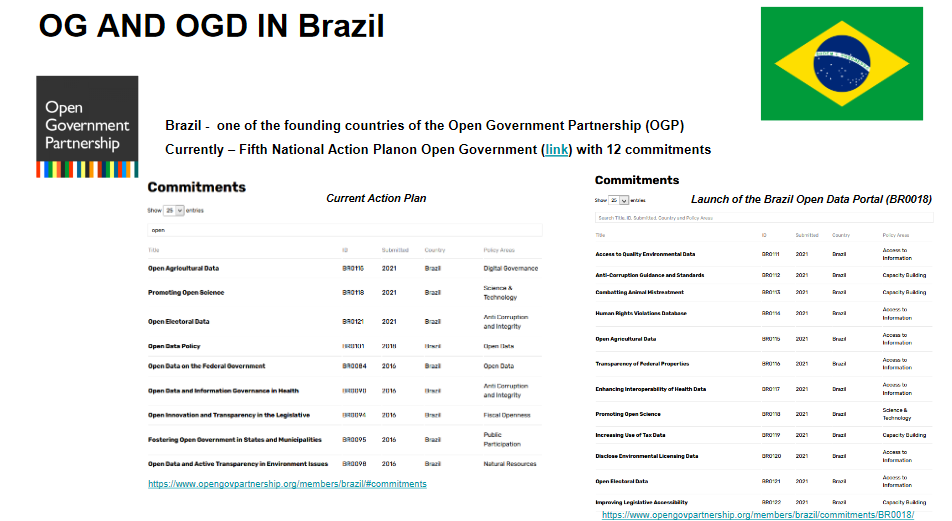
As part of this lecture we talked about open data and open government data (OGD) phenomena and how they evolved over years, what the open data ecosystem is and what constitutes it. I then tried to put it in the context of Brazil reflecting on the current state-of-the-art of open government and OGD in Brazil and its cities referring to both Open Government Partnership (Brazil was one of the the founding countries of OGP), existing OGD, transparency and central bank portals, studies that explored effects of predictors of citizens’ attitudes and intention to use OGD (*by de Souza, Ariel Antônio Conceição, Marcia Juliana d’Angelo, and Raimundo Nonato Lima Filho), factors influencing civil servant’s intention to disclose data (**by Fernando Kleiman, Sylvia J.T. Jansen, Sebastiaan Meijer, Marijn Janssen), as well as the relationship between transparency and open data initiatives in five Brazilian cities (identifying that they are not related for these five cities) (***by Araújo, Ana Carolina, Lucas Reis, and Rafael Cardoso Sampaio)

Then, presenting the concepts of Smart Cities and their “generations”, Sustainable Cities and Sustainable Smart Cities, as well as Society 5.0 (aka Super Smart Society and Society of imagination), I highlighted the overlaps and interweavings of the above and how the development of one contributes to the other, i.e. how interrelated they are and how complex this large ecosystem is.

And then, the remaining part of the lecture was focused around the topic of open data ecosystems starting with the current state of the art around the topic, i.e. different and similar definitions, components, characteristics etc., and finally the study we conducted some time ago with my colleagues from Czech Republic, Poland, Finland, Germany and Latvia, namely “Transparency of open data ecosystems in smart cities: Definition and assessment of the maturity of transparency in 22 smart cities“**** published in . Sustainable Cities and Society (Elsevier), in which we:

  • developed a benchmarking framework to assess the level of transparency of open data ecosystems in smart cities consisting of 36 features by adapting transparency-by-design framework for open data portals (*****by Lněnička and Nikiforova, 2021);
  • investigated smart city data portals’ compliance with the transparency requirements, where the developed framework has been applied to 34 portals representing 22 smart cities, allowing determination of the level of transparency maturity at general, individual, and group levels;
  • developed four-level transparency maturity model to allow the classification of the portal as developing, defined, managed, and integrated, thereby allowing to identify key issues to be transformed into corrective actions to be included into agenda and navigate to the set of more competitive portals;
  • ranked the portals concerned based on their transparency maturity, thereby allowing more successful portals to be identified in order to be used as an example for improving overall or feature-wised performance by providing recommendations for the identification and improvement of current maturity level and specific features;
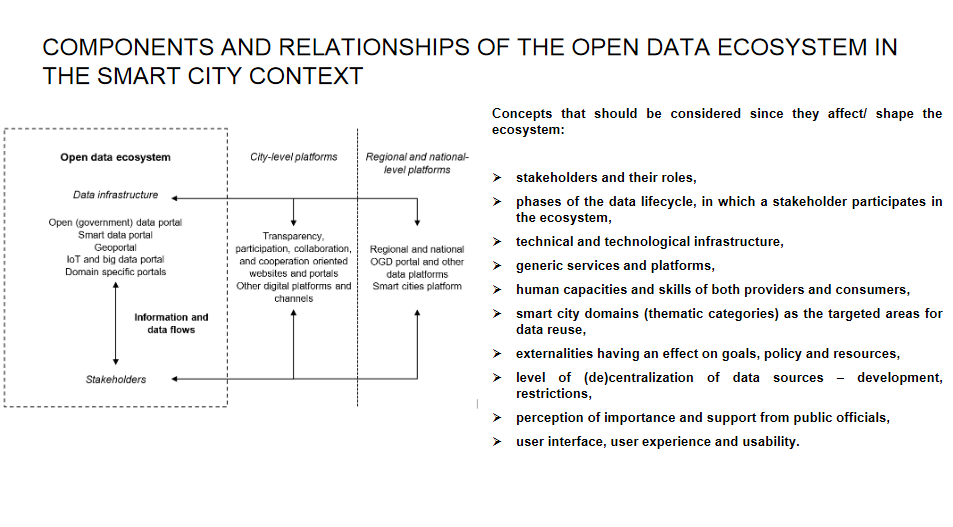
  • conceptualized an open data ecosystem in the context of a smart city (!!!) and determined its key components considering the data-centric and data-driven infrastructure and other components and relationships, using the system theory approach;
  • on the basis of the dominant components of data infrastructure, defined five types of current open data ecosystems (see below) thereby opening up a new horizon for research in the area of sustainable and socially resilient smart cities by means of open data and citizen-centered open smart city governance.

Our definition of open data ecosystem in the smart city context , established based on the knowledge and experience of the experts involved and observations made during the study is:


systematic efforts to integrate ICT and technologies into city life to deliver citizen-centric, better-quality services, solutions to city problems with open data published through the data-centric and data-driven infrastructure.”

However, the concepts that affect/shape the ecosystem are:

  • stakeholders and their roles,
  • phases of the data lifecycle, in which a stakeholder participates in the ecosystem,
  • technical and technological infrastructure,
  • generic services and platforms,
  • human capacities and skills of both providers and consumers,
  • smart city domains (thematic categories) as the targeted areas for data reuse,
  • externalities affecting goals, policy, and resources,
  • level of (de)centralization of data sources – development, restrictions,
  • perception of importance and support from public officials,
  • user interface, user experience, and usability.

As for the types of current open data ecosystems, we identified 5 types that are as follows:

  • type#1: the city’s OGD portal is the center of the data infrastructure, and all OGD, including those labeled as smart, are published and centralized through it. For this type of open data ecosystem, other websites that had previously provided open data or other services to access public sector information have been replaced by the OGD portal. The focus is on datasets, providing features to work with them, reuse them, and make all data requests transparent in one place;
  • type#2: this ecosystem also usually has the OGD portal as the central point, but other portals and platforms publish open data. The smart data portal and online city dashboards focusing on different dimensions such as transport, health, air quality, etc., are important components of this ecosystem;
  • type#3: a decentralized type of ecosystem that includes many components such as OGD portal, smart data portal, geodata portal, etc. However, it increases the ecosystem’s complexity, which is more difficult to manage and less usable for stakeholders
  • type#4: the smart city portal focused on projects and services is usually the center of this ecosystem, but it is not the priority to provide data and appropriate features to reuse them. Most services are developed by public sector organizations, research institutions, or businesses and provided to citizens;
  • type#5: apart from the city’s OGD portal, there are additional transparency-, participation-, collaboration-, and cooperation-oriented websites and portals to support the formation and improvement of relations between stakeholders. This type of ecosystem is focused on processes to improve open data reuse.

Sounds interesting? Read the article here and see other recommended articles below! 🙂

This was then wrapped up by emphasizing key overseen topics that are paid to little attention to, although being crucial for a sustainable public data ecosystem.

And I can only hope that this lecture was just a little bit as interesting as my dear colleague prof. Regina Negri Pagani characterized it! It is always pleasure to hear her feedback, as her comments are so gentle and inspiring! And there is nothing better than hear such wonderful and positive feedback and an immediate invitation for the next editions of this course, which will be my pleasure – this was the 2nd edition of the course, when I served as a guest lecture and will be definitely glad to make this yet another good tradition!

References:

*de Souza, Ariel Antônio Conceição, Marcia Juliana d’Angelo, and Raimundo Nonato Lima Filho. “Effects of Predictors of Citizens’ Attitudes and Intention to Use Open Government Data and Government 2.0.” Government Information Quarterly 39.2 (2022): 101663.

**Kleiman, F., Jansen, S. J., Meijer, S., & Janssen, M. (2023). Understanding civil servants’ intentions to open data: factors influencing behavior to disclose data. Information Technology & People.

***Araújo, Ana Carolina, Lucas Reis, and Rafael Cardoso Sampaio. “Do transparency and open data walk together? An analysis of initiatives in five Brazilian capitals.” Media Studies 7.14 (2016).

****Lnenicka, M., Nikiforova, A., Luterek, M., Azeroual, O., Ukpabi, D., Valtenbergs, V., & Machova, R. (2022). Transparency of open data ecosystems in smart cities: Definition and assessment of the maturity of transparency in 22 smart cities. Sustainable Cities and Society, 82, 103906.

*****Lnenicka, M., & Nikiforova, A. (2021). Transparency-by-design: What is the role of open data portals?. Telematics and Informatics, 61, 101605.

Some other studies you might be interested:

Rii Forum 2023 “Innovation 5.0: Navigating shocks and crises in uncertain times Technology-Business-Society” & a plenary debate “Advances in ICT & the Society”

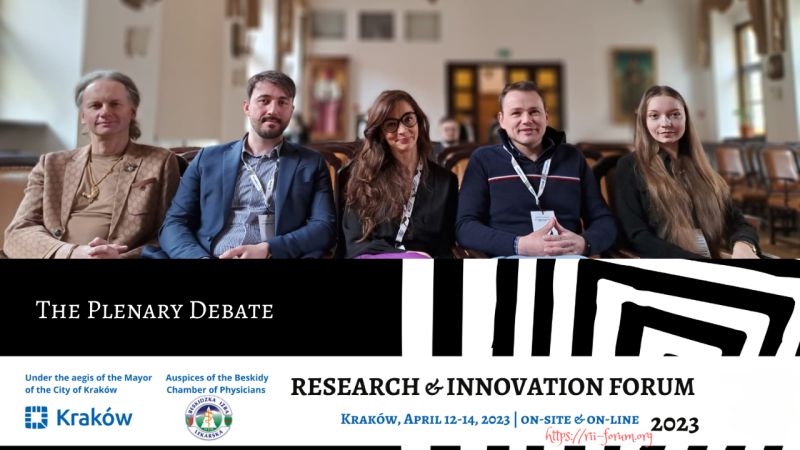
Last week, I had an unforgettable experience at the Research and Innovation Forum (RiiForum) on which I posted previously in Krakow, Poland, serving as plenary speaker and session chair. It was another great experience to have an absolutely amazing plenary session titled “Advances in ICT & the Society: threading the thin line between progress, development and mental health”, where we – Prof. Dr. Yves Wautelet, Prof. Dr. Marek Krzystanek, Karolina Laurentowska & Prof. Marek Pawlicki – discussed disruptive technologies in our professional lives in the past years, how they affected us and our colleagues, how they affect(ed) society and its specific groups, including their mental health, and general perception of technology, i.e. an enemy of humanity, or rather a friend and support, and how to make sure the second take place. And from this we have developed a discussion around AI, chatGPT, Metaverse, blockchain, even slightly touching on quantum computing. Of course, all this was placed in the context of democracy and freedoms / liberties. All in all, we approached the topic of governance and policy-making, which is too often reactive rather than proactive, which, in turn, leads to many negative consequences, as well as elaborated on the engineering practices. 

To sum up – emerging and disruptive technologies, Blockchain, AI, Metaverse, digital competencies, education, liberty, democracy, openness, engagement, metaverse, inclusivity, Industry 5.0, Society 5.0 – and it is not a list of buzzwords, but a list of topics we have managed to cover both plenary speakers and the audience and continued to talk about them during the whole conference. Rich enough, isn’t it?

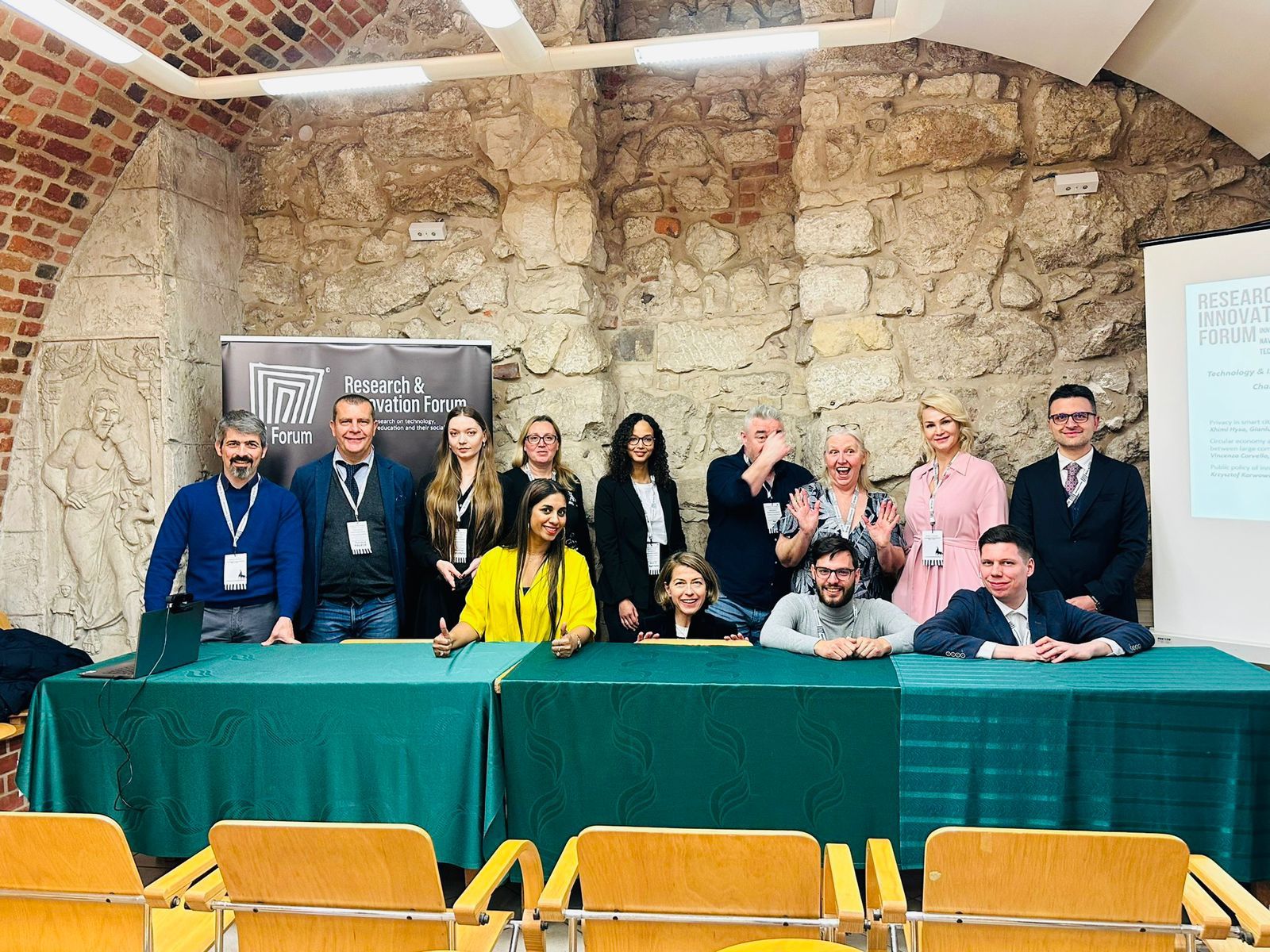
And then the day did not end, continuing with several super insightful sessions, where, of course, one I enjoyed most is the one that I chaired. Three qualitative talks with further rich discussion after each thanks to an excellent audience, despite the fact this was the last session of the day (before the dinner), namely:

  • Privacy in smart cities using VOSviewer: a bibliometric analysis by Xhimi Hysa, Gianluca Maria Guazzo, Vilma Cekani, Pierangelo Rosati
  • Public policy of innovation in China by Krzysztof Karwowski, Anna Visvizi
  • How Human-Centric solutions and Artificial Intelligence meet smart cities in Industry 5.0 by Tamai Ramirez, Sandra Amador, Antonio Macia-Lillo, Higinio Mora
     

And the last, but not the least, Krakow surprised me lot (in a positive sense, of course) – it was my first time in Poland, and I am absolutely glad that it was on such a beautiful city as Krakow – the place with the rich history and culture! Thank you dear RiiForum2023 organizers – Anna Visvizi, Vincenzo Corvello, ORLANDO TROISI, Mara Grimaldi, Giovanni Baldi and everyone who was involved – it is always a pleasure to be a part of this community!


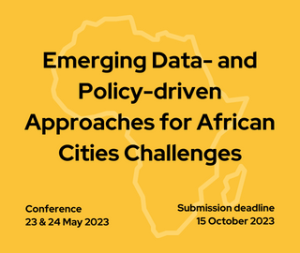
Call for Papers: Emerging Data- and Policy-driven Approaches for African Cities Challenges, Data & Policy, Cambridge University Press

On behalf of Guest Editors I sincerely invite you to consider submitting your work to our Special Issue ”Emerging Data- and Policy-driven Approaches for African Cities Challenges” as part of the open-access journal Data & Policy at Cambridge University Press.

This Special Issue aims to expand the reach and scope of urban data research, innovation and entrepreneurship activities and policies to address urban challenges in Africa through the digitisation of cities. It will compile recent expert work on the topic to advance and promote scientific advance / excellence, promote the digital transition and its benefits for creating, collecting, storing and using urban data to achieve sustainable development goals (SDG) in African cities.

African cities and their local actors and managers have been at the forefront of the digital transformation for several years now (Oke et al., 2020). Several urban projects across the continent, from north to south and east to west, are claiming to use the term “smart city” (Söderström et al., 2021). This apparently attractive name is often associated with an “isolationist” technical vision that is provided and marketed by operators with a very western and global vision. Digital and smart city projects are often implemented with citizens and the local ecosystem managed step by step by the municipalities, the digital transition can be primarily aimed at a “smart city of general interest”. In developing countries, and especially in Africa, where the young, female and urban population is becoming increasingly connected, the adoption of digital technologies is exponential and tends to occur without public intervention, including but not limited due to “datafication of cities” (Bibri & Krogstie, 2020; Plantinga, 2022; Oksman & Raunio, 2018). As a result, there is a risk that local authorities will “drop out” of the market, which may manifest itself in the development of alternative digital services by third parties that disrupt or compete with local public services. Another risk is that the local authority may have only limited or incomplete access to data produced by users and businesses within its territory, depriving it of the necessary material for its action. Local authorities in Africa, as in the North, are in a learning phase in their smart city or digital city policies and, in particular, policies regarding data collection / acquisition, storage and use to solve urban challenges (Plantinga, 2022; Oksman & Raunio, 2018).

Indeed, data is one of the essential pillars of an emerging smart or digital city that is best used to support decision making in urban planning and management to address the challenges of cities in Africa.  Therefore, it will be appropriate for this to cover all topics related to digital cities in Africa, including urban data and policy for urban planning applications, African smart city, Smart geoinformation systems (Smart GIS), smart governance, challenges of digital cities in Africa, urban sustainability, planning/management issues of emerging cities in Africa, urban socio-economic challenges (education, health, employment, youth, economy, food security, etc.), urban environment, information and communication technologies applied to the city. 

In addition to its thematic focus, it aims to advance interdisciplinary research by bridging the disciplinary divide between different academic cultures of the humanities, sciences, and application-oriented research, as well as the sectoral divide between urban development actors in Africa. Thus, this special issue will update and strengthen the existing literature on African cities through the results of scientific research based on qualitative and quantitative analysis techniques and methods on topics including, but not limited to data- and policy-driven approaches to address the challenges of African cities and mainly those related to:

💡Water and energy management;
💡Smart waste management and sanitation;
💡Digital management of education and health;
💡Digital mobility and transport management;
💡Quality of Life and social classes;
💡Strategies for digital and smart cities in Africa;
💡Digital and Smart African city stakeholders;
💡Digital and Smart city infrastructure;
💡Artificial intelligence and applications;
💡Digital governance for smart cities;
💡Citizen participation and engagement;
💡Datafication of smart cities;
💡Collective sensing & spatial big urban data;
💡Smart geo-addressing and participatory addressing;
💡Digital transformation and smart Governance;
💡Citizen and Collaborative Governance;
💡Climate and pollution. Environmental monitoring;
💡Disaster risks;
💡Urban Health


Papers to be submitted when ready, with final deadline: January 8, 2024.

Data & Policy publishes the following article types. Authors should consider which is the most appropriate category for their work before they submit:

  • Research articles: original work that uses rigorous methods to investigate how data science can inform or impact policy.
  • Commentaries: shorter articles that discuss and/or problematize an issue relevant to the special issue topic. (Approx 4,000 words in length).
  • Translational articles: focus on the policy setting or environment in which data science principles and approaches are being applied, with the aim of improving the transfer of knowledge from research to practice (and vice versa).
  • Data papers: provide structured descriptions of a data set relevant to the special issue. The data paper should describe the study design and methods that generated the data, but the focus should be to help others re-use the data rather than presenting new findings.

Guest Editors:

  • Jérôme Chenal, CEAT, EPFL, Lausanne, Switzerland
  • Stéphane C. K. Tekouabou, Center of Urban Systems (CUS), UM6P, Benguérir, Morocco
  • El Arbi Allaoui Abdellaoui, ENS, Mouley Ismail University, Meknès, Morocco
  • Anastasija Nikiforova, University of Tartu, Tartu, Estonia

References:

  • Bibri, S. E., & Krogstie, J. (2020). The emerging data–driven Smart City and its innovative applied solutions for sustainability: The cases of London and Barcelona. Energy Informatics, 3, 1-42.
  • Oke, A. E., Aghimien, D. O., Aigbavboa, C. O., & Akinradewo, O. I. (2020). Appraisal of the drivers of smart city development in South Africa. Construction Economics and Building, 20(2), 109-126.
  • Oksman, V., & Raunio, M. (2018, March). Citizen-centric smart city planning for africa: a qualitative case study of early stage co-creation of a Namibian smart community. In The twelfth international conference on digital society and egovernments (pp. 30-35).
  • Söderström, O., Blake, E., & Odendaal, N. (2021). More-than-local, more-than-mobile: The smart city effect in South Africa. Geoforum, 122, 103-117.
  • Plantinga, P. (2022). Digital discretion and public administration in Africa: Implications for the use of artificial intelligence. Information Development, 02666669221117526.

“Emerging issues and innovations” track as part of IFIP EGOV-CeDEM-EPART 2023 is open for submissions!

On behalf of the co-chair of “Emerging issues and innovations” track I sincerely invite everyone whose research focuses on new topics emerging in the field of ICT and public sector, including public-private ecosystems, to submit their work to this track, which is part of EGOV2023 – IFIP EGOV-CeDEM-EPART – one of the most recognized conference in e-Government, ICT and public administration and related topics!

The annual IFIP EGOV2023 will be hosted 5-7 September 2023 in Budapest by the Corvinus University of Budapest, Hungary. The conference focuses on e-Government, Digital Government, Open Government, Smart Government, GovTech, eParticipation and e-Democracy, and related topics like social media, digital transformation, Digital society, artificial intelligence, policy information, policy informatics, smart cities, and social innovation. Several types of submissions are possible, including completed research, ongoing research, reflections & viewpoints, posters, and workshops. The conference consists of 10 tracks:

  • General E-Government and E-Governance Track
  • General e-Democracy & e-Participation track
  • ICT and Sustainable Development Goals Track
  • Digital Society Track
  • AI, Data Analytics & Automated Decision Making Track
  • Smart Cities (Government, Districts, Communities & Regions) Track
  • Open data: social and technical aspects Track
  • Emerging Issues and Innovations Track
  • Digital and Social Media Track
  • Legal Informatics

And while the conference consists of 10 tracks you will definitely find relevant, my personal recommendation is “Emerging issues and innovations” track (chairs: Marijn Janssen, Anastasija Nikiforova, Dr. Csaba Csaki, Francesco Mureddu).


🎯🎯🎯 “Emerging issues and innovations” track focuses on new topics emerging in the field of ICT and public sector, including public-private ecosystems. Topics of interest include but are not limited to:
💡Looking ahead into Social innovation
💡The future of government, policy making and democracy
💡Global challenges that go beyond nation states (such as migration, climate change etc.) and require international collaboration of individual governments
💡Digital transformation in public sector context
💡The future of digital governance
💡Public values in transforming the government
💡The role of government in eCities and sustainable living
💡The role of the public sector in Human Centered Society
💡Self Service Structures for Inclusion
💡Public-private sector collaboration and integration;
💡Decentralized Autonomous Organizations (DAO), smart contracts and blockchain
💡Preparing for the policy challenges of future technologies;
💡Regulating misinformation
💡New technologies for automated decision-making
💡The future public sector use and regulation of latest AI solutions;
💡Public use as well as regulations of industry 4.0 and the internet of things
💡The relationships of governments and Fintech
💡Upcoming issues of eVoting including application of digital signatures in the public sector
💡Online public community building
💡Utilization of digital billboards
💡Latest trends in co-creation and service delivery
💡Forward looking insights from case studies – let it be successful or failed experiments.
 

🗓️🗓️🗓️ IMPORTANT DATES
Deadline for submissions: 31 March 2023
PhD Colloquium deadline for submissions: 1 May 2023
Poster submission deadline: 20 May 2023
PhD Colloquium: 4 September 2023
Conference: 5-7 September 2023

Do not miss 3 days of discussions around e-Government, Digital Government, Open Government, Smart Government, GovTech, eParticipation and e-Democracy, and related topics like social media, digital transformation, Digital society, artificial intelligence, policy information, policy informatics, smart cities, and social innovation. Mark your calendar – 31 March 2023 for submitting your paper, and 5-7 September 2023 for attending the conference!

The conference is organized by the IFIP 8.5 Working group (WG8.5) and the Digital Government Society (DGS). The aim of WG 8.5 is to improve the quality of e-government information systems at international, national, regional and local levels. The WG8.5 emphasis is on interdisciplinary approaches for information systems in public administration. DGS is a global, multi-disciplinary organization of scholars and practitioners interested in the development and impacts of digital government. Read more here.

Several summer activities – African Smart Cities Lab, One Conference 2022, EFSA & EBTC joint project, Guest Lecture, “Virtual Brown Bag Lunch”

Considering that in last weeks I was pretty active in delivering very many talks, let me use this post to summarize some of them thereby remaining them in my memory as well as allowing you, my dear reader, to pick up some ideas or navigate to some projects (both projects, initiatives, postgraduate programs, joint workshops or “lunchs” for business and academia) of your interest. So this post is less about self-advertisement and my role in the below discussed events as both panelist, keynote, guest lecturer, invited speaker and expert, but more about very interesting projects, initiatives and labs currently running in different countries and at different scales – local, national, regional and international. And as “thank you” for the organizers of each of them, I would like to shed a light on them in this post, drawing your attention to them!

All in all, this post is about participating as a panelist for One Conference 2022, keynote for African Smart Cities Lab projects’ workshop (Morocco, Ghana, Tunisia, South Africa, Rwanda, Benin, Switzerland), Guest Lecture for master and doctoral students of the Federal University of Technology – Paraná (UTFPR, Postgraduate Program in Production Engineering, Brasil), and invited speaker / expert for monthly “Virtual Brown Bag Lunch” (Mexico), and EFSA & EBTC joint project (Italy) on the creation of a standard for data exchange in support of automation of Systematic Review.

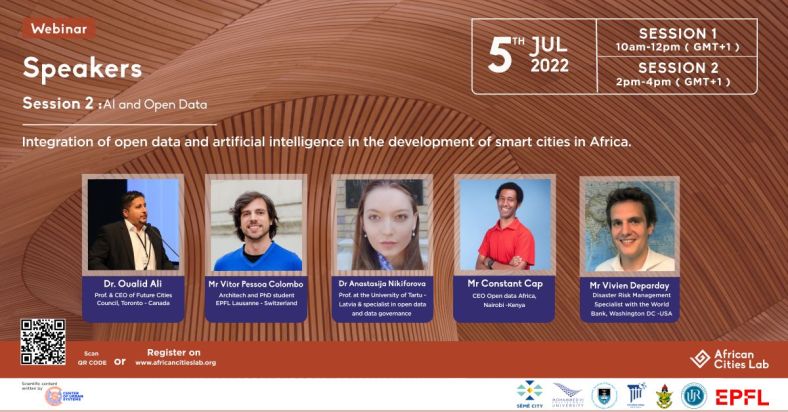
So, let’s start with the most spontaneous, namely “Integration of open data and artificial intelligence in the development of smart cities in Africa” workshop organized as part of the African Cities Lab Project, where I was invited as a keynote speaker. Actually, African Smart Cities Lab project is a very interesting initiative I recently was glad to get familiar with. It is a joint initiative led by École polytechnique fédérale de Lausanne (Switzerland), the Kwame Nkrumah’​ University of Science and Technology, Kumasi (Ghana), the UM6P – Mohammed VI Polytechnic University (Maroc), Sèmè City campus (Benin), the Faculty of Sciences of Bizerta – University of Carthage (Tunisia), the University of Cape Town (South Africa), and the University of Rwanda that aims to create a digital education platform on urban development in Africa, offering quality MOOC and online, continuing education training for professionals. It is also expected to act as a forum for the exchange of digital educational resources and the management and governance of African cities to foster sustainable urban development. The very first workshop took place July 5 in an online mode, where 9 speakers were invited to share their experience on this topic and allow setting the scene for the development of African Smart Cities, considering their potential, but also some bottlenecks.

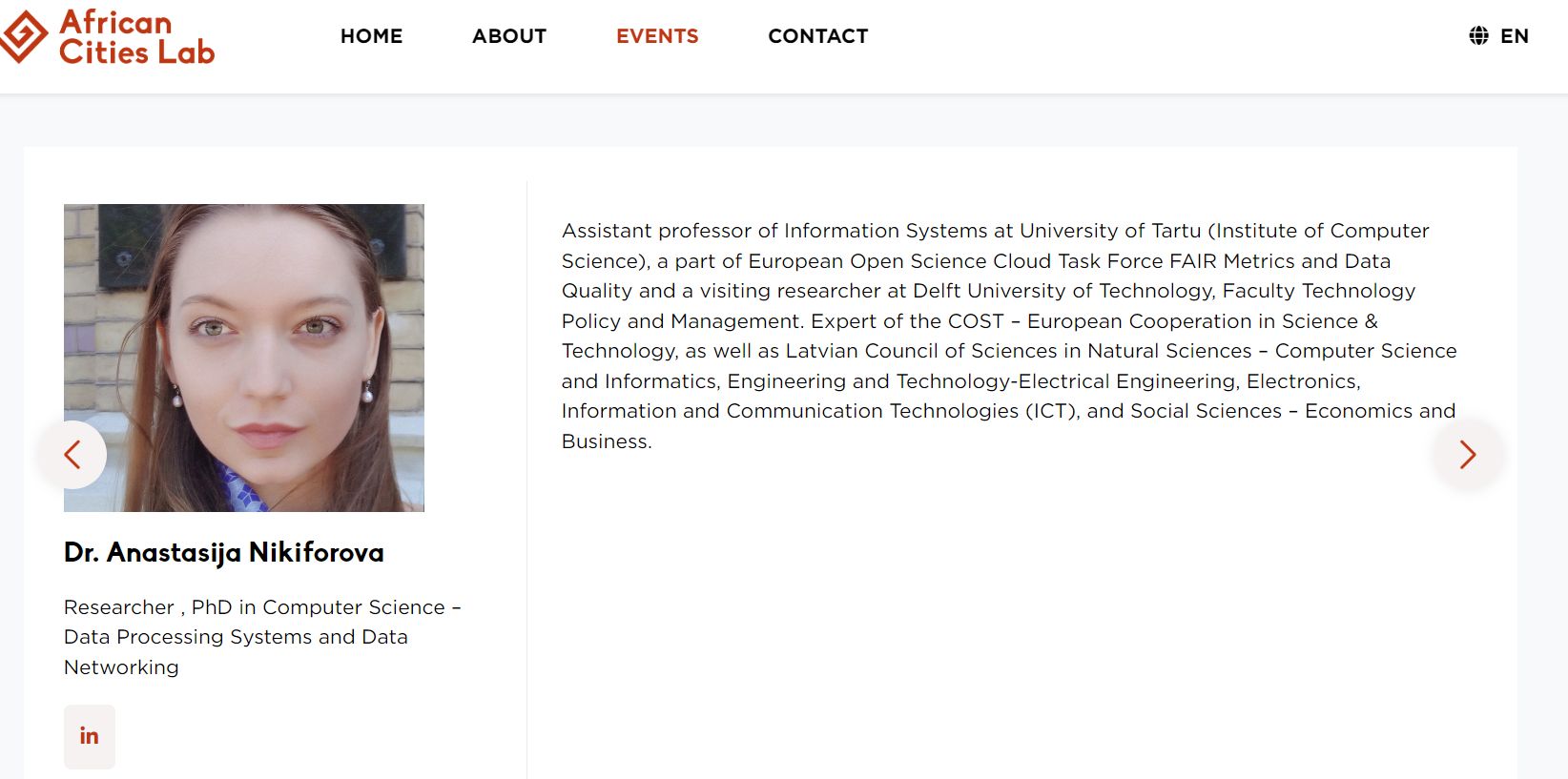
All in all, two very fruitful sessions with presentations delivered by me, Vitor Pessoa Colombo, Constant Cap, Oualid Ali, Jérôme Chenal, Nesrine Chehata, AKDIM Tariq, Christelle Gracia Gbado, Willy Franck Sob took place and raised a lot of questions, finding the answers for many of them. My talk was titled “Open data and crowdsourced data as enablers and drivers for smart African cities” (see slides below…)

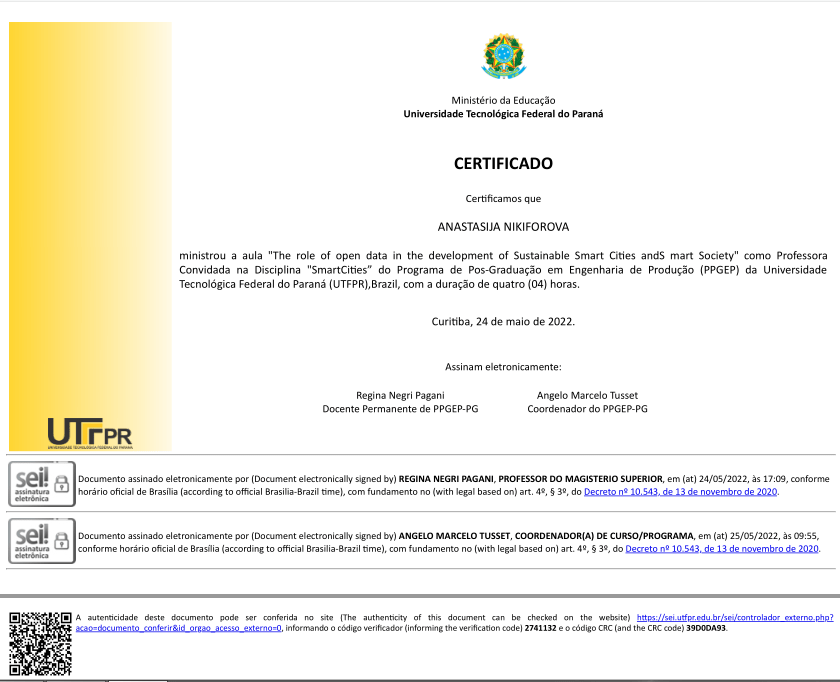
Here, let me immediately mention another activity – a Guest LectureThe role of open data in the development of sustainable smart cities and smart society“, I delivered to students of the Federal University of Technology – Parana (UTFPR, Brazil) and, more precisely so-called PPGEP program – Postgraduate Program in Production Engineering (port. Programa de Pós-Graduação em Engenharia de Produção), in scope of which I was pleasured to raise a discussion on three topics of particular interest – open data, Smart City, and Society 5.0, which are actually very interrelated. This also allowed me to refer to one of our recent studies – Transparency of open data ecosystems in smart cities: definition and assessment of the maturity of transparency in 22 smart cities – published together with my colleagues – Martin Lnenicka, Mariusz Luterek, Otmane Azeroual, Dandison Ukpabi, Visvadis Valtenbergs, and Renata Machova in Sustainable Cities and Society (Q1, Impact Factor: 7.587, SNIP: 2.347, CiteScore: 10.7).

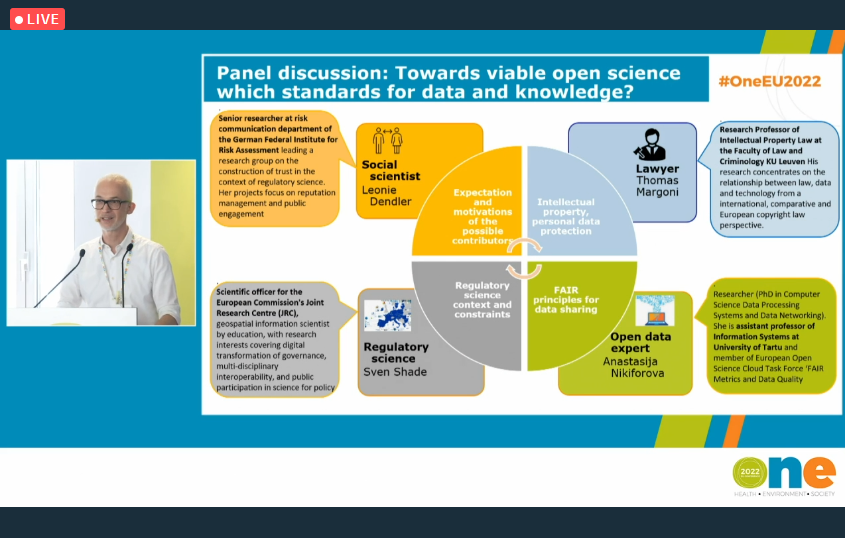
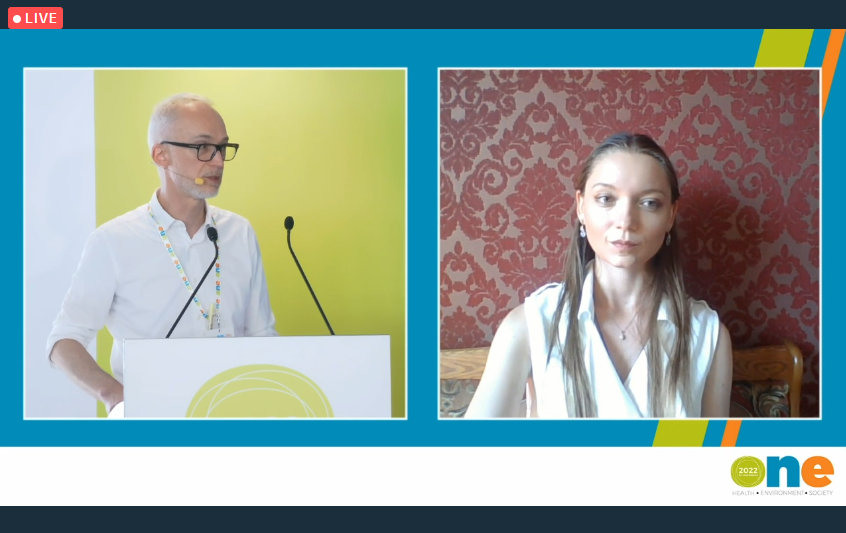
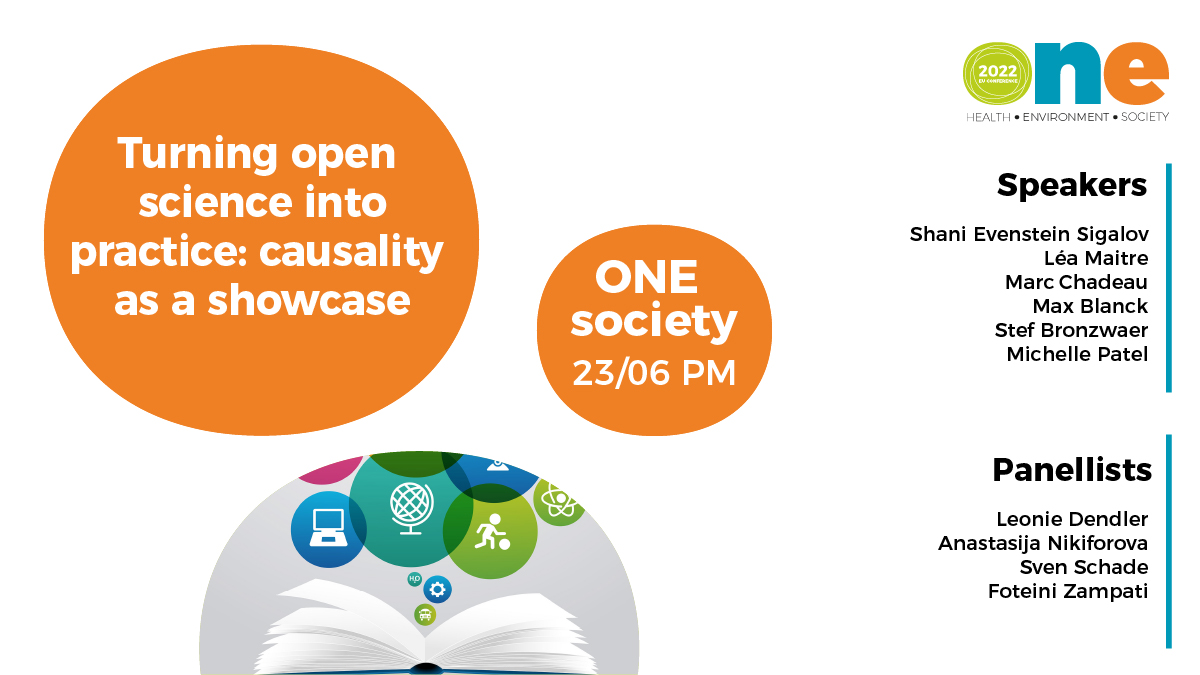
And now, it’s time to turn to two events organized by European Food Safety Authority (EFSA). The first and probably the most “crowded” due to a very high rate of the attendance was the ONE Conference 2022 (Health, Environment, Society), which took place between June 21 and 24, Brussels, Belgium. It was co-organised by European Food Safety Authority (EFSA) and its European sister agencies European Environment Agency, European Medicines Agency, European Chemicals Agency, European Centre for Disease Prevention and Control (ECDC), but if you are an active follower of my blog, you know this already, same as probably remember that I posted about this event previously inviting you to join us in Belgium or online. Since I have elaborated on the course of the event, its main objectives and tracks, I will not repeat this information. Instead, let me briefly summarize key takeaways with a particular focus on the panel for which I served as a panelist – the “ONE society” thematic track, panel discussion “Turning open science into practice: causality as a showcase”. It was a very nice experience and opportunity for sharing our experience on obstacles, benefits and the feasibility of adopting open science approaches, and elaborate on the following questions (although they were more but these one are my favorites):
💡Can the use of open science increase trust to regulatory science? Or does it increase the risk to lose focus, introduce conflicting interests and, thus, threaten reputation? What are the barriers to make open science viable in support to the scientific assessment process carried out by public organizations?
💡What are the tools/ methods available enabling, supporting and sustaining long term open science initiatives today and what could be envisaged for the future?
💡Do we need a governance to handle open data in support to scientific assessment processes carried out by regulatory science bodies?
💡How the data coming from different sources can be harmonized making it appropriate for further use and combination?

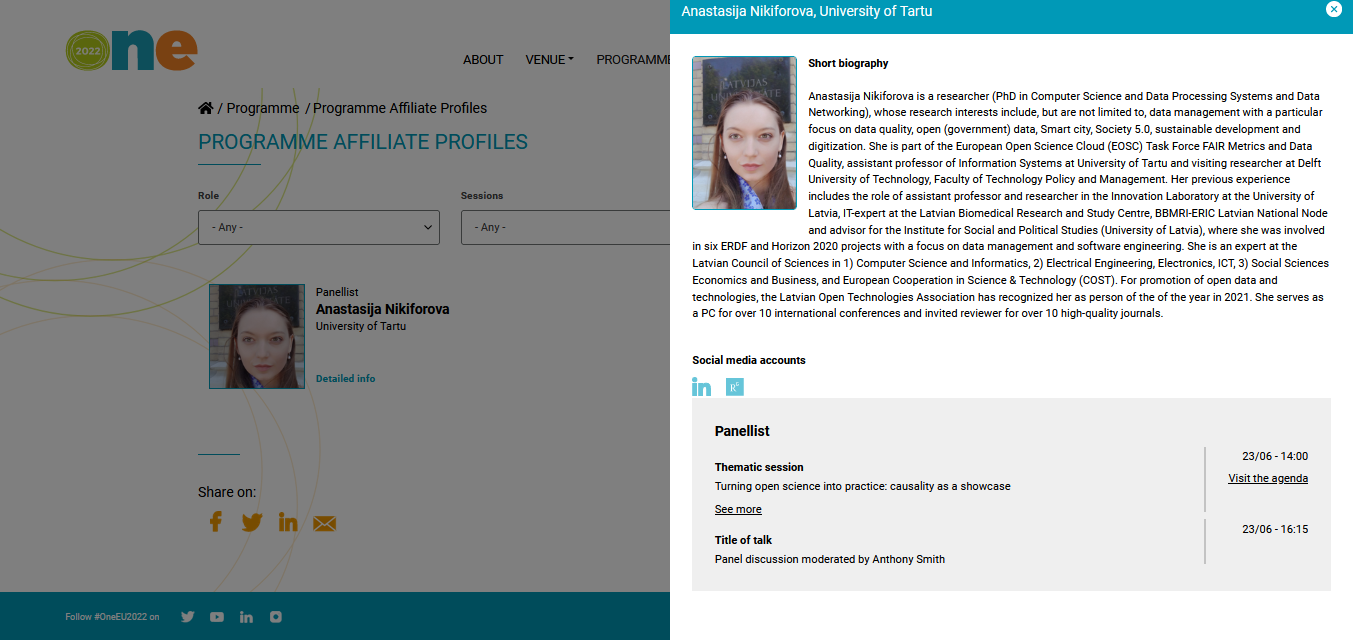
These and many more questions were discussed by panelists with different background and expertise, which were nicely presented by European Food Safety Authority (EFSA) breaking down our experience in four categories – social science (Leonie Dendler, German Federal Institute for Risk Assessment BfR), open data expert (Anastasija Nikiforova,) EOSC Association, University of Tartu, Institute of Computer Science, lawyer (Thomas Margoni, KU Leuven ), regulatory science (Sven Schade, Joint Research Centre, EU Science, Research and Innovation). Many thanks Laura Martino, Federica Barrucci, Claudia Cascio, Laura Ciccolallo, Marios Georgiadis, Giovanni Iacono, Yannick Spill (European Food Safety Authority (EFSA)), and of course to Tony Smith and Jean-François Dechamp (European Commission). For more information, refer to this page.

And as a follow-up for this event, I was kindly invited by EFSA to contribute to setting the scene on the concept of ‘standards for data exchange’, ‘standards for data content’ and ‘standards for data generation’ as part of European Food Safety Authority (EFSA) and Evidence-Based Toxicology Collaboration (EBTC) ongoing project on the creation of a standard for data exchange in support of automation of Systematic Review (as the answer to the call made in “Roadmap for actions on artificial intelligence for evidence management in risk assessment”). It was really nice to know that what we are doing in EOSC Association (Task Force “FAIR metrics and data quality”) is of interest for our colleagues from EFSA and EBTC.
Also, it was super nice to listen other points of view and get involved in the discussion with other speakers and organisers – Elisa Aiassa, Angelo Cafaro, Fulvio Barizzone, Ermanno Cavalli, Marios Georgiadis, Irene Pilar, Irene Muñoz Guajardo, Federica Barrucci, Daniela Tomcikova, Carsten Behring, Irene Da Costa, Raquel Costa, Maeve Cushen, Laura Martino, Yannick Spill, Davide Arcella, Valeria Ercolano, Vittoria Flamini, Kim Wever, Gunn Vist, Annette Bitsch, Daniele Wikoff, Carlijn Hooijmans, Sebastian Hoffmann, Seneca Fitch, Paul Whaley, Katya Tsaioun, Alexandra Bannach-Brown, Ashley Elizabeth Muller, Anne Thessen, Julie McMurray, Brian Alper, Khalid Shahin, Bryn Rhodes, Kaitlyn Hair. The next workshop is expected to take place in September with the first draft ready by the end of this year and presented during one of the upcoming events. More info on this will follow 🙂

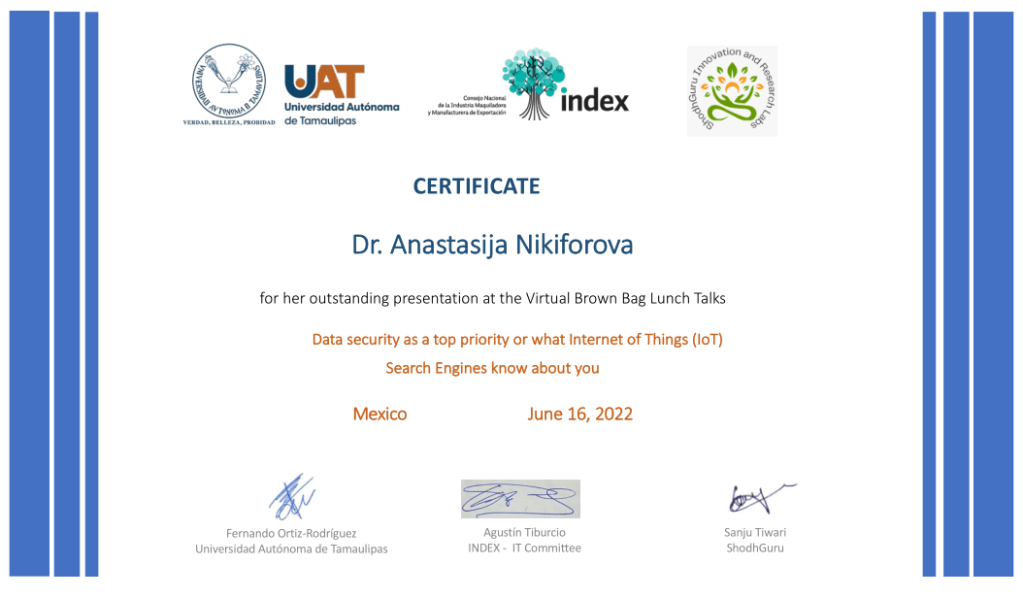
In addition, I was asked by my Mexican colleagues to deliver an invited talk for monthly “Virtual Brown Bag Lunch Talks” intended for the Information Technologies, Manufacturing, and Engineering Employees in Companies associated with Index Manufacturing Association (Mexico, web-based). After discussing several topics with the organizers of this event, we decided that this time the most relevant talk for the audience would be “Data Security as a top priority or what Internet of Things (IoT) Search engines know about you“. Again, if you are an active follower, you will probably realize quickly that it is based on a list of my previous studies – study#1, study#2, study#3 and book chapter.

All in all, while these were just a few activities I was busy with during the last weeks and, these weeks were indeed very busy but extreeeemely interesting with so many different events! I am grateful to all those people, who invited me to take part in them and believe that this is just one of the opportunities we had to collaborate and there are many more in the future!