Recently, the United Nations University announced the launch of the United Nations University EGOV’s repository platform – a centralized hub of specialized repositories tackling global challenges, which is dedicated to two topics – EGOV for Emergencies that provides a set of content on innovations in digital governance for emergency response, and Data for EGOVis the repository intended “to supports policymakers, decision-makers, researchers, and the community interested in digitally transforming the public sector through emerging technologies and data. The repository combines diverse academic documents, use cases, rankings, best practices, standards, benchmarking, portals, datasets, and pilot projects to support open data, quality and purpose of open data, application of data techniques analytics in the public sector, and making cities smarter. This repository results from the “INOV.EGOV-Digital Governance Innovation for Inclusive, Resilient and Sustainable Societies” project on the role of open data and data science technologies in the digital transformation of State and Public Administration institutions“. The latter, recommends 286 reading materials (reports, articles, standards etc.) I find to be very relevant for the above described, and highly recommend to surf through. However, what made me specially happy while browsing this collection, is the fact that five of these reading materials are articles (co-)authored by me. Therefore, considering that not always I keep track of what I conducted in past, let me use this opportunity to reflect on those studies, in case you had not came across them previously, as well as to refresh mine memories (some of them dated back to times, when I worked on my PhD thesis).
By the way, every article is accompanied with tags that enrich keywords by which that article was described by authors, with a particular attention being paid to main topics, incl. “data analytics”, “smart city”, “open data”, “sustainability” etc., where for “the latter”sustainability”, tagging based on the compliance with a specific Sustainable Development Goal (SDG) takes place, thereby allowing to filter out relevant articles by a specific SDG or find out what SDG does your article contributes, where although while conducting research I kept in mind some of those I find my research more suited with, for one of them (the last one in the list) I was pretty surprised to see that it is very SDGs-compliant, being compliant with 11 SDGs (SDG-2, SDG-3, SDG-6, SDG-7, SDG-9, SDG-11, SDG-13, SDG-14, SDG-15).
So, back to those studies that the United Nations University recommends…
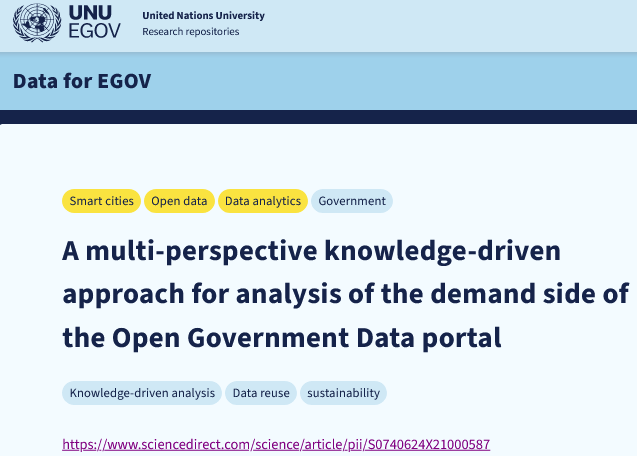
A multi-perspective knowledge-driven approach for analysis of the demand side of the Open Government Data portal, which proposes a multi-perspective approach where an OGD portal is analyzed from (1) citizens’ perspective, (2) users’ perspective, (3) experts’ perspective, and (4) state of the art. By considering these perspectives, we can define how to improve the portal in question by focusing on its demand side. In view of the complexity of the analysis, we look for ways to simplify it by reusing data and knowledge on the subject, thereby proposing a knowledge-driven analysis that supports the idea under OGD – their reuse. Latvian open data portal is used as an example demonstrating how this analysis should be carried out, validating the proposed approach at the same time. We are aiming to find (1) the level of the citizens’ awareness of the portal existence and its quality by means of the simple survey, (2) the key challenges that may negatively affect users’ experience identified in the course of the usability analysis carried out by both users and experts, (3) combine these results with those already known from the external sources. These data serve as an input, while the output is the assessment of the current situation allowing defining corrective actions. Since the debates on the Latvian OGD portal serving as the use-case appear more frequently, this study also brings significant benefit at national level.
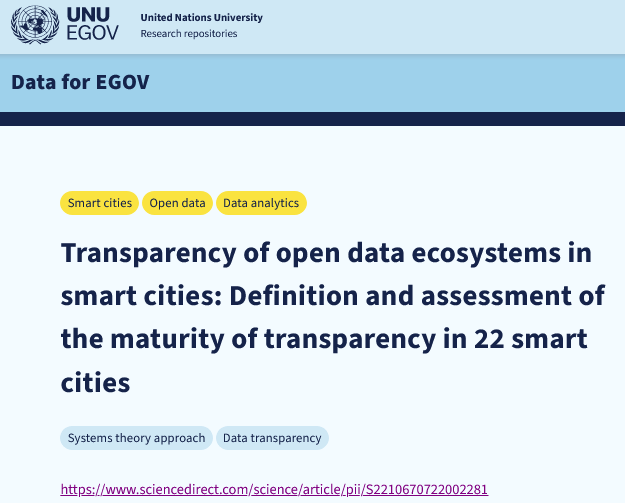
Transparency of open data ecosystems in smart cities: Definition and assessment of the maturity of transparency in 22 smart cities, which focuses on the issue of the transparency maturity of open data ecosystems seen as the key for the development and maintenance of sustainable, citizen-centered, and socially resilient smart cities. This study inspects smart cities’ data portals and assesses their compliance with transparency requirements for open (government) data. The expert assessment of 34 portals representing 22 smart cities, with 36 features, allowed us to rank them and determine their level of transparency maturity according to four predefined levels of maturity – developing, defined, managed, and integrated. In addition, recommendations for identifying and improving the current maturity level and specific features have been provided. An open data ecosystem in the smart city context has been conceptualized, and its key components were determined. Our definition considers the components of the data-centric and data-driven infrastructure using the systems theory approach. We have defined five predominant types of current open data ecosystems based on prevailing data infrastructure components. The results of this study should contribute to the improvement of current data ecosystems and build sustainable, transparent, citizen-centered, and socially resilient open data-driven smart cities.
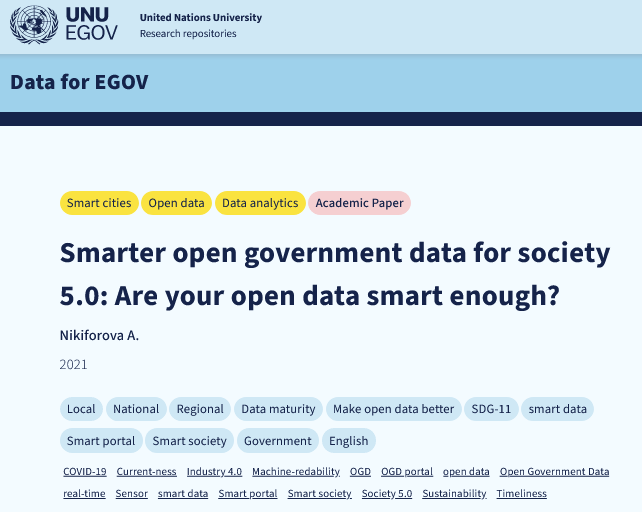
Smarter open government data for society 5.0: Are your open data smart enough? in which, considering the fact that the open (government) data initiative as well as users’ intent for open (government) data are changing continuously and today, in line with IoT and smart city trends, real-time data and sensor-generated data have higher interest for users that are considered to be one of the crucial drivers for the sustainable economy, and might have an impact on ICT innovation and become a creativity bridge in developing a new ecosystem in Industry 4.0 and Society 5.0, the paper examines 51 OGD portals on the presence of the relevant data and their suitability for further reuse, by analyzing their machine-readability, currency or frequency of updates, the ability to submit request/comment/complaint/suggestion and their visibility to other users, and the ability to assess the value of these data assessed by others, i.e., rating, reuse, comments, etc., which is usually considered to be a very time-consuming and complex task, and therefore rarely conducted. The analysis leads to the conclusion that although many OGD portals and data publishers are working hard to make open data a useful tool moving towards Industry 4.0 and Society 5.0, many portals do not even respect the principles of open data, such as machine-readability. Moreover, according to the lists of most competitive countries by topic, there are no leaders who provide their users with excellent data and service, therefore there is room for improvements for all portals. The paper shows that open data, particularly those published and updated in time, are provided in machine-readable format and support to their users, attract audience interest and are used to develop solutions that benefit the entire society (the case in France, Spain, Cyprus, the Netherlands, Taiwan, Austria, Switzerland, etc.). Thus, the publication of open data should be done not only because it is a modern trend, but also because it incentivizes scientists, researchers and enthusiasts to reuse the data by transforming it into knowledge and value, providing solutions, improving the world, and moving towards Society 5.0 or the super smart society.
Definition and evaluation of data quality: User-oriented data object-driven approach to data quality assessmentproposes a data object-driven approach to data quality evaluation. This user-oriented solution is based on 3 main components: data object, data quality specification and the process of data quality measuring. These components are defined by 3 graphical DSLs, that are easy enough even for non-IT experts. The approach ensures data quality analysis depending on the use-case. Developed approach allows analysing quality of “third-party” data. The proposed solution is applied to open data sets. The result of approbation of the proposed approach demonstrated that open data have numerous data quality issues. There are also underlined common data quality problems detected not only in Latvian open data but also in open data of 3 European countries – Estonia, Norway, the United Kingdom. I.e., none of the very simple or intuitive and even obvious use cases in which the values of the primary parameters were analysed were satisfied by any Company Register. However, the Estonian and Norwegian Registers can be used to identify any company by its name and registration number, since only they have passed quality checks of the relevant fields.
Open Data Hackathon as a Tool for Increased Engagement of Generation Z: To Hack or Not to Hack? examines the role of open data hackathons, known as a form of civic innovation in which participants representing citizens can point out existing problems or social needs and propose a solution, in OGD initiative. Given the high social, technical, and economic potential of open government data (OGD), the concept of open data hackathons is becoming popular around the world. This concept has become popular in Latvia with the annual hackathons organised for a specific cluster of citizens – Generation Z. Contrary to the general opinion, the organizer suggests that the main goal of open data hackathons to raise an awareness of OGD has been achieved, and there has been a debate about the need to continue them. This study presents the latest findings on the role of open data hackathons and the benefits that they can bring to both the society, participants, and government. First, a systematic literature review is carried out to establish a knowledge base. Then, empirical research of 4 case studies of open data hackathons for Generation Z participants held between 2018 and 2021 in Latvia is conducted to understand which ideas dominated and what were the main results of these events for the OGD initiative. It demonstrates that, despite the widespread belief that young people are indifferent to current societal and natural problems, the ideas developed correspond to current situation and are aimed at solving them, revealing aspects for improvement in both the provision of data, infrastructure, culture, and government- related areas.
More to come, and let’s keep track of updates in this repository! Do not also to check other works in both the repository, as well as more work of mine you can find here.
The very last days of the year give us all time to reflect on what the past year has brought us. This years and these very last days of it are no exception. As usually, I will skip the part about pains and tears and try to focus only on positive things, because at the end of the day, “that which does not kill us makes us stronger” (Friedrich Nietzsche). Otherwise, this year has been full of a lot of different events and experiences, so I indeed want to take a moment and summarize what has so little time for some things (actually, not because you are lazy – as I often think of myself (a moment when people who know me well can laugh a little), but because you were busy with other things you gave you preference / priority over others).
So, how has 2023 been or what am I grateful for?
First of all, given the amount of emotion they bring, I am grateful for all those conferences I attended this year, serving as both – a part of the organizing committee, the program committee, the chair – chairing my (co-)organized workshops, the track (co-)chair, the speaker – presenting my works, or even serving as a keynote & invited speaker, as well as a plenary speaker and taking part in the “meet the publisher” session as a representative (Area Editor) of the journal. In total, I attended 13 international conferences (some of which I attended virtually), with some more events of a more national and/or regional nature.
Let me start with the role of keynote speaker, as I finally added another continent to “my list” of keynotes this year. Surprisingly, it was Europe. In other words, in previous years I have already served as a keynote or invited speaker at events in Latin America, Asia, Africa, but this year I gave 4 more talks in Asia and finally in Europe – 3 keynote talks / invited talks 🙂 (not to say how cool I am, but rather to express my gratitude to those who invite me to deliver keynote talks, despite my relatively young age but being interested in the content I deliver).
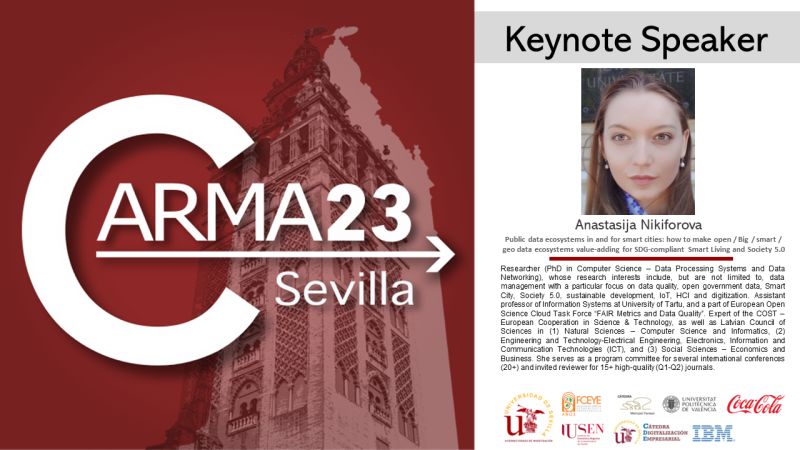
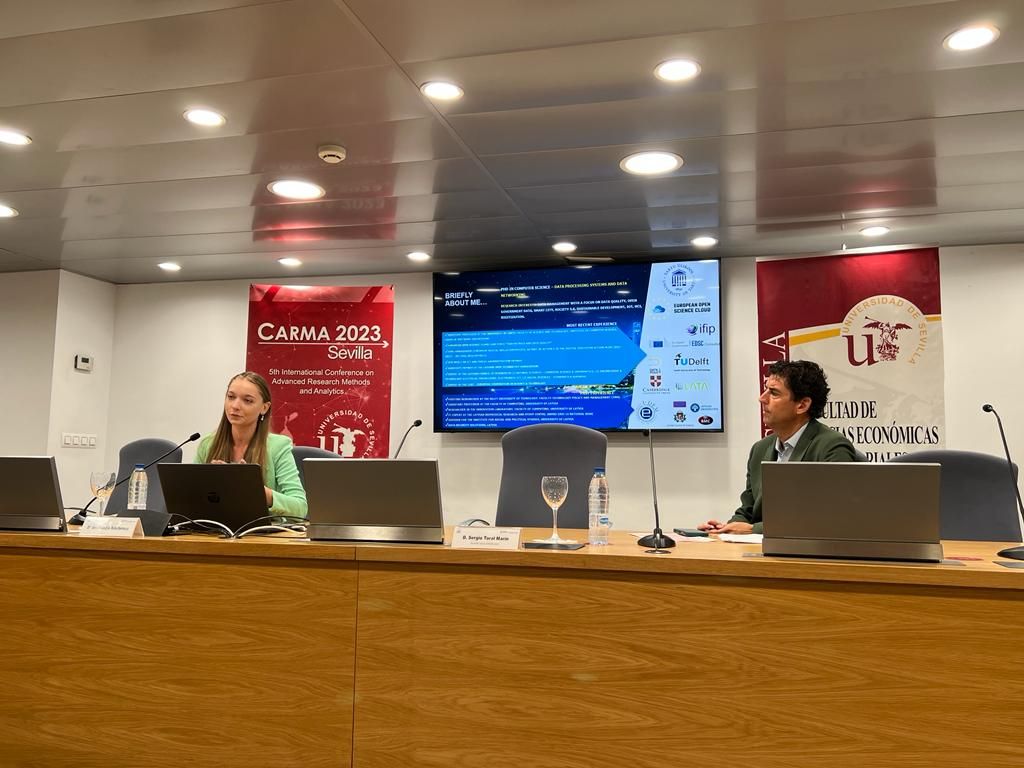
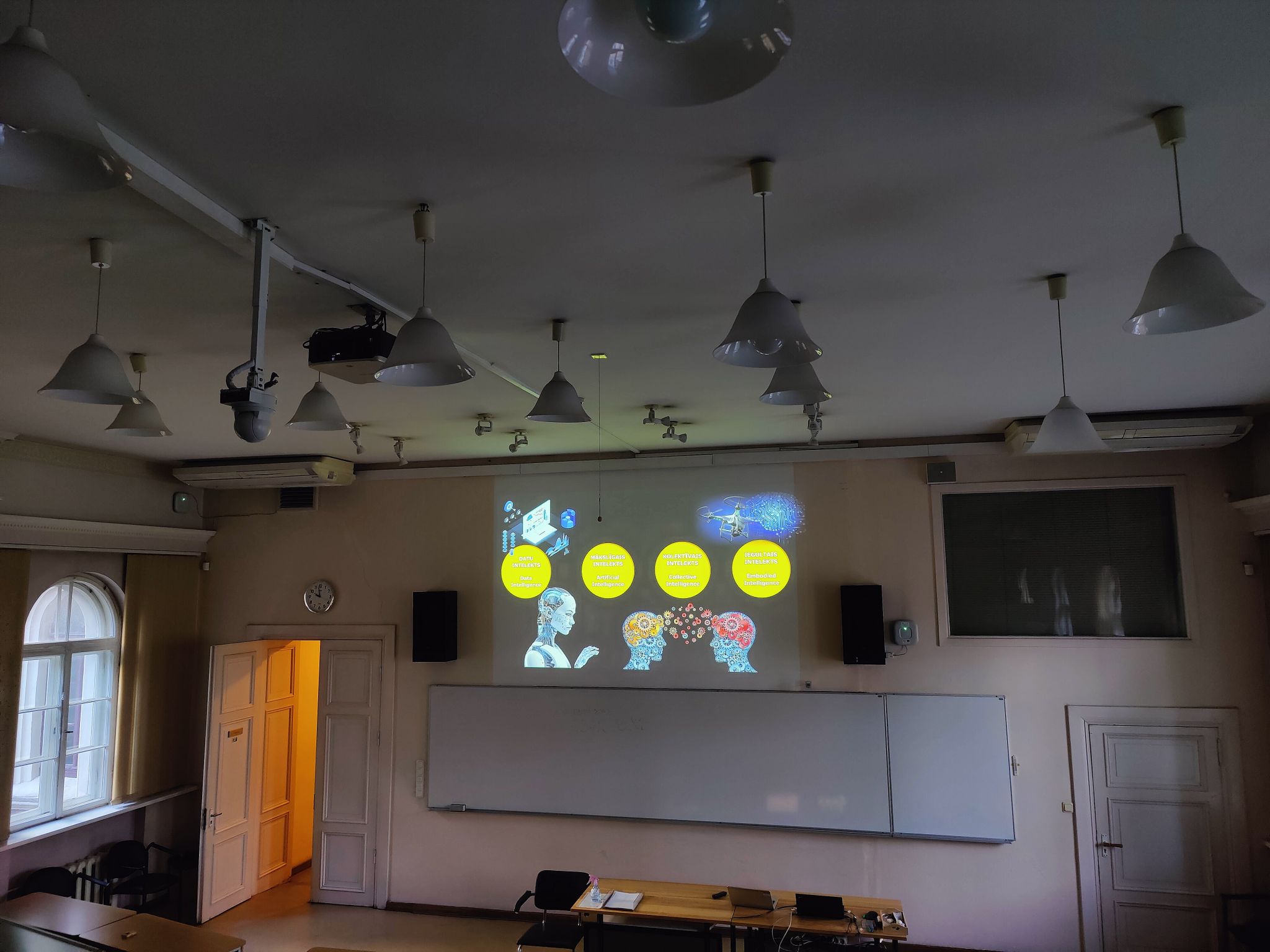
Moreover, I had the pleasure of covering all those topics that I love and deal (or dealt) with, namely public/ open data ecosystems, data quality management, information systems / data security, and intersection of artificial intelligence, data intelligence and collaborative intelligence. Moreover, I had the exceptional pleasure of delivering them to very different audiences, where two talks were delivered to academic circles (CARMA2023 and DemocrAI as part of PRICAI), one – to participants of one of the leading hackathons in Europe (HackCodeX Forum), and one – to representatives of industry (CyberCommando’s meetup 2023):
In addition, plenary debates within the Research and Innovation Forum 2023 “Innovation 5.0: Navigating shocks and crises in uncertain times Technology-Business-Society” (RiiForum2023): “Advances in ICT & the Society: threading the thin line between progress, development and mental health“, where I was kindly invited to take part as one of plenary speakers, is another wonderful experience worth mentioning, especially, when you are invited with the line stating that your “expertise and your contribution to the academic debate make you one of the trendsetters in current debate on open data and data quality management“. As part of this event, we – Prof. Dr. Yves Wautelet, Prof. Dr. Marek Krzystanek, Karolina Laurentowska & Prof. Marek Pawlicki – discussed disruptive technologies and their role in our professional lives in the past years, how they affected us and our colleagues, how they affect(ed) society and its specific groups, including their mental health, and general perception of technology, i.e. an enemy of humanity, or rather a friend and support, and how to make sure the second take place. And from this we have developed a discussion around AI, chatGPT, Metaverse, blockchain, even slightly touching on quantum computing. Of course, all this was placed in the context of democracy and freedoms / liberties. All in all, we approached the topic of governance and policy-making, which is too often reactive rather than proactive, which, in turn, leads to many negative consequences, as well as elaborated on the engineering practices. You can read about this here.
In addition, two international workshops were (co-)organized and chaired by me this year and took place as part of IFIP EGOV-CeDEM-EPART 2023 and dg.o 2023, namely:
The other role of session chair is particularly special as it allows you to actively participate in the discussion of all the works presented in those sessions, as well as to “drive” and “direct” the discussion established and developed by and with others participants. Therefore, I am often pleased to accept an invitation to chair sessions, and this year I did it for:
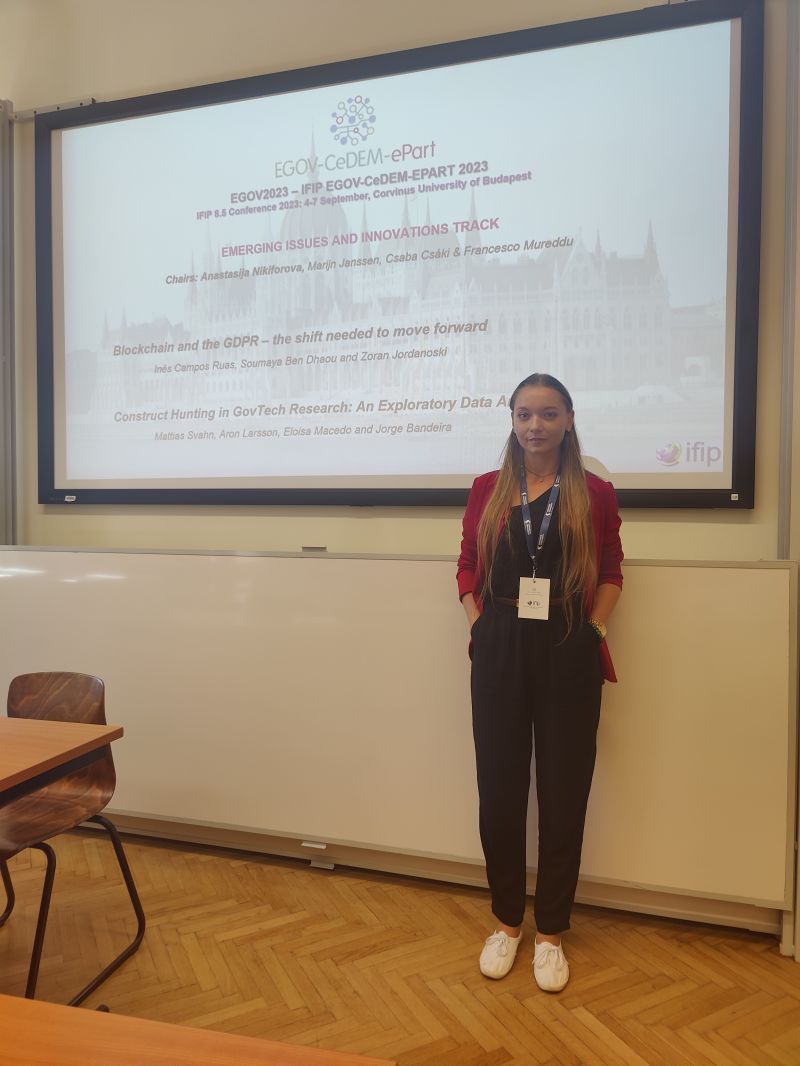
EGOV2023 – IFIP EGOV-CeDEM-EPART 2023, “Emerging Issues and Innovations” track
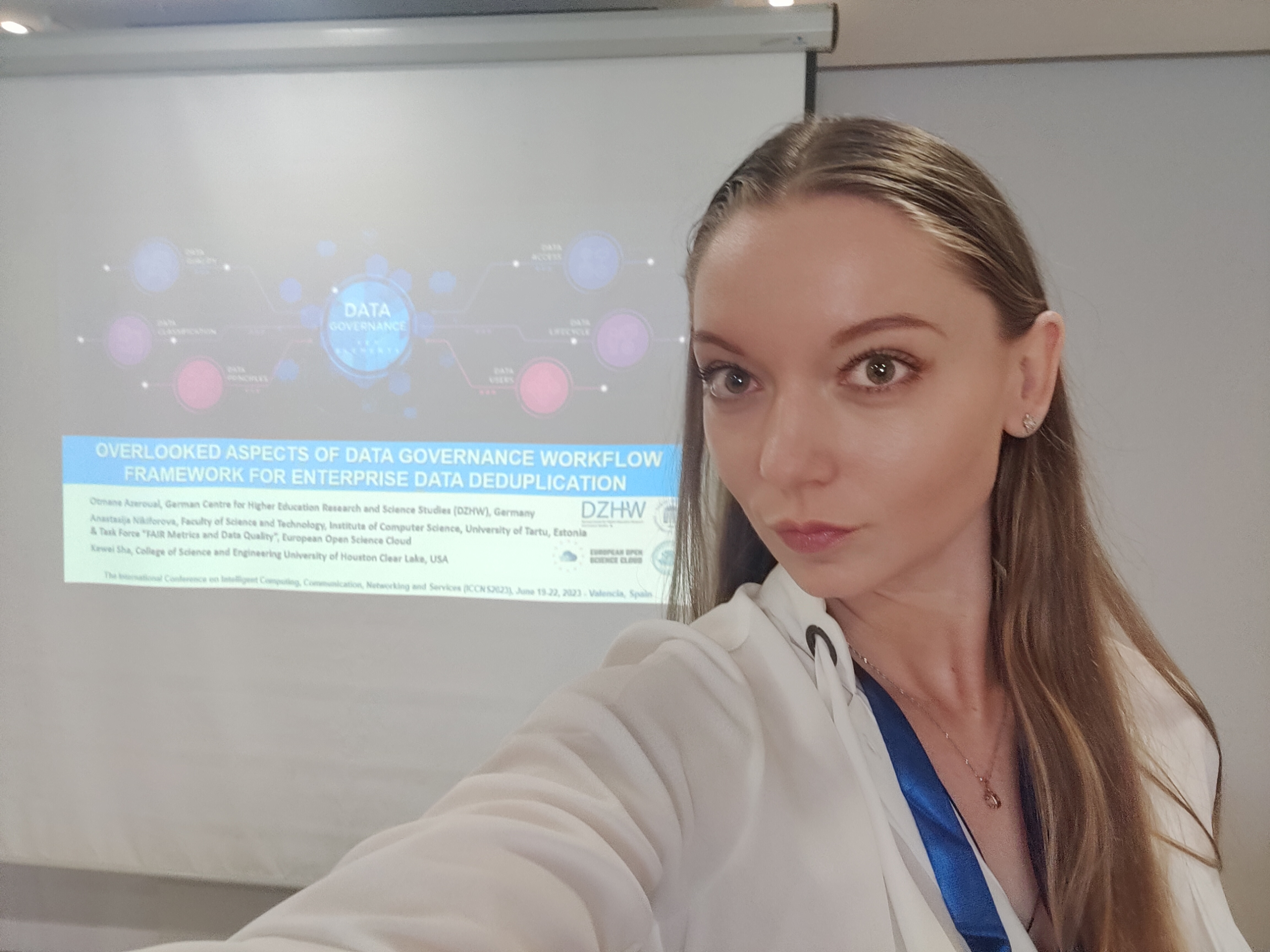
ICCNS2023 – The International Conference on Intelligent Computing, Communication, Networking and Services
Research and Innovation Forum 2023 “Innovation 5.0: Navigating shocks and crises in uncertain times Technology-Business-Society”
iMeta and FMEC 2023 – The International Conference on Intelligent Metaverse Technologies & Applications in conjunction with the The Eighth IEEE International Conference on Fog and Mobile Edge Computing (FMEC)
At some of these conferences, along with some others, I also serve as part of the program or even organizing committee, which allows me to be closer to the event itself, being involved in it as much as possible. This, of course, requires some efforts (at times a lot of them), but still it is a very valuable experience that allows to derive many valuable insights for developing yourself – for this opportunity this year I am grateful to all those 18 conferences that I managed to count (EGOV, AMCIS, iLRN2023 etc.), in which I have been involved in one or another capacity, taking one or another role that spans from publicity chair to steering committee member. Similarly, it is always a pleasure for me to serve as invited reviewer for high-quality journals (15+), as well as to serve as editor for some of them.
Of course, the above involves participation in these conferences as a speaker/ presenter, presenting your own papers. Therefore, the next point to mention and express my gratitude to both my colleagues – co-authors, reviewers, editors and many more, are those contributions that were published or born this year.
That is, several articles were published this year – 22 to be more precise, some of which were simply published in 2023, although they were written earlier (including my past collaboration with Quantum Humanities network, the Latvian Biomedical Research and Study Centre, BBMRI-ERIC Latvian National Node and others), 9 of which are journal papers (incl. both Government Information Quarterly – a top journal in public administration, social science and information science, and Nature-based European Journal of Human Genetics), 2 are book chapters, 8 – conference papers and 3 – whitepapers & reports, including those published by the European Commission (developed together with my colleagues from European Open Science Cloud (EOSC) Task Force “FAIR metrics and data quality”):
Shao, D., Ishengoma, F.R., Alexopoulos, C., Saxena, S., Nikiforova, A. and Matheus, R. (2023), “Integration of IoT into e-government”, Foresight, Vol. ahead-of-print No. ahead-of-print. https://doi.org/10.1108/FS-04-2022-0048, Q2 (Business and International Management, Economics, Econometrics and Finance), IF: 1.581, CiteScore: 3.1
Azeroual, O., Schöpfel, J., Pölönen, J., Nikiforova, A. (2023). FAIRification of CRIS: A Review. In: Coenen, F., et al. Knowledge Discovery, Knowledge Engineering and Knowledge Management. IC3K 2022. Communications in Computer and Information Science, vol 1842. Springer, Cham
Wilkinson MD, Sansone SA, Méndez E., David R., Dennis R., Hecker D., Kleemola M., Lacagnina C., Nikiforova A., Castro L. (2023) Community-driven governance of FAIRness assessment: an open issue, an open discussion [version 2; peer review: 2 approved with reservations]. Open Res Europe 2023, 2:146 (https://doi.org/10.12688/openreseurope.15364.2)
“Towards High-Value Datasets determination for data-driven development: a systematic literature review” (Nikiforova A., Rizun N., Ciesielska M., Alexopoulos C., Miletič A.) received a recommendation from The Living Library that seeks to provide actionable knowledge on governance innovation, informing and inspiring policymakers, practitioners, technologists, and researchers working at the intersection of governance, innovation, and technology in a timely, digestible and comprehensive manner, identifying the “signal in the noise” by curating research, best practices, points of view, new tools, and developments, has included it in their collection. This is already the second paper recommended by the Living Library (the first one was this paper) that is recommended by them, what makes me very proud – thanks a lot!
According to ResearchGate calculated Interest Score, my score is higher than 99% of ResearchGate members who first published in the same year as me, namely, 2018, which, however, means that more globally, i.e., among all ResearchGate members my current Research Interest Score is higher than 90% of researchers registered in it – although there is a lot of room for improvement, I still find it to be something to be grateful for to all my colleagues with whose support this has been achieved.
Moreover, this year I was listed in the Stanford University database of top 2% scientists! I recognize that this is just a single year category for 2022, and it is about sub-fields (Artificial Intelligence, Information Systems, Information Communication Technologies) same as I realize that citation metrics-based evaluations is not the best approach to assessing the impact and quality of research & researcher (although this database not only acknowledges, but also tries to tackle this issue to some extent), but for me it is a real achievement that made this year special!
Here I would also like to acknowledge the achievements of others, since this year I also witnessed 4 PhD defenses, acting as both opponent, internal reviewer and defense committee, all of which were successful. Here, I would like to once again congratulate both new PhD holders, namely:
Dr. Rozha K. Ahmed and her PhD thesis “Digital Transformation of Court Processes: Driving Forces, Success Factors, Regulations and Technology Acceptance” (TalTech – Tallinn University of Technology, TalTech School of IT) – read it here;
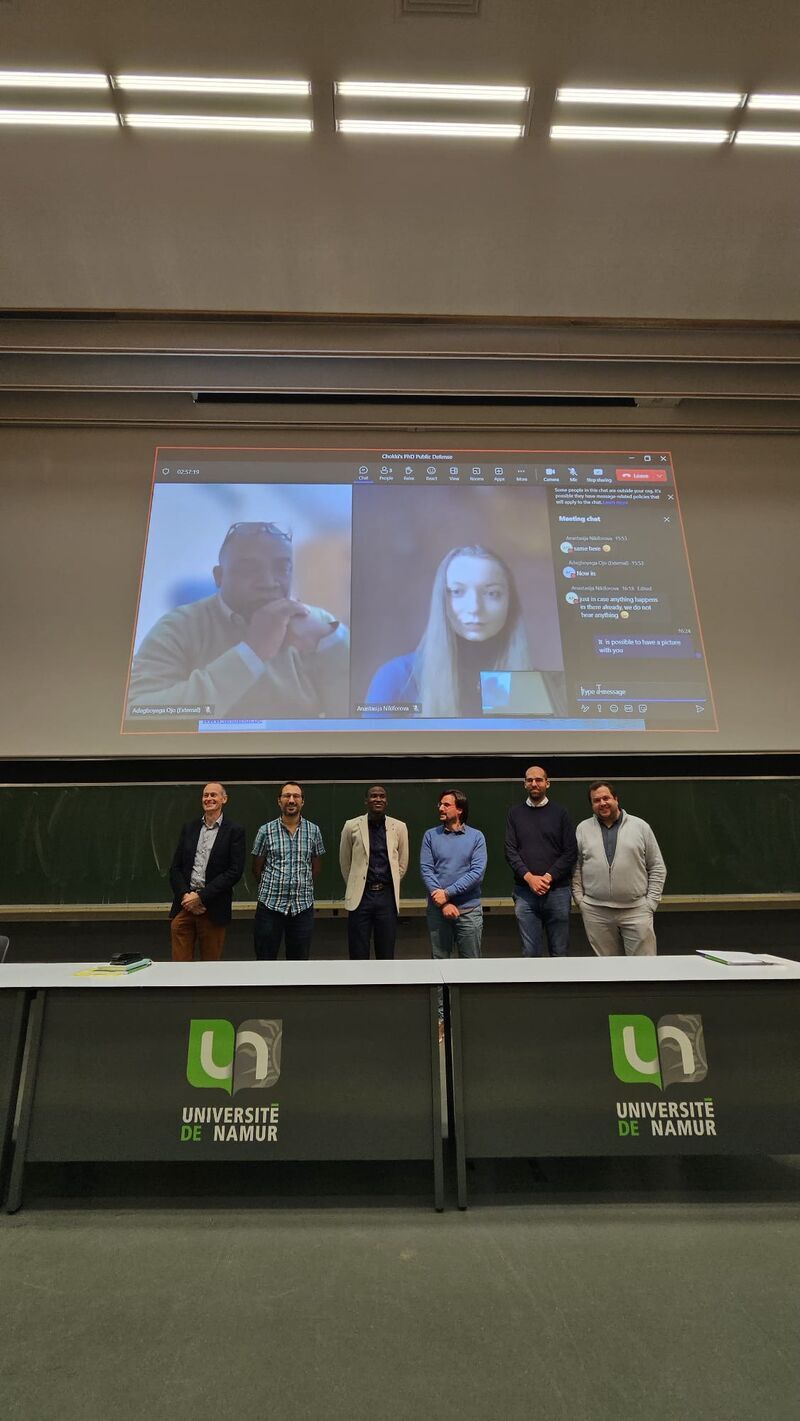
Dr. Abiola Paterne Chokki and his PhD thesis “Open Government Data: Empowering Reuse through Collaboration, Data Quality, and Data Storytelling” (The University of Namur / Université de Namur) – read it here;
Dr. Sidra Azmat Butt and her PhD thesis “A Digital Collaborative Platform to Facilitate Innovative Solutions for the Silver Economy” (TalTech – Tallinn University of Technology) – read it here;
Dr. Abasi-amefon Affia, who has successfully defended her PhD thesis “A Framework and Teaching Approach for IoT Security Risk Management” (University of Tartu) – read it here;
But, of course, I tried not only to acquire new knowledge and develop new skills or improve existing ones, but also to share them with others – students – my own (Business Process Management, as well as Systems Modelling courses) and of my colleagues, colleagues, pupils, school teachers, industry and others. This year I had a few more opportunities to do this by:
continuing collaboration with Latvian Open Technologies Association and serving as a mentor for Open Data hackathon and Idea Generator (this year focused on digital wallet) for pupils, organized by the Latvian Open Technologies Association with the support of Vides aizsardzības un reģionālās attīstības ministrija (VARAM)/ Ministry of Environmental Protection and Regional Development of Republic of Latvia, Latvijas Valsts radio un televīzijas centrs / Latvia State Radio and Television Centre, Valsts izglītības satura centrs / National Centre for Education of the Republic of Latvia, E-Klase, NOBID Consortium, Rīgas Tehniskā universitāte (Riga Technical University), European Commission and supporters – Omniva, ZZ Dats, Latvijas Banka/ The Bank of Latvia and others. This year the main topic of the hackathon was Digital Wallet for secure identification and wide service opportunities within Europe, as part of which dozens of pupils brought on the table great ideas on how the combination of open data and digital wallets can contribute to the development and improvement in such a different sectors, and improve lives of society – with healthcare, wellbeing, sustainability, ecology and simplification of processes as the main topics covered by participants (read a bit more here). This was my fourth hackathon in a row with LATA and it seems not the last;
continuing collaboration with the “School of Excellence” (latv. Izcilības skola), organized by the “Vertikāle” Youth Foundation in cooperation with the University of Latvia (Latvijas Universitāte) for the most promising 10th-12th grade students / brightest minds, helping them make decision about their future career. In this invited lecture, we looked at several topics that they could connect they career with – computer science, information systems, software engineering, artificial intelligence, collaborative intelligence, data intelligence, data quality management, open data, open government data – I hope this will help them make a decision, and, hopefully in favor of IT! This was my third time participating in this series of lectures, and I was already unofficially invited to continue this “tradition”;
continuing collaboration with Riga TechGirls as part of their exceptional program supported by Google.org (“Google Impact challenge” grant, in addition to local supporters such as the Ministry of Education and Science of Latvia, the Ministry of Culture, Riga city council (Rīgas Dome)), titled “Human on technology”, which is intended for more than 2000 Latvian teachers with the aim of disrupting technophobia and provide them with digital skills that are “must-have” in this digital world/ era, where in the last two years I have acted as both the lecturer and the lead mentor for the digital development workshop held as a part of the “Information and data literacy” module (read more…)
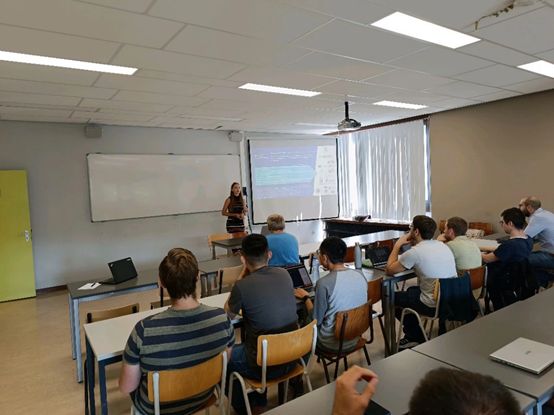
making a short research visit to the Université de Namur (Belgium), where I delivered a seminar on my past, current and future research activities, mainly focusing on two areas, namely Data Quality Management, and the open data-, open government data- and public data ecosystems- related topics, covering both technological and social aspects of the above, and their role in the context of Smart City, Society 5.0, sustainable development with the general title of the seminar “Data Ecosystems: from User Centered systems engineering to (open) data management for sustainable and smart living & society”. I was very surprised by a high attendance and very grateful to everyone who managed to find the time for this, especially those colleagues who brought some others – it was a great discussion of different viewpoints, which followed by the closed defense of Abiola Paterne Chokki that fit nicely this discussion as well!
Finally, several ongoing activities to be mentioned includes:
“Sustainable Public and Open Data Ecosystems” track we (chairs: Anastasija Nikiforova, Anthony Simonofski, Anneke Zuiderwijk & Manuel Pedro Rodríguez Bolívar) launched as part of the Annual International Conference on Digital Government Research (dg.o2024) and awaits your submissions (read more here);
This is a very short list of the events that I wanted to emphasize, and therefore, a short list of what I am grateful for this year and all those who were or are part of it. Overall, it was a busy and eventful year, to which I grateful for all the positive experiences and opportunities to transfer existing knowledge and acquire new ones from all those events and people I met there. I hope the next year will be even better. And in this regard, I wish us all a peaceful, joyful and productive year, in which we can cooperate and collaborate exclusively with those we respect and want to work with!
This paper focuses on benchmarking of open data initiatives over the years and attempts to identify patterns observed among European countries that could lead to disparities in the development, growth, and sustainability of open data ecosystems, considering different potentially relevant contexts such as e-government, open government data, open data indices and rankings, and others relevant for the country under consideration. Specifically, this study conducts a comparative analysis of different patterns of open (government) data initiatives and their effects in the eight European countries – Austria, Belgium, Czech Republic, Italy, Latvia, Poland, Serbia, Sweden, using six open data benchmarks Global Open Data Index (GODI), Open Data Maturity Report (ODMR), Open Data Inventory (ODIN), Open Data Barometer (ODB), Open, Useful and Re-usable data (OURdata) Index, Open Government Development Index (OGDI), two e-government reports (57 editions in total), and other relevant resources, covering the period of 2013–2022. In other words, to attain the objective of the study, we developed the composite benchmarks-driven analytical protocol.
Using the developed composite benchmarks-driven analytical protocol and a Delphi method, we reached a consensus within a panel of experts and validated a final list of 94 patterns, including their frequency of occurrence among studied countries and their effects on the respective countries. Finally, we took a closer look at the developments in identified contexts over the years and defined 21 recommendations for more resilient and sustainable open government data initiatives and ecosystems and future steps in this area.
We then performed the cluster analysis to find similarities between patterns based on their occurrence and effects (impacts). Both these analyses suggest a close link between approaches to benchmarking of open data initiatives and the development of e-government over the years. We found that e-government services, their interoperability, availability, transparency, efficiency, etc., have a positive influence here, i.e., to what extent OGD and related concepts will merge with e-government and can use its infrastructure and related services for their growth. Finally, we were also able to extract from the 25 patterns six high-level recommendations that are considered the key to success, i.e., for a sustainable and resilient OGD initiative. The discussion, in turn, allowed us to formulate 15 more recommendations for public administration, those who use/interpret indices, benchmarks, and reports, and academia, indicating some research agenda.
These are expected to lead to improved performance in applied indices and rankings and, more importantly, will facilitate the achievement of the benefits with which open (government) data are associated. While this is expected to be primarily important in instructing ODEs’ stakeholders (mainly policymakers), the findings identified the current research gaps to be further explored by researchers. As future research, we will expand the study to other countries, focusing our attention in specific areas of the OGD ecosystems to get valuable insights concerning OGD strategies used and in identifying development stages in OGD.
Lnenicka, M., Nikiforova, A., Luterek, M., Milic, P., Rudmark, D., Neumaier, S., Santoro, C., Casiano Flores, C., Janssen, M., & Rodríguez Bolívar, M. P. (2024). Identifying patterns and recommendations of and for sustainable open data initiatives: A benchmarking-driven analysis of open government data initiatives among European countries. Government Information Quarterly, 41(1): 101898. https://doi.org/10.1016/j.giq.2023.101898
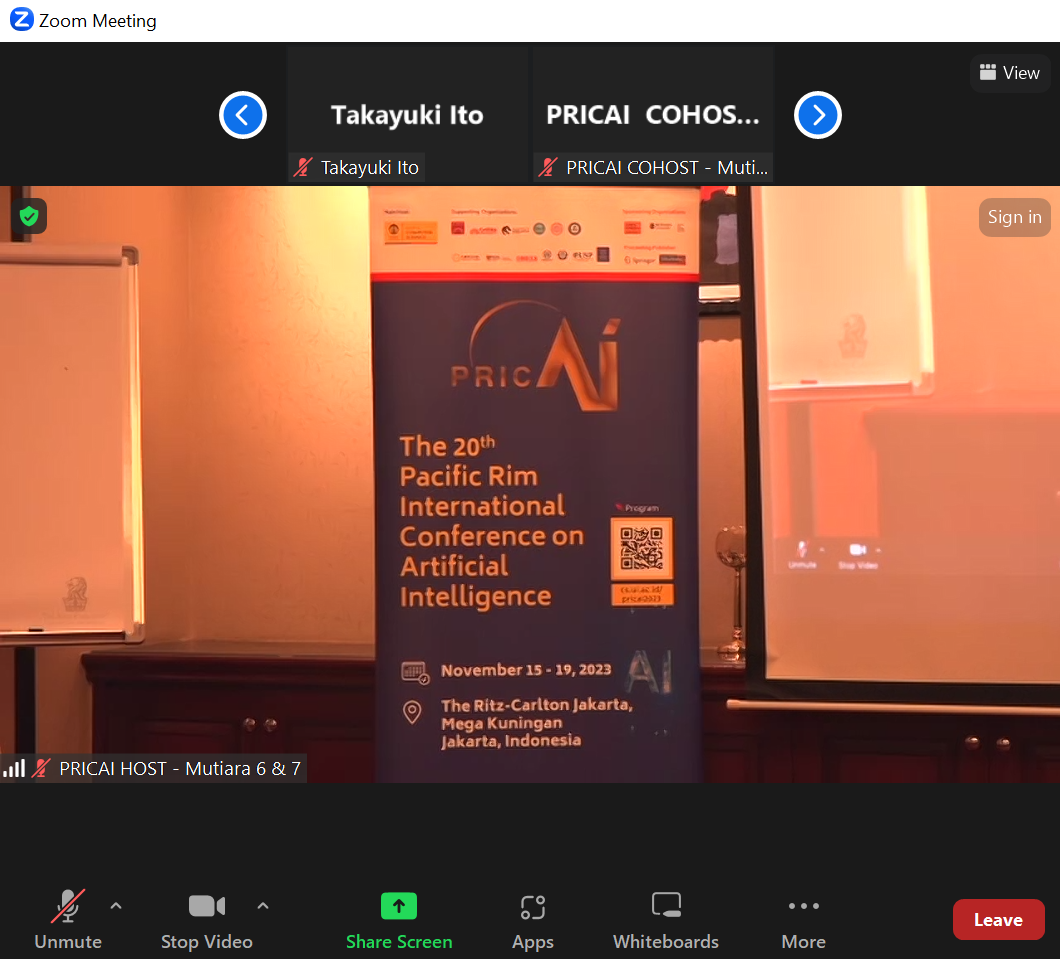
This November I was glad to deliver a keynote at The 3rd International Workshop on Democracy and AI (DemocrAI2023) held in conjunction with the 20th Pacific Rim International Conference on Artificial Intelligence (PRICAI2023), which I entitled “Unlocking the symbiotic relationship of Artificial Intelligence, Data Intelligence, and Collaborative Intelligence for Innovative Decision-Making and Problem Solving”.
In the pursuit of enhancing the efficiency and effectiveness of Artificial Intelligence, it is imperative to explore synergies with other form of intelligence, such Data Intelligence and Collaborative intelligence. These forms of intelligence (along with Embodied Intelligence) constitute a new transformative paradigm of intelligence proposed by Verhulst et al. (2021) that offers potential for increased added value when synergized. However, their synergy requires understanding and harnessing the symbiotic relationship between these intelligences. The reimagination of decision making and problem-solving processes, is essential to unlock this symbiotic potential fostering more meaningful, but at the very same time more sustainable AI utilization. In other words, AI itself brings a certain value that can be (and must be) increased through integration with other forms of Intelligence. This, in turn, has a list of preconditions / prerequisites that must be satisfied by the above – Artificial, Data and Collaborative Intelligence – components. These prerequisites are diverse in nature and span both the artifacts in question, such as AI, data (type, format, quality, value, availability, accessibility, incl. openness), stakeholders’ skills and literacies, but also management and organizational aspects. In other words, each form of Intelligence influences the others, making it crucial to explore their interconnections. This talk endeavoured to uncover this intricate web of relationships between the three forms of intelligence, taking a step towards a more meaningful and intelligent approach to decision making and problem solving.
As part of this talk we referred to the theory of multiple intelligences by Howard Gardner presented in his famous book “Frames of Mind: A Theory of Multiple Intelligences”. Then. we referred to the above mentioned intelligence paradigm proposed by Stefaan G. Verhulst, Peter Martey Addo, Dominik Baumann, Juliet Mcmurren, Andrew Young, Andrew J. Zahuranec in “Emerging Uses of Technology for Development: A New Intelligence Paradigm” To put it into the context of the workshop devoted to the role of AI to solving challenging problems by current-day communities and promoting conversational democracy, including but not limited to AI tools in social platforms, we reflected on democratic process, their variety – monitorial, deliberative and participatory democratic processes, and Democratic Activity Model of Open Data Use (DAMODU) proposed by Ruijer, E., Grimmelikhuijsen, S. and Meijer. Then, we finally turned to the discussion on the symbiotic relationship of Artificial Intelligence, Data Intelligence, and Collaborative Intelligence in several contexts with a focus on public and open data ecosystems, which included a brief reflections and outcomes on previous research jointly conducted with my colleagues (such as our paper on open data ecosystems, their calssification, transparency etc.) and indicating future avenues in the light of changing paradigms (or need for such) of both, intelligences, public and open data ecosystems, mechanisms for users (and citizens) engagement and processes accompanying these ecosystems.
This followed up by the fruitful discussion with the participants of the conference that I enjoyed very much (regardless of the fact it was 4AM my time 🙂 since the conference took place in Jakarta). Great thanks to the organizers of The 3rd International Workshop on Democracy and AI (DemocrAI2023) and 20th Pacific Rim International Conference on Artificial Intelligence (PRICAI2023) for having me!
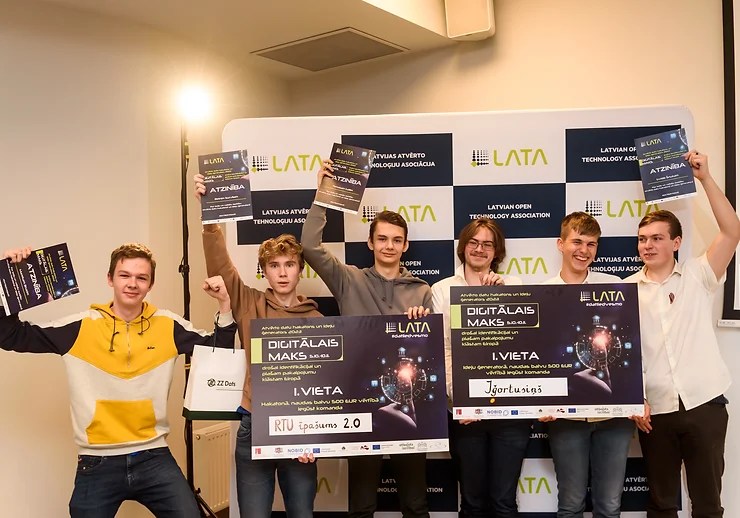
The annual Open Data Hackathon and Idea Generator of the Latvian Open Technologies Association (LATA), this year dedicated to the digital wallet, is over and we finally know the winners:
🏆The winner of Hackathon – “Application for finding a family doctor” by RTU Engineering High School team “RTU Property 2.0”
🏆The winner of Idea generator – “Taročeks” – an application to simplify the process of returning a deposit for beverage packaging (as an cross-border service!) – by RTU Engineering High School team “Iġortusiņš”.
We also greet a few more teams on the podium:
🥈“Savičs” team and their idea of “Delta – digital identity wallet” (latv. “Delta – digitālais identitāšu maks”)
🥈“Inov8hers” team and “MyWall8”
🥈“Pilsētas putni” and their idea to improve the health of Latvian society – “Latvijas sabiedrības veselības uzlabošana”
Both teams received prizes and some funding for implementing their ideas and for all the efforts they put into this, working on them for a month.
We – the mentors – were there to support them and we are really proud of all the finalists and their solutions – it is a great pleasure to contribute to the development of the younger generation by helping to develop their ideas, mindsets and skills at this fairly early stage as these participants are predominantly from 6th to 12th grade, although their ideas tend to be incredibly innovative, as are the skills demonstrated in developing those solutions.
It is my 4th time/year in a row to act as a mentor and each and every time I got surprised with all those ideas our mindsets bring on the table with healthcare, wellbeing, sustainability, ecology and simplification of processes as the main topics covered by participants, which are addressed (at least partly) with open data – this year combining them with the idea of digital wallets – not the easiest task, bust still – challenge completed!
All in all, great event and the outcome for what we are thankful to both organizers – Latvian Open Technologies Association, partners – Latvijas Valsts radio un televīzijas centrs, Vides aizsardzības un reģionālās attīstības ministrija, Valsts izglītības satura centrs, NOBID Consortium, Rīgas Tehniskā universitāte (Riga Technical University), E-KLASE, European Commission and supporters – Omniva, ZZ Dats, Latvijas Banka!


























 Anastasija Nikiforova, PhD