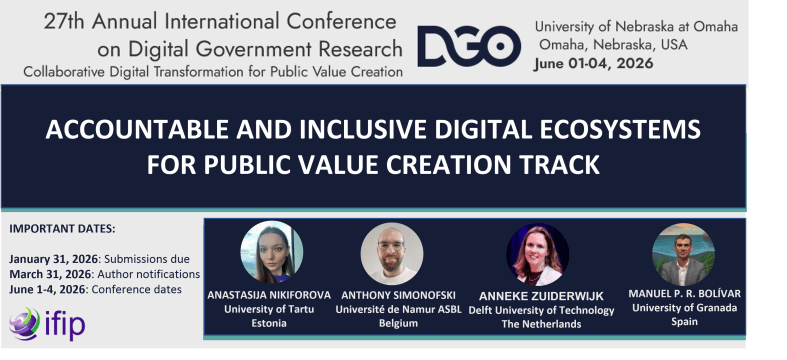
Call for Papers is now open for our track “Accountable and Inclusive Digital Ecosystems for Public Value Creation” at the 27th Annual International Conference on Digital Government Research (dg.o 2026). The conference will take place June 2–5, 2026, at the University of Nebraska at Omaha, USA.
This track continues and expands the work we initiated in 2024 and 2025 on public and open data ecosystems. Responding to new technological and societal realities, we broaden the focus this year toward AI-enabled, interoperable, sustainable, and human-centered digital ecosystems—their design, governance, and impact on public value creation.
Why this track? Why now?
Digital ecosystems are undergoing profound transformation. Emerging technologies—AI (including generative AI), interoperable data spaces, IoT, cloud–edge infrastructures, and new governance frameworks—now form the backbone of digital public action. These technologies unlock unprecedented opportunities for insight generation, collaboration, transparency, and service co-creation across sectors.
Yet they also introduce new challenges: ethics, accountability, trust, digital literacy, and inclusion. As governments and organizations navigate this shift, we need research that bridges technical innovation, institutional capacity, and societal expectations.
Our track provides a space for this conversation.
What the track explores
We invite contributions that examine the conceptual, technical, institutional, and societal dimensions of digital and data ecosystems, with an emphasis on accountability, sustainability, inclusivity, and public value.
Topics of interest include (but are not limited to):
Ethical and accountable AI, data governance, algorithmic transparency, privacy, security
Interoperability and trust frameworks, identity infrastructures, standards, reference architectures
Human–AI interaction, explainability, accessibility, inclusion in digital public services
Stakeholder engagement, empowerment, co-creation, digital literacy, data sovereignty
Institutional and organizational mechanisms for ecosystem governance and sustainable management
Open, public, and cross-sector data ecosystems, including data spaces and platform ecosystems
Social, economic, and environmental sustainability and other public value dimensions
Case studies from cities, communities, public-sector organizations, and multi-stakeholder collaborations
Impact assessments of digital ecosystems on individuals, organizations, and society
Connection to the dg.o 2026 theme
The conference theme—Collaborative Digital Transformation for Public Value Creation—aligns perfectly with our track’s purpose. Digital ecosystems represent socio-technical infrastructures where governance, technology, and societal needs intersect. Understanding how to make these ecosystems accountable, inclusive, and sustainable is essential for collaborative digital transformation and for delivering tangible societal outcomes.
Track chairs
Anastasija Nikiforova, University of Tartu (Estonia)
Anthony Simonofski, Université de Namur (Belgium)
Anneke Zuiderwijk – van Eijk, Delft University of Technology (Netherlands)
Manuel Pedro Rodríguez Bolívar, Universidad de Granada (Spain)
Together, we bring perspectives from digital government, data governance, public administration, information systems, and socio-technical ecosystem design.
We look forward to receiving your submissions and to advancing the conversation on how accountable, inclusive, and sustainable digital ecosystems can drive the next generation of public value creation.
If you have questions about fit or ideas you’d like to discuss, feel free to reach out.
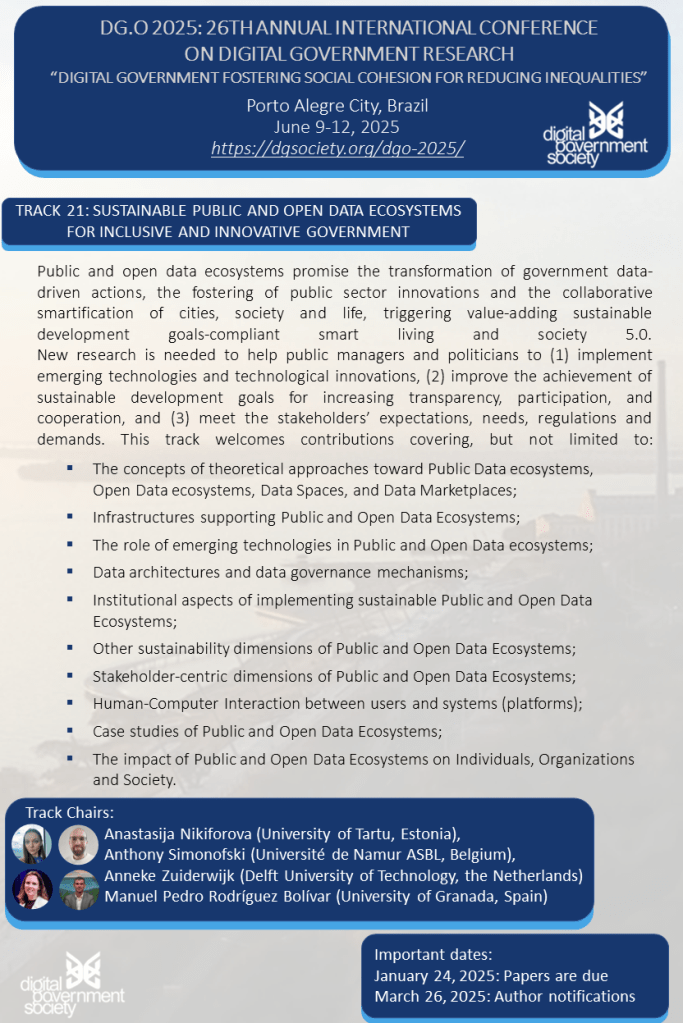
26th Annual International Conference on Digital Government Research (dg.o2025)is coming with continuation of the track we launched the last time – “Sustainable Public and Open Data Ecosystems for inclusive and innovative government” track (chairs: Anastasija Nikiforova (University of Tartu, Estonia), Anthony Simonofski (Université de Namur ASBL, Belgium), Anneke Zuiderwijk (Delft University of Technology, the Netherlands) & Manuel Pedro Rodríguez Bolívar (University of Granada, Spain)).
Briefly about the track… Today, the goal of an actor-centric public data ecosystem that would be sufficiently sustainable, resilient and fair, is defined as an approach capable of representing and keeping in balance the data interests of all actors[1], to bring expected value (both economic, social and environment) became central for public data ecosystems and other types of data infrastructures and data spaces[2] that are based on the concept of openness and data sharing among stakeholders. Public data and open (government) data ecosystems are seen as a political and socio-economic phenomenon that promise to benefit the economy, and increase transparency, efficiency, and quality of public services, including the transformation of government data-driven actions, stimulate public sector innovations in various areas of public life and promote civic engagement[3][4][5]. Having collaborative governance models in place is one of the prerequisites for a resilient and value-adding ecosystem, of which stakeholders are an inevitable element, making it necessary to ensure those ecosystems are stakeholder-oriented. These models are expected to support stakeholders/actors, who, however, may have different characteristics (incl. (open) data literacy and digital literacy), needs / demands and expectations (public sector, private sector, business, citizen) for public value creation and co-creation. Understanding, designing, and maintaining such an ecosystem is further complicated by the fact that both data, service and process quality must be ensured and kept maintained with a limited understanding of how the above are expected to be ensured even alone.
Recent research found that concepts affecting and shaping the ecosystem are: 1) stakeholders / actors and their roles, 2) phases of the data lifecycle, in which a stakeholder participates in the ecosystem, 3) technical and technological infrastructure, 4) generic services and platforms, 5) human capacities and skills of both providers and consumers, 6) smart city domains (thematic categories) as the targeted areas for data reuse, 7) externalities affecting goals, policy, and resources, 8) level of (de)centralization of data sources – development, restrictions, 9) perception of importance and support from public officials, and 10) user interface, user experience, and usability[6]. Moreover, these ecosystems same as its components are (co-)evolving over time[7] due to both internal and external factors. The latter – external factors – include technological developments. As such, the rapid development of emerging technologies such as big data, artificial intelligence (AI) is seen as a new trigger for public and open data development (AI for open data and open data for AI), machine learning (ML), federated learning (FL), internet of things (IoT), metaverse etc. provides new opportunities to improve these ecosystems in a disrupt way to be useful for collaborative governance models. Also, the link between Open Data Ecosystems and sustainable development goals (SDG) seems to be more relevant nowadays in their way to build more democratic cities based on government transparency, citizen participation, and citizen cooperation. Finally, higher expectations, needs and demands of businesses and citizens, derived from the implementation of B2G, C2G models, that influence and shape the design and development of these data environments, as well as expected to be affected, e.g., B2G in relation to which European Commission is taking regulatory action and is preparing the Data Act to set the rules and conditions, thereby changing the current voluntary model to a more mandatory data sharing. Current research suggests that these topics are of great importance to governments, as well as businesses and citizens, whose efforts should complement each other in order to enable effective data reuse and value co-creation
As such, as public and open data ecosystems promise the transformation of government data-driven actions, the fostering of public sector innovations and the collaborative smartification of cities, society and life, triggering value-adding sustainable development goals-compliant smart living and Society 5.0. New research is needed to help public managers and politicians for (1) implementing emerging technologies and technological innovations, (2) improving the achievement of sustainable development goals for increasing transparency, participation, and cooperation, and (3) meeting the stakeholders’ expectations, needs, regulations and demands.
As such, this track welcomes contributions covering, but not limited to:
The concepts of theoretical approaches toward Public Data ecosystems, Open Data ecosystems, Data Spaces, and Data Marketplaces;
Infrastructures supporting Public and Open Data Ecosystems;
The role of emerging technologies in Public and Open Data ecosystems (incl. but not limited to AI, Generative AI, LLM, NLP, cloud computing, green computing, Metaverse etc.);
Data architectures and data governance mechanisms;
Institutional aspects of implementing sustainable Public and Open Data Ecosystems;
Other sustainability dimensions of Public and Open Data Ecosystems;
Stakeholder-centric dimensions of Public and Open Data Ecosystems;
Human-Computer Interaction between users and systems (platforms);
Case studies of Public and Open Data Ecosystems, incl. but not limited to Local Government Level Data Ecosystems, e.g., Smart Cities Data Ecosystems;
The impact of Public and Open Data Ecosystems on Individuals, Organizations and Society.
The track welcomes both contributions covering the current state-of-the-art of public data ecosystems (what components constitute them, what are the relationships between these components, what makes an ecosystem resilient and sustainable), incl. individual case studies reflecting best or bad practices, as well as those addressing how these ecosystems can be transformed into more sustainable ecosystems that will “fuel” or “smartify” society (Information Society aka Society 4.0 to Super Smart Society aka Society 5.0 transition), cities and various areas of life.
The track is very aligned with the conference theme of DGO 2025, namely: Digital government fostering social cohesion for reducing inequalities. As mentioned in the theme description, “It focuses on strong social bonds in civic society, with responsive democracy and impartial law enforcement aiming at collaboratively addressing latent social conflicts. It involves building shared values in communities facing common challenges in an attempt to reduce disparities by increasing citizens’ feeling of belonging to a community and their engagement.” Public and open data ecosystems can be considered as environments that contribute to the above. Open data is aimed at reducing inequalities, open platforms constitute environments where data providers and data users find each other and collaborate and co-create to develop services and products useful for society, i.e., addressing their needs and tackling challenges society faces. While digital technologies enable the development of public and open data ecosystems, the adoption of such ecosystems has been fragmented. For instance, Van Loenen et al. (2021)[8] found that open data ecosystems “often do not balance open data supply and demand, exclude specific user groups and domains, are linear, and lack skill-training” (p. 2), which reduces their value-generation and sustainability.
Is your research related to any of the above topics? Then do not wait – submit!
🗓️🗓️🗓️Important Dates:
January 24, 2025: Papers, workshops, tutorials, and panels are due March 26, 2025: Author notifications (papers, workshops, tutorials, panels)
[1] Calzati, S., & van Loenen, B. (2023). A fourth way to the digital transformation: The data republic as a fair data ecosystem. Data & Policy, 5, e21.
[2] Lnenicka, M., Nikiforova, A., Luterek, M., Milic, P., Rudmark, D., Neumaier, S., … & Rodríguez Bolívar, M. P. (2023). Understanding the development of public data ecosystems: from a conceptual model to a six-generation model of the evolution of public data ecosystems. Available at SSRN 4831881.
[3] Nikiforova, A., Rizun, N., Ciesielska, M., Alexopoulos, C., Miletič, A.(2023). Towards High-Value Datasets determination for data-driven development: a systematic literature review. In: Lindgren,I., Csáki, C., Kalampokis, E., Janssen, M.,, Viale Pereira,G.,Virkar, S., Tambouris, E., Zuiderwijk, A.Electronic Government. EGOV 2023. Lecture Notes in Computer Science. Springer, Cham
[4] Kassen, M. (2020). Open data and its peers: understanding promising harbingers from Nordic Europe. Aslib Journal of Information Management, 72(5), 765-785.
[5] Santos-Hermosa, G., Quarati, A., Loría-Soriano, E., & Raffaghelli, J. E. (2023). Why Does Open Data Get Underused? A Focus on the Role of (Open) Data Literacy. In Data Cultures in Higher Education: Emergent Practices and the Challenge Ahead (pp. 145-177). Cham: Springer International Publishing.
[6] Lnenicka, M., Nikiforova, A., Luterek, M., Azeroual, O., Ukpabi, D., Valtenbergs, V., & Machova, R. (2022). Transparency of open data ecosystems in smart cities: Definition and assessment of the maturity of transparency in 22 smart cities. Sustainable Cities and Society, 82, 103906.
[7] Nikiforova, A., Lnenicka, M., Milić, P., Luterek, M., & Rodríguez Bolívar, M. P. (2024, August). From the evolution of public data ecosystems to the evolving horizons of the forward-looking intelligent public data ecosystem empowered by emerging technologies. In International Conference on Electronic Government (pp. 402-418). Cham: Springer Nature Switzerland.
[8] Loenen, B. van, Zuiderwijk, A., Vancauwenberghe, G., Lopez-Pellicer, F. J., Mulder, I., Alexopoulos, C., … & Flores, C. C. (2021). Towards value-creating and sustainable open data ecosystems: A comparative case study and a research agenda. JeDEM-eJournal of eDemocracy and Open Government, 13(2), 1-27.
This October, I had the distinct honor of participating in Estonia’s premier event on open data, the Open Data Forum (Avaandmete foorum), organized by the Ministry of Economic Affairs and Communications of Estonia, invited to talk about the role of academia and private sector in the open government data landscape. This annual gathering brings together industry experts, academic researchers, and government leaders to discuss key trends, achievements, and the future of open data in Estonia, along with highlighting the contributions coming from universities awarding the best dissertations developed by Estonian students. The latter made this event very special for me, as one of my students – Kevin Kliimask – was awarded for his outstanding bachelor’s thesis 🏆 🥇 🏅!
In his thesis –“Automated Tagging of Datasets to Improve Data Findability on Open Government Data Portals,” Kevin developed an LLM-powered interface to automate dataset tagging in both English and Estonian, thereby augmenting metadata preparation by data publishers and improving data findability on portals by users – as the practice shows their presence tend to be a challenge. E.g., our analysis conducted on the Estonian Open Data Portal, revealed that 11% datasets have no associated tags, while 26% had only one tag assigned to them, which underscores challenges in data findability and accessibility within the portal, which, according to the recent Open Data Maturity Report, is considered trend-setter. The developed solution was evaluated by users and their feedback was collected to define an agenda for future prototype improvements. The thesis has been already transformed into the scientific paper 👉 “TAGIFY: LLM-powered Tagging Interface for Improved Data Findability on OGD portals“ presented at the IEEE international conference (I posted on this earlier 👉 here).
As for my talk titled “Unlocking the Power of Open Data: The Role of Academia and the Private Sector in Building Inclusive and Sustainable Open Data Ecosystems,” I emphasized the need for a holistic approach to open data that transcends merely opening/publishing data, rather requiring adopting a systemic view that considers an open data initiative as an Open Data Ecosystem (also confirmed by Open Data Charter 👉here), as we deal not only with open data (availability), portal, stakeholders, actors, but also processes surrounding them, emerging technologies & different forms of intelligence, going beyond just Artificial Intelligence, whose role, however, is crucial (see our paper on the eight-fold role of AI in OGD).
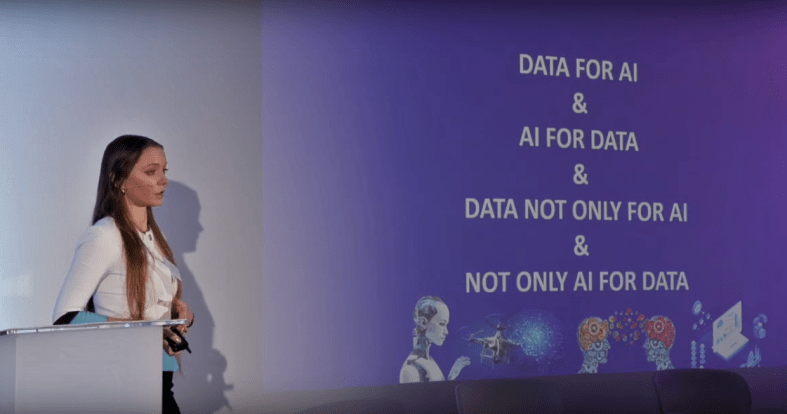
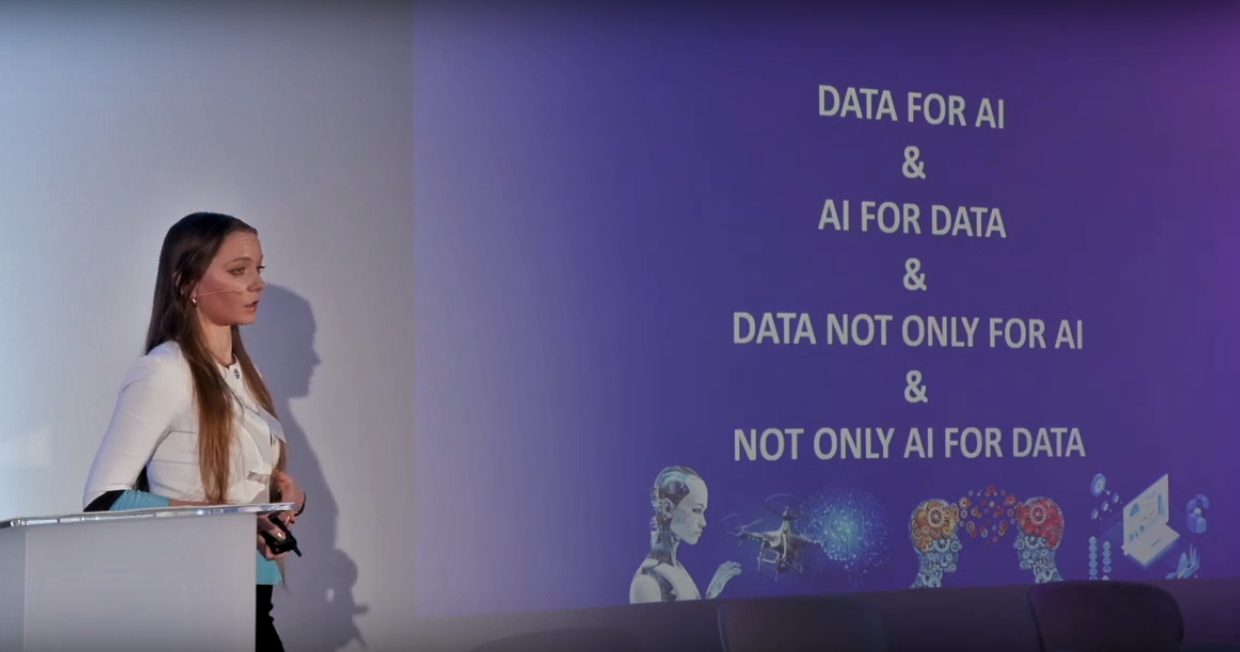
As such, while discussing the main idea of the talk – the role of academia & the private sector in the ODE, which as per me is at least four-fold, namely – data consumers, data providers, contributors to ODE sustainability & myth busters on the global stage (assigning “Made in Estonia” tag to OGD in addition to the one we have for e-government), I also expanded the general mantra of “Data For AI” to “data for AI, AI for data, data not only for AI and not only AI for data”.
A big thank you to the organisers, who gathered so many speakers (Cybernetica, FinEst Centre for Smart Cities, Riigi Infosüsteemi Amet // Estonian Information System Authority (NCSC-EE), University of Tartu and many others) to discuss the highlights of today & tomorrow for Estonian Open Data and High-Value Datasets in particular as it was the main focus of the Forum – was happy to be part of these discussions!
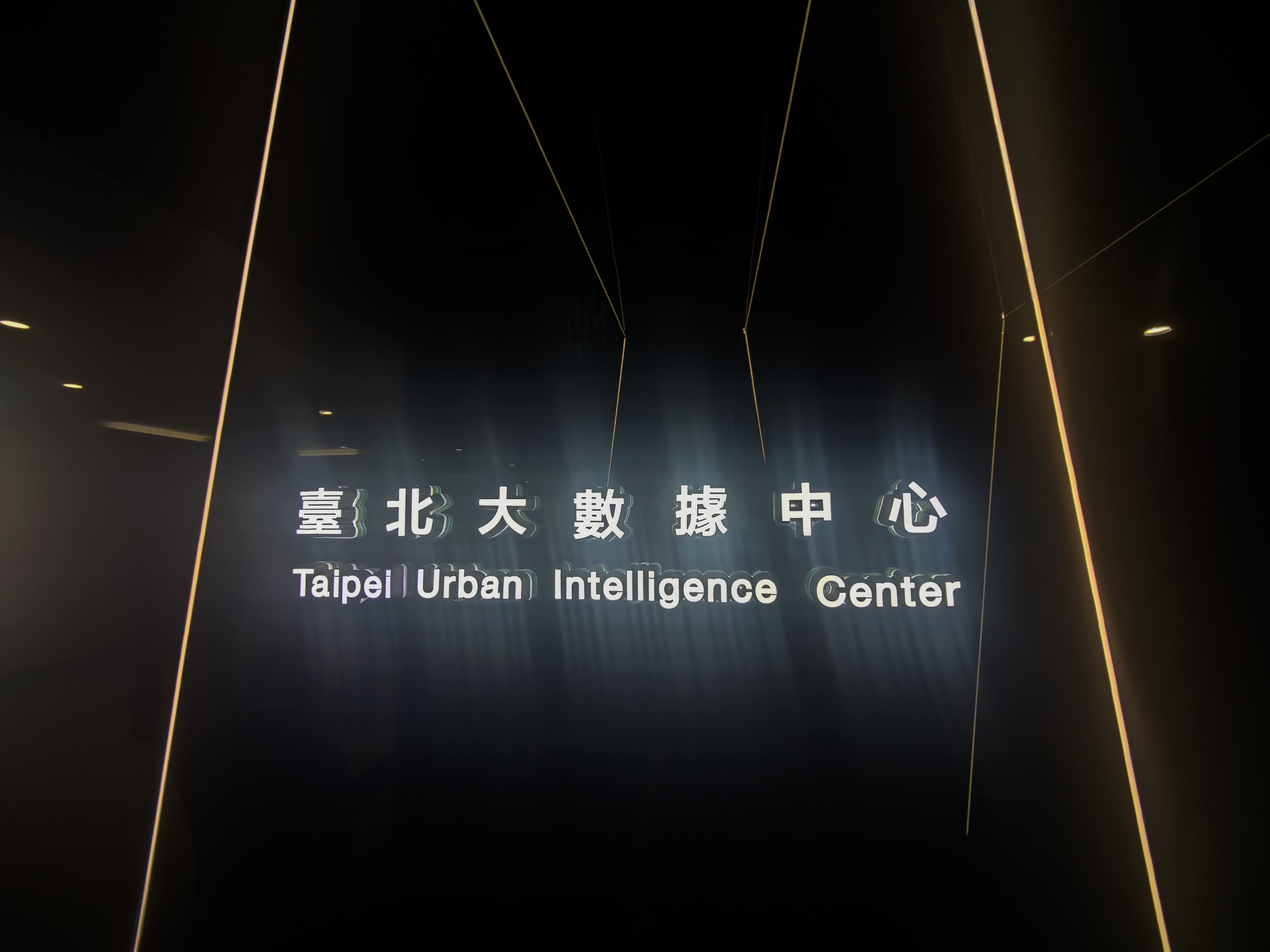
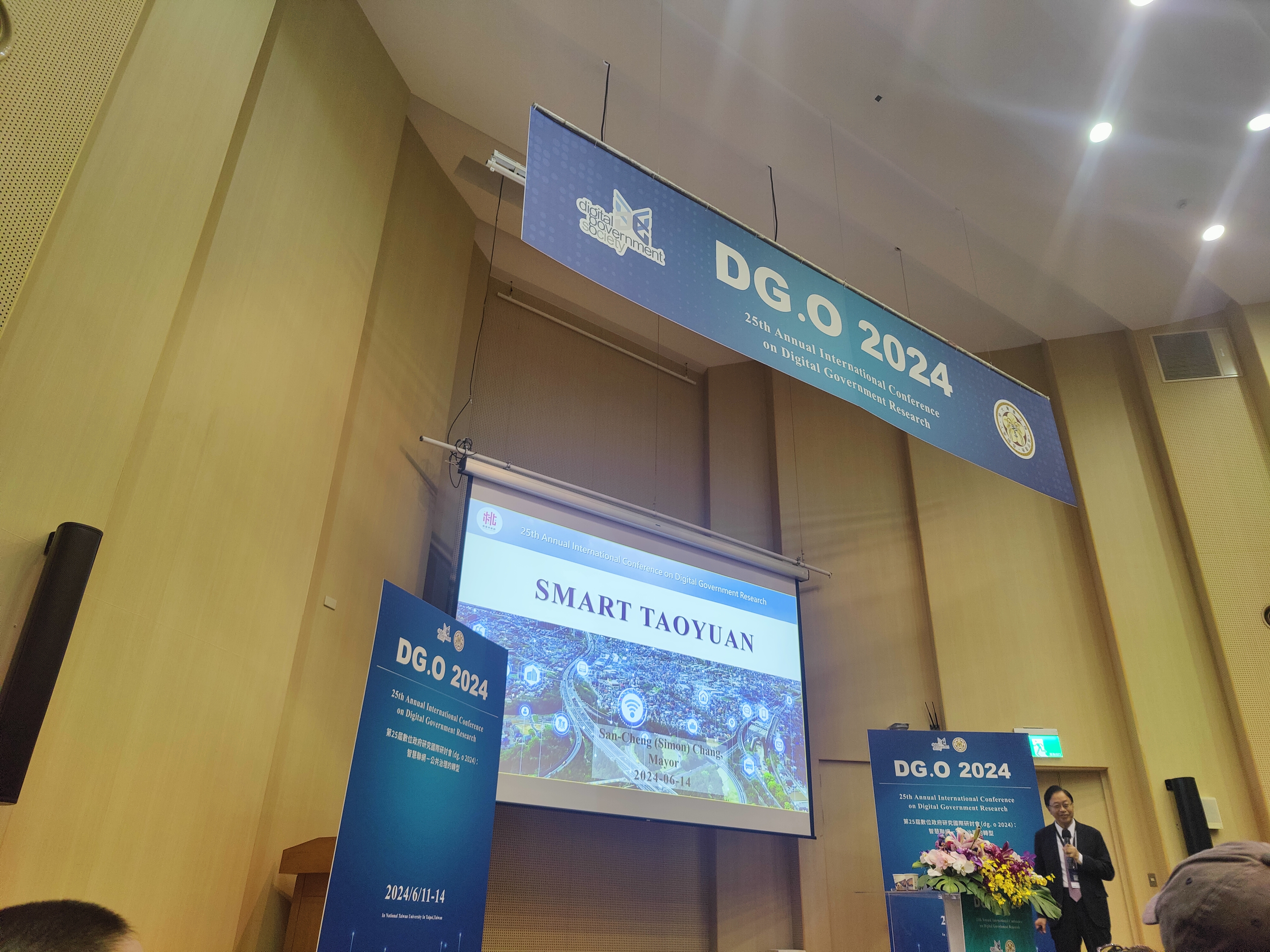
Last week, I had the pleasure of participating in the 25th Annual International Conference on Digital Government Research (DGO2024), organized by the Digital Government Society and hosted by National Taiwan University in the beautiful city of Taipei (Taiwan) under “Internet of Beings: Transforming Public Governance” theme. The conference offered an exceptional venue, warm hospitality from the local committee led by Helen Liu and her team, a rich social program, and an outstanding scientific program. The event featured well-selected keynotes and panels from prominent organizations such as Foxconn, the International Cooperation Center of TCA, Massachusetts Institute of Technology, Taipei Urban Intelligence Center, and the Ministry of Digital Affairs. Key topics included AI, Smart City initiatives, and Data Governance, which facilitated extensive networking and brainstorming sessions.
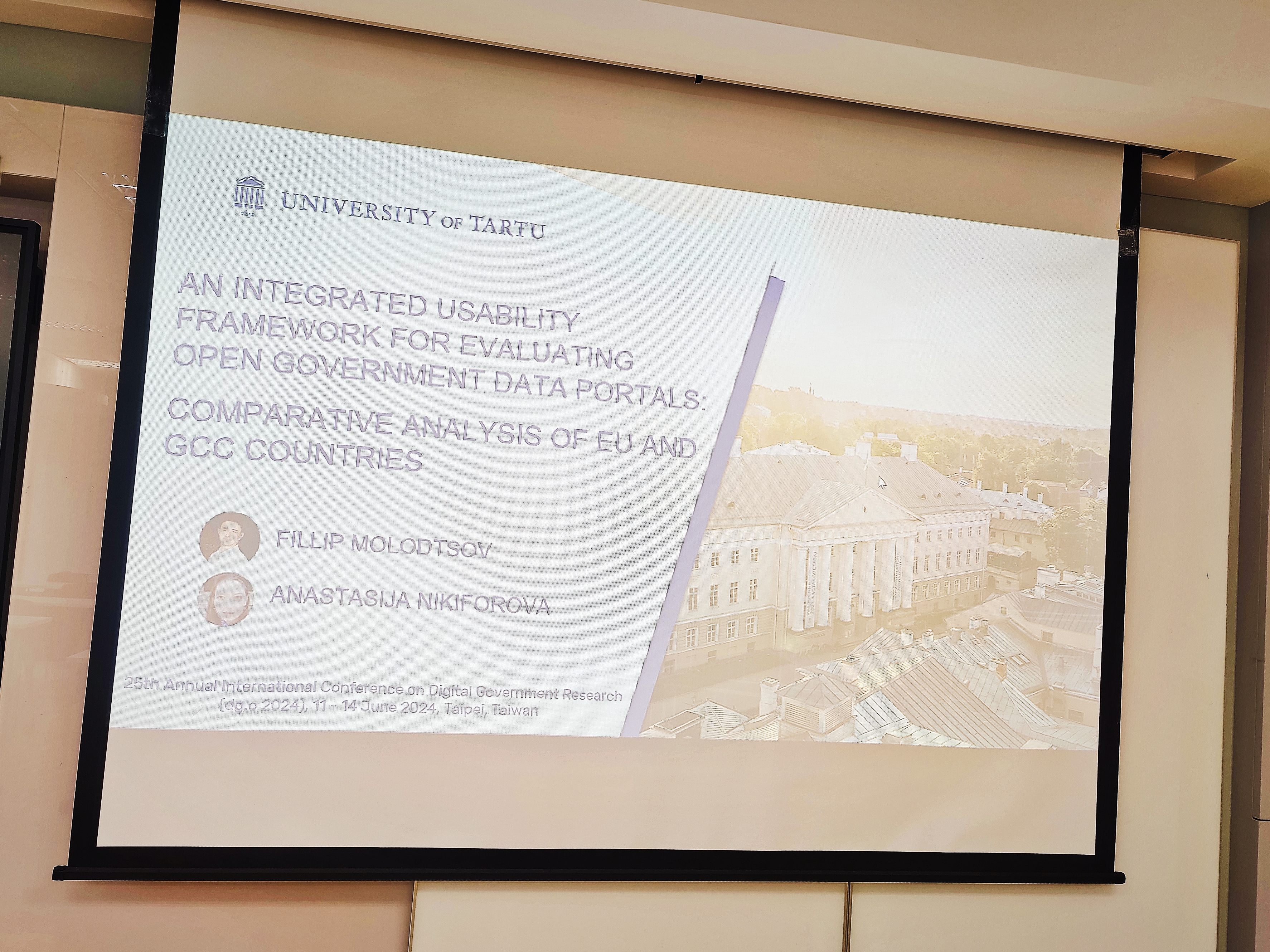
I was honored to contribute to this vibrant dialogue in multiple roles: presenter, track chair, panel organizer, and moderator. Together with my students and colleagues, we presented four papers, each reflecting our collaborative research efforts:
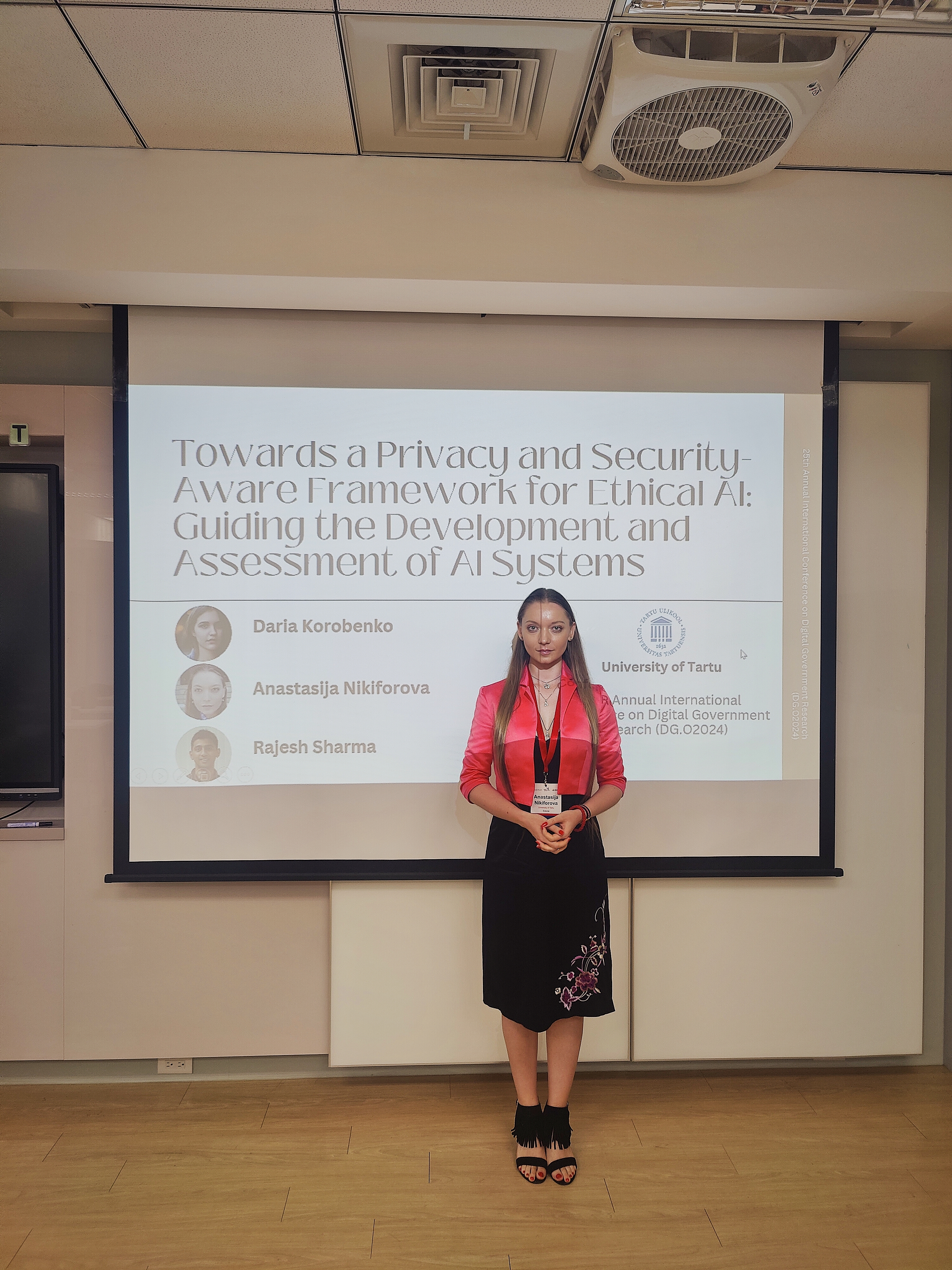
Towards a Privacy and Security-Aware Framework for Ethical AI (Daria Korobenko, Anastasija NIkiforova, Rajesh Sharma). The proposed (conceptual at the moment) privacy and security-Aware Framework for ethical AI is centered around the Data, Technology, People, and Process dimensions, where each dimension is guided by a set of specific questions to encompass the overarching themes of privacy and security within AI systems, while the framework itself follows a risk-based approach (similar to the EU AI Act). As such, it is designed to assist diverse stakeholders, including organizations, academic institutions, and governmental bodies, in both the development and critical assessment of AI systems.
Unlocking the Potential of Open Government Data: Exploring the Strategic, Technical, and Application Perspectives of High-Value Datasets Opening in Taiwan (Hsien-Lee Tseng and Anastasija Nikiforova). In short, data has an unprecedented value. However, availability of data in an open data format creates a little added value, where the value of these data [to the real needs of the end user], is key. This is where the concept of high-value dataset (HVD) comes into play, which has become popular in recent years (predominantly beforehand OD Directive by European Commission). Defining and opening HVD, in turn, is a complex process consisting of a set of interrelated steps, the implementation of which may vary from one country or region to another. Therefore, there has recently been a call to conduct research in a country or region setting considered to be of greatest national value. So far, only a few studies have been conducted, most of which consider only one step of the process, such as identifying HVD or measuring their impact. With this study, we explore the entire lifecycle of HVD opening in case of one of the world’s leading producers of ICT products – Taiwan. To do this, we conduct a qualitative study with exploratory interviews with representatives from government agencies in Taiwan responsible for HVD opening, namely Ministry of Digital Affairs, Ministry of the Interior, Ministry of Transportation and Communications, and the Ministry of Environment. As part of these interviews, we examine strategic aspects associated with HVD determination, technical aspects related to the dataset preparation stage (incl. data quality, granularity, update frequency, integration methods, or data evaluation), and application aspects related to the further assessment of the impact generated by HVD, identifying some good practices and weaknesses to be further examined and fixed.
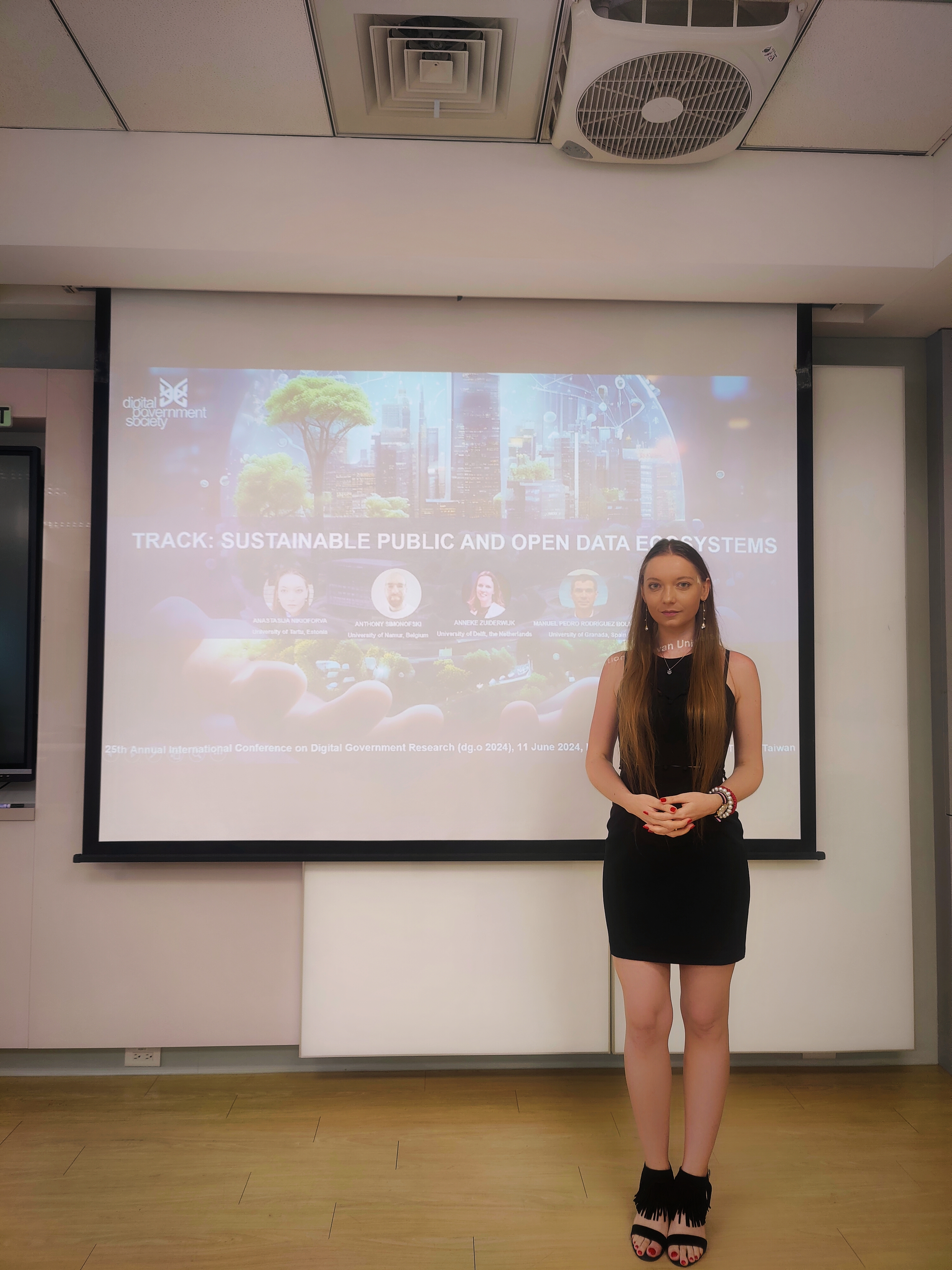
I also chaired the track “Sustainable Public and Open Data Ecosystems,” which we launched this year with colleagues, on which I posted before. Although this is the very new track, we received a good number of contributions as it appeared to be very timely and we hope to see it to have a continuation, serving as a stage for the dialogue by Digital Government Society around the public and open data ecosystem in and for our digital future. At least this session has demonstrated the interest in such an environment – many thanks to all, who actively participated in this discussion. BTW, should you be interested in difference between public vs open data ecosystem, I encourage you to read our conceptualization and typology in our “Understanding the development of public data ecosystems: from a conceptual model to a six-generation model of the evolution of public data ecosystems” paper. We also are optimistic that the best contributions from this track will soon be available in a special section of the Information Polity Journal that we have recently launched.
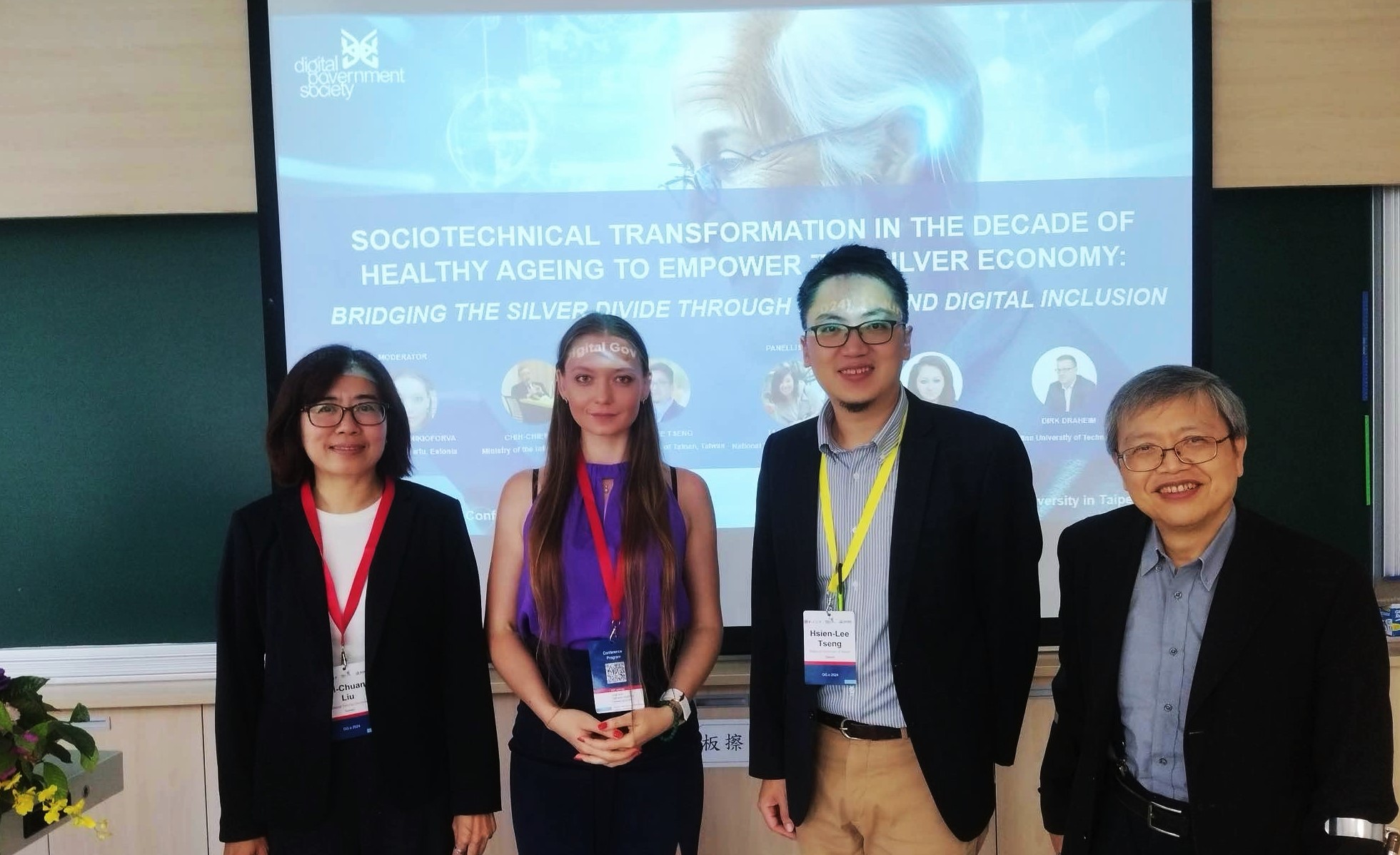
The Aged Dwelling Plan by the Ministry of Interior of Taiwan, which proactively delivers resources to those most in need through the Senior Living Needs Index Framework. It integrates cross-agency data such as household registration, building information, long-term care, low-income households, and open geospatial data.
The Digital Silver Hub constituting the ecosystem fosters innovative solutions for the silver population, involving the public sector, private sector, academia, and end-users. It utilizes a collective intelligence model to address the challenges faced by older adults.
Health Promotion, Technology Inclusion by National Taitung University aimed at achieving technological inclusion, this project focuses on non-discriminatory health promotion technology policies and activities for people with chronic diseases.
As such, our discussions highlighted the opportunities and challenges in supporting the Decade of Healthy Ageing, an initiative by the United Nations. Key themes included Data Management, Security, and Privacy, Digital Literacy and Regional Adoption, Human-Computer Interaction (HCI) and User-Centric Design, Interoperability. Our panel concluded that there is no one-size-fits-all solution to the challenges faced by the aging population. Instead, it is crucial to recognize and leverage the capacities and strengths of each region to develop tailored solutions, whether they be social, technical, or sociotechnical. By doing so, we can create effective and sustainable strategies to support healthy aging and bridge the silver divide.
The conference also featured a working meeting on the new Digital Government Society Chapter, “Artificial Intelligence & Government.” I contributed to the discussions and look forward to continued involvement and impact in this ambitious initiative led by Fadi Salem.
In summary, DGO2024 was an incredibly insightful and productive week.










 Anastasija Nikiforova, PhD