Wrapping up 2025! đźŚ˛đźĄ‚âś¨

2025 is close to be over and looking back at 2025, what stays with me most is not the accumulation of roles, publications, or events, although each of them matters, but the sense that the work is gradually finding its place, creating space for better questions, and shaped, refined, sustained by people and conversations rather than metrics alone. This year marked a consolidation of my research agenda around digital, data, and AI governance, with a strong emphasis on responsible AI adoption, public value, and sustainable data ecosystems. It also continued earlier started transition – from building a research profile to more explicitly shaping research spaces, communities, and conversations.

From Research Agenda to Institutional Responsibility

In 2025, I was appointed Associate Professor of Applied AI and Information Systems, a role that formalized something that had already been happening in practice – working at the intersection of AI innovation, governance, and responsibility. This appointment aligned naturally with my work on responsible AI adoption in the public sector, research on data-centric challenges, governance models, and institutional readiness, and a growing focus on sustainable and trustworthy digital ecosystems, and as of this year on Green AI, including collaborative work with KNOW Center and ENFIELD.

At the University of Tartu, we also laid important foundations for the future – the establishment of the IDEAS Lab (Intelligent Distributed Environments and Systems), and hence my new role as lead of the Responsible Innovation and Digital Governance Team (RISING) – a space that, hopefully, will become more visible in 2026.

Research Milestones: Asking Better Questions About AI

A symbolic, but meaningful, milestone this year was publishing my 100th and 101st (IT people will get the point of the later number, too) scientific papers. These special papers are “Responsible AI Adoption in the Public Sector: A Data-Centric Taxonomy of AI Adoption Challenges” – the work that crystallizes our empirical research into a structured understanding of why responsible AI adoption remains difficult, even when technical solutions exist, and “Reflections on the nature of digital government research: Marking the 50th anniversary of Government Information Quarterly” marking the 50th anniversary of Government Information Quarterly – the top journal I read extensively as a master’s student, and now serve as an editorial board member, contributing reflections on the journal’s past, present, and future trajectory. That continuity — from reader to contributor to steward — feels particularly meaningful.

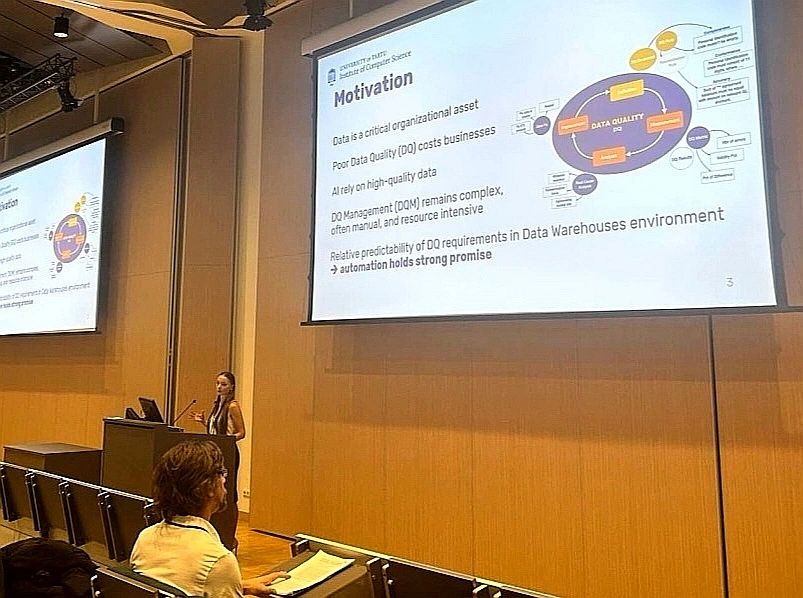
Beyond this, 2025 included some more contributions to Government Information Quarterly, Computer Law & Security Review, Telematics and Informatics, Information Polity, Data & Policy, EGOV2025, HICSS2025, CAiSE2025, DGO2025, and some more with topics ranging from data ecosystems, data and AI governance, post-bureaucratic governance, dark data, UX of open data portals to AI in education. What is more important, some of these papers were contributions of my students’ – from early master students to doctoral ones – my own or those more “adopted” ones I am always happy to collaborate with. All in all, seven students in total published their works this year and I hope for many more in the years to come!

Global Dialogue: From Keynotes to Fireside Chats

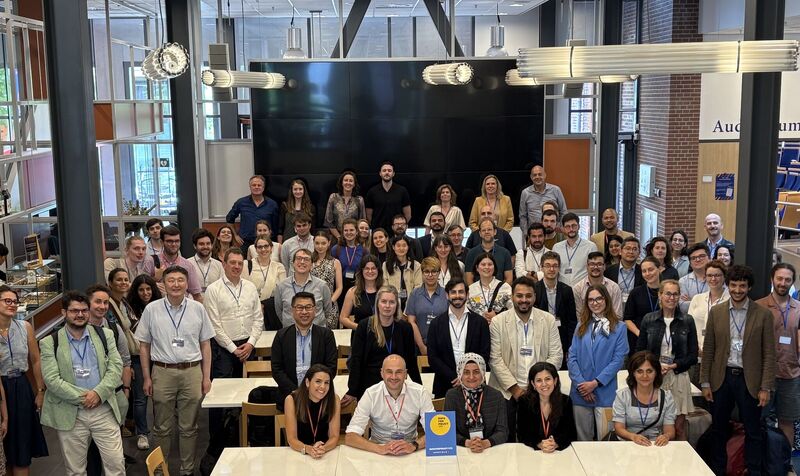
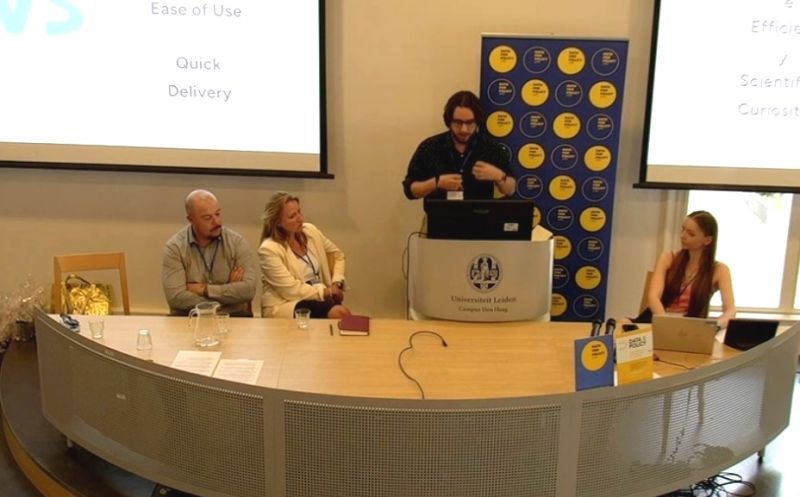
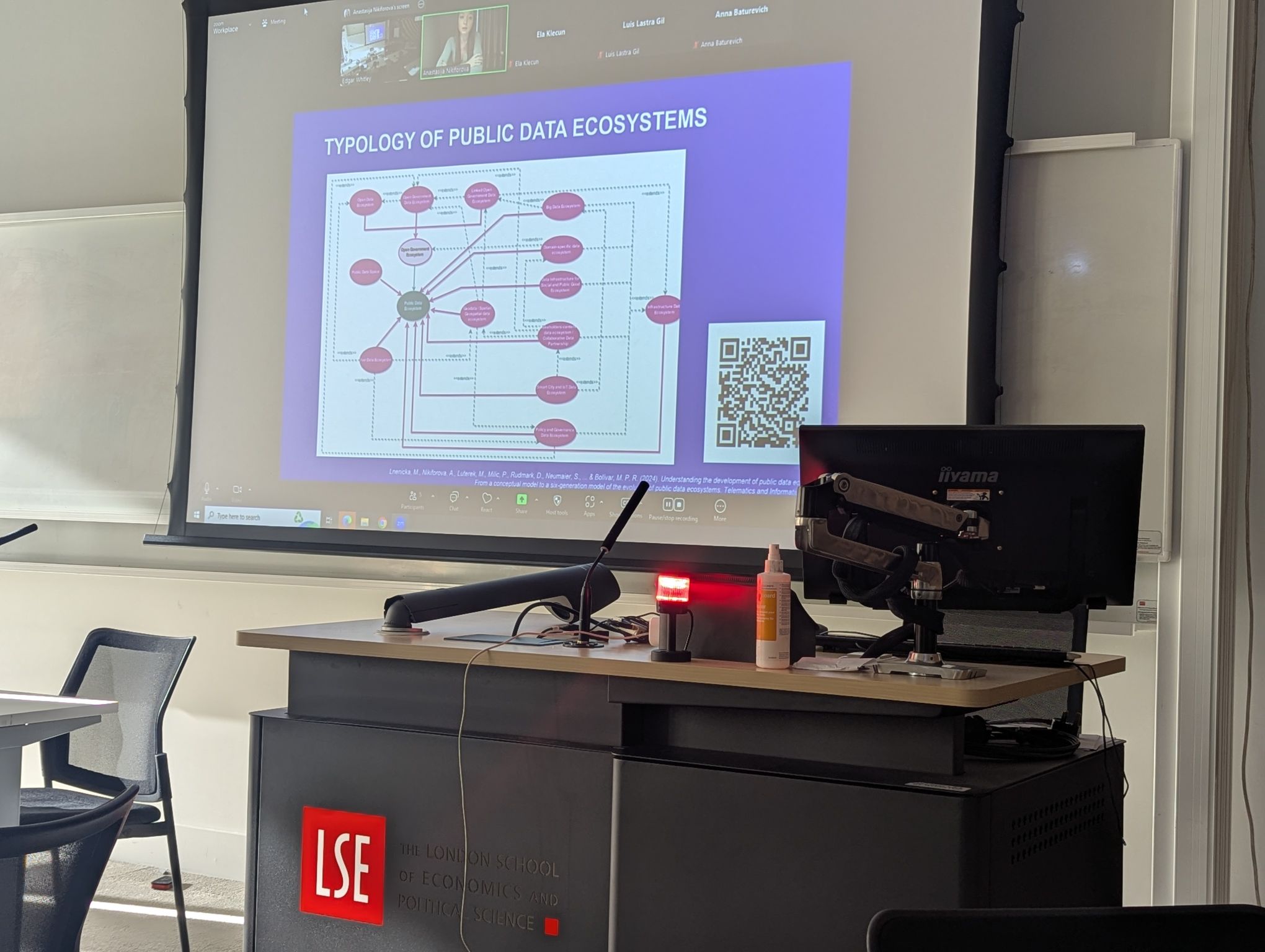
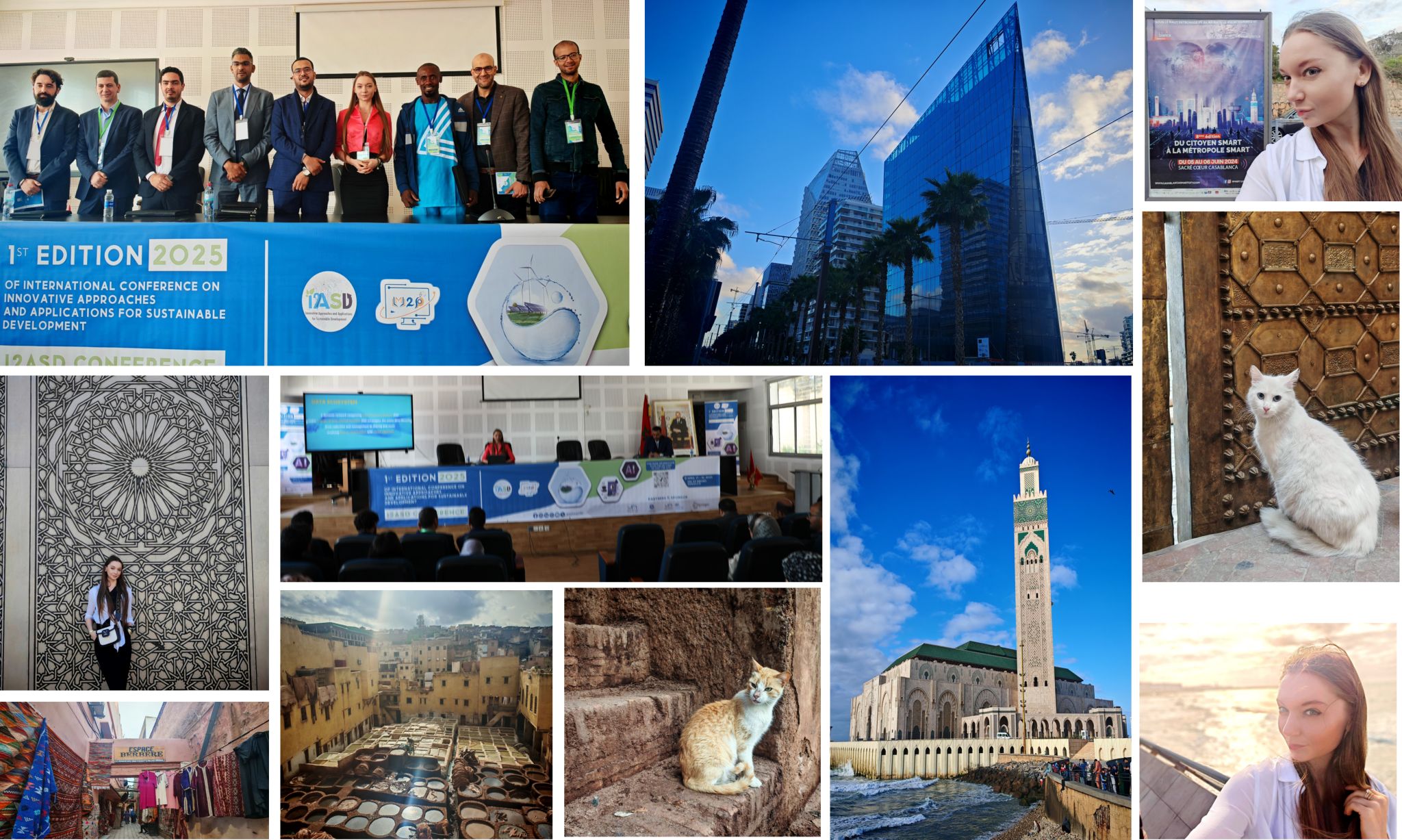
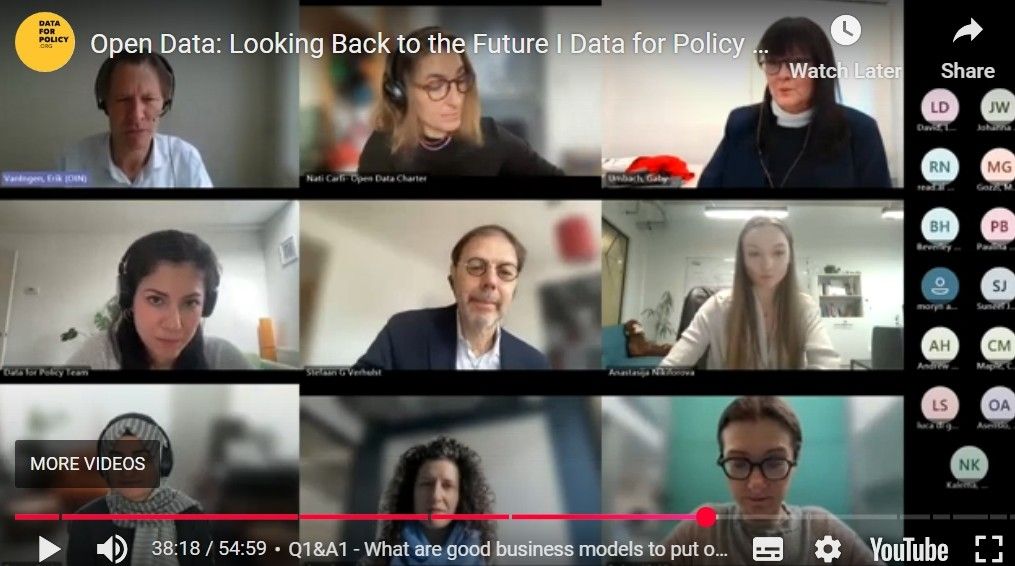
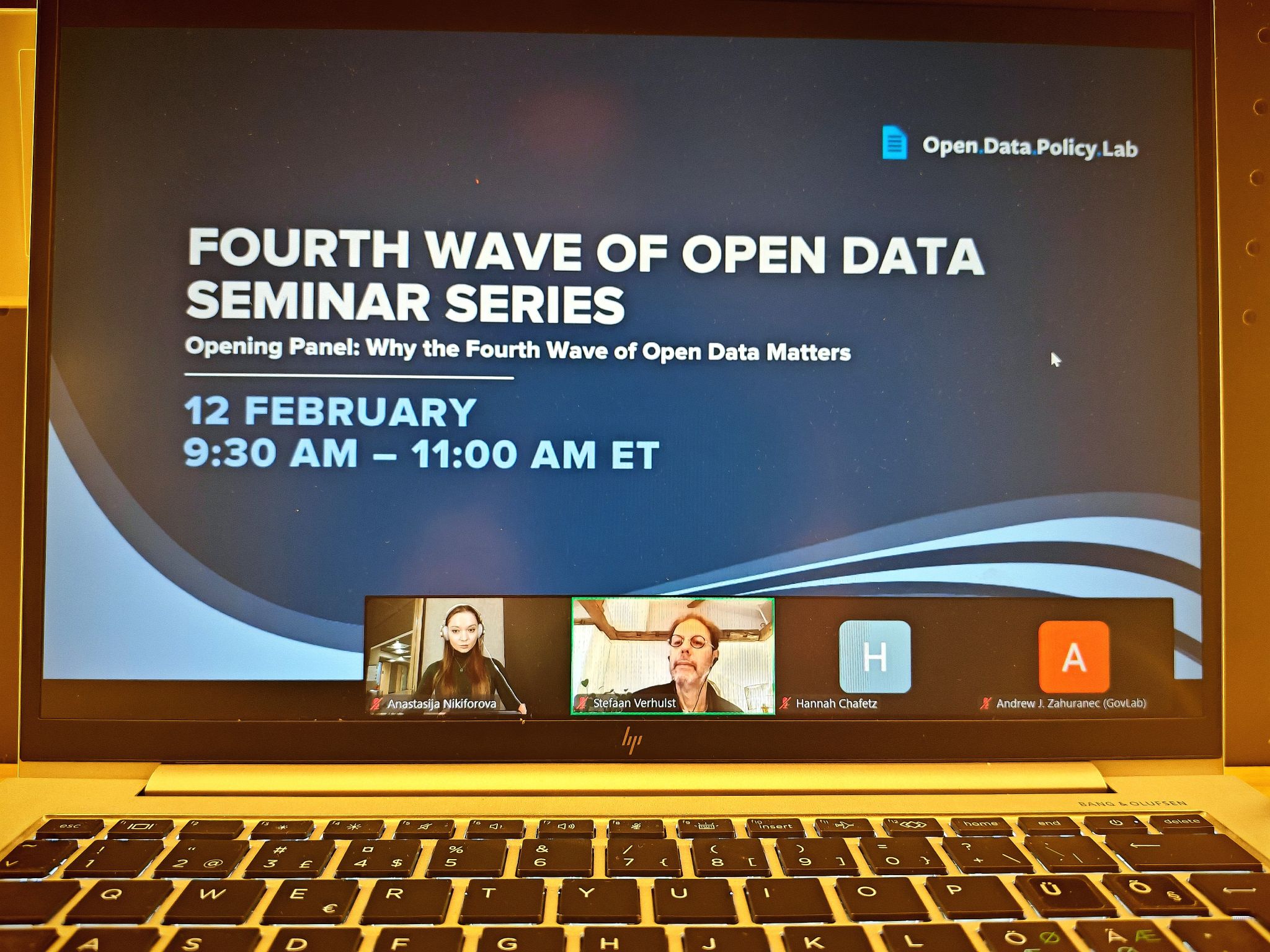
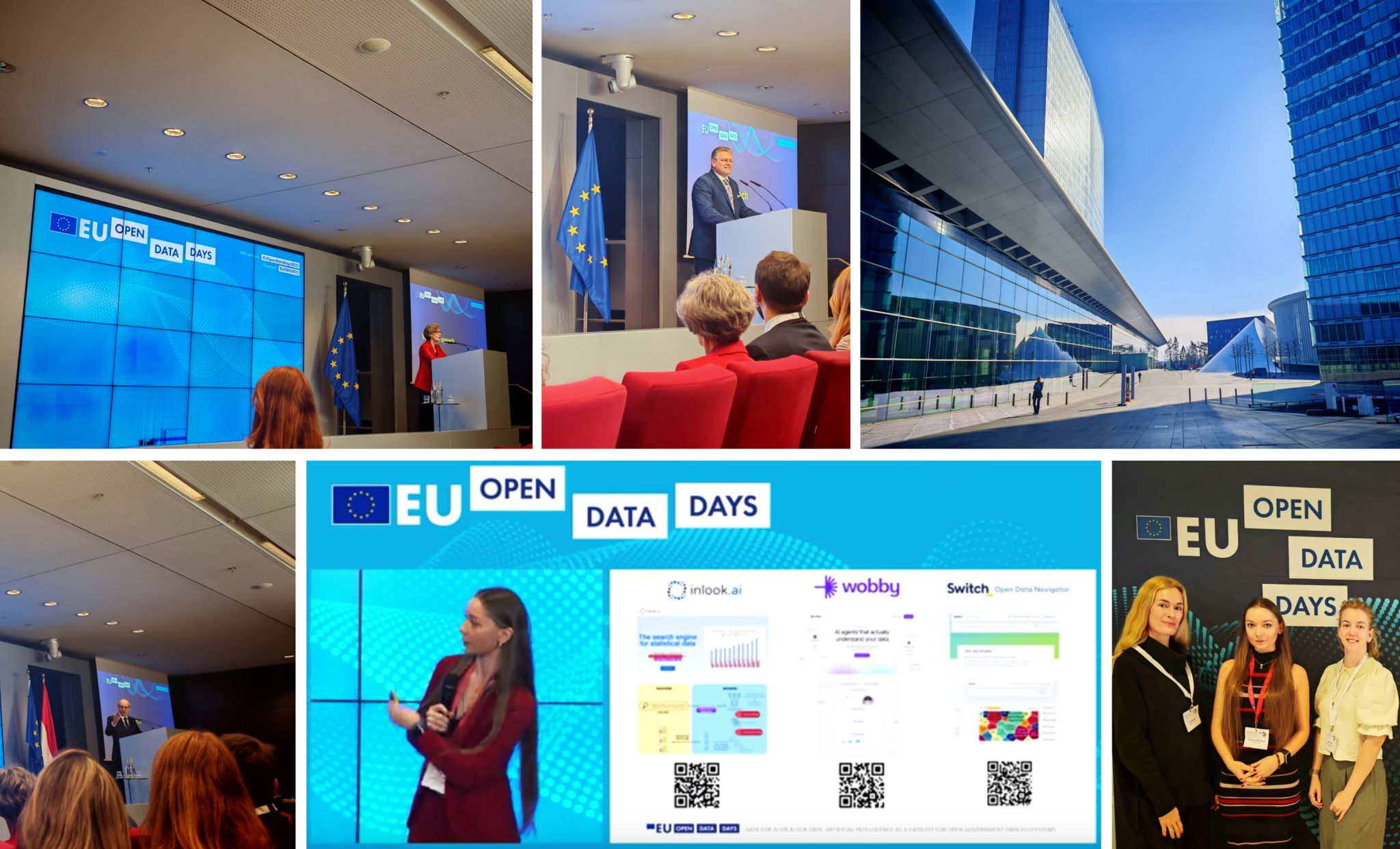
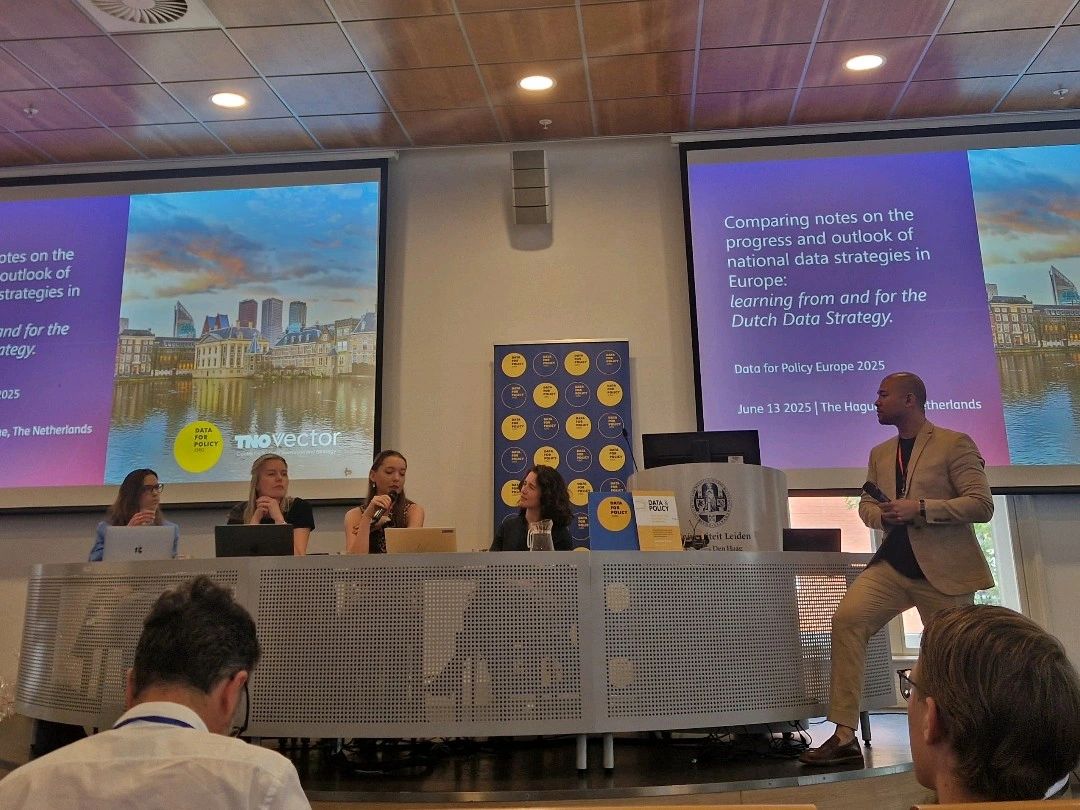
In 2025, I had the privilege to contribute to global conversations on AI and governance through keynotes, invited talks, panels, and workshops, including invited talk for EU Open Data Days 2025 on “Data for AI or AI for data,” panel on “AI and Data Science Revolutions” and “National Data Strategies in Europe” with Data for Policy, keynote “Responsible AI Adoption for a Sustainable Future: Balancing Opportunities and Risks“ for International Conference on Innovative Approaches and Applications for Sustainable Development, invited talk on “Mapping the Roadblocks: Towards Responsible Artificial Intelligence Adoption in the Public Sector“ for International Summer School on Digital Government and some more seminars and fireside chats with Cambridge University, LSE, The Governance Lab, Microsoft Open Data Policy Lab on future of open data in the age of (Gen)AI and AI governance among others. These conversations reaffirmed responsible data practices and even more so responsible AI is no longer a niche concern – it is now a core governance challenge across regions, policy domains, and institutional contexts.
Community Building: Workshops, Tracks, and Field-Shaping

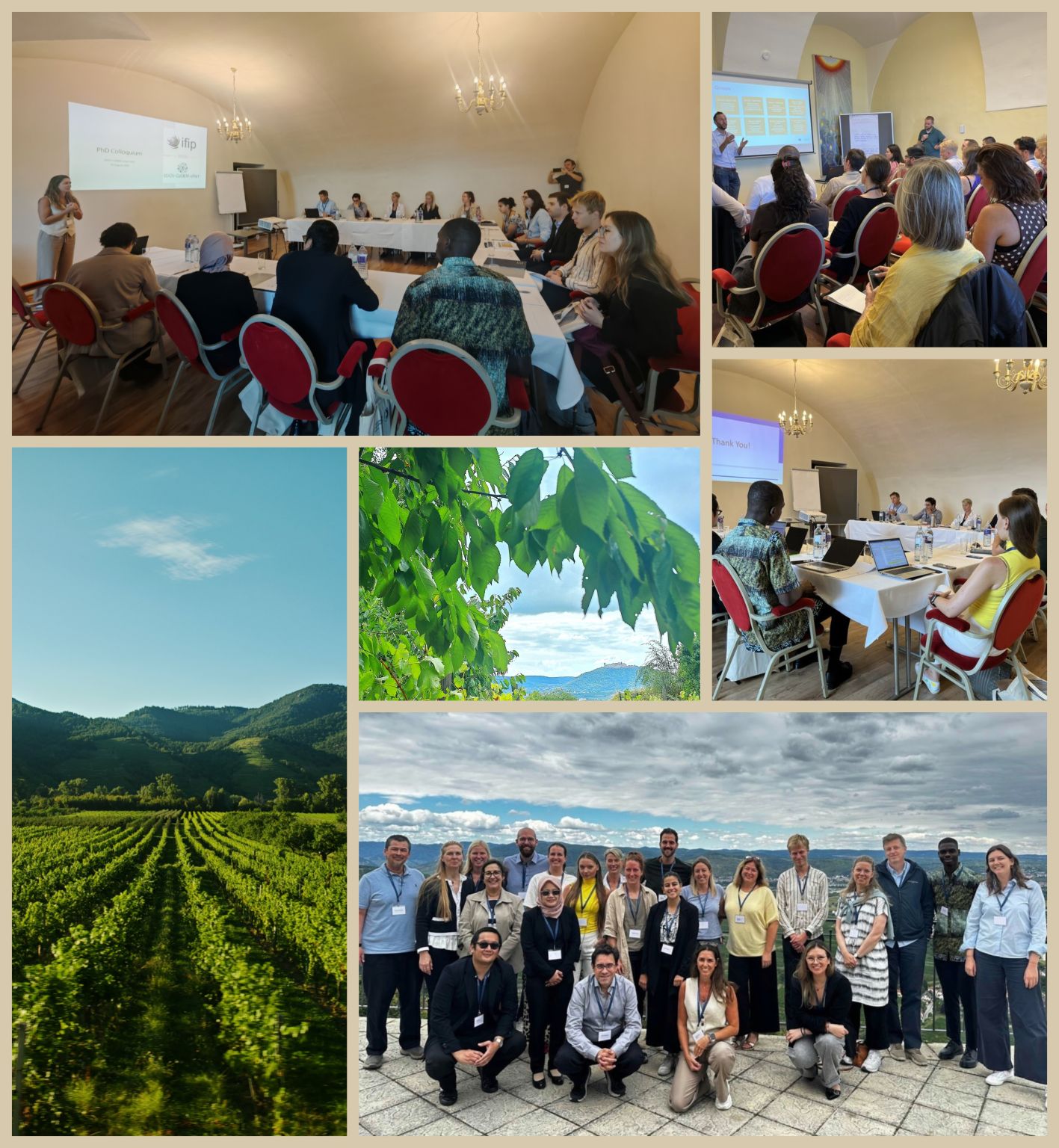
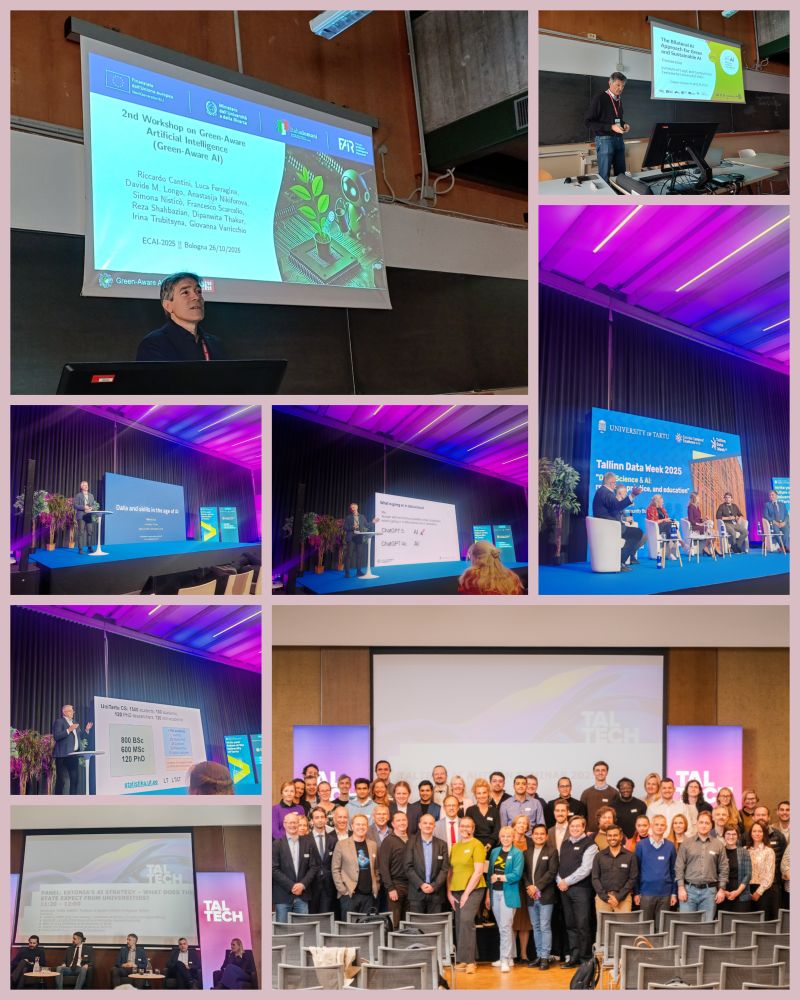
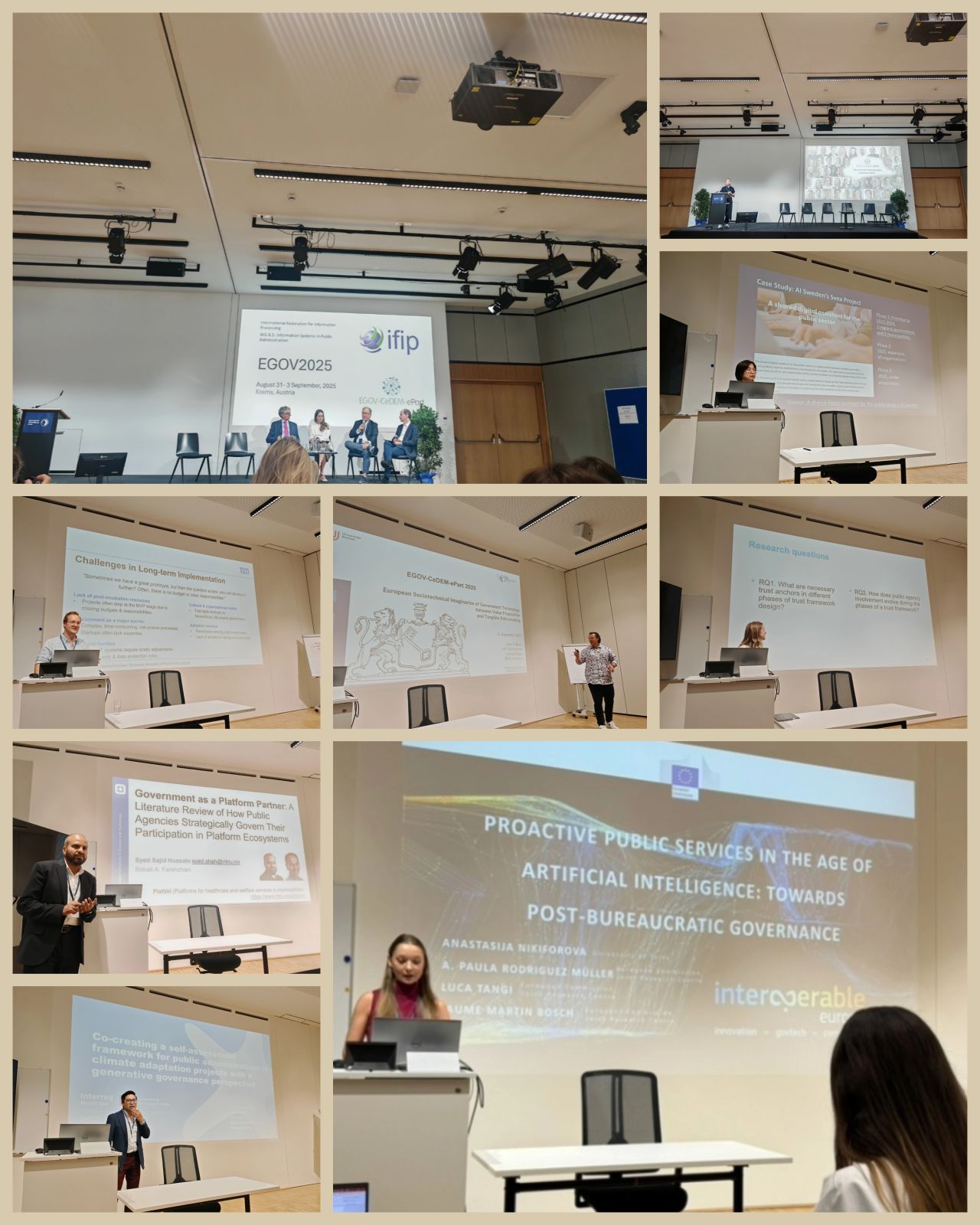
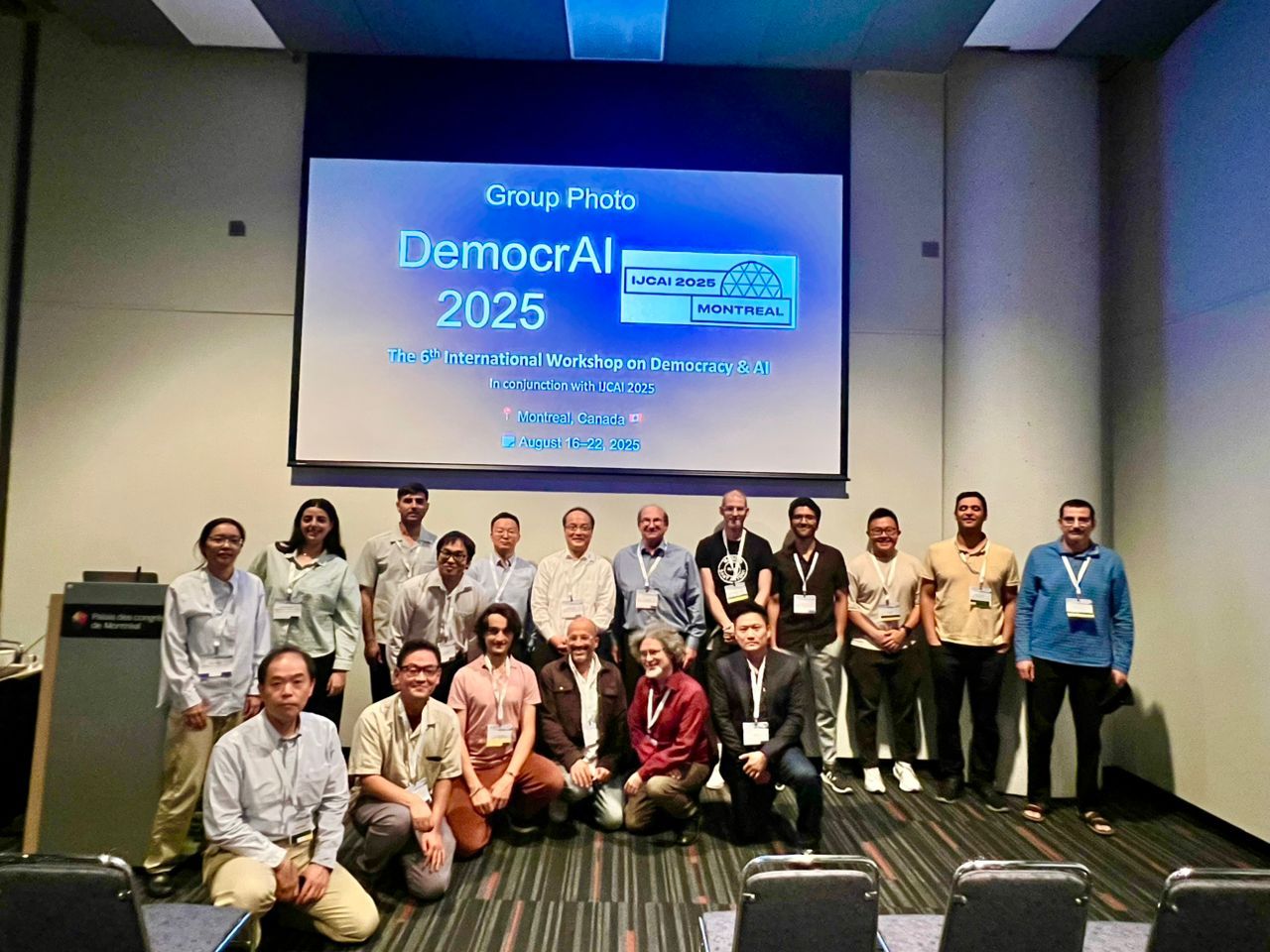
2025 was also a year of active field-building, through organizing and leading scholarly spaces where new ideas can emerge. Together with my colleagues we organized workshops at ECAI2025 (Green-aware AI), IJCAI2025, PRICAI2025 (AI and democracy and AI in public sector), CBI-EDOC2025 (Enterprise Architecture for Augmented Intelligence workshop) and (mini)tracks at HICSS2026 (Sustainable and Trustworthy Digital and Data Ecosystems for Societal Transformation), dg.o2025 (Sustainable Public and Open Data Ecosystems for Inclusive and Innovative Digital Government), EGOV2025 (Emerging Issues and Innovations). For the later one, we also organized Junior Faculty School and Doctoral Colloquium. Apart of this, I took several new editorial roles, including Senior Editor at IEEE TTS, as well as joined initiatives such as the AIS Women’s Network College (incl. as mentor), Women in AI, and Digital Statecraft Academy, which aims to guide fellows in navigating complex digital governance challenges and contribute to advancing responsible, inclusive, and sustainable policy and technology practices. I am very eager to see how these all will evolve looking forward contributing to the success of these joint efforts!

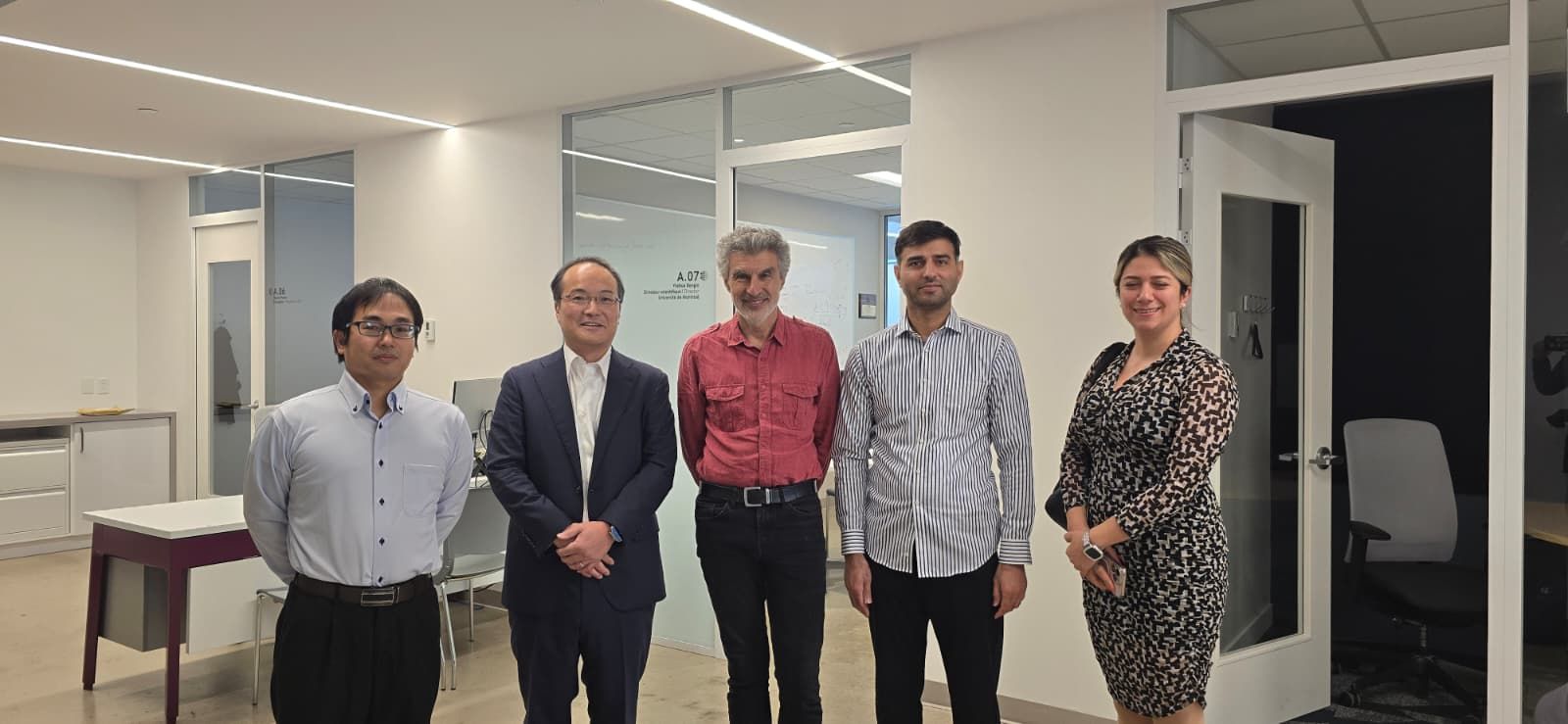
Perhaps one of the most surreal moments was hosting a Turing Award winner – a reminder of how far the field has come, and how much responsibility comes with shaping its future direction. Unfortunately, though, I missed meeting Yoshua Bengio in montreal this year, when my colleagues with whom we co-organized the workshop with IJCAI2025 made it, visiting his MILA lab… But one Turing award recipient at a time, I guess..
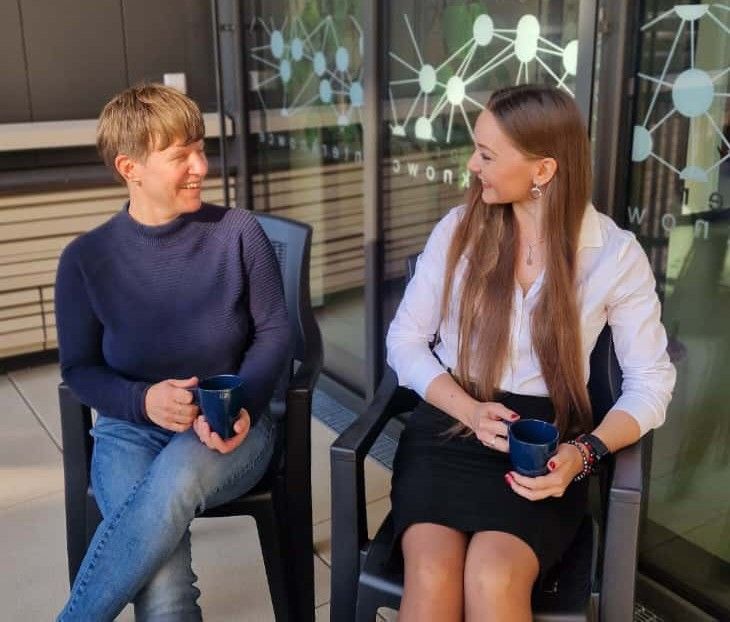
This year also brought external recognition, such as being ranked Top voice in Estonia in Data Science (as per Favikon), Top-1 researcher globally in Open Government and top Government and Engineering and CS researcher (as per ScholarGPS, according to last five years achievements), top 2% of scientists in Artificial Intelligence (as per Stanford University’s database). While I am grateful, among all achievements, the most rewarding was witnessing the success of my students and I hope much to come along both lines in the future. Their growth is a constant reminder that academic impact is not only measured in citations — but in confidence built, curiosity nurtured, and doors opened. At the end of the day, it is all about people. I am thus grateful to all the collaborators I am surrounded with – those I continue to learn from, and to those who now learn with me — both equally shape the work and sustain the motivation to carry it forward, as well as help to have some fun that is a special type of the fuel for our work!

Looking Ahead to 2026

The coming year will bring new responsibilities and, hopefully, opportunities. But above all, I hope 2026 continues what 2025 reinforced. As of now we already work hard on preparing several events to take place and I warmly invite you to consider joining us:

If you’d like to continue these conversations in person, you can also find me speaking at events such as ICDEc2026, ISIoT2026, and AI Summit Europe 2026, discussing questions like What happens when AI ambitions collide with governance capacity, legitimacy, and readiness? How do we design AI-enabled systems that don’t collapse under institutional and societal pressure? Are we moving from e-government to AI_government or maybe even toward something closer to an agentic state — and what does that really mean? If you work on AI, data, governance, sustainability, or public value, I would love to meet you — to exchange ideas, challenge assumptions, and think together about how to design systems that are not only intelligent, but also legitimate, resilient, and trustworthy.

Wishing a peaceful and joyful holiday season, and a thoughtful, kind, and inspiring year ahead to all of us!

HICSS2026 Sustainable and Trustworthy Digital and Data Ecosystems for Societal Transformation mini-track


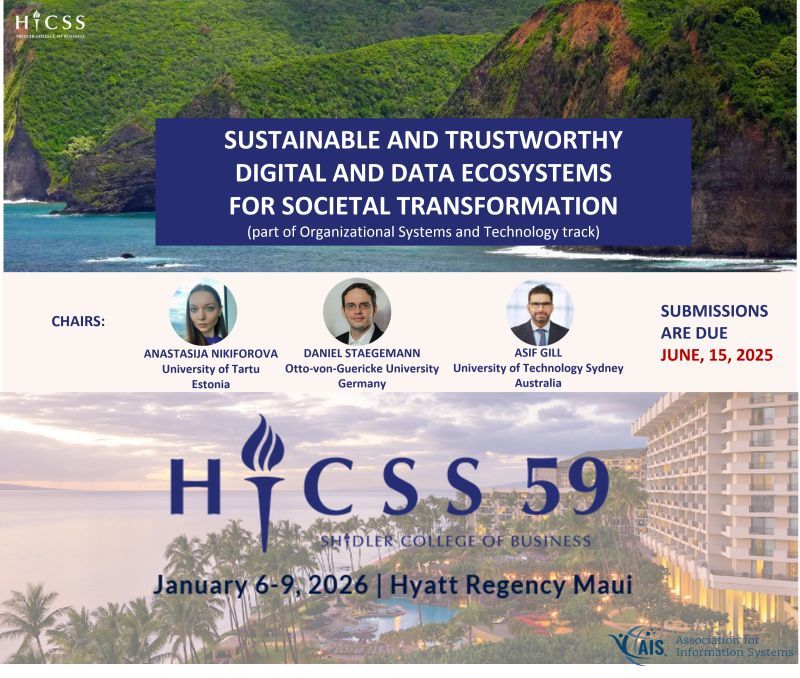
Are you researching sustainable and trustworthy digital ecosystems? Then, submit your work to our HICSS2026 “Sustainable and Trustworthy Digital and Data Ecosystems for Societal Transformation” mini-track we chair together with Daniel Staegemann and Asif Gill at the Association for Information Systems Hawaii International Conference on System Sciences (HICSS-59)!

In an era where data is the foundation of digital transformation, well-designed and managed sustainable and trustworthy digital and data ecosystems are critical for artificial intelligence (AI), strategic innovation, governance, competitive advantage, and trust in increasingly digital societies. With the rise of new data architectures (e.g., data meshes and data lakehouses), the shift from centralized to decentralized systems, and the integration of AI in data governance and management among others emerging technologies (e.g., blockchain, cloud computing), these ecosystems are becoming more dynamic, interconnected, and complex. However, alongside their potential benefits that is a common focus of the research around these ecosystems, challenges related to trustworthiness, transparency, security, sustainability, and governance must be addressed.

HICSS2026 “Sustainable and Trustworthy Digital and Data Ecosystems for Societal Transformation” mini-track we chair together with Daniel Staegemann and Asif Gill invites research on how digital and data ecosystems evolve in terms of resilience, trustworthiness, and sustainability while enabling strategic innovation and societal transformation. We welcome studies that explore the interplay between AI, data governance, policies, methodologies, human factors, and digital transformation across sectors such as finance, government, healthcare, and education.
We seek theoretical, empirical, design science, case study, and interdisciplinary contributions on topics including, but not limited to:

  1. AI, trustworthiness, and governance in digital and data ecosystems:
    • AI as an actor and stakeholder in data ecosystems;
    • AI-augmented governance, security, and data quality management;
    • human factors in AI-integrated ecosystems (trust, user acceptance, participation);
    • interoperability, observability, and data linking across ecosystems;
  2. Emerging technologies and strategic innovation:
    • transition from centralized to decentralized data architectures (e.g., data lakehouses, data meshes);
    • emerging technologies for trustworthy ecosystems;
    • AI-driven business process augmentation and decision-making;
    • industry and government case studies on evolving data ecosystems;
  3. Resilience and sustainability of data ecosystems:
    • ethical AI and responsible innovation in data ecosystems;
    • sustainability and long-term governance of digital and data infrastructures;
    • cross-sectoral and interdisciplinary approaches for building sustainable ecosystems;
    • impact of data democratization on digital transformation and innovation.

By combining the strengths of strategic innovation, trustworthy AI, and data ecosystem governance, this track expects to offer a holistic perspective at the intersection of information systems, AI governance, data science, and digital transformation. It will serve as a platform for researchers and practitioners to explore how digital and data ecosystems can be sustainable, resilient, and trustworthy while driving innovation and societal transformation.

We welcome conceptual, empirical, design science, case study, and theoretical papers from fields such as information systems, computer science, data science, management and process science, policy-making, behavioral economics, and social sciences.

This mini-track is part of HICSS59 “Organizational Systems and Technology” track (chairs: Hugh Watson and Dorothy Leidner) and more information about it can be found here.

EGOV2025 – IFIP EGOV-CeDEM-EPART 2025 & our Emerging Issues and Innovations Track

Are you focusing on new topics emerging in the field of ICT and public sector, incl. public-private ecosystems? Then it is time to start preparing your submission for EGOV2025 – IFIP EGOV-CeDEM-EPART Emerging Issues and Innovations Track, which this time we chair in the updated form, welcoming A. Paula Rodriguez MĂĽller on the board with us – Francesco Mureddu (The Lisbon Council, Belgium)and myself – Anastasija Nikiforova (Tartu University, Estonia)).

EGOV2025 – IFIP EGOV-CeDEM-EPART is one of the most recognized conference in e-Government, ICT and public administration and related topics, which this year will be hosted in Belgium, in the heart of Europe, by University for Continuing Education Krems, Austria. This year, IFIP EGOV 2025 is dedicated to the broader areas of e-Government and e-Democracy, which include facets like Digital Government, e-Participation, Open Government,  Smart Government, AI government, GovTech, Algoritmic Governance, and related topics to digitalization and government.

Innovation and application of emerging technologies are now more and more in the thinking of governments at all levels. While it would be easy to consider the public sector as being less flexible or slow in adoption, presentations at recent EGOV conferences proved that one should not come to such a conclusion too easily. Upcoming technologies, innovative organizational solutions, or new avenues of public sector involvement in the public sector are becoming more commonplace along with the potential challenges and issues these bring. Policymakers and public sector officials are now expected to embrace change, consider digital transformation, or improve governance practices. At the same time, public sector researchers are also influenced by new views, methods, tools, and techniques. The goal of this track is to provide a platform for the discussion of new ideas, issues, problems, and solutions entering the public sphere. Ideas that are emerging but might not fit other conference tracks are also welcome. Focus may include, but are not limited to:

  • Looking ahead into social innovation;
  • Future studies, the future of government, policy-making and democracy;
  • The future of digital governance;
  • Public values in transforming the government;
  • The role of government in smart cities (incl. smart sustainable cities) and sustainable living;
  • The role of the public sector in Human-Centered Society (Society 5.0);
  • New trends in public sector research such as Metaverse, Cityverse, Large Language Models (LLMs), generative AI and its implementations such as chatGPT, Claude, ChatSonic, Poe – benefits, risks, adoption and resistance to its adoption by the public sector and citizens;
  • Government in the Virtual Worlds and Web 4.0;
  • Decentralized Autonomous Organizations (DAOs), smart contracts and blockchain;
  • New technologies for automated decision-making and their policy implications;
  • Public sector use and regulation of AI, genAI, Industry 4.0, Industry 5.0, and the Internet of Things (IoT);
  • Digital Humanism (responsible and ethical integration of technology into society, ensuring that human values and dignity are prioritized in the development and use of digital tools and innovations);
  • The role of the public sector in competitiveness and tech sovereignty;
  • Global challenges that go beyond nation states (such as migration, climate change etc.) and which require international collaboration of individual governments;
  • Preparing for the policy challenges of future technologies;
  • Regulating misinformation;
  • Digital transformation in public sector contexts;
  • Self-Service Structures for Inclusion;
  • Public-private sector collaboration and integration;
  • GovTech initiatives and innovations;
  • Latest trends in co-creation and service delivery;
  • Online public community building;
  • Upcoming issues of eVoting / internet voting including application of digital signatures in the public sector;
  • Discussion of new research methods that have not been applied in this context;
  • Application of role theory in the analysis of public sector functions and processes;
  • Forward looking insights from case studies – let it be successful or failed experiments.
  • Utilization of digital billboards;
  • Public sector use and regulation of Fintech innovations;
  • Theoretical and practical approaches to experimentation and sandboxing in the public sector.Future studies, the future of government, policy-making and democracy

Stay tuned, more info to come!

The Estonian Open Data Forum – Celebrating Progress and Recognizing Achievements

This October, I had the distinct honor of participating in Estonia’s premier event on open data, the Open Data Forum (Avaandmete foorum), organized by the Ministry of Economic Affairs and Communications of Estonia, invited to talk about the role of academia and private sector in the open government data landscape. This annual gathering brings together industry experts, academic researchers, and government leaders to discuss key trends, achievements, and the future of open data in Estonia, along with highlighting the contributions coming from universities awarding the best dissertations developed by Estonian students. The latter made this event very special for me, as one of my students – Kevin Kliimask – was awarded for his outstanding bachelor’s thesis 🏆 🥇 🏅!

In his thesis –“Automated Tagging of Datasets to Improve Data Findability on Open Government Data Portals,” Kevin developed an LLM-powered interface to automate dataset tagging in both English and Estonian, thereby augmenting metadata preparation by data publishers and improving data findability on portals by users – as the practice shows their presence tend to be a challenge. E.g., our analysis conducted on the Estonian Open Data Portal, revealed that 11% datasets have no associated tags, while 26% had only one tag assigned to them, which underscores challenges in data findability and accessibility within the portal, which, according to the recent Open Data Maturity Report, is considered trend-setter. The developed solution was evaluated by users and their feedback was collected to define an agenda for future prototype improvements. The thesis has been already transformed into the scientific paper 👉 TAGIFY: LLM-powered Tagging Interface for Improved Data Findability on OGD portals presented at the IEEE international conference (I posted on this earlier 👉 here).

As for my talk titled “Unlocking the Power of Open Data: The Role of Academia and the Private Sector in Building Inclusive and Sustainable Open Data Ecosystems,” I emphasized the need for a holistic approach to open data that transcends merely opening/publishing data, rather requiring adopting a systemic view that considers an open data initiative as an Open Data Ecosystem (also confirmed by Open Data Charter 👉here), as we deal not only with open data (availability), portal, stakeholders, actors, but also processes surrounding them, emerging technologies & different forms of intelligence, going beyond just Artificial Intelligence, whose role, however, is crucial (see our paper on the eight-fold role of AI in OGD).

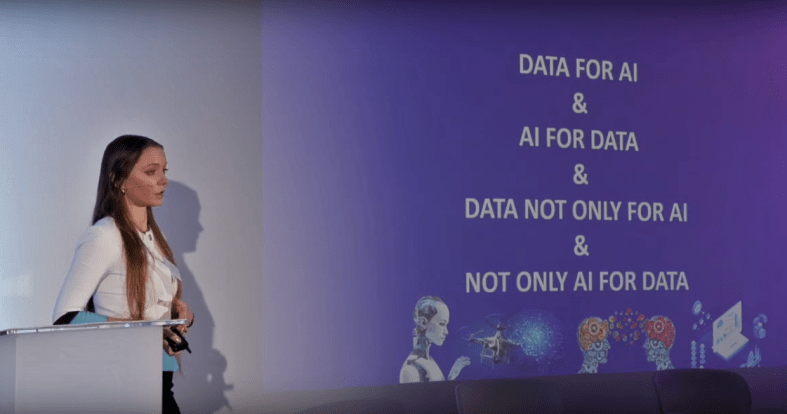
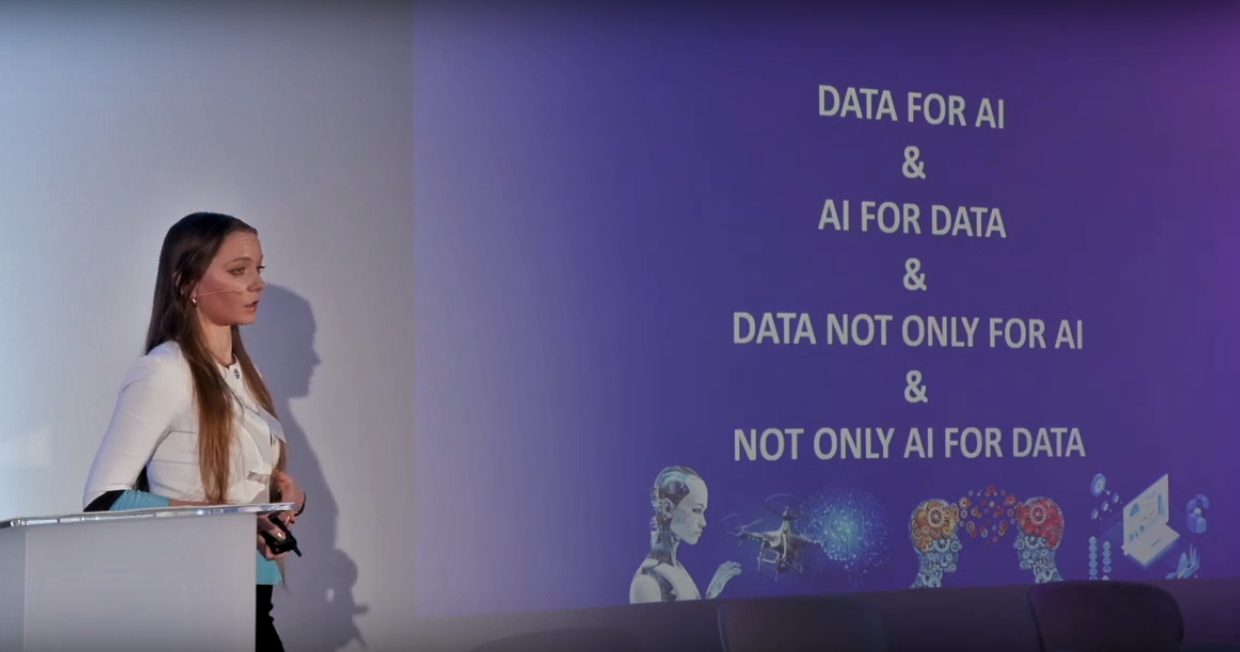
As such, while discussing the main idea of ​​the talk – the role of academia & the private sector in the ODE, which as per me is at least four-fold, namely – data consumers, data providers, contributors to ODE sustainability & myth busters on the global stage (assigning “Made in Estonia” tag to OGD in addition to the one we have for e-government), I also expanded the general mantra of “Data For AI” to “data for AI, AI for data, data not only for AI and not only AI for data”.


A big thank you to the organisers, who gathered so many speakers (Cybernetica, FinEst Centre for Smart Cities, Riigi InfosĂĽsteemi Amet // Estonian Information System Authority (NCSC-EE), University of Tartu and many others) to discuss the highlights of today & tomorrow for Estonian Open Data and High-Value Datasets in particular as it was the main focus of the Forum – was happy to be part of these discussions!

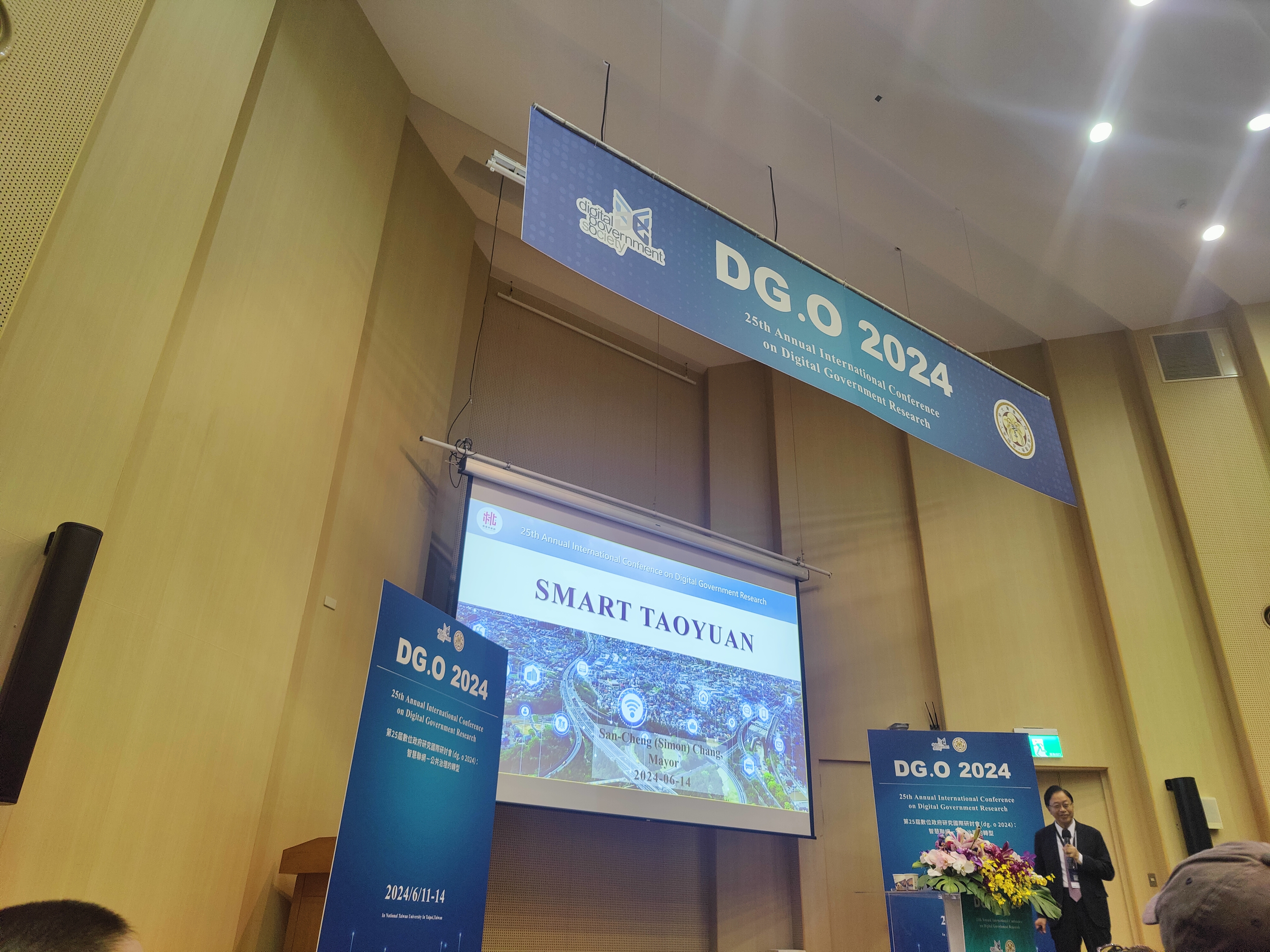
The 25th Annual International Conference on Digital Government Research (DGO2024): a brief summary on presenter, track chair, panel organizer, and moderator roles

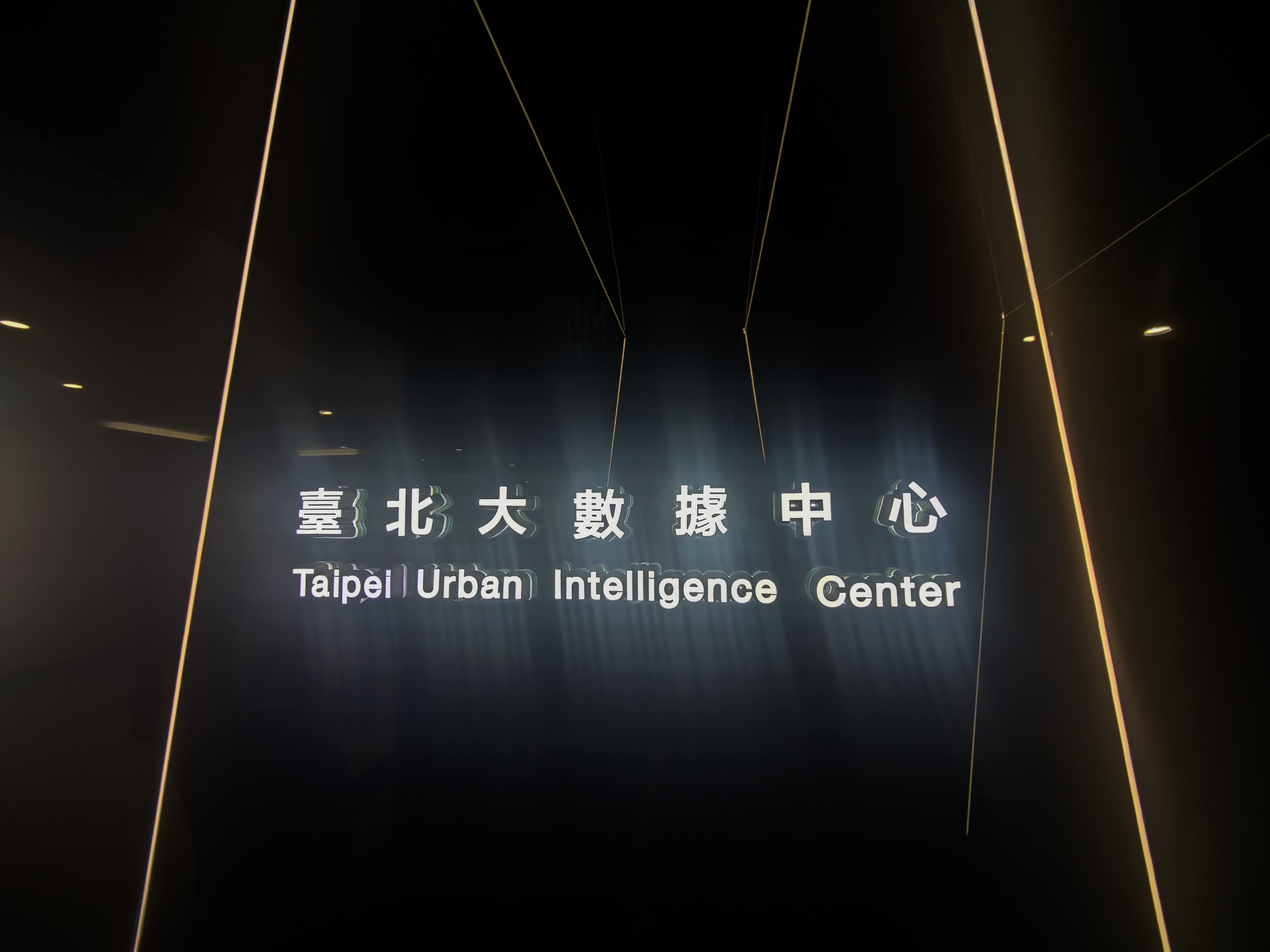
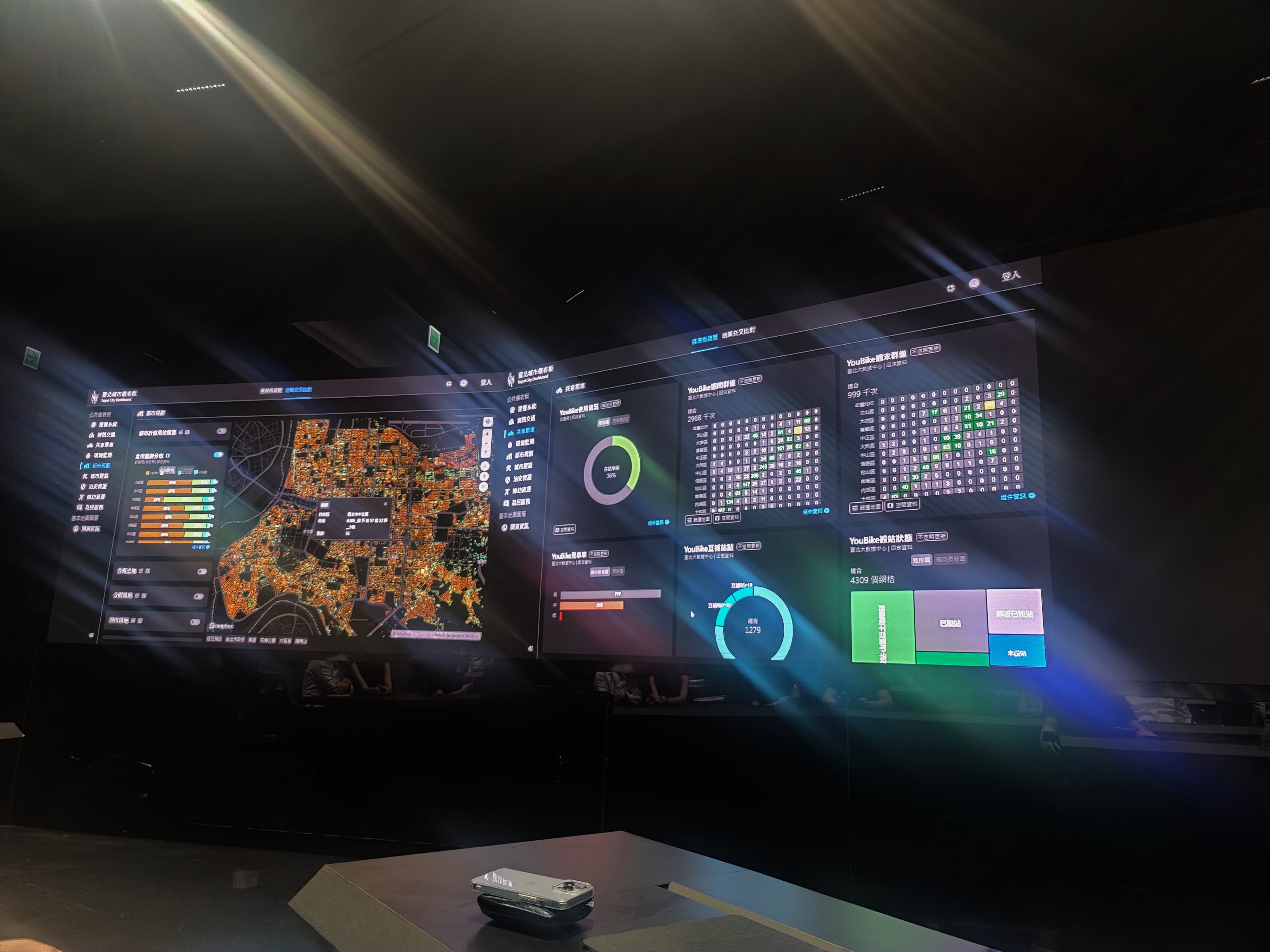
Last week, I had the pleasure of participating in the 25th Annual International Conference on Digital Government Research (DGO2024), organized by the Digital Government Society and hosted by National Taiwan University in the beautiful city of Taipei (Taiwan) under “Internet of Beings: Transforming Public Governance” theme. The conference offered an exceptional venue, warm hospitality from the local committee led by Helen Liu and her team, a rich social program, and an outstanding scientific program. The event featured well-selected keynotes and panels from prominent organizations such as Foxconn, the International Cooperation Center of TCA, Massachusetts Institute of Technology, Taipei Urban Intelligence Center, and the Ministry of Digital Affairs. Key topics included AI, Smart City initiatives, and Data Governance, which facilitated extensive networking and brainstorming sessions.

I was honored to contribute to this vibrant dialogue in multiple roles: presenter, track chair, panel organizer, and moderator. Together with my students and colleagues, we presented four papers, each reflecting our collaborative research efforts:

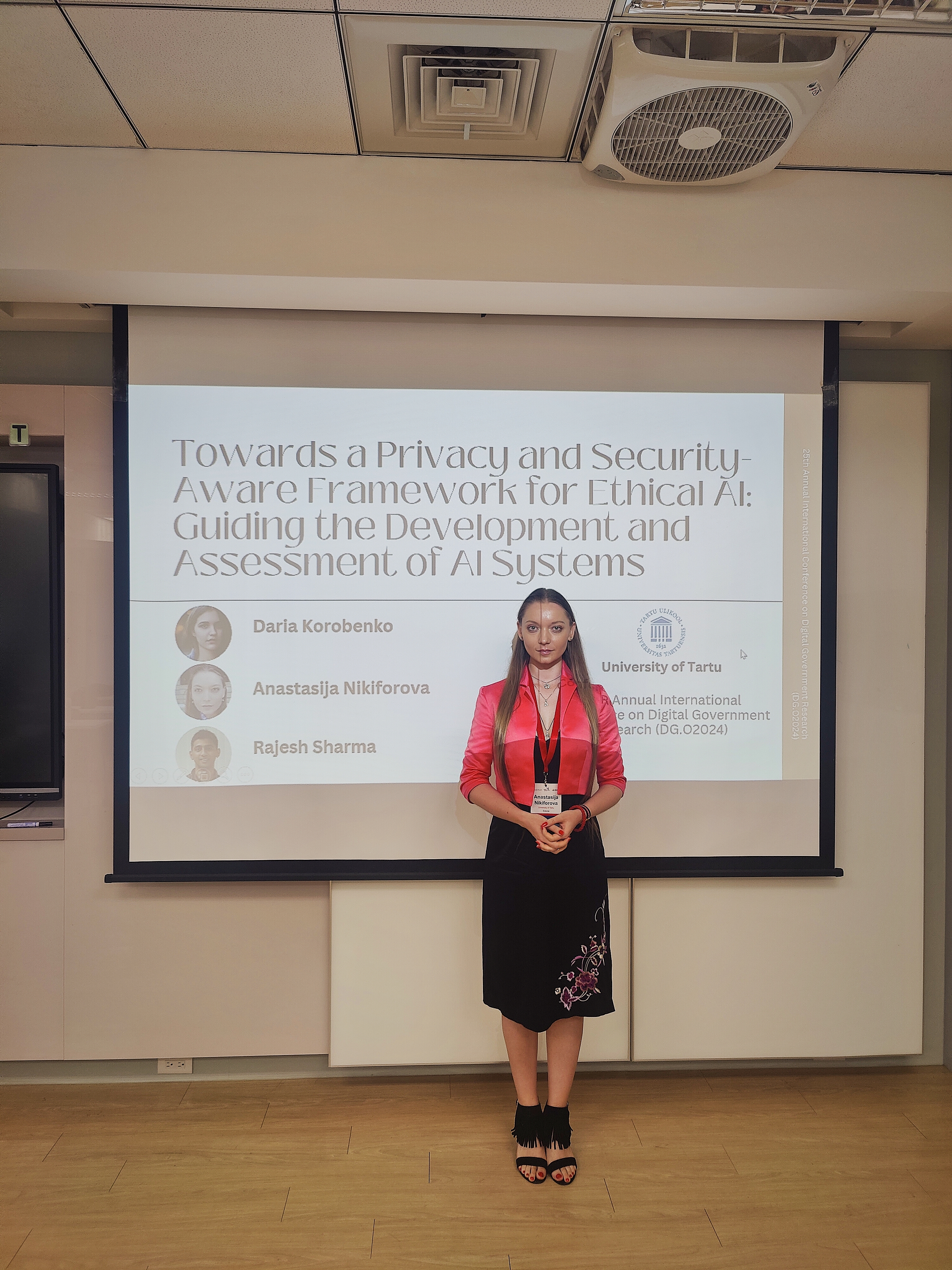
  1. Towards a Privacy and Security-Aware Framework for Ethical AI (Daria Korobenko, Anastasija NIkiforova, Rajesh Sharma). The proposed (conceptual at the moment) privacy and security-Aware Framework for ethical AI is centered around the Data, Technology, People, and Process dimensions, where each dimension is guided by a set of specific questions to encompass the overarching themes of privacy and security within AI systems, while the framework itself follows a risk-based approach (similar to the EU AI Act). As such, it is designed to assist diverse stakeholders, including organizations, academic institutions, and governmental bodies, in both the development and critical assessment of AI systems.
  2. Exploring Estonia’s Open Government Data Development as a Journey towards Excellence: Unveiling the Progress of Local Governments in Open Data Provision (Katrin Rajamae-Soosaar and Anastasija Nikiforova) that explores the evolution of Estonia’s 🇪🇪 OGD development at both national & local levels through analysis of indices, Estonian OGD portal, and a literature review. Findings reveal national progress due to portal improvements and legislative changes, while local governments lag in OGD provision, highlighting the need for future research on municipal OGD barriers and enablers.
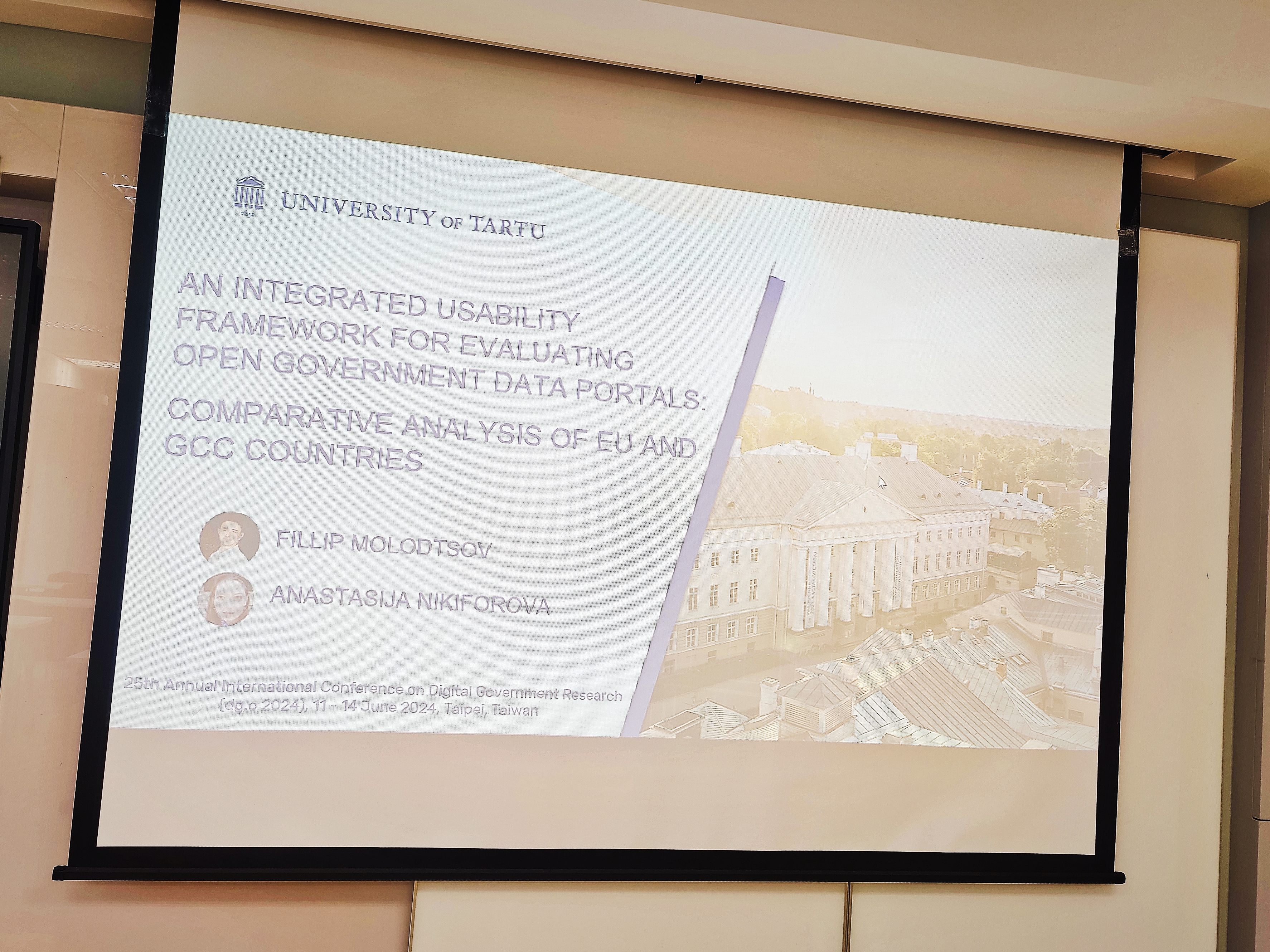
  3. An Integrated Usability Framework for Evaluating Open Government Data Portals: Comparative Analysis of EU and GCC Countries (Fillip Molodtsov and Anastasija Nikiforova) develops a framework to evaluate OGD portal usability, considering user diversity, collaboration, and data exploration capabilities, and applies it to 33 national portals in the EU and GCC 🇪🇺🇸🇦🇶🇦🇧🇭🇦🇪, highlighting good practices and common shortcomings, emphasizing competitiveness of GCC portals
  4. Unlocking the Potential of Open Government Data: Exploring the Strategic, Technical, and Application Perspectives of High-Value Datasets Opening in Taiwan (Hsien-Lee Tseng and Anastasija Nikiforova). In short, data has an unprecedented value. However, availability of data in an open data format creates a little added value, where the value of these data [to the real needs of the end user], is key. This is where the concept of high-value dataset (HVD) comes into play, which has become popular in recent years (predominantly beforehand OD Directive by European Commission). Defining and opening HVD, in turn, is a complex process consisting of a set of interrelated steps, the implementation of which may vary from one country or region to another. Therefore, there has recently been a call to conduct research in a country or region setting considered to be of greatest national value. So far, only a few studies have been conducted, most of which consider only one step of the process, such as identifying HVD or measuring their impact. With this study, we explore the entire lifecycle of HVD opening in case of one of the world’s leading producers of ICT products – Taiwan. To do this, we conduct a qualitative study with exploratory interviews with representatives from government agencies in Taiwan responsible for HVD opening, namely Ministry of Digital Affairs, Ministry of the Interior, Ministry of Transportation and Communications, and the Ministry of Environment. As part of these interviews, we examine strategic aspects associated with HVD determination, technical aspects related to the dataset preparation stage (incl. data quality, granularity, update frequency, integration methods, or data evaluation), and application aspects related to the further assessment of the impact generated by HVD, identifying some good practices and weaknesses to be further examined and fixed.

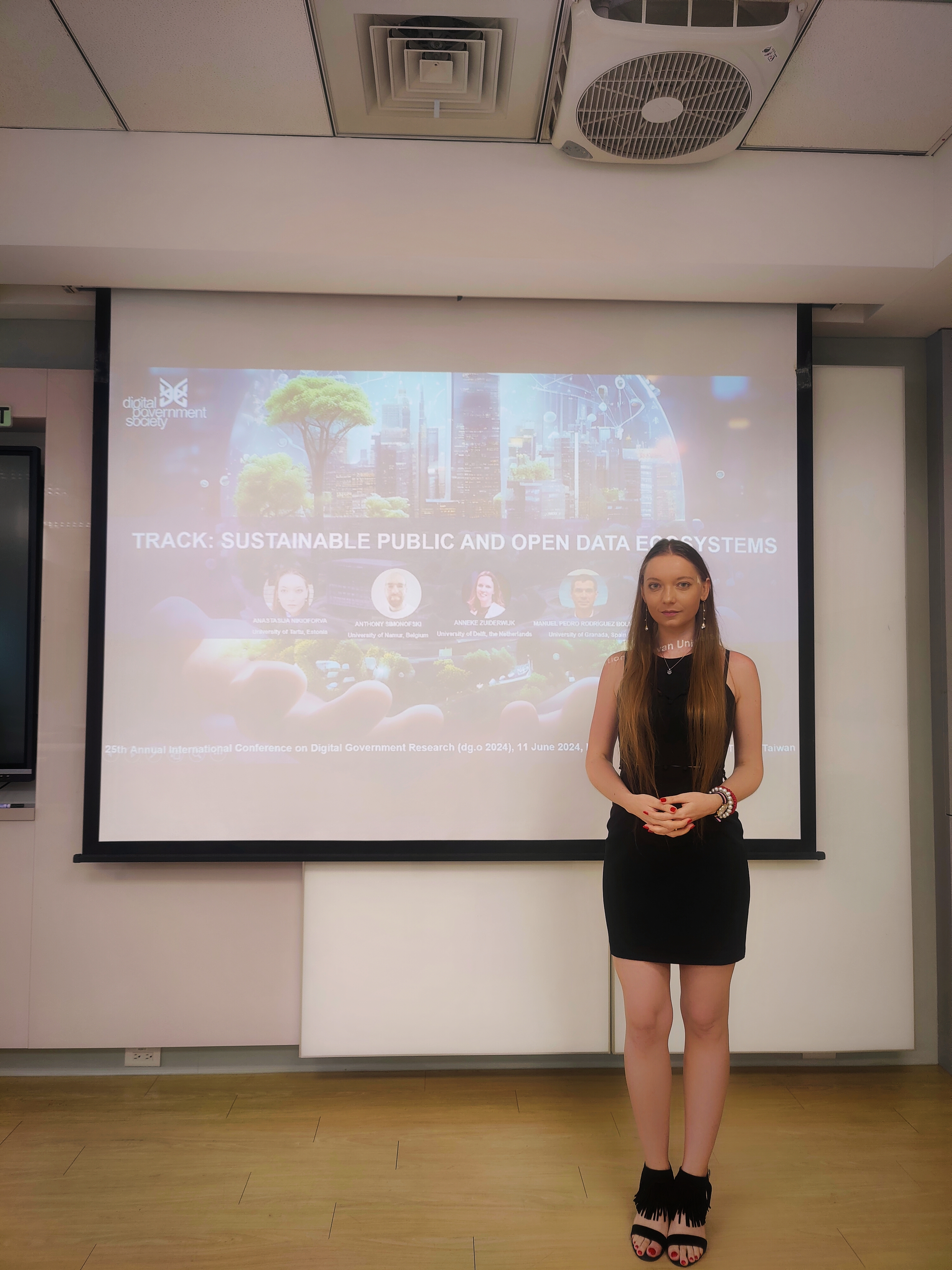
I also chaired the track “Sustainable Public and Open Data Ecosystems,” which we launched this year with colleagues, on which I posted before. Although this is the very new track, we received a good number of contributions as it appeared to be very timely and we hope to see it to have a continuation, serving as a stage for the dialogue by Digital Government Society around the public and open data ecosystem in and for our digital future. At least this session has demonstrated the interest in such an environment – many thanks to all, who actively participated in this discussion. BTW, should you be interested in difference between public vs open data ecosystem, I encourage you to read our conceptualization and typology in our “Understanding the development of public data ecosystems: from a conceptual model to a six-generation model of the evolution of public data ecosystems” paper. We also are optimistic that the best contributions from this track will soon be available in a special section of the Information Polity Journal that we have recently launched.

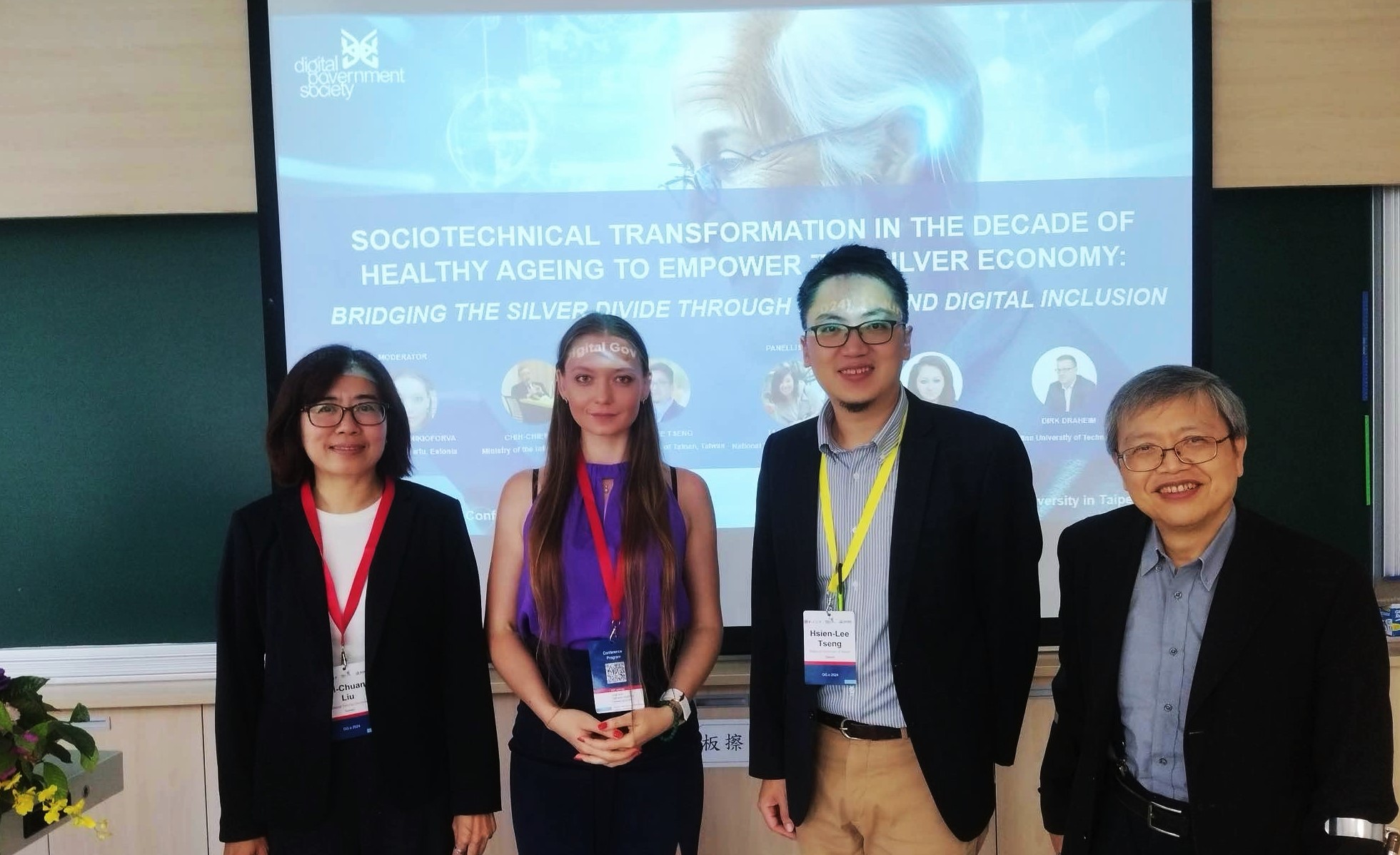
In addition, together with Hsien-Lee Tseng, we organized the panel “Sociotechnical Transformation in the Decade of Healthy Ageing to Empower the Silver Economy: Bridging the Silver Divide through Social and Digital Inclusion,” which addressed crucial issues related to the integration of aging populations into the digital economy and society. Our discussions focused on case studies from Taiwan and Estonia, two regions with significant aging populations and leaders in ICT and digital government. We explored several innovative initiatives:

  1. The Aged Dwelling Plan by the Ministry of Interior of Taiwan, which proactively delivers resources to those most in need through the Senior Living Needs Index Framework. It integrates cross-agency data such as household registration, building information, long-term care, low-income households, and open geospatial data.
  2. The Digital Silver Hub constituting the ecosystem fosters innovative solutions for the silver population, involving the public sector, private sector, academia, and end-users. It utilizes a collective intelligence model to address the challenges faced by older adults.
  3. Health Promotion, Technology Inclusion by National Taitung University aimed at achieving technological inclusion, this project focuses on non-discriminatory health promotion technology policies and activities for people with chronic diseases.

As such, our discussions highlighted the opportunities and challenges in supporting the Decade of Healthy Ageing, an initiative by the United Nations. Key themes included Data Management, Security, and Privacy, Digital Literacy and Regional Adoption, Human-Computer Interaction (HCI) and User-Centric Design, Interoperability. Our panel concluded that there is no one-size-fits-all solution to the challenges faced by the aging population. Instead, it is crucial to recognize and leverage the capacities and strengths of each region to develop tailored solutions, whether they be social, technical, or sociotechnical. By doing so, we can create effective and sustainable strategies to support healthy aging and bridge the silver divide.

The conference also featured a working meeting on the new Digital Government Society Chapter, “Artificial Intelligence & Government.” I contributed to the discussions and look forward to continued involvement and impact in this ambitious initiative led by Fadi Salem.

In summary, DGO2024 was an incredibly insightful and productive week.