Green-Aware AI 2025 Workshop at ECAI2025

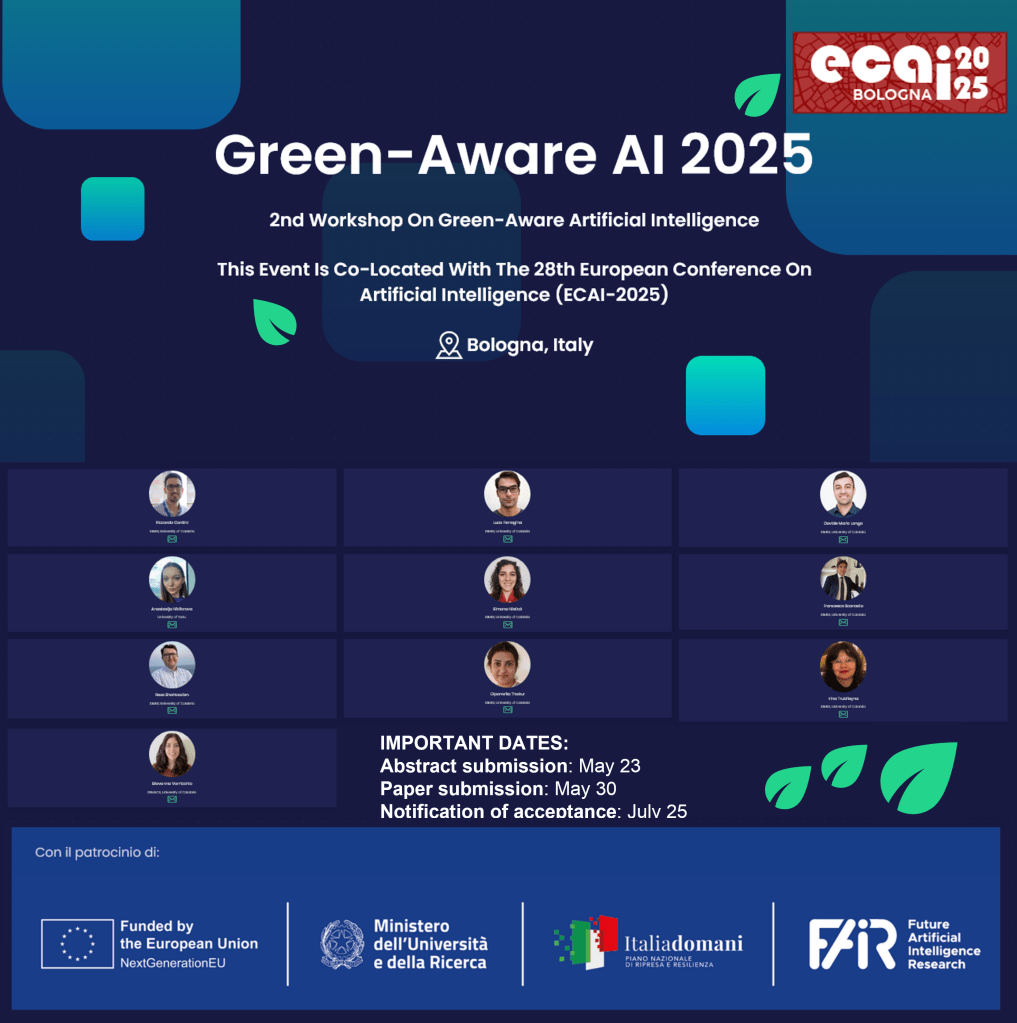
Join us – Riccardo Cantini, Luca Ferragina, Davide Mario Longo, Anastasija Nikiforova, Simona Nisticò, Francesco Scarcello, Reza Shahbazian, Dipanwita Thakur, Irina Trubitsyna, Giovanna Varricchio (University of Calabria & University of Tartu) – at the 2nd Workshop on Green-Aware Artificial Intelligence (Green-Aware AI 2025) to take place conjunction with the 28th European Conference on Artificial Intelligence (ECAI2025) in Bologna, Italy, October 25-30 to examine the sustainability challenges posed by widespread adoption of AI systems, particularly those powered by increasingly complex models, pushing toward responsible AI development and provide a timely response.

The widespread adoption of AI systems, particularly those powered by increasingly complex models, necessitates a critical examination of the sustainability challenges posed by this technological revolution. The call for green awareness in AI extends beyond energy efficiency—it encompasses the integration of sustainability principles into system design, theoretical modeling, and real-world applications.

Green-aware AI requires a multidisciplinary effort to ensure sustainability in its fullest sense, that is, where the green dimension is interpreted broadly, fostering the creation of inherently green-aware AI systems aligned with human-centered values. These systems should uphold sustainability principles such as transparency, accountability, safety, robustness, reliability, non-discrimination, eco-friendliness, interpretability, and fairness—principles reflected in the 17 Sustainable Development Goals (SDGs) defined by the United Nations. The ethical and sustainable advancement of AI systems faces diverse challenges across every stage, including architectural and framework design, algorithm conceptualization, user interaction, data collection, and deployment. This involves designing tools that are inherently green-aware or introducing mechanisms, such as incentives, to encourage agents in AI systems to adopt green-aware behaviors. This principle can be applied across various domains of AI, including but not limited to Algorithm Design, Fairness, Ethics, Game Theory and Economic Paradigms, Machine Learning, Multiagent Systems, and all their applications.

It is worthwhile noting that machine learning systems rank among the most energy-intensive computational applications, significantly impacting the environment through their substantial carbon emissions. Notable examples include the training of large-scale, cutting-edge AI models like those used in ChatGPT and AlphaFold. The creation of such systems demands vast resources, including high-performance computing infrastructure, extensive datasets, and specialized expertise. These requirements create barriers to the democratization of AI, limiting access to large organizations or well-funded entities while excluding smaller businesses, under-resourced institutions, and individuals. The lack of interpretability in AI systems further exacerbates these challenges, raising significant concerns about trustworthiness, accountability, and reliability. Such systems often function as black boxes, making it difficult to understand their underlying decision-making processes. This opaqueness can erode public trust and create barriers to holding developers accountable for harmful outcomes. Additionally, AI systems are prone to biases embedded in their training data and reinforced through user interactions, perpetuating discrimination and unfair treatment, disproportionately affecting marginalized and underrepresented groups.

By addressing these pressing challenges, the workshop aligns with the global push toward responsible AI development and provides a timely response to the environmental and social implications of AI technologies. The primary goal of this workshop is to foster discussions among scholars from diverse disciplines, facilitating the integration of technological advancements with environmental responsibility to drive progress toward a sustainable future. As such Green-Aware AI 2025 invites contributions around the following topics of interest (not limited to thm exclusively though):
💡Green-aware AI frameworks and applications;
💡AI methodologies for energy-efficient computing;
💡Human-centered and ethical AI design;
💡Reliable, transparent, interpretable, and explainable AI;
💡Trustworthy AI for resilient and adaptive systems;
💡Fairness in machine learning models and applications;
💡Impact of AI on underrepresented communities, bias mitigation, and exclusion studies (datasets and benchmarks);
💡Theoretical analysis of energy efficiency in AI systems;
💡Green and sustainable AI applications in environmental and social sciences, healthcare, smart cities, education, finance, and law;
💡Compression techniques and energy-aware training strategies for language models;
💡Approximate computing and efficient on-device learning;
💡Green-oriented models in game theory, economics, and computational social choice;
💡Green-awareness in multi-agent systems;
💡Security and privacy concerns in machine learning models.

Stay tuned about keynotes info on whom to come soon!

📆Important dates:
Abstract submission: May 23
Paper submission: May 30
Notification of acceptance: July 25
Camera-ready: July 31

Join us at Green-Aware AI to help facilitating the integration of technological advancements with environmental responsibility to drive progress toward a sustainable future.

Workshop is supported by the Future AI Research (FAIR), the Italian Ministry of Education, Universities and Research and Italia Domani.

European Open Science Cloud “FAIR Metrics and Digital Objects Task Force” or the 2nd chapter of my participation with EOSC TFs

From 2021 to 2024, I had the privilege of being part of the “FAIR Metrics and Data Quality” Task Force, where we made strides in advancing the FAIR principles and improving data quality across the research community. Following the recent reorganization of these task forces, I am now excited to continue this work with the newly formed FAIR Metrics and Digital Objects Task Force, which, as we decided just yesterday, will be chaired by “the father” will be chaired by “the father” FAIR principles Mark Wilkinson and Elli Papadopoulou!

Our mission is to develop and implement metrics for the FAIR principles (Findability, Accessibility, Interoperability, and Reusability) that enhance the utility and impact of digital objects in research. This initiative is crucial in advancing open science and ensuring that scientific data is more accessible, reusable, and beneficial for the global research community.

As a member of this task force, we will be collaborating with a diverse group of experts to:

  • Identify the limitations of the current FAIR assessment, which is mainly focused on the FAIRness of the repository, for evaluating the discoverability and reusability of data, which is insufficient for assessing the capability of data to be federated.
  • Watch and promote initiatives (such as GREI, Signposting, RO-Crates, etc) to facilitate the definition of common metadata schemas and their interoperability.
  • Identify issues on data privacy, considering data usage, data access and data licensing and specification for machine-actionable data usage policies (e.g. ODRL)
  • Analyse the impact of provenance, especially in the context of federated environments.
  • Identify synergies with the Data Spaces initiative.
  • Define FAIR metrics according to the objectives of the task force.
  • Engage with research clusters, empowering them to implement data quality practices tailored to their unique contexts by actionable recommendations, like DQ indicators to ensure data quality, addressing areas, for example, AI training and input data.

I am eager to contribute to this new chapter and look forward to the — hopefully — impactful changes we will bring to the scientific community.

Stay tuned for updates on our progress and initiatives, whereas the progress we made in the past years is documented here !

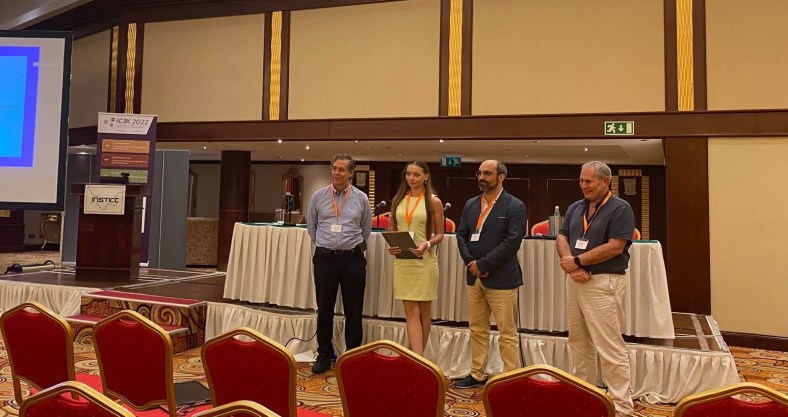
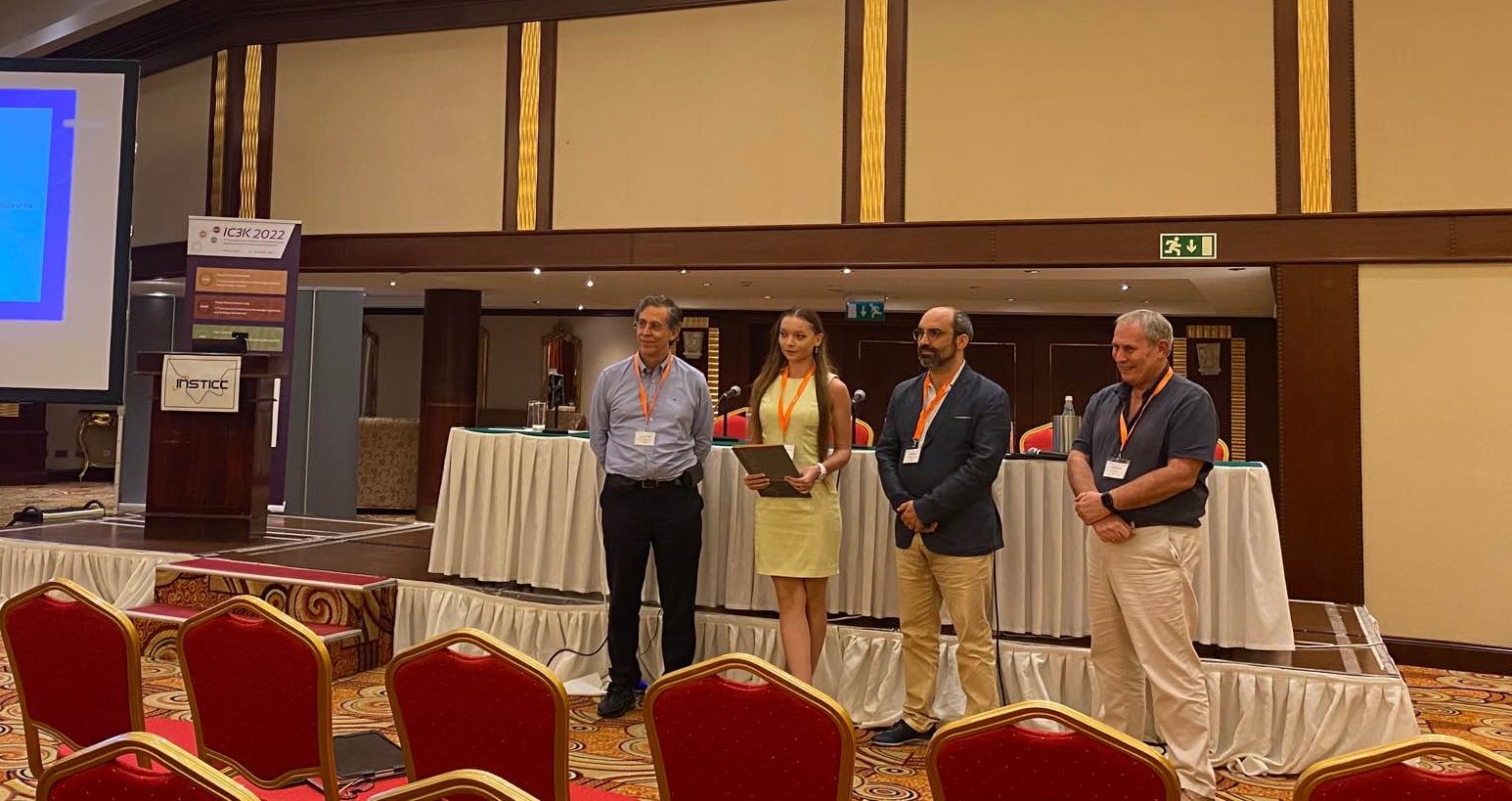
14th International Joint Conference on Knowledge Discovery, Knowledge Engineering and Knowledge Management (IC3K): how it was and who got the Best Paper Award?

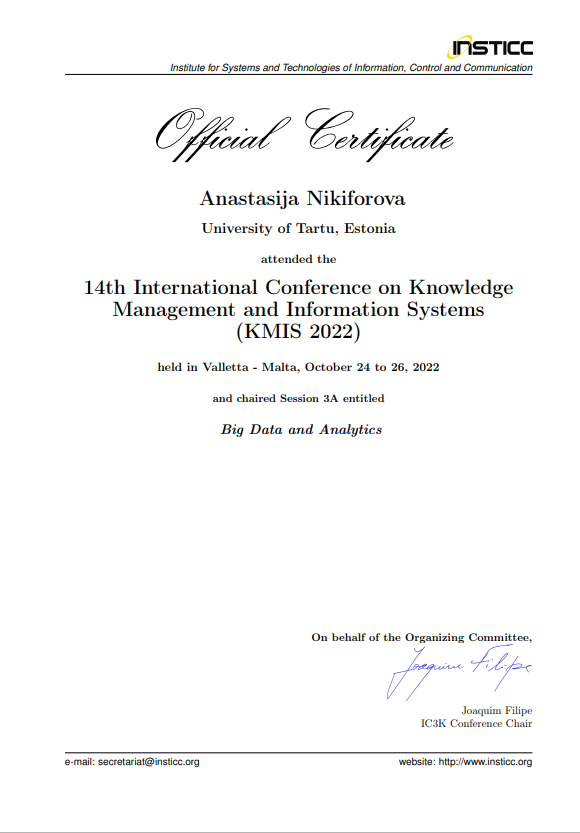
In this post I would like to briefly elaborate on a truly insightful 14th International Joint Conference on Knowledge Discovery, Knowledge Engineering and Knowledge Management (IC3K), where I was honored to participate as a speaker, presenting our paper “Putting FAIR principles in the context of research information: FAIRness for CRIS and CRIS for FAIRness” (authors: Otmane Azeroual, Joachim Schopfel and Janne Polonen, and Anastasija Nikiforova), and as a chair of two absolutely amazing sessions, where live and fruitful discussions took place, which is a real indicator of the success of such! And spoiler, our paper was recognized as the Best Paper! (i.e., best paper award goes to… :))

IC3K consists of three subconferences, namely 14th International Conference on Knowledge Discovery and Information Retrieval (KDIR), 14th International Conference on Knowledge Engineering and Ontology Development (KEOD), and 14th International Conference on Knowledge Management and Information Systems (KMIS), where the latter is the one, to which my paper has been accepted, and also won the Best Paper Award – I know, this is a repetition, but I am glad to receive it, same as the euroCRIS community is proud for us – read more here…!

Briefly about our study, with which we mostly wanted to urge a call for action in the area of CRIS and their FAIRness. Of course, this is all about the digitization, which take place in various domain, including but not limited to the research domain, where it refers to the increasing integration and analysis of research information as part of the research data management process. However, it is not clear whether this research information is actually used and, more importantly, whether this information and data are of sufficient quality, and value and knowledge could be extracted from them. It is considered that FAIR principles (Findability, Accessibility, Interoperability, Reusability) represent a promising asset to achieve this. Since their publication (by one of the colleagues I work together in European Open Science Cloud), they have rapidly proliferated and have become part of both national and international research funding programs. A special feature of the FAIR principles is the emphasis on the legibility, readability, and understandability of data. At the same time, they pose a prerequisite for data and their reliability, trustworthiness, and quality. In this sense, the importance of applying FAIR principles to research information and respective systems such as Current Research Information Systems (CRIS, also known as RIS, RIMS), which is an underrepresented subject for research, is the subject of our study. What should be kept in mind is that the research information is not just research data, and research information management systems such as CRIS are not just repositories for research data. They are much more complex, alive, dynamic, interactive and multi-stakeholder objects. However, in the real-world they are not directly subject to the FAIR research data management guiding principles. Thus, supporting the call for the need for a ”one-stop-shop and register-once use-many approach”, we argue that CRIS is a key component of the research infrastructure landscape / ecosystem, directly targeted and enabled by operational application and the promotion of FAIR principles. We hypothesize that the improvement of FAIRness is a bidirectional process, where CRIS promotes FAIRness of data and infrastructures, and FAIR principles push further improvements to the underlying CRIS. All in all, three propositions on which we elaborate in our paper and invite  everyone representing this domain to think of, are:

1. research information management systems (CRIS) are helpful to assess the FAIRness of research data and data repositories;

2. research information management systems (CRIS) contribute to the FAIRness of other research infrastructure;

3. research information management systems (CRIS) can be improved through the application of the FAIR principles.

Here, we have raised a discussion on this topic showing that the improvement of FAIRness is a dual or bidirectional process, where CRIS promotes and contributes to the FAIRness of data and infrastructures, and FAIR principles push for further improvement in the underlying CRIS data model and format, positively affecting the sustainability of these systems and underlying artifacts. CRIS are beneficial for FAIR, and FAIR is beneficial for CRIS. Nevertheless, as pointed out by (Tatum and Brown, 2018), the impact of CRIS on FAIRness is mainly focused on the (1) findability (“F” in FAIR) through the use of persistent identifiers and (2) interoperability (“I” in FAIR) through standard metadata, while the impact on the other two principles, namely accessibility and reusability (“A” and “R” in FAIR) seems to be more indirect, related to and conditioned by metadata on licensing and access. Paraphrasing the statement that “FAIRness is necessary, but not sufficient for ‘open’” (Tatum and Brown, 2018), our conclusion is that “CRIS are necessary but not sufficient for FAIRness”.

This study differs significantly from what I typically talk about, but it was to contribute to it, thereby sharing the experience I gain in European Open Science Cloud (EOSC), and respective Task Force I am involved in – “FAIR metrics and data quality”. It also allowed me to provide some insights on what we are dealing with within this domain and how our activities contribute to the currently limited body of knowledge on this topic.

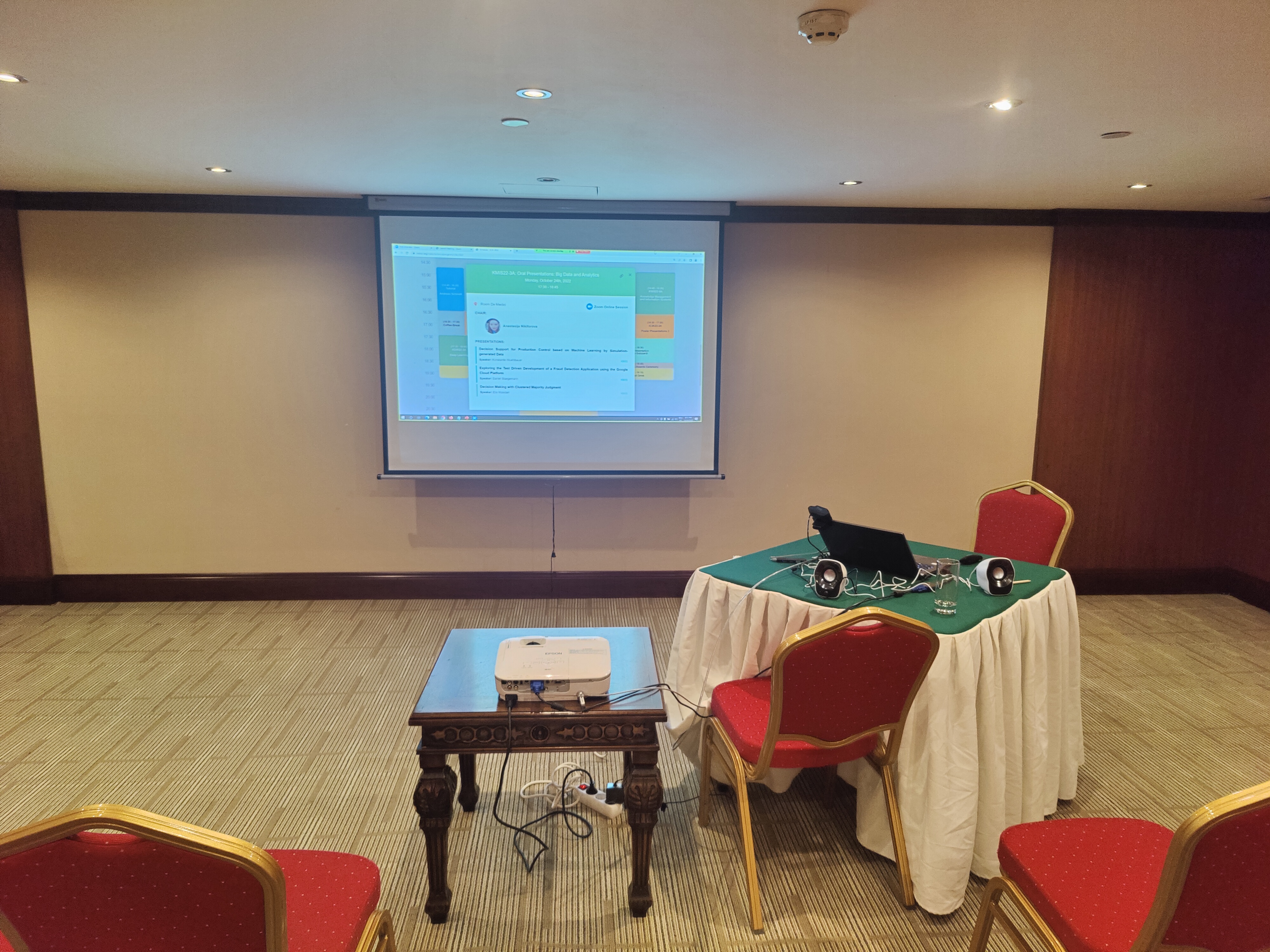
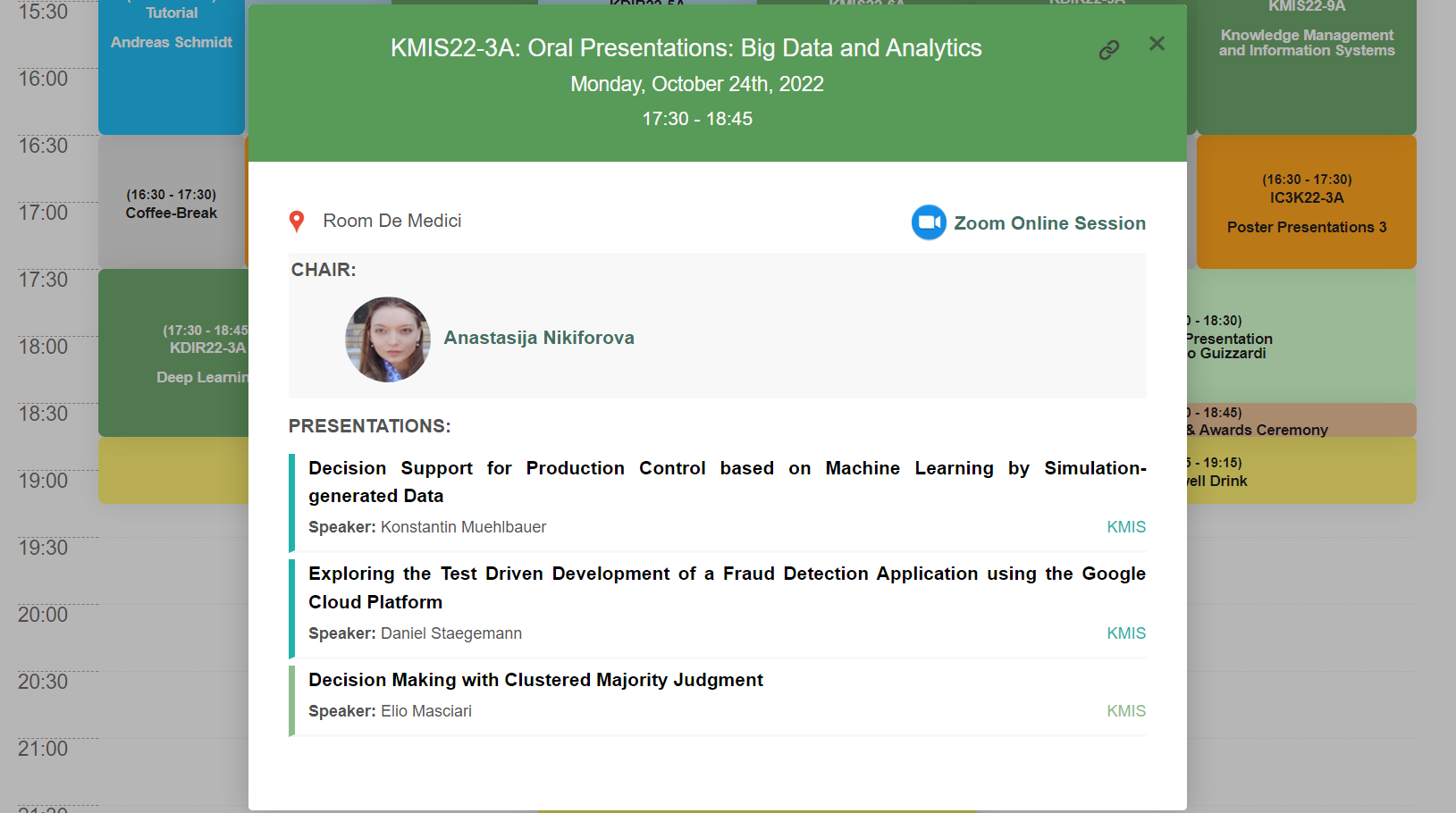
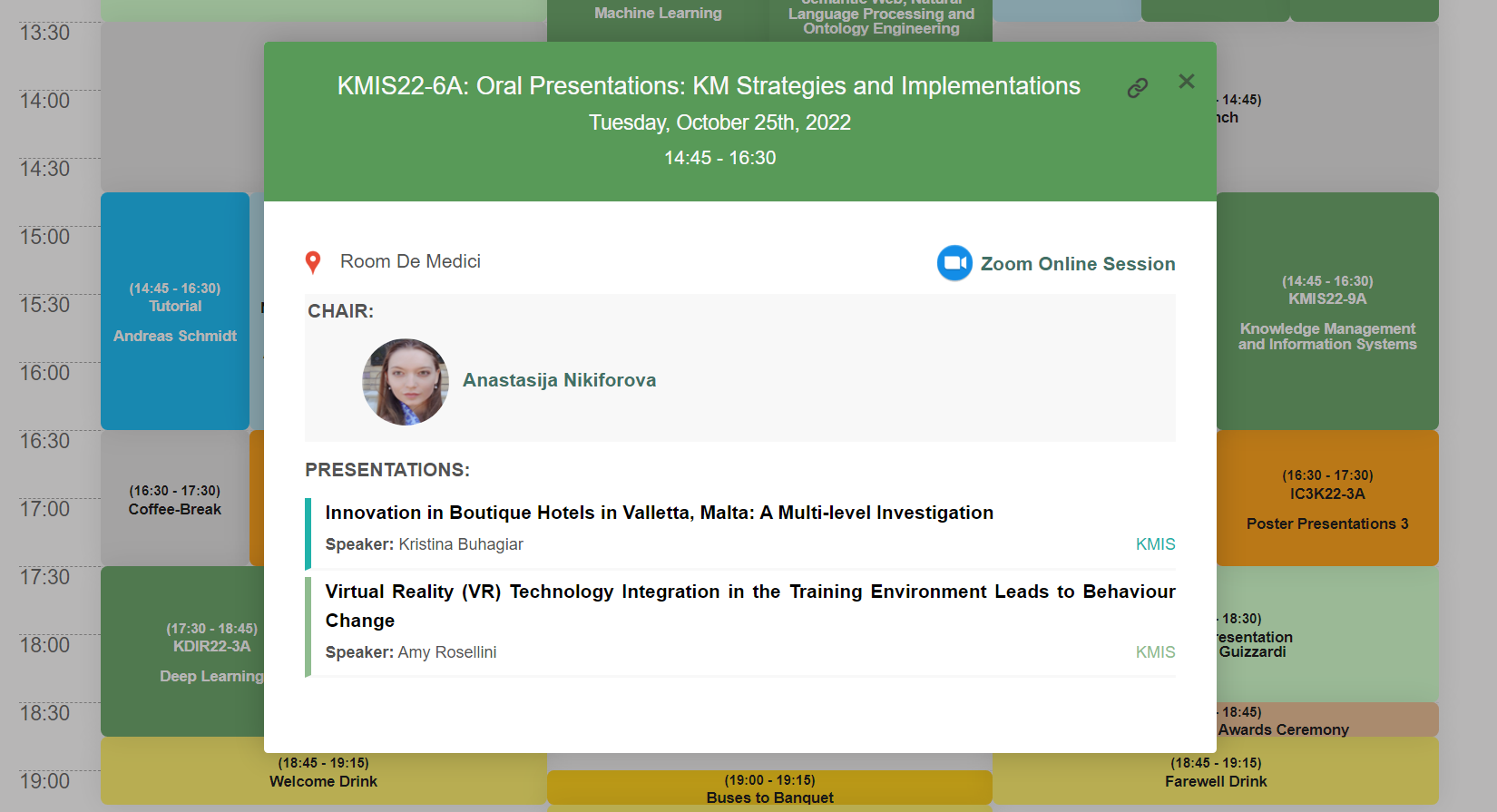
A bit about the sessions I chaired and topics raised within them, which were very diverse but equally relevant and interesting. I was kindly invited to chair two sessions, namely “Big Data and Analytics” and “Knowledge management Strategies and Implementations”, where the papers on the following topics were presented:

  • Decision Support for Production Control based on Machine Learning by Simulation-generated Data (Konstantin Muehlbauer, Lukas Rissmann, Sebastian Meissner, Landshut University of Applied Sciences, Germany);
  • Exploring the Test Driven Development of a Fraud Detection Application using the Google Cloud Platform (Daniel Staegemann, Matthias Volk, Maneendra Perera, Klaus Turowski, Otto-von-Guericke University Magdeburg, Germany) – this paper was also recognized as the best student paper;
  • Decision Making with Clustered Majority Judgment (Emanuele D’ajello , Davide Formica, Elio Masciari, Gaia Mattia, Arianna Anniciello, Cristina Moscariello, Stefano Quintarelli, Davide Zaccarella, University of Napoli Federico II, Copernicani, Milano, Italy.
  • Virtual Reality (VR) Technology Integration in the Training Environment Leads to Behaviour Change (Amy Rosellini, University of North Texas, USA)
  • Innovation in Boutique Hotels in Valletta, Malta: A Multi-level Investigation (Kristina, University of Malta, Malta)

And, of course, as is the case for each and every conference, the keynotes are panelists are those, who gather the highest number of attendees, which is obvious, considering the topic they elaborate on, as well as the topics they raise and discuss. IC3K is not an exception, and the conference started with a very insightful discussion on Current Data Security Regulations and the discussion on whether they Serve or rather Restrict the Application of the Tools and Techniques of AI. Each of three speakers, namely Catholijn Jonker, Bart Verheijen, and Giancarlo Guizzardi, presented their views considering the domain they represent. As a result, both were very different, but at the same time leading you to “I cannot agree more” feeling!

One of panelists – Catholijn Jonker (TU Delft) delivered then an absolutely exceptional keynote speech on Self-Reflective Hybrid Intelligence: Combining Human with Artificial Intelligence and Logic. Enjoyed not only the content, but also the style, where the propositions are critically elaborated on, pointing out that they are not indented to serve as a silver bullet, and the scope, as well as side-effects should be determined and considered. Truly insightful and, I would say, inspiring talk.

All in all, thank you, organizers – INSTICC (Institute for Systems and Technologies of Information, Control and Communication), for bringing us together!

Several summer activities – African Smart Cities Lab, One Conference 2022, EFSA & EBTC joint project, Guest Lecture, “Virtual Brown Bag Lunch”

Considering that in last weeks I was pretty active in delivering very many talks, let me use this post to summarize some of them thereby remaining them in my memory as well as allowing you, my dear reader, to pick up some ideas or navigate to some projects (both projects, initiatives, postgraduate programs, joint workshops or “lunchs” for business and academia) of your interest. So this post is less about self-advertisement and my role in the below discussed events as both panelist, keynote, guest lecturer, invited speaker and expert, but more about very interesting projects, initiatives and labs currently running in different countries and at different scales – local, national, regional and international. And as “thank you” for the organizers of each of them, I would like to shed a light on them in this post, drawing your attention to them!

All in all, this post is about participating as a panelist for One Conference 2022, keynote for African Smart Cities Lab projects’ workshop (Morocco, Ghana, Tunisia, South Africa, Rwanda, Benin, Switzerland), Guest Lecture for master and doctoral students of the Federal University of Technology – Paraná (UTFPR, Postgraduate Program in Production Engineering, Brasil), and invited speaker / expert for monthly “Virtual Brown Bag Lunch” (Mexico), and EFSA & EBTC joint project (Italy) on the creation of a standard for data exchange in support of automation of Systematic Review.

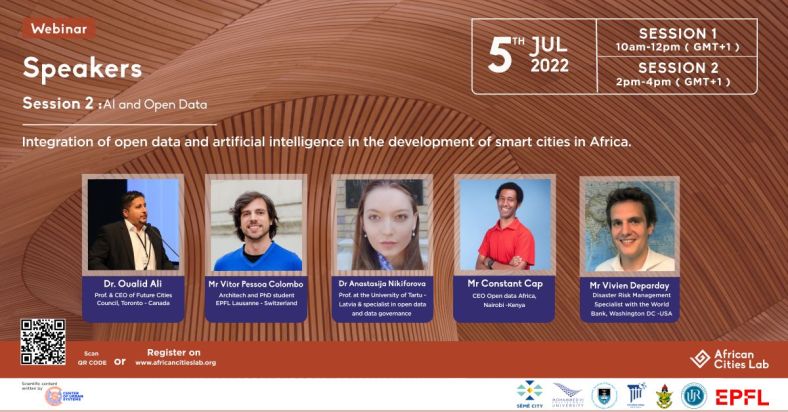
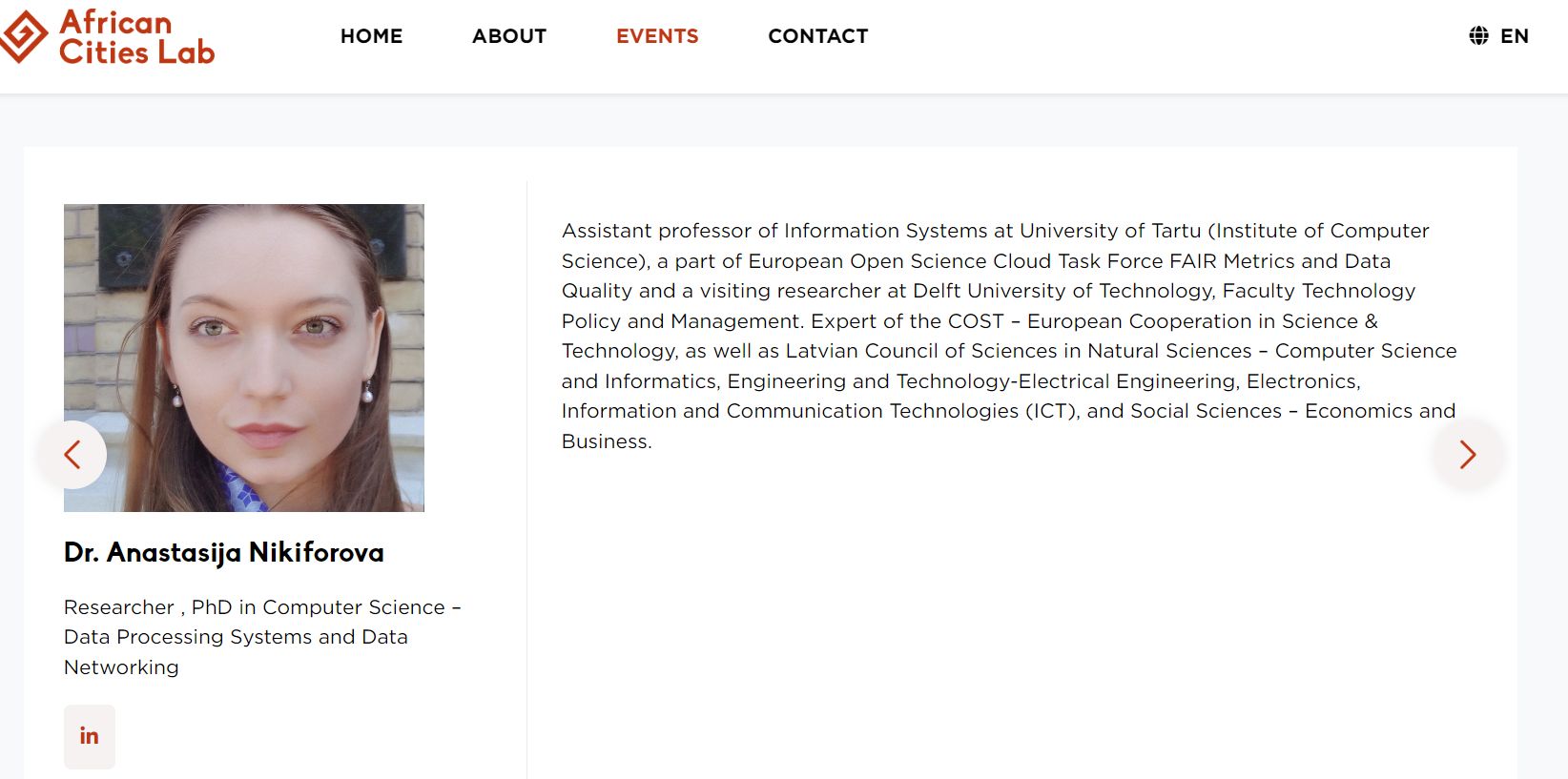
So, let’s start with the most spontaneous, namely “Integration of open data and artificial intelligence in the development of smart cities in Africa” workshop organized as part of the African Cities Lab Project, where I was invited as a keynote speaker. Actually, African Smart Cities Lab project is a very interesting initiative I recently was glad to get familiar with. It is a joint initiative led by École polytechnique fédérale de Lausanne (Switzerland), the Kwame Nkrumah’​ University of Science and Technology, Kumasi (Ghana), the UM6P – Mohammed VI Polytechnic University (Maroc), Sèmè City campus (Benin), the Faculty of Sciences of Bizerta – University of Carthage (Tunisia), the University of Cape Town (South Africa), and the University of Rwanda that aims to create a digital education platform on urban development in Africa, offering quality MOOC and online, continuing education training for professionals. It is also expected to act as a forum for the exchange of digital educational resources and the management and governance of African cities to foster sustainable urban development. The very first workshop took place July 5 in an online mode, where 9 speakers were invited to share their experience on this topic and allow setting the scene for the development of African Smart Cities, considering their potential, but also some bottlenecks.

All in all, two very fruitful sessions with presentations delivered by me, Vitor Pessoa Colombo, Constant Cap, Oualid Ali, Jérôme Chenal, Nesrine Chehata, AKDIM Tariq, Christelle Gracia Gbado, Willy Franck Sob took place and raised a lot of questions, finding the answers for many of them. My talk was titled “Open data and crowdsourced data as enablers and drivers for smart African cities” (see slides below…)

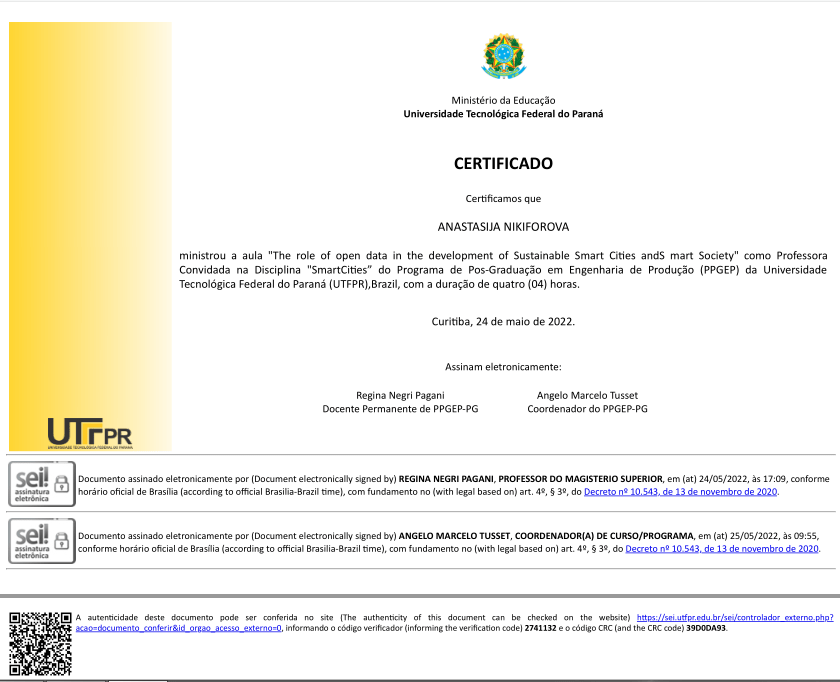
Here, let me immediately mention another activity – a Guest LectureThe role of open data in the development of sustainable smart cities and smart society“, I delivered to students of the Federal University of Technology – Parana (UTFPR, Brazil) and, more precisely so-called PPGEP program – Postgraduate Program in Production Engineering (port. Programa de Pós-Graduação em Engenharia de Produção), in scope of which I was pleasured to raise a discussion on three topics of particular interest – open data, Smart City, and Society 5.0, which are actually very interrelated. This also allowed me to refer to one of our recent studies – Transparency of open data ecosystems in smart cities: definition and assessment of the maturity of transparency in 22 smart cities – published together with my colleagues – Martin Lnenicka, Mariusz Luterek, Otmane Azeroual, Dandison Ukpabi, Visvadis Valtenbergs, and Renata Machova in Sustainable Cities and Society (Q1, Impact Factor: 7.587, SNIP: 2.347, CiteScore: 10.7).

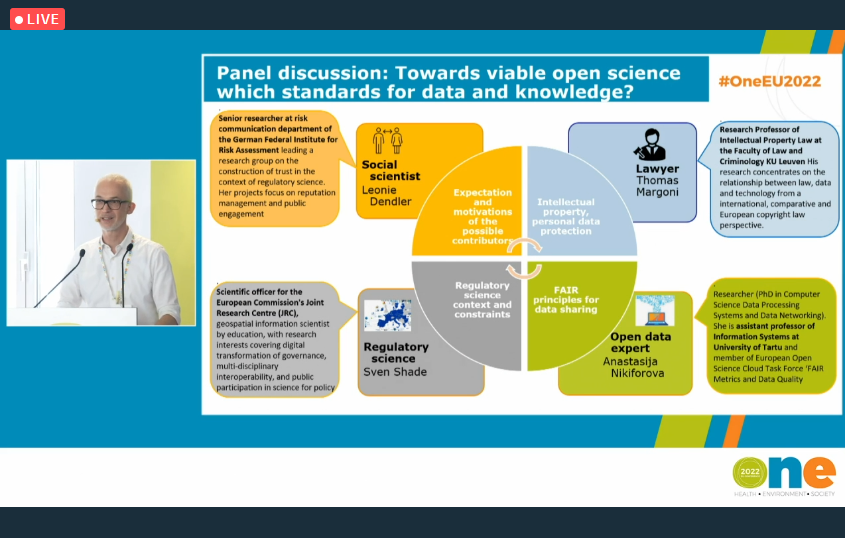
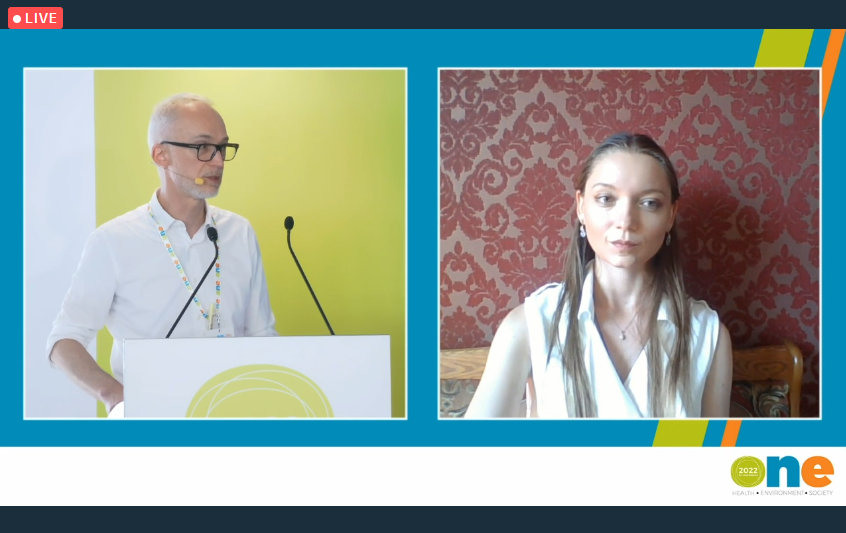
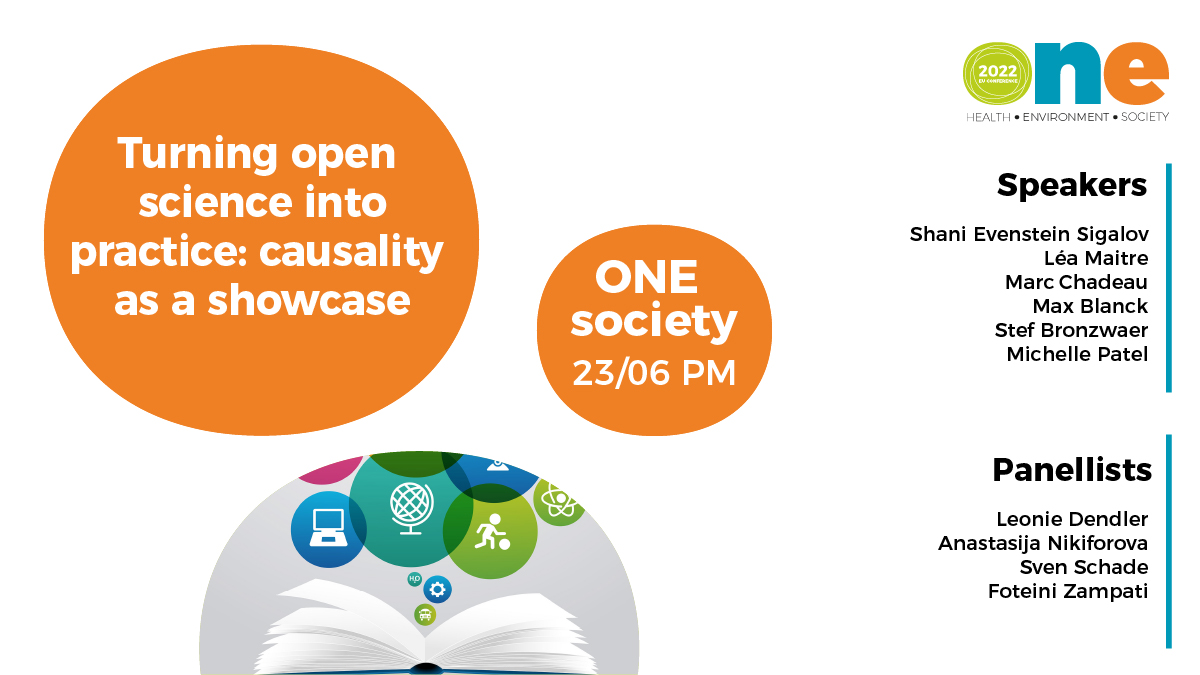
And now, it’s time to turn to two events organized by European Food Safety Authority (EFSA). The first and probably the most “crowded” due to a very high rate of the attendance was the ONE Conference 2022 (Health, Environment, Society), which took place between June 21 and 24, Brussels, Belgium. It was co-organised by European Food Safety Authority (EFSA) and its European sister agencies European Environment Agency, European Medicines Agency, European Chemicals Agency, European Centre for Disease Prevention and Control (ECDC), but if you are an active follower of my blog, you know this already, same as probably remember that I posted about this event previously inviting you to join us in Belgium or online. Since I have elaborated on the course of the event, its main objectives and tracks, I will not repeat this information. Instead, let me briefly summarize key takeaways with a particular focus on the panel for which I served as a panelist – the “ONE society” thematic track, panel discussion “Turning open science into practice: causality as a showcase”. It was a very nice experience and opportunity for sharing our experience on obstacles, benefits and the feasibility of adopting open science approaches, and elaborate on the following questions (although they were more but these one are my favorites):
💡Can the use of open science increase trust to regulatory science? Or does it increase the risk to lose focus, introduce conflicting interests and, thus, threaten reputation? What are the barriers to make open science viable in support to the scientific assessment process carried out by public organizations?
💡What are the tools/ methods available enabling, supporting and sustaining long term open science initiatives today and what could be envisaged for the future?
💡Do we need a governance to handle open data in support to scientific assessment processes carried out by regulatory science bodies?
💡How the data coming from different sources can be harmonized making it appropriate for further use and combination?

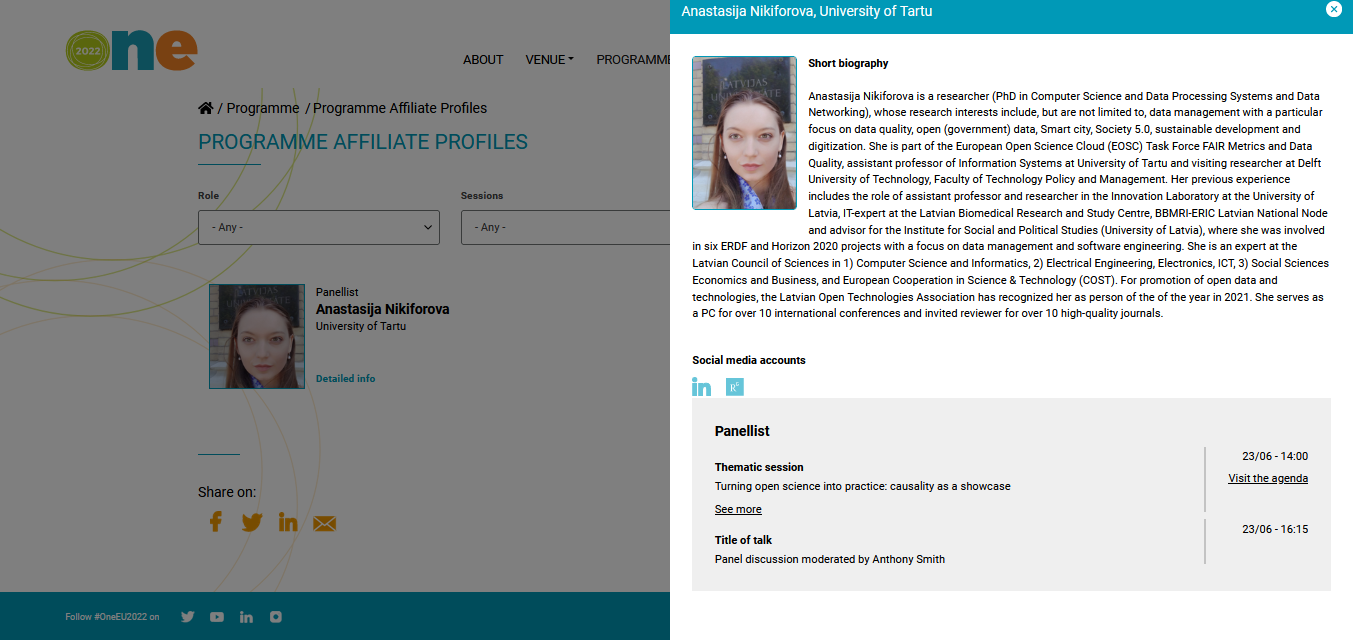
These and many more questions were discussed by panelists with different background and expertise, which were nicely presented by European Food Safety Authority (EFSA) breaking down our experience in four categories – social science (Leonie Dendler, German Federal Institute for Risk Assessment BfR), open data expert (Anastasija Nikiforova,) EOSC Association, University of Tartu, Institute of Computer Science, lawyer (Thomas Margoni, KU Leuven ), regulatory science (Sven Schade, Joint Research Centre, EU Science, Research and Innovation). Many thanks Laura Martino, Federica Barrucci, Claudia Cascio, Laura Ciccolallo, Marios Georgiadis, Giovanni Iacono, Yannick Spill (European Food Safety Authority (EFSA)), and of course to Tony Smith and Jean-François Dechamp (European Commission). For more information, refer to this page.

And as a follow-up for this event, I was kindly invited by EFSA to contribute to setting the scene on the concept of ‘standards for data exchange’, ‘standards for data content’ and ‘standards for data generation’ as part of European Food Safety Authority (EFSA) and Evidence-Based Toxicology Collaboration (EBTC) ongoing project on the creation of a standard for data exchange in support of automation of Systematic Review (as the answer to the call made in “Roadmap for actions on artificial intelligence for evidence management in risk assessment”). It was really nice to know that what we are doing in EOSC Association (Task Force “FAIR metrics and data quality”) is of interest for our colleagues from EFSA and EBTC.
Also, it was super nice to listen other points of view and get involved in the discussion with other speakers and organisers – Elisa Aiassa, Angelo Cafaro, Fulvio Barizzone, Ermanno Cavalli, Marios Georgiadis, Irene Pilar, Irene Muñoz Guajardo, Federica Barrucci, Daniela Tomcikova, Carsten Behring, Irene Da Costa, Raquel Costa, Maeve Cushen, Laura Martino, Yannick Spill, Davide Arcella, Valeria Ercolano, Vittoria Flamini, Kim Wever, Gunn Vist, Annette Bitsch, Daniele Wikoff, Carlijn Hooijmans, Sebastian Hoffmann, Seneca Fitch, Paul Whaley, Katya Tsaioun, Alexandra Bannach-Brown, Ashley Elizabeth Muller, Anne Thessen, Julie McMurray, Brian Alper, Khalid Shahin, Bryn Rhodes, Kaitlyn Hair. The next workshop is expected to take place in September with the first draft ready by the end of this year and presented during one of the upcoming events. More info on this will follow 🙂

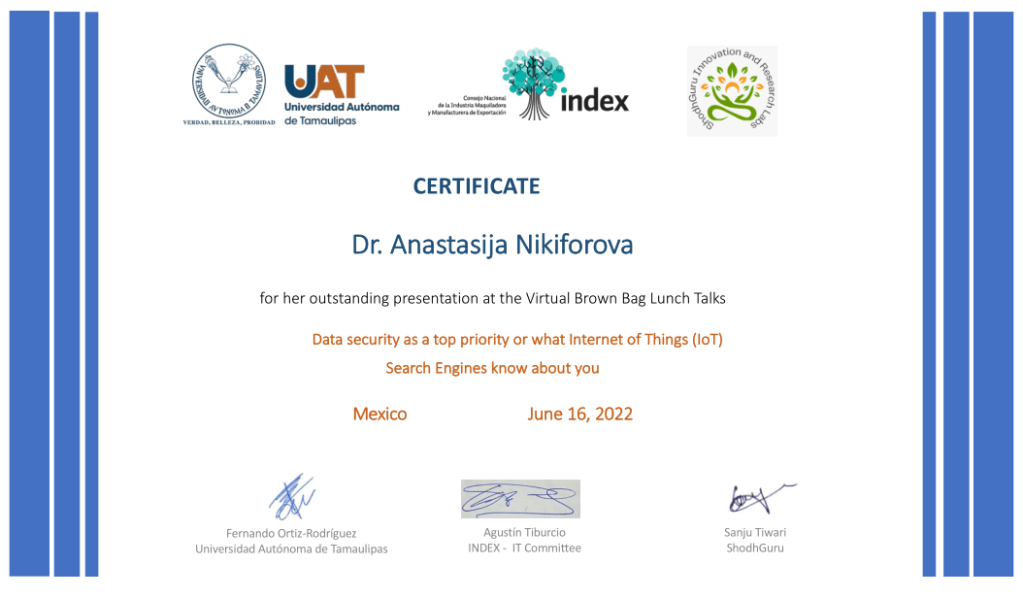
In addition, I was asked by my Mexican colleagues to deliver an invited talk for monthly “Virtual Brown Bag Lunch Talks” intended for the Information Technologies, Manufacturing, and Engineering Employees in Companies associated with Index Manufacturing Association (Mexico, web-based). After discussing several topics with the organizers of this event, we decided that this time the most relevant talk for the audience would be “Data Security as a top priority or what Internet of Things (IoT) Search engines know about you“. Again, if you are an active follower, you will probably realize quickly that it is based on a list of my previous studies – study#1, study#2, study#3 and book chapter.

All in all, while these were just a few activities I was busy with during the last weeks and, these weeks were indeed very busy but extreeeemely interesting with so many different events! I am grateful to all those people, who invited me to take part in them and believe that this is just one of the opportunities we had to collaborate and there are many more in the future!