Green-Aware AI 2025 Workshop at ECAI2025

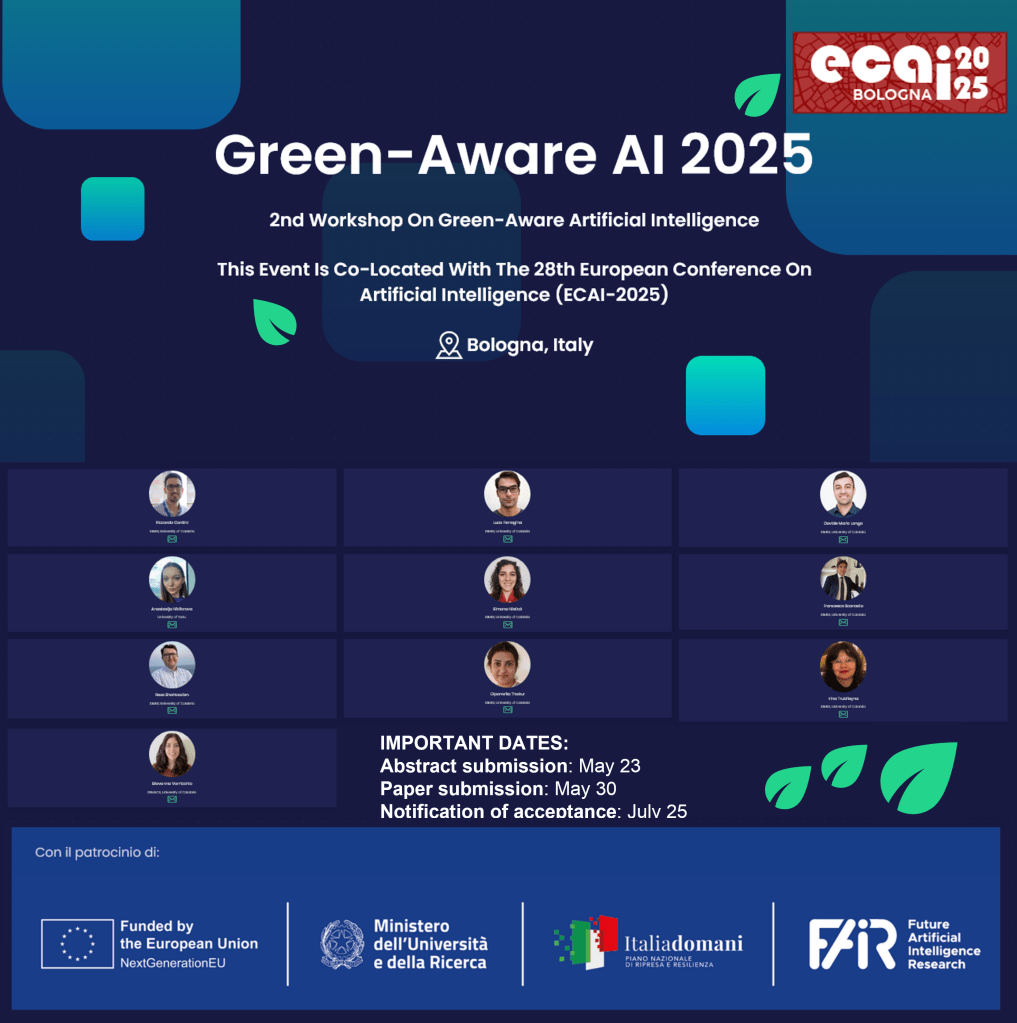
Join us – Riccardo Cantini, Luca Ferragina, Davide Mario Longo, Anastasija Nikiforova, Simona Nisticò, Francesco Scarcello, Reza Shahbazian, Dipanwita Thakur, Irina Trubitsyna, Giovanna Varricchio (University of Calabria & University of Tartu) – at the 2nd Workshop on Green-Aware Artificial Intelligence (Green-Aware AI 2025) to take place conjunction with the 28th European Conference on Artificial Intelligence (ECAI2025) in Bologna, Italy, October 25-30 to examine the sustainability challenges posed by widespread adoption of AI systems, particularly those powered by increasingly complex models, pushing toward responsible AI development and provide a timely response.

The widespread adoption of AI systems, particularly those powered by increasingly complex models, necessitates a critical examination of the sustainability challenges posed by this technological revolution. The call for green awareness in AI extends beyond energy efficiency—it encompasses the integration of sustainability principles into system design, theoretical modeling, and real-world applications.

Green-aware AI requires a multidisciplinary effort to ensure sustainability in its fullest sense, that is, where the green dimension is interpreted broadly, fostering the creation of inherently green-aware AI systems aligned with human-centered values. These systems should uphold sustainability principles such as transparency, accountability, safety, robustness, reliability, non-discrimination, eco-friendliness, interpretability, and fairness—principles reflected in the 17 Sustainable Development Goals (SDGs) defined by the United Nations. The ethical and sustainable advancement of AI systems faces diverse challenges across every stage, including architectural and framework design, algorithm conceptualization, user interaction, data collection, and deployment. This involves designing tools that are inherently green-aware or introducing mechanisms, such as incentives, to encourage agents in AI systems to adopt green-aware behaviors. This principle can be applied across various domains of AI, including but not limited to Algorithm Design, Fairness, Ethics, Game Theory and Economic Paradigms, Machine Learning, Multiagent Systems, and all their applications.

It is worthwhile noting that machine learning systems rank among the most energy-intensive computational applications, significantly impacting the environment through their substantial carbon emissions. Notable examples include the training of large-scale, cutting-edge AI models like those used in ChatGPT and AlphaFold. The creation of such systems demands vast resources, including high-performance computing infrastructure, extensive datasets, and specialized expertise. These requirements create barriers to the democratization of AI, limiting access to large organizations or well-funded entities while excluding smaller businesses, under-resourced institutions, and individuals. The lack of interpretability in AI systems further exacerbates these challenges, raising significant concerns about trustworthiness, accountability, and reliability. Such systems often function as black boxes, making it difficult to understand their underlying decision-making processes. This opaqueness can erode public trust and create barriers to holding developers accountable for harmful outcomes. Additionally, AI systems are prone to biases embedded in their training data and reinforced through user interactions, perpetuating discrimination and unfair treatment, disproportionately affecting marginalized and underrepresented groups.

By addressing these pressing challenges, the workshop aligns with the global push toward responsible AI development and provides a timely response to the environmental and social implications of AI technologies. The primary goal of this workshop is to foster discussions among scholars from diverse disciplines, facilitating the integration of technological advancements with environmental responsibility to drive progress toward a sustainable future. As such Green-Aware AI 2025 invites contributions around the following topics of interest (not limited to thm exclusively though):
💡Green-aware AI frameworks and applications;
💡AI methodologies for energy-efficient computing;
💡Human-centered and ethical AI design;
💡Reliable, transparent, interpretable, and explainable AI;
💡Trustworthy AI for resilient and adaptive systems;
💡Fairness in machine learning models and applications;
💡Impact of AI on underrepresented communities, bias mitigation, and exclusion studies (datasets and benchmarks);
💡Theoretical analysis of energy efficiency in AI systems;
💡Green and sustainable AI applications in environmental and social sciences, healthcare, smart cities, education, finance, and law;
💡Compression techniques and energy-aware training strategies for language models;
💡Approximate computing and efficient on-device learning;
💡Green-oriented models in game theory, economics, and computational social choice;
💡Green-awareness in multi-agent systems;
💡Security and privacy concerns in machine learning models.

Stay tuned about keynotes info on whom to come soon!

📆Important dates:
Abstract submission: May 23
Paper submission: May 30
Notification of acceptance: July 25
Camera-ready: July 31

Join us at Green-Aware AI to help facilitating the integration of technological advancements with environmental responsibility to drive progress toward a sustainable future.

Workshop is supported by the Future AI Research (FAIR), the Italian Ministry of Education, Universities and Research and Italia Domani.

HICSS2026 Sustainable and Trustworthy Digital and Data Ecosystems for Societal Transformation mini-track


Are you researching sustainable and trustworthy digital ecosystems? Then, submit your work to our HICSS2026 “Sustainable and Trustworthy Digital and Data Ecosystems for Societal Transformation” mini-track we chair together with Daniel Staegemann and Asif Gill at the Association for Information Systems Hawaii International Conference on System Sciences (HICSS-59)!

In an era where data is the foundation of digital transformation, well-designed and managed sustainable and trustworthy digital and data ecosystems are critical for artificial intelligence (AI), strategic innovation, governance, competitive advantage, and trust in increasingly digital societies. With the rise of new data architectures (e.g., data meshes and data lakehouses), the shift from centralized to decentralized systems, and the integration of AI in data governance and management among others emerging technologies (e.g., blockchain, cloud computing), these ecosystems are becoming more dynamic, interconnected, and complex. However, alongside their potential benefits that is a common focus of the research around these ecosystems, challenges related to trustworthiness, transparency, security, sustainability, and governance must be addressed.

HICSS2026 “Sustainable and Trustworthy Digital and Data Ecosystems for Societal Transformation” mini-track we chair together with Daniel Staegemann and Asif Gill invites research on how digital and data ecosystems evolve in terms of resilience, trustworthiness, and sustainability while enabling strategic innovation and societal transformation. We welcome studies that explore the interplay between AI, data governance, policies, methodologies, human factors, and digital transformation across sectors such as finance, government, healthcare, and education.
We seek theoretical, empirical, design science, case study, and interdisciplinary contributions on topics including, but not limited to:

  1. AI, trustworthiness, and governance in digital and data ecosystems:
    • AI as an actor and stakeholder in data ecosystems;
    • AI-augmented governance, security, and data quality management;
    • human factors in AI-integrated ecosystems (trust, user acceptance, participation);
    • interoperability, observability, and data linking across ecosystems;
  2. Emerging technologies and strategic innovation:
    • transition from centralized to decentralized data architectures (e.g., data lakehouses, data meshes);
    • emerging technologies for trustworthy ecosystems;
    • AI-driven business process augmentation and decision-making;
    • industry and government case studies on evolving data ecosystems;
  3. Resilience and sustainability of data ecosystems:
    • ethical AI and responsible innovation in data ecosystems;
    • sustainability and long-term governance of digital and data infrastructures;
    • cross-sectoral and interdisciplinary approaches for building sustainable ecosystems;
    • impact of data democratization on digital transformation and innovation.

By combining the strengths of strategic innovation, trustworthy AI, and data ecosystem governance, this track expects to offer a holistic perspective at the intersection of information systems, AI governance, data science, and digital transformation. It will serve as a platform for researchers and practitioners to explore how digital and data ecosystems can be sustainable, resilient, and trustworthy while driving innovation and societal transformation.

We welcome conceptual, empirical, design science, case study, and theoretical papers from fields such as information systems, computer science, data science, management and process science, policy-making, behavioral economics, and social sciences.

This mini-track is part of HICSS59 “Organizational Systems and Technology” track (chairs: Hugh Watson and Dorothy Leidner) and more information about it can be found here.

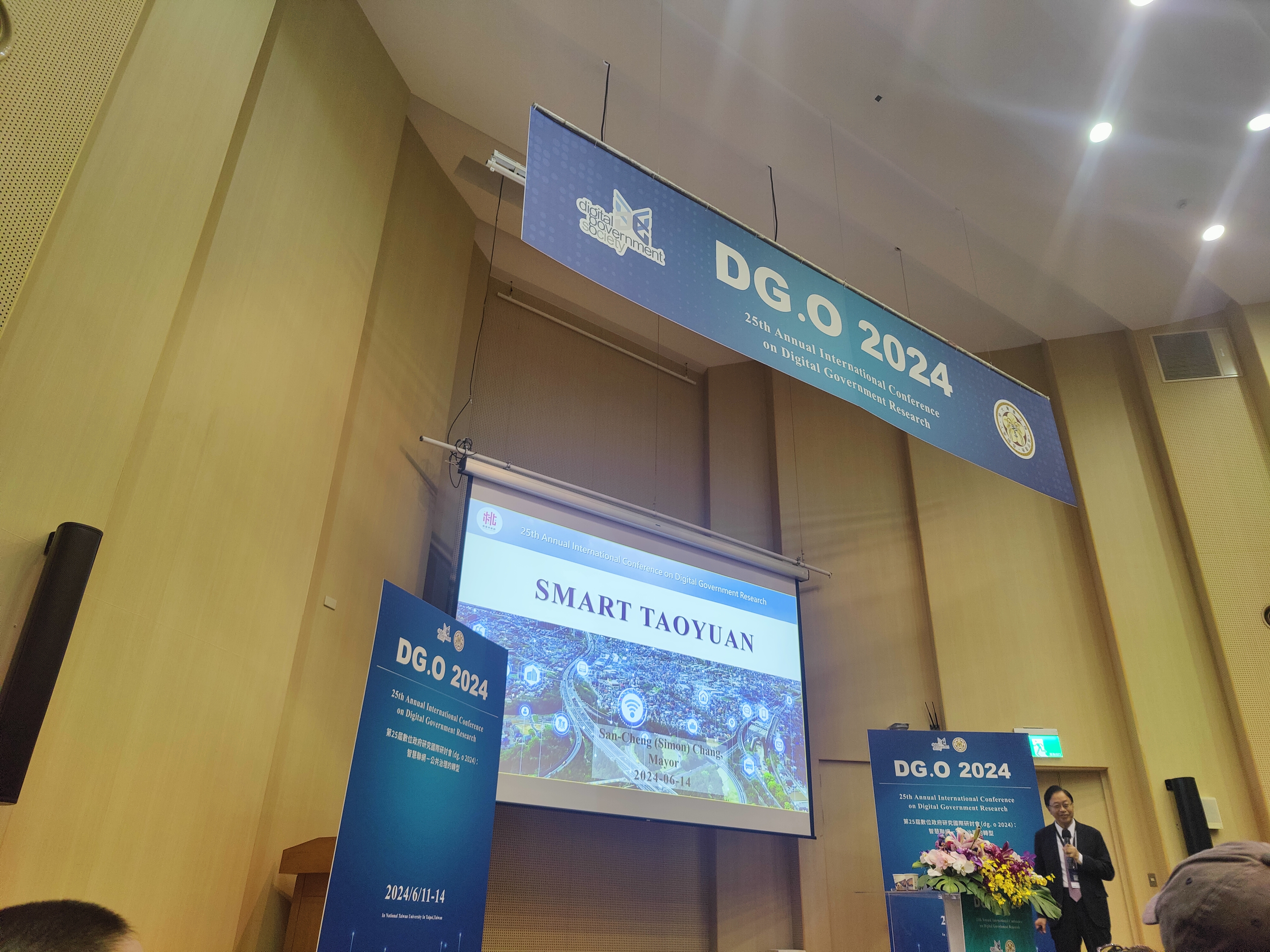
The 25th Annual International Conference on Digital Government Research (DGO2024): a brief summary on presenter, track chair, panel organizer, and moderator roles

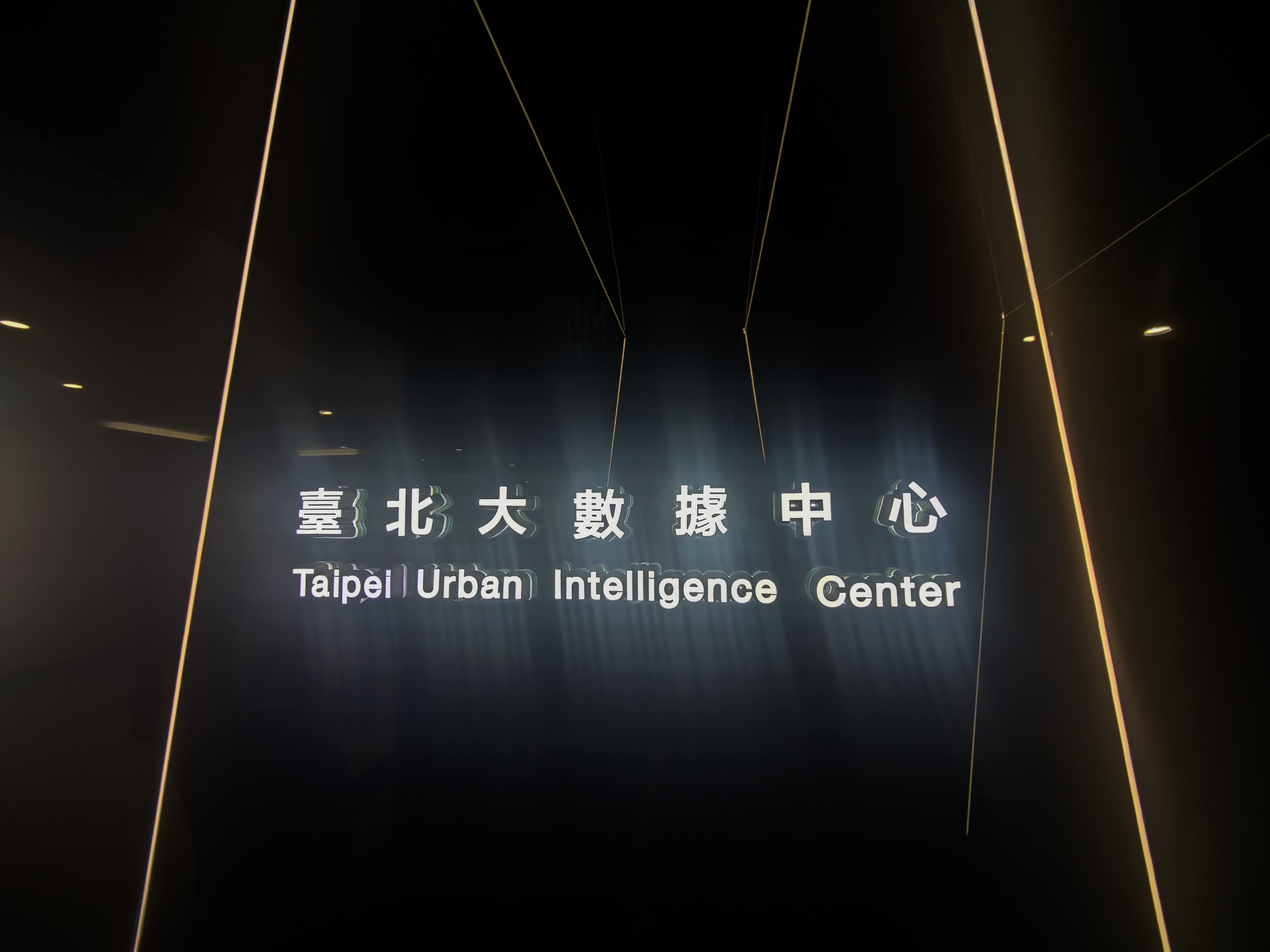
Last week, I had the pleasure of participating in the 25th Annual International Conference on Digital Government Research (DGO2024), organized by the Digital Government Society and hosted by National Taiwan University in the beautiful city of Taipei (Taiwan) under “Internet of Beings: Transforming Public Governance” theme. The conference offered an exceptional venue, warm hospitality from the local committee led by Helen Liu and her team, a rich social program, and an outstanding scientific program. The event featured well-selected keynotes and panels from prominent organizations such as Foxconn, the International Cooperation Center of TCA, Massachusetts Institute of Technology, Taipei Urban Intelligence Center, and the Ministry of Digital Affairs. Key topics included AI, Smart City initiatives, and Data Governance, which facilitated extensive networking and brainstorming sessions.

I was honored to contribute to this vibrant dialogue in multiple roles: presenter, track chair, panel organizer, and moderator. Together with my students and colleagues, we presented four papers, each reflecting our collaborative research efforts:

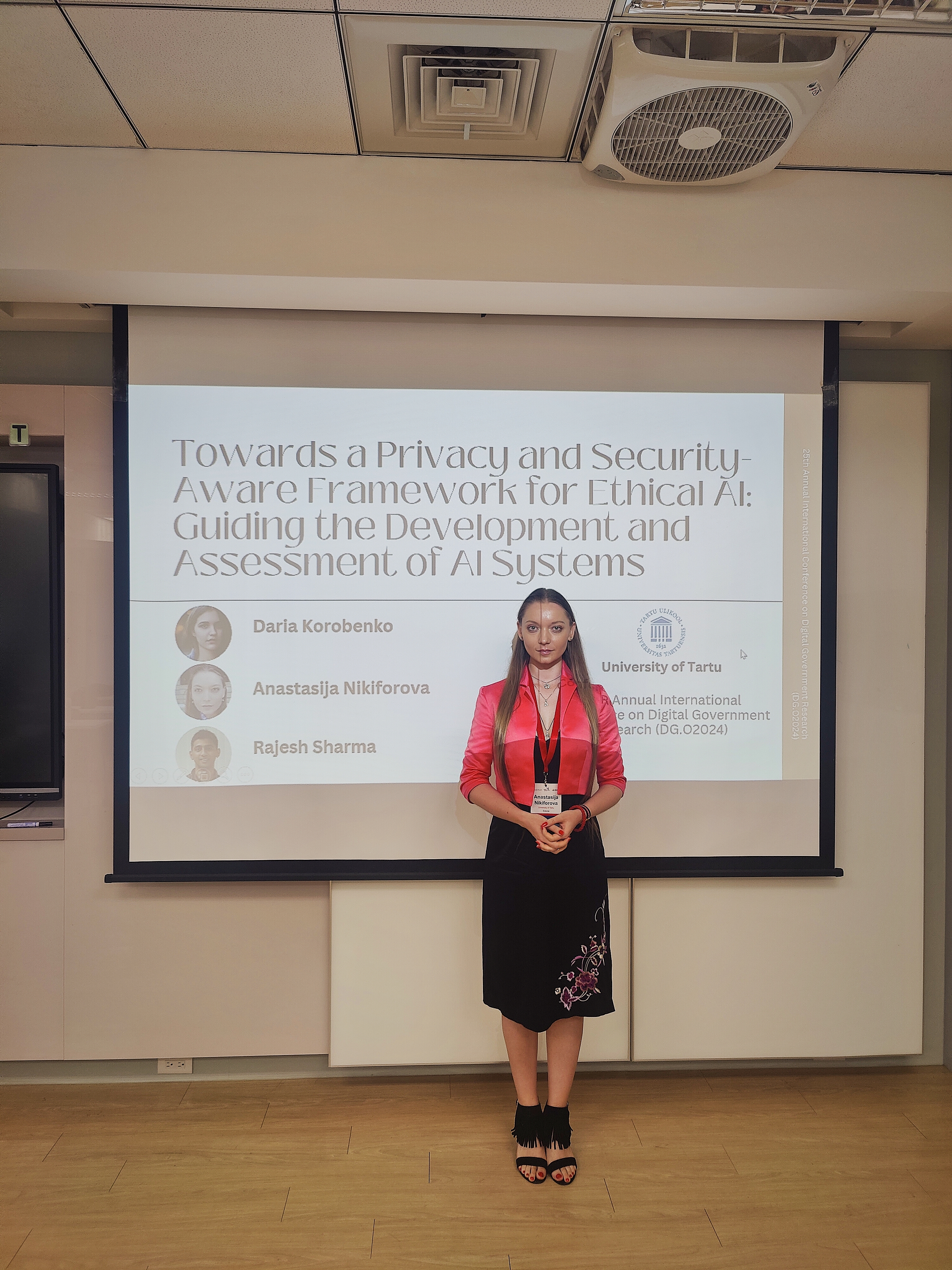
  1. Towards a Privacy and Security-Aware Framework for Ethical AI (Daria Korobenko, Anastasija NIkiforova, Rajesh Sharma). The proposed (conceptual at the moment) privacy and security-Aware Framework for ethical AI is centered around the Data, Technology, People, and Process dimensions, where each dimension is guided by a set of specific questions to encompass the overarching themes of privacy and security within AI systems, while the framework itself follows a risk-based approach (similar to the EU AI Act). As such, it is designed to assist diverse stakeholders, including organizations, academic institutions, and governmental bodies, in both the development and critical assessment of AI systems.
  2. Exploring Estonia’s Open Government Data Development as a Journey towards Excellence: Unveiling the Progress of Local Governments in Open Data Provision (Katrin Rajamae-Soosaar and Anastasija Nikiforova) that explores the evolution of Estonia’s 🇪🇪 OGD development at both national & local levels through analysis of indices, Estonian OGD portal, and a literature review. Findings reveal national progress due to portal improvements and legislative changes, while local governments lag in OGD provision, highlighting the need for future research on municipal OGD barriers and enablers.
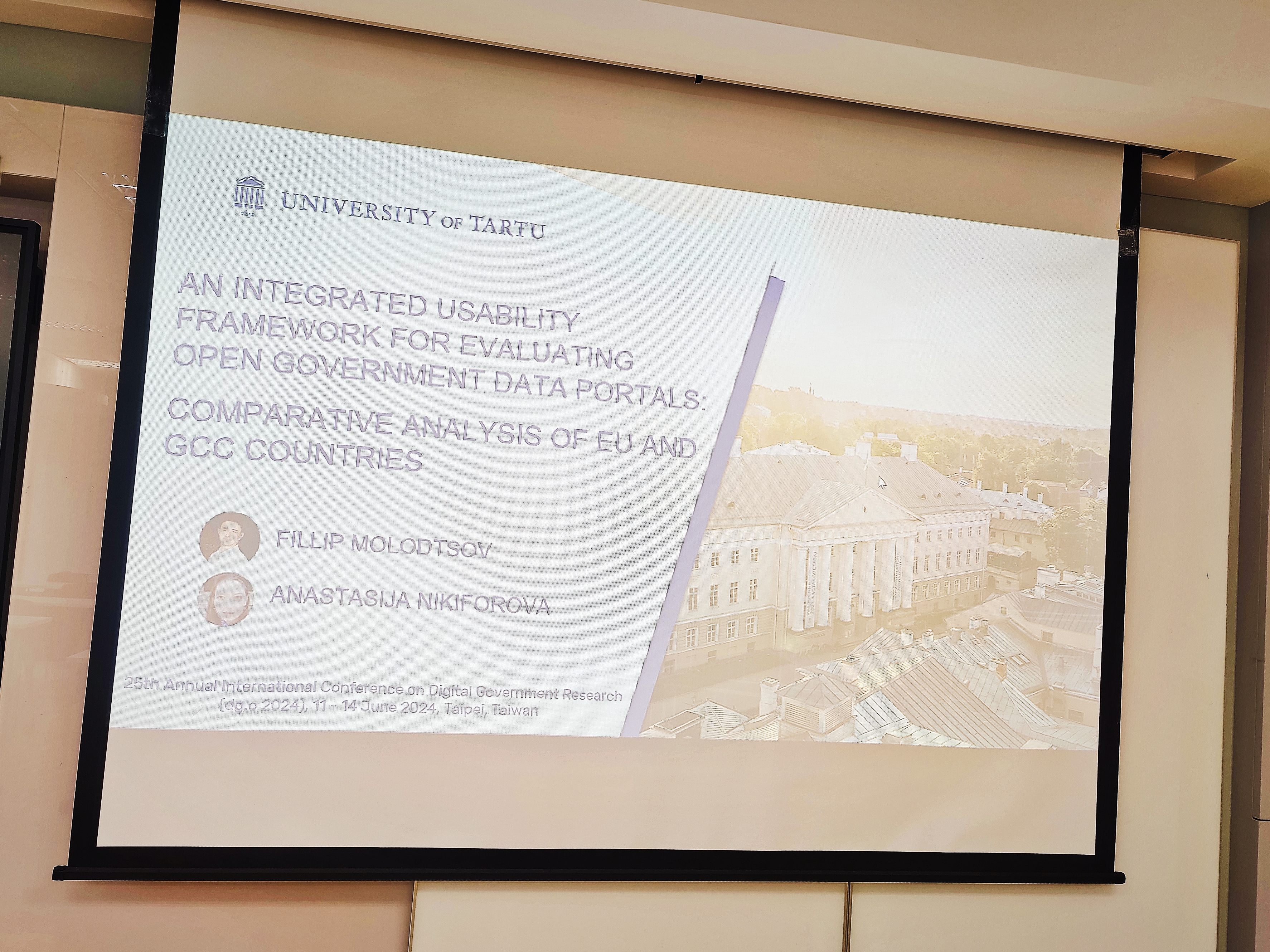
  3. An Integrated Usability Framework for Evaluating Open Government Data Portals: Comparative Analysis of EU and GCC Countries (Fillip Molodtsov and Anastasija Nikiforova) develops a framework to evaluate OGD portal usability, considering user diversity, collaboration, and data exploration capabilities, and applies it to 33 national portals in the EU and GCC 🇪🇺🇸🇦🇶🇦🇧🇭🇦🇪, highlighting good practices and common shortcomings, emphasizing competitiveness of GCC portals
  4. Unlocking the Potential of Open Government Data: Exploring the Strategic, Technical, and Application Perspectives of High-Value Datasets Opening in Taiwan (Hsien-Lee Tseng and Anastasija Nikiforova). In short, data has an unprecedented value. However, availability of data in an open data format creates a little added value, where the value of these data [to the real needs of the end user], is key. This is where the concept of high-value dataset (HVD) comes into play, which has become popular in recent years (predominantly beforehand OD Directive by European Commission). Defining and opening HVD, in turn, is a complex process consisting of a set of interrelated steps, the implementation of which may vary from one country or region to another. Therefore, there has recently been a call to conduct research in a country or region setting considered to be of greatest national value. So far, only a few studies have been conducted, most of which consider only one step of the process, such as identifying HVD or measuring their impact. With this study, we explore the entire lifecycle of HVD opening in case of one of the world’s leading producers of ICT products – Taiwan. To do this, we conduct a qualitative study with exploratory interviews with representatives from government agencies in Taiwan responsible for HVD opening, namely Ministry of Digital Affairs, Ministry of the Interior, Ministry of Transportation and Communications, and the Ministry of Environment. As part of these interviews, we examine strategic aspects associated with HVD determination, technical aspects related to the dataset preparation stage (incl. data quality, granularity, update frequency, integration methods, or data evaluation), and application aspects related to the further assessment of the impact generated by HVD, identifying some good practices and weaknesses to be further examined and fixed.

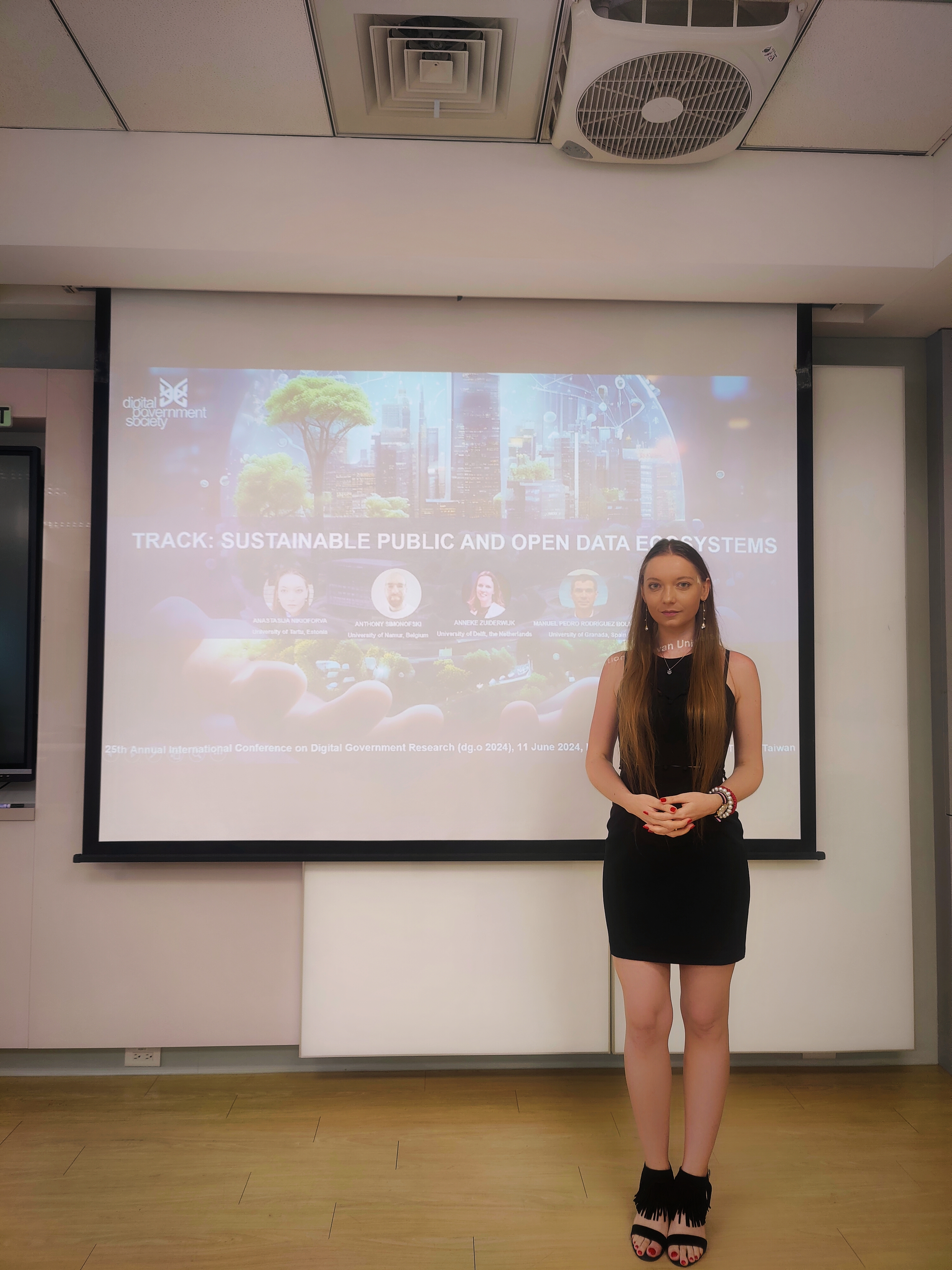
I also chaired the track “Sustainable Public and Open Data Ecosystems,” which we launched this year with colleagues, on which I posted before. Although this is the very new track, we received a good number of contributions as it appeared to be very timely and we hope to see it to have a continuation, serving as a stage for the dialogue by Digital Government Society around the public and open data ecosystem in and for our digital future. At least this session has demonstrated the interest in such an environment – many thanks to all, who actively participated in this discussion. BTW, should you be interested in difference between public vs open data ecosystem, I encourage you to read our conceptualization and typology in our “Understanding the development of public data ecosystems: from a conceptual model to a six-generation model of the evolution of public data ecosystems” paper. We also are optimistic that the best contributions from this track will soon be available in a special section of the Information Polity Journal that we have recently launched.

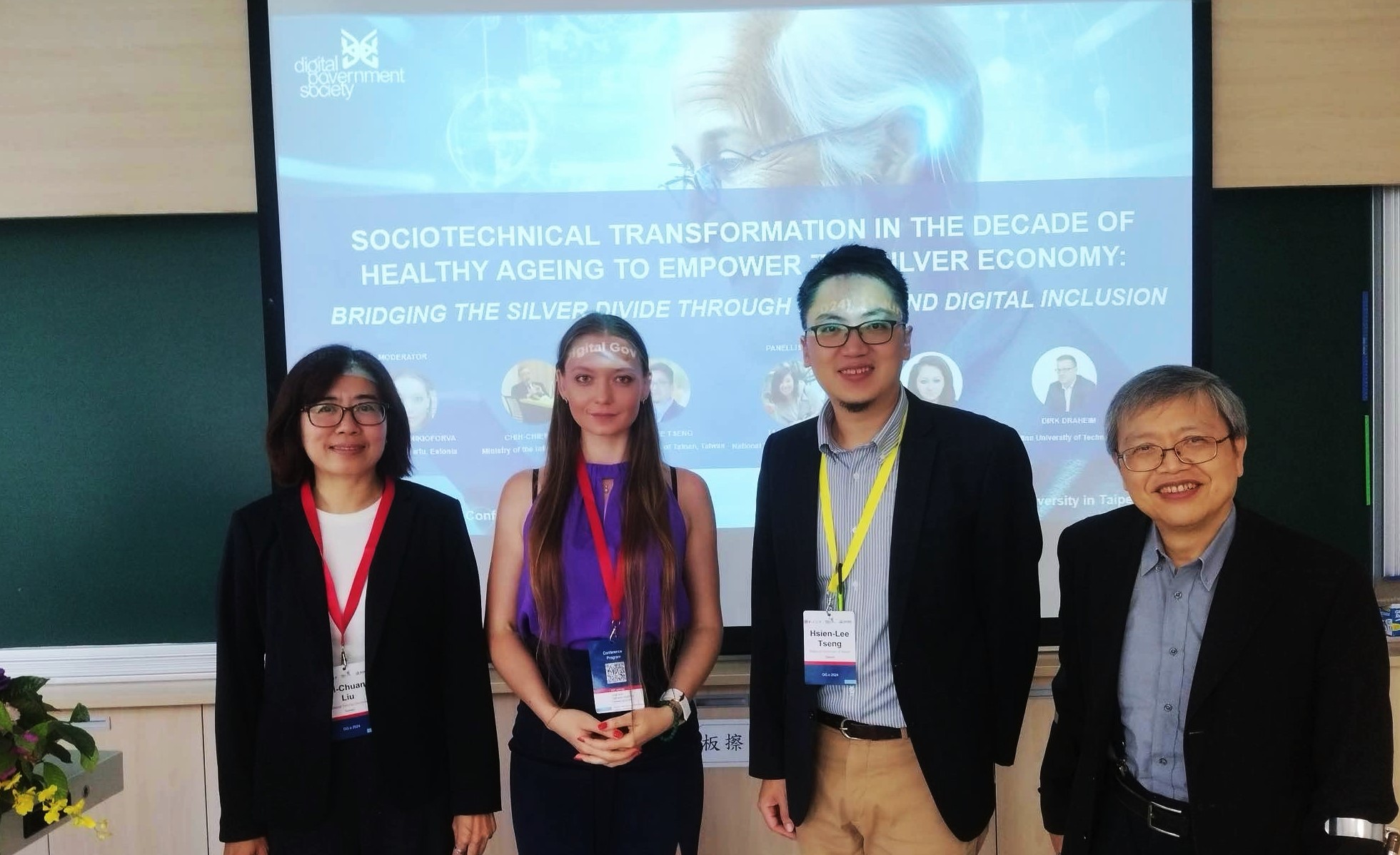
In addition, together with Hsien-Lee Tseng, we organized the panel “Sociotechnical Transformation in the Decade of Healthy Ageing to Empower the Silver Economy: Bridging the Silver Divide through Social and Digital Inclusion,” which addressed crucial issues related to the integration of aging populations into the digital economy and society. Our discussions focused on case studies from Taiwan and Estonia, two regions with significant aging populations and leaders in ICT and digital government. We explored several innovative initiatives:

  1. The Aged Dwelling Plan by the Ministry of Interior of Taiwan, which proactively delivers resources to those most in need through the Senior Living Needs Index Framework. It integrates cross-agency data such as household registration, building information, long-term care, low-income households, and open geospatial data.
  2. The Digital Silver Hub constituting the ecosystem fosters innovative solutions for the silver population, involving the public sector, private sector, academia, and end-users. It utilizes a collective intelligence model to address the challenges faced by older adults.
  3. Health Promotion, Technology Inclusion by National Taitung University aimed at achieving technological inclusion, this project focuses on non-discriminatory health promotion technology policies and activities for people with chronic diseases.

As such, our discussions highlighted the opportunities and challenges in supporting the Decade of Healthy Ageing, an initiative by the United Nations. Key themes included Data Management, Security, and Privacy, Digital Literacy and Regional Adoption, Human-Computer Interaction (HCI) and User-Centric Design, Interoperability. Our panel concluded that there is no one-size-fits-all solution to the challenges faced by the aging population. Instead, it is crucial to recognize and leverage the capacities and strengths of each region to develop tailored solutions, whether they be social, technical, or sociotechnical. By doing so, we can create effective and sustainable strategies to support healthy aging and bridge the silver divide.

The conference also featured a working meeting on the new Digital Government Society Chapter, “Artificial Intelligence & Government.” I contributed to the discussions and look forward to continued involvement and impact in this ambitious initiative led by Fadi Salem.

In summary, DGO2024 was an incredibly insightful and productive week.