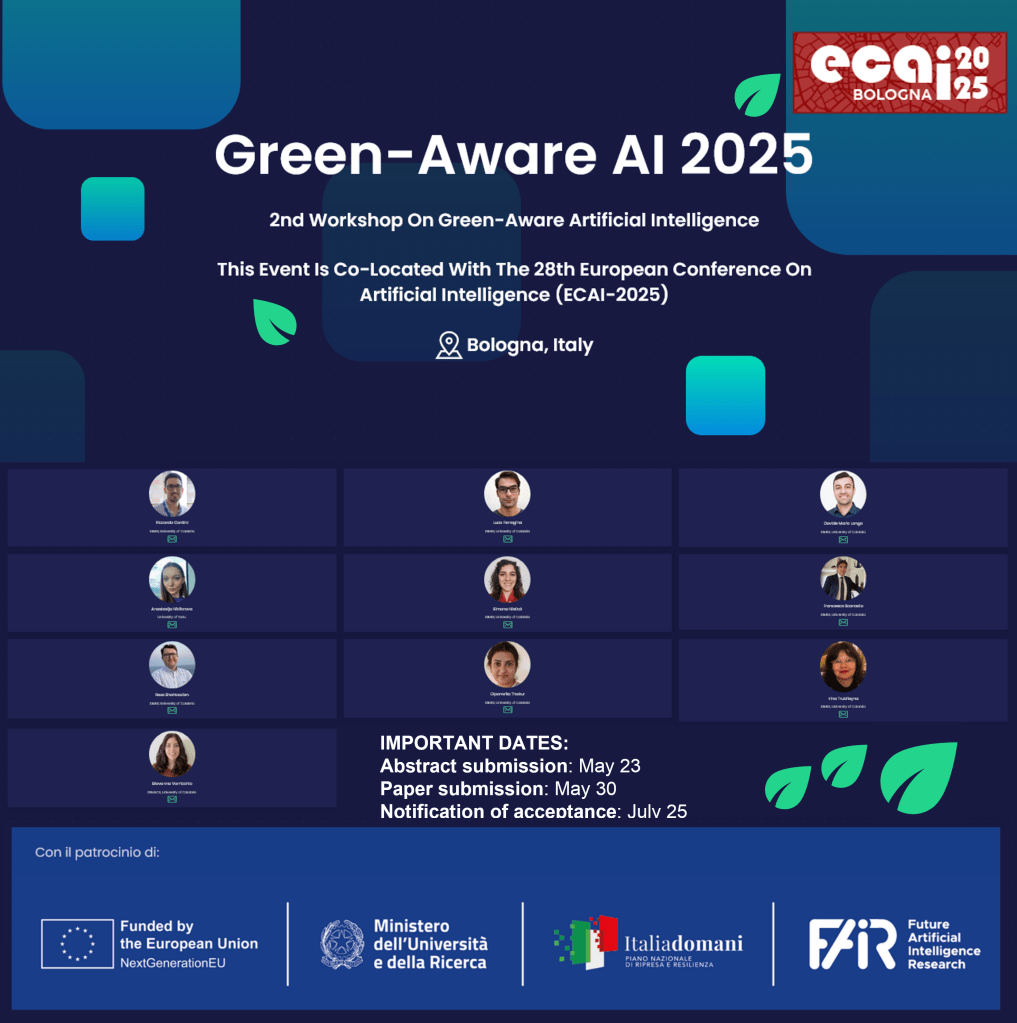
Join us – Riccardo Cantini, Luca Ferragina, Davide Mario Longo, Anastasija Nikiforova, Simona Nisticò, Francesco Scarcello, Reza Shahbazian, Dipanwita Thakur, Irina Trubitsyna, Giovanna Varricchio (University of Calabria & University of Tartu) – at the 2nd Workshop on Green-Aware Artificial Intelligence (Green-Aware AI 2025) to take place conjunction with the 28th European Conference on Artificial Intelligence (ECAI2025) in Bologna, Italy, October 25-30 to examine the sustainability challenges posed by widespread adoption of AI systems, particularly those powered by increasingly complex models, pushing toward responsible AI development and provide a timely response.
The widespread adoption of AI systems, particularly those powered by increasingly complex models, necessitates a critical examination of the sustainability challenges posed by this technological revolution. The call for green awareness in AI extends beyond energy efficiency—it encompasses the integration of sustainability principles into system design, theoretical modeling, and real-world applications.
Green-aware AI requires a multidisciplinary effort to ensure sustainability in its fullest sense, that is, where the green dimension is interpreted broadly, fostering the creation of inherently green-aware AI systems aligned with human-centered values. These systems should uphold sustainability principles such as transparency, accountability, safety, robustness, reliability, non-discrimination, eco-friendliness, interpretability, and fairness—principles reflected in the 17 Sustainable Development Goals (SDGs) defined by the United Nations. The ethical and sustainable advancement of AI systems faces diverse challenges across every stage, including architectural and framework design, algorithm conceptualization, user interaction, data collection, and deployment. This involves designing tools that are inherently green-aware or introducing mechanisms, such as incentives, to encourage agents in AI systems to adopt green-aware behaviors. This principle can be applied across various domains of AI, including but not limited to Algorithm Design, Fairness, Ethics, Game Theory and Economic Paradigms, Machine Learning, Multiagent Systems, and all their applications.
It is worthwhile noting that machine learning systems rank among the most energy-intensive computational applications, significantly impacting the environment through their substantial carbon emissions. Notable examples include the training of large-scale, cutting-edge AI models like those used in ChatGPT and AlphaFold. The creation of such systems demands vast resources, including high-performance computing infrastructure, extensive datasets, and specialized expertise. These requirements create barriers to the democratization of AI, limiting access to large organizations or well-funded entities while excluding smaller businesses, under-resourced institutions, and individuals. The lack of interpretability in AI systems further exacerbates these challenges, raising significant concerns about trustworthiness, accountability, and reliability. Such systems often function as black boxes, making it difficult to understand their underlying decision-making processes. This opaqueness can erode public trust and create barriers to holding developers accountable for harmful outcomes. Additionally, AI systems are prone to biases embedded in their training data and reinforced through user interactions, perpetuating discrimination and unfair treatment, disproportionately affecting marginalized and underrepresented groups.
By addressing these pressing challenges, the workshop aligns with the global push toward responsible AI development and provides a timely response to the environmental and social implications of AI technologies. The primary goal of this workshop is to foster discussions among scholars from diverse disciplines, facilitating the integration of technological advancements with environmental responsibility to drive progress toward a sustainable future. As such Green-Aware AI 2025 invites contributions around the following topics of interest (not limited to thm exclusively though): 💡Green-aware AI frameworks and applications; 💡AI methodologies for energy-efficient computing; 💡Human-centered and ethical AI design; 💡Reliable, transparent, interpretable, and explainable AI; 💡Trustworthy AI for resilient and adaptive systems; 💡Fairness in machine learning models and applications; 💡Impact of AI on underrepresented communities, bias mitigation, and exclusion studies (datasets and benchmarks); 💡Theoretical analysis of energy efficiency in AI systems; 💡Green and sustainable AI applications in environmental and social sciences, healthcare, smart cities, education, finance, and law; 💡Compression techniques and energy-aware training strategies for language models; 💡Approximate computing and efficient on-device learning; 💡Green-oriented models in game theory, economics, and computational social choice; 💡Green-awareness in multi-agent systems; 💡Security and privacy concerns in machine learning models.
Stay tuned about keynotes info on whom to come soon!
📆Important dates: Abstract submission: May 23 Paper submission: May 30 Notification of acceptance: July 25 Camera-ready: July 31
Join us at Green-Aware AI to help facilitating the integration of technological advancements with environmental responsibility to drive progress toward a sustainable future.
Workshop is supported by the Future AI Research (FAIR), the Italian Ministry of Education, Universities and Research and Italia Domani.
Are you researching sustainable and trustworthy digital ecosystems? Then, submit your work to our HICSS2026 “Sustainable and Trustworthy Digital and Data Ecosystems for Societal Transformation” mini-track we chair together with Daniel Staegemann and Asif Gill at the Association for Information Systems Hawaii International Conference on System Sciences (HICSS-59)!
In an era where data is the foundation of digital transformation, well-designed and managed sustainable and trustworthy digital and data ecosystems are critical for artificial intelligence (AI), strategic innovation, governance, competitive advantage, and trust in increasingly digital societies. With the rise of new data architectures (e.g., data meshes and data lakehouses), the shift from centralized to decentralized systems, and the integration of AI in data governance and management among others emerging technologies (e.g., blockchain, cloud computing), these ecosystems are becoming more dynamic, interconnected, and complex. However, alongside their potential benefits that is a common focus of the research around these ecosystems, challenges related to trustworthiness, transparency, security, sustainability, and governance must be addressed.
HICSS2026 “Sustainable and Trustworthy Digital and Data Ecosystems for Societal Transformation” mini-track we chair together with Daniel Staegemann and Asif Gill invites research on how digital and data ecosystems evolve in terms of resilience, trustworthiness, and sustainability while enabling strategic innovation and societal transformation. We welcome studies that explore the interplay between AI, data governance, policies, methodologies, human factors, and digital transformation across sectors such as finance, government, healthcare, and education. We seek theoretical, empirical, design science, case study, and interdisciplinary contributions on topics including, but not limited to:
AI, trustworthiness, and governance in digital and data ecosystems: • AI as an actor and stakeholder in data ecosystems; • AI-augmented governance, security, and data quality management; • human factors in AI-integrated ecosystems (trust, user acceptance, participation); • interoperability, observability, and data linking across ecosystems;
Emerging technologies and strategic innovation: • transition from centralized to decentralized data architectures (e.g., data lakehouses, data meshes); • emerging technologies for trustworthy ecosystems; • AI-driven business process augmentation and decision-making; • industry and government case studies on evolving data ecosystems;
Resilience and sustainability of data ecosystems: • ethical AI and responsible innovation in data ecosystems; • sustainability and long-term governance of digital and data infrastructures; • cross-sectoral and interdisciplinary approaches for building sustainable ecosystems; • impact of data democratization on digital transformation and innovation.
By combining the strengths of strategic innovation, trustworthy AI, and data ecosystem governance, this track expects to offer a holistic perspective at the intersection of information systems, AI governance, data science, and digital transformation. It will serve as a platform for researchers and practitioners to explore how digital and data ecosystems can be sustainable, resilient, and trustworthy while driving innovation and societal transformation.
We welcome conceptual, empirical, design science, case study, and theoretical papers from fields such as information systems, computer science, data science, management and process science, policy-making, behavioral economics, and social sciences.
This mini-track is part of HICSS59 “Organizational Systems and Technology” track (chairs: Hugh Watson and Dorothy Leidner) and more information about it can be found here.
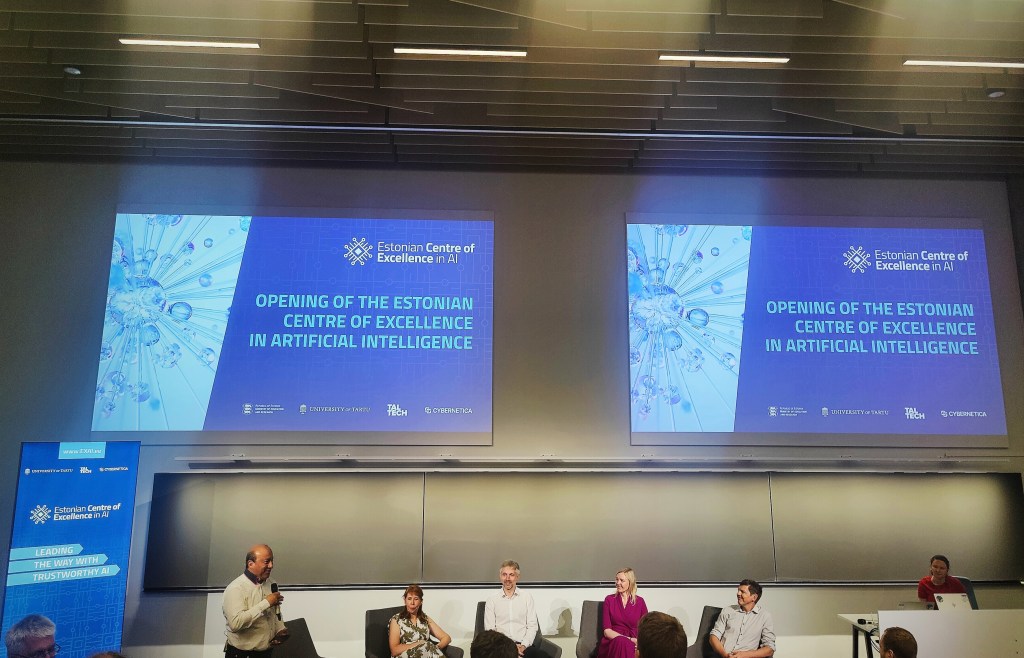
A pivotal moment for AI research and application in Estonia – opening of the Estonian Centre of Excellence in Artificial Intelligence (EXAI) that brings together 13 research groups from the University of Tartu, Tallinn University of Technology, and Cybernetica, under the leadership of Meelis Kull. With a focus on extending the AI knowledge base, developing hybrid AI systems, and ensuring safeguards in trust, privacy, and security, EXAI is poised to make significant contributions in various domains including e-governance, cybersecurity, education, healthcare, and business process management.
Last week, we – University of Tartu – hosted members and guests of EXAI as part of the opening event titled “Leading the Way with Trustworthy AI”, during which initial ideas into how we can build and harness trustworthy AI for societal benefit were presented by EXAI representatives, representing both academy, industry and government – Meelis Kull (University of Tartu, Head of EXAI), Rain Ottis (Tallinn University of Technology), Liina Kamm (Cybernetica), Jaan Aru (University of Tartu), Mark Fišel (University of Tartu), Tanel Tammet (Tallinn University of Technology), Kristel Kriisa (Government Office of Estonia), Henrik Trasberg (Estonian Ministry of Justice), Sander Tars (MindTitan), Ando Saabas (Microsoft), Margit Sutrop (University of Tartu, Member of the Parliament of Estonia), Marlon Dumas (University of Tartu), culminating in a dynamic panel discussion titled “AI Estonia”.
Let’s look forward to the exciting developments ahead!
In response to several requests, I finally completed the very first blog post on data quality management. In this post, I’ve mainly “set the scene” with the intention of publishing several more in-depth blog posts related to specific areas of my interest within data quality management, including but not limited to AI-augmented data quality management.
As for now, this post is focused primarily on my personal opinion (experience-based) what influences the choice of the data quality management approach (i.e., smth very similar to what I talked about at HackCodeX Forum I posted about earlier, and where the photo comes from).
The very last days of the year give us all time to reflect on what the past year has brought us. This years and these very last days of it are no exception. As usually, I will skip the part about pains and tears and try to focus only on positive things, because at the end of the day, “that which does not kill us makes us stronger” (Friedrich Nietzsche). Otherwise, this year has been full of a lot of different events and experiences, so I indeed want to take a moment and summarize what has so little time for some things (actually, not because you are lazy – as I often think of myself (a moment when people who know me well can laugh a little), but because you were busy with other things you gave you preference / priority over others).
So, how has 2023 been or what am I grateful for?
First of all, given the amount of emotion they bring, I am grateful for all those conferences I attended this year, serving as both – a part of the organizing committee, the program committee, the chair – chairing my (co-)organized workshops, the track (co-)chair, the speaker – presenting my works, or even serving as a keynote & invited speaker, as well as a plenary speaker and taking part in the “meet the publisher” session as a representative (Area Editor) of the journal. In total, I attended 13 international conferences (some of which I attended virtually), with some more events of a more national and/or regional nature.
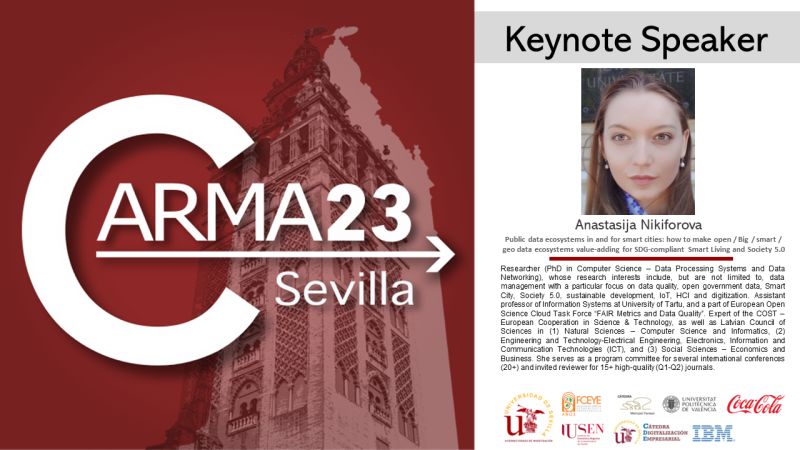
Let me start with the role of keynote speaker, as I finally added another continent to “my list” of keynotes this year. Surprisingly, it was Europe. In other words, in previous years I have already served as a keynote or invited speaker at events in Latin America, Asia, Africa, but this year I gave 4 more talks in Asia and finally in Europe – 3 keynote talks / invited talks 🙂 (not to say how cool I am, but rather to express my gratitude to those who invite me to deliver keynote talks, despite my relatively young age but being interested in the content I deliver).
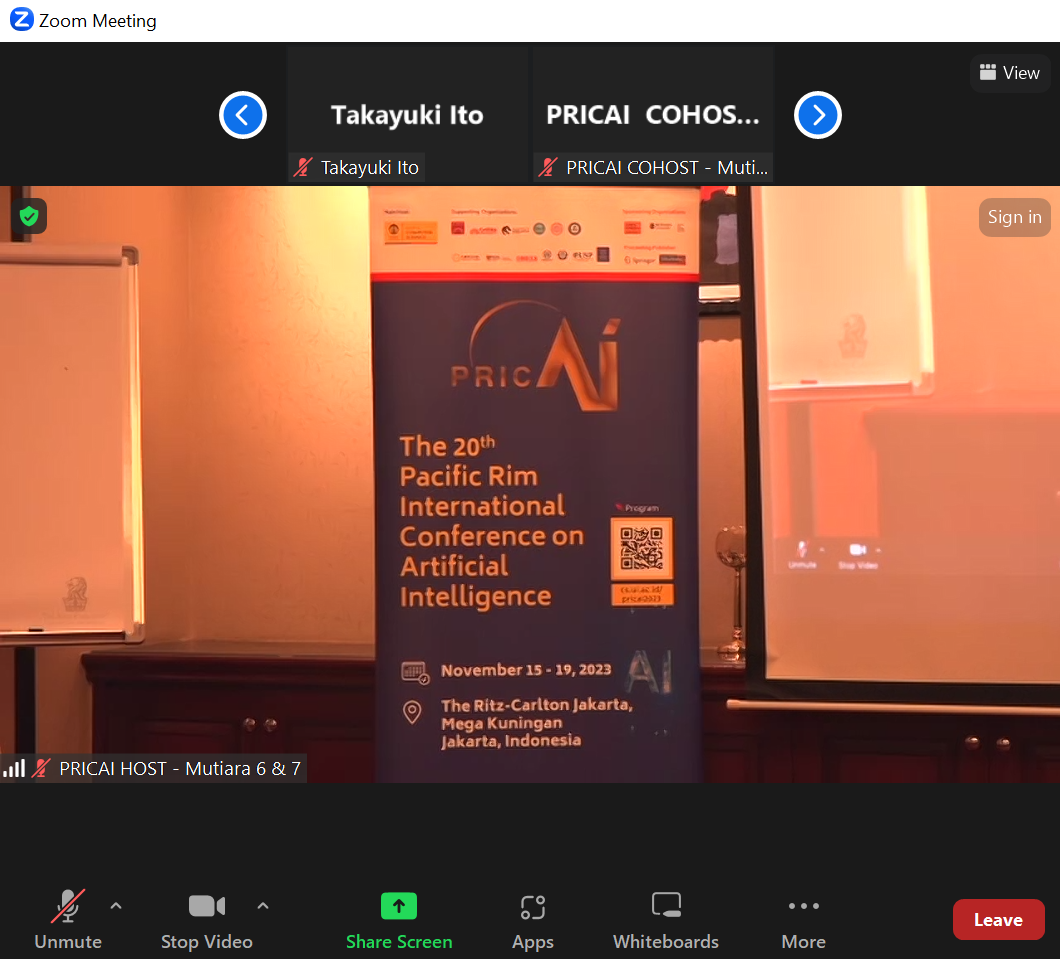
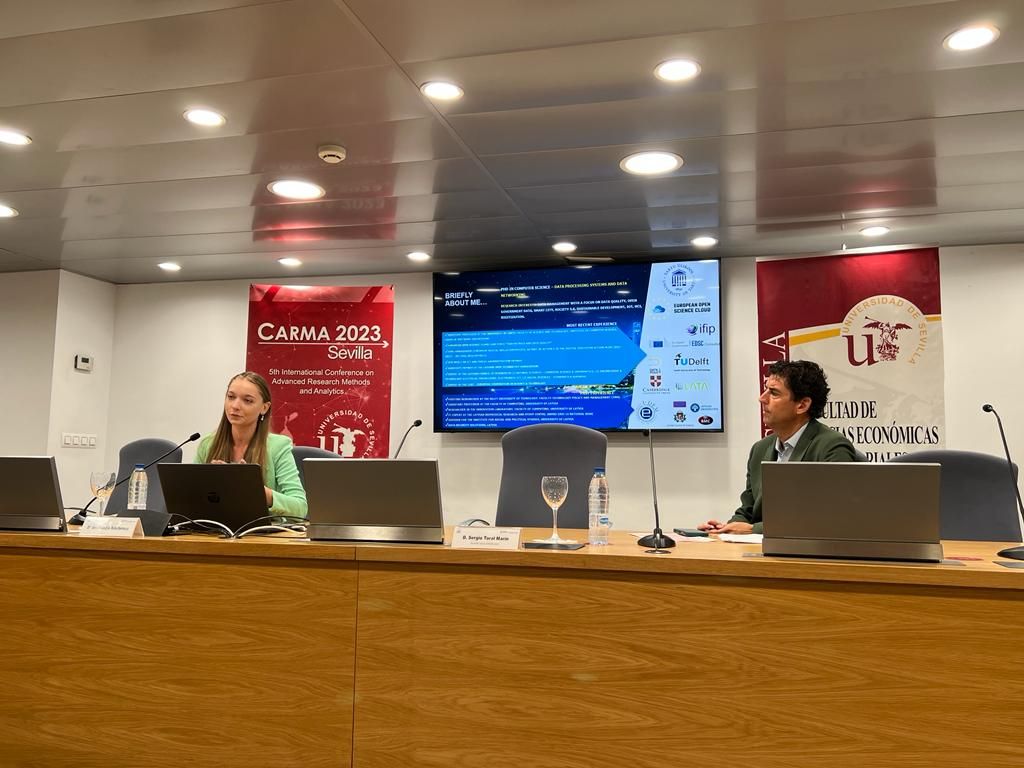
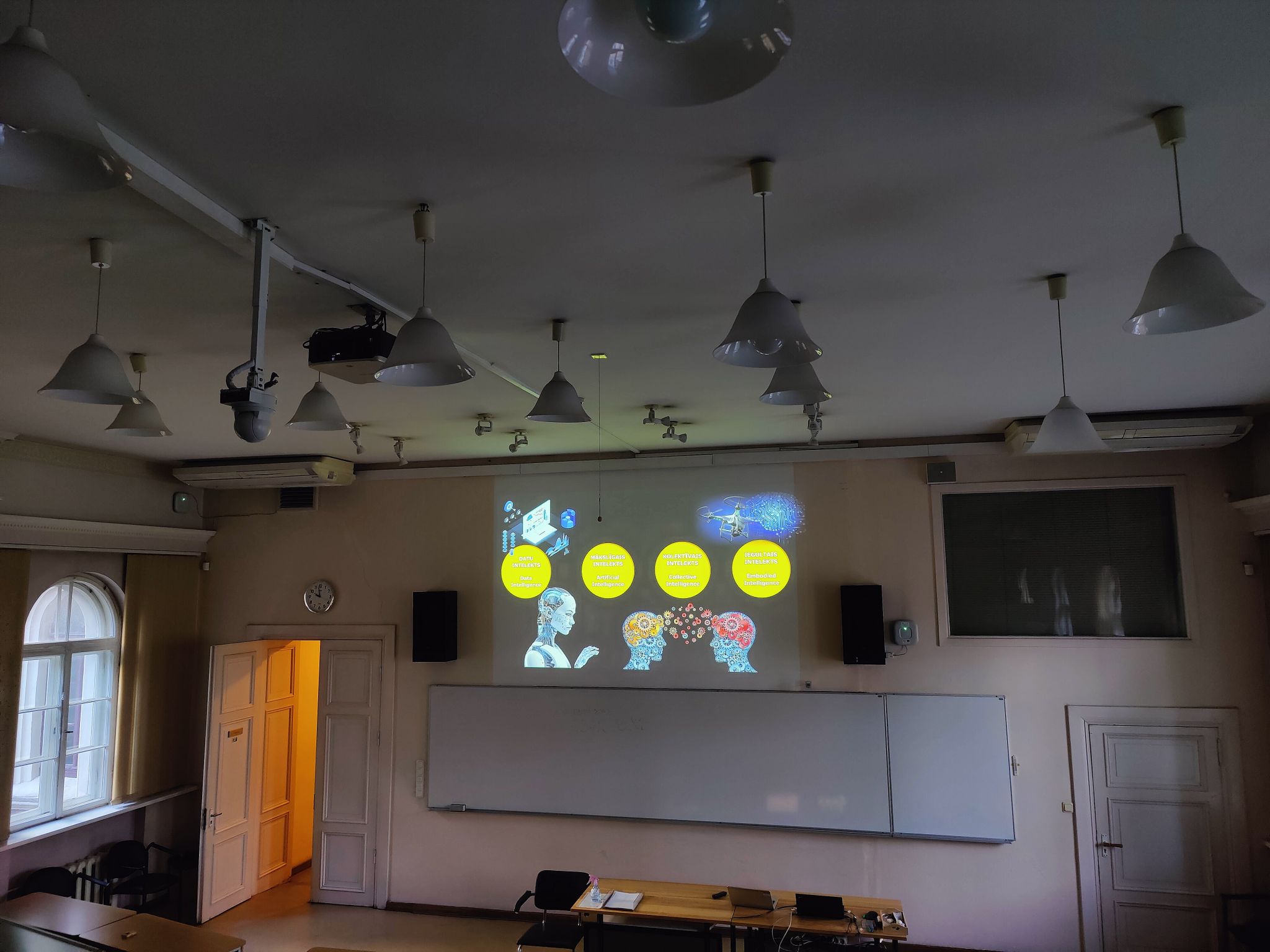
Moreover, I had the pleasure of covering all those topics that I love and deal (or dealt) with, namely public/ open data ecosystems, data quality management, information systems / data security, and intersection of artificial intelligence, data intelligence and collaborative intelligence. Moreover, I had the exceptional pleasure of delivering them to very different audiences, where two talks were delivered to academic circles (CARMA2023 and DemocrAI as part of PRICAI), one – to participants of one of the leading hackathons in Europe (HackCodeX Forum), and one – to representatives of industry (CyberCommando’s meetup 2023):
In addition, plenary debates within the Research and Innovation Forum 2023 “Innovation 5.0: Navigating shocks and crises in uncertain times Technology-Business-Society” (RiiForum2023): “Advances in ICT & the Society: threading the thin line between progress, development and mental health“, where I was kindly invited to take part as one of plenary speakers, is another wonderful experience worth mentioning, especially, when you are invited with the line stating that your “expertise and your contribution to the academic debate make you one of the trendsetters in current debate on open data and data quality management“. As part of this event, we – Prof. Dr. Yves Wautelet, Prof. Dr. Marek Krzystanek, Karolina Laurentowska & Prof. Marek Pawlicki – discussed disruptive technologies and their role in our professional lives in the past years, how they affected us and our colleagues, how they affect(ed) society and its specific groups, including their mental health, and general perception of technology, i.e. an enemy of humanity, or rather a friend and support, and how to make sure the second take place. And from this we have developed a discussion around AI, chatGPT, Metaverse, blockchain, even slightly touching on quantum computing. Of course, all this was placed in the context of democracy and freedoms / liberties. All in all, we approached the topic of governance and policy-making, which is too often reactive rather than proactive, which, in turn, leads to many negative consequences, as well as elaborated on the engineering practices. You can read about this here.
In addition, two international workshops were (co-)organized and chaired by me this year and took place as part of IFIP EGOV-CeDEM-EPART 2023 and dg.o 2023, namely:
The other role of session chair is particularly special as it allows you to actively participate in the discussion of all the works presented in those sessions, as well as to “drive” and “direct” the discussion established and developed by and with others participants. Therefore, I am often pleased to accept an invitation to chair sessions, and this year I did it for:
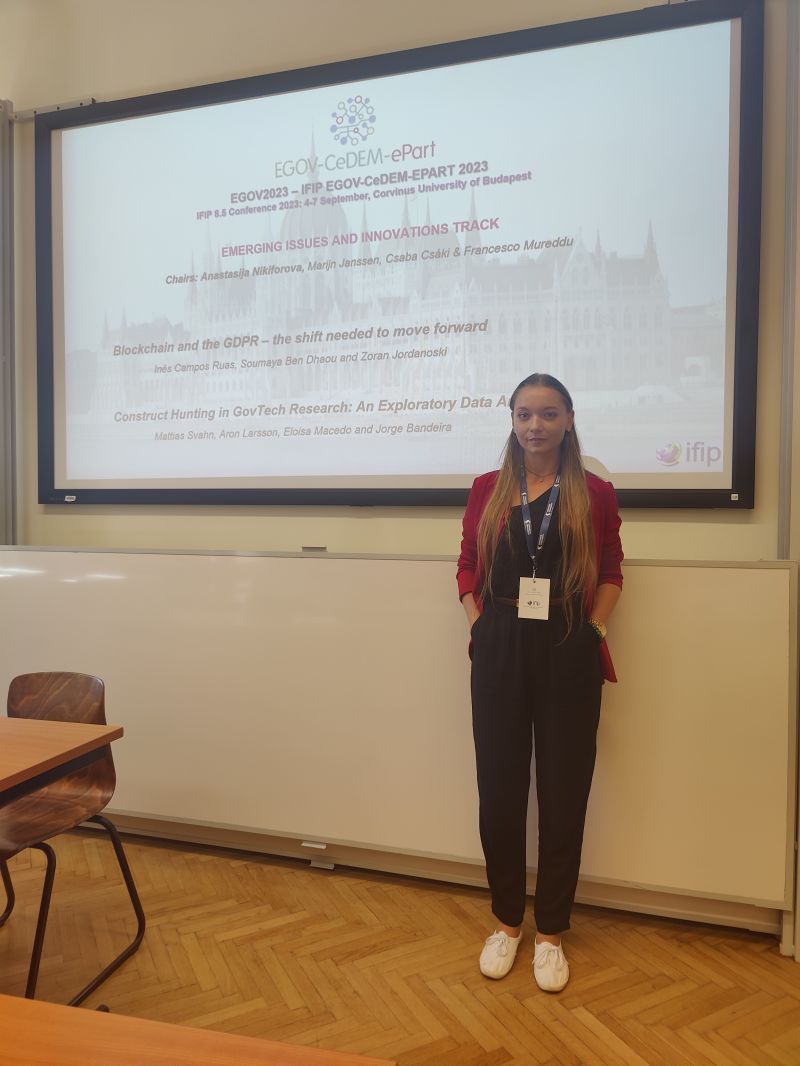
EGOV2023 – IFIP EGOV-CeDEM-EPART 2023, “Emerging Issues and Innovations” track
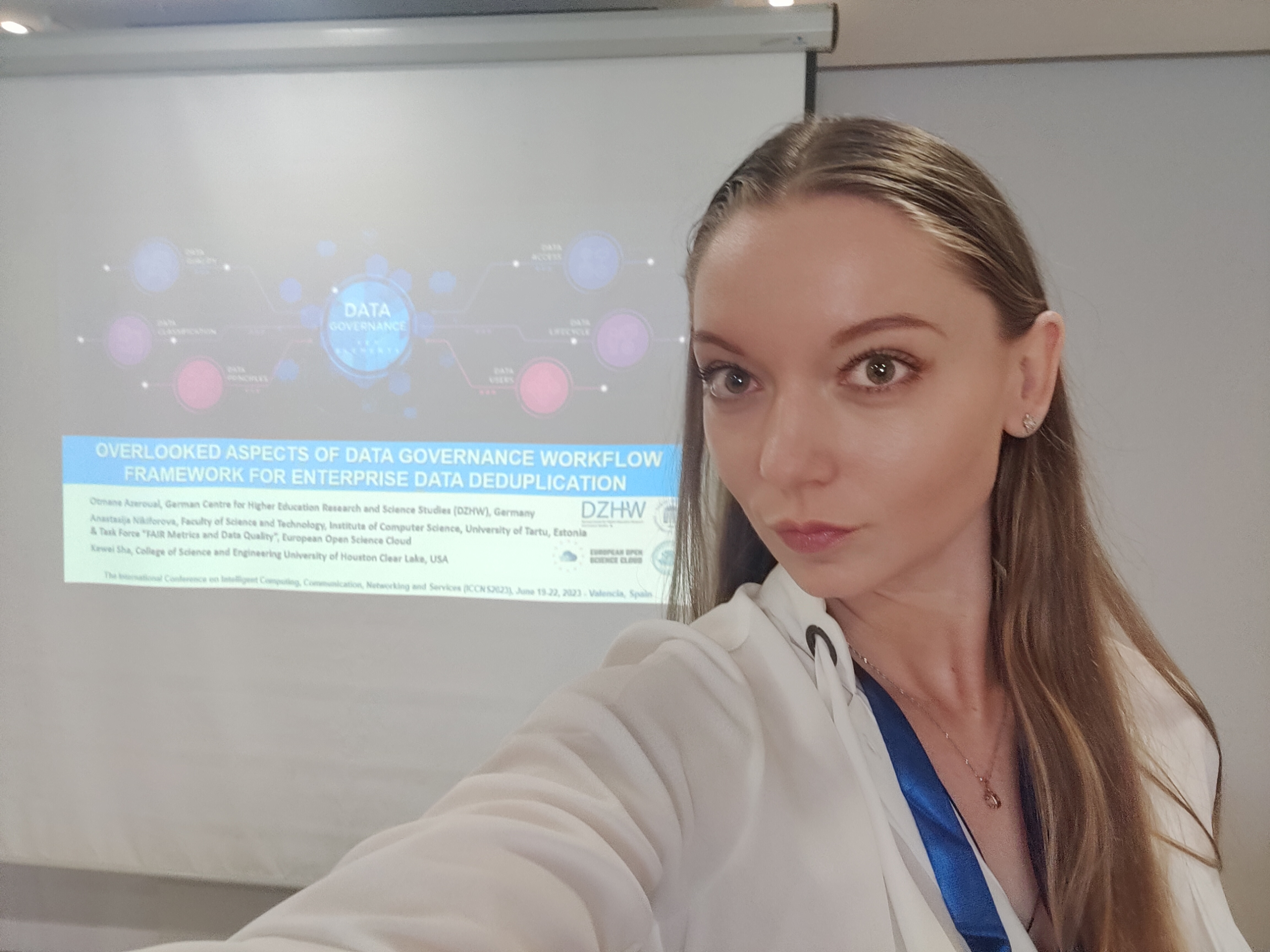
ICCNS2023 – The International Conference on Intelligent Computing, Communication, Networking and Services
Research and Innovation Forum 2023 “Innovation 5.0: Navigating shocks and crises in uncertain times Technology-Business-Society”
iMeta and FMEC 2023 – The International Conference on Intelligent Metaverse Technologies & Applications in conjunction with the The Eighth IEEE International Conference on Fog and Mobile Edge Computing (FMEC)
At some of these conferences, along with some others, I also serve as part of the program or even organizing committee, which allows me to be closer to the event itself, being involved in it as much as possible. This, of course, requires some efforts (at times a lot of them), but still it is a very valuable experience that allows to derive many valuable insights for developing yourself – for this opportunity this year I am grateful to all those 18 conferences that I managed to count (EGOV, AMCIS, iLRN2023 etc.), in which I have been involved in one or another capacity, taking one or another role that spans from publicity chair to steering committee member. Similarly, it is always a pleasure for me to serve as invited reviewer for high-quality journals (15+), as well as to serve as editor for some of them.
Of course, the above involves participation in these conferences as a speaker/ presenter, presenting your own papers. Therefore, the next point to mention and express my gratitude to both my colleagues – co-authors, reviewers, editors and many more, are those contributions that were published or born this year.
That is, several articles were published this year – 22 to be more precise, some of which were simply published in 2023, although they were written earlier (including my past collaboration with Quantum Humanities network, the Latvian Biomedical Research and Study Centre, BBMRI-ERIC Latvian National Node and others), 9 of which are journal papers (incl. both Government Information Quarterly – a top journal in public administration, social science and information science, and Nature-based European Journal of Human Genetics), 2 are book chapters, 8 – conference papers and 3 – whitepapers & reports, including those published by the European Commission (developed together with my colleagues from European Open Science Cloud (EOSC) Task Force “FAIR metrics and data quality”):
Shao, D., Ishengoma, F.R., Alexopoulos, C., Saxena, S., Nikiforova, A. and Matheus, R. (2023), “Integration of IoT into e-government”, Foresight, Vol. ahead-of-print No. ahead-of-print. https://doi.org/10.1108/FS-04-2022-0048, Q2 (Business and International Management, Economics, Econometrics and Finance), IF: 1.581, CiteScore: 3.1
Azeroual, O., Schöpfel, J., Pölönen, J., Nikiforova, A. (2023). FAIRification of CRIS: A Review. In: Coenen, F., et al. Knowledge Discovery, Knowledge Engineering and Knowledge Management. IC3K 2022. Communications in Computer and Information Science, vol 1842. Springer, Cham
Wilkinson MD, Sansone SA, Méndez E., David R., Dennis R., Hecker D., Kleemola M., Lacagnina C., Nikiforova A., Castro L. (2023) Community-driven governance of FAIRness assessment: an open issue, an open discussion [version 2; peer review: 2 approved with reservations]. Open Res Europe 2023, 2:146 (https://doi.org/10.12688/openreseurope.15364.2)
“Towards High-Value Datasets determination for data-driven development: a systematic literature review” (Nikiforova A., Rizun N., Ciesielska M., Alexopoulos C., Miletič A.) received a recommendation from The Living Library that seeks to provide actionable knowledge on governance innovation, informing and inspiring policymakers, practitioners, technologists, and researchers working at the intersection of governance, innovation, and technology in a timely, digestible and comprehensive manner, identifying the “signal in the noise” by curating research, best practices, points of view, new tools, and developments, has included it in their collection. This is already the second paper recommended by the Living Library (the first one was this paper) that is recommended by them, what makes me very proud – thanks a lot!
According to ResearchGate calculated Interest Score, my score is higher than 99% of ResearchGate members who first published in the same year as me, namely, 2018, which, however, means that more globally, i.e., among all ResearchGate members my current Research Interest Score is higher than 90% of researchers registered in it – although there is a lot of room for improvement, I still find it to be something to be grateful for to all my colleagues with whose support this has been achieved.
Moreover, this year I was listed in the Stanford University database of top 2% scientists! I recognize that this is just a single year category for 2022, and it is about sub-fields (Artificial Intelligence, Information Systems, Information Communication Technologies) same as I realize that citation metrics-based evaluations is not the best approach to assessing the impact and quality of research & researcher (although this database not only acknowledges, but also tries to tackle this issue to some extent), but for me it is a real achievement that made this year special!
Here I would also like to acknowledge the achievements of others, since this year I also witnessed 4 PhD defenses, acting as both opponent, internal reviewer and defense committee, all of which were successful. Here, I would like to once again congratulate both new PhD holders, namely:
Dr. Rozha K. Ahmed and her PhD thesis “Digital Transformation of Court Processes: Driving Forces, Success Factors, Regulations and Technology Acceptance” (TalTech – Tallinn University of Technology, TalTech School of IT) – read it here;
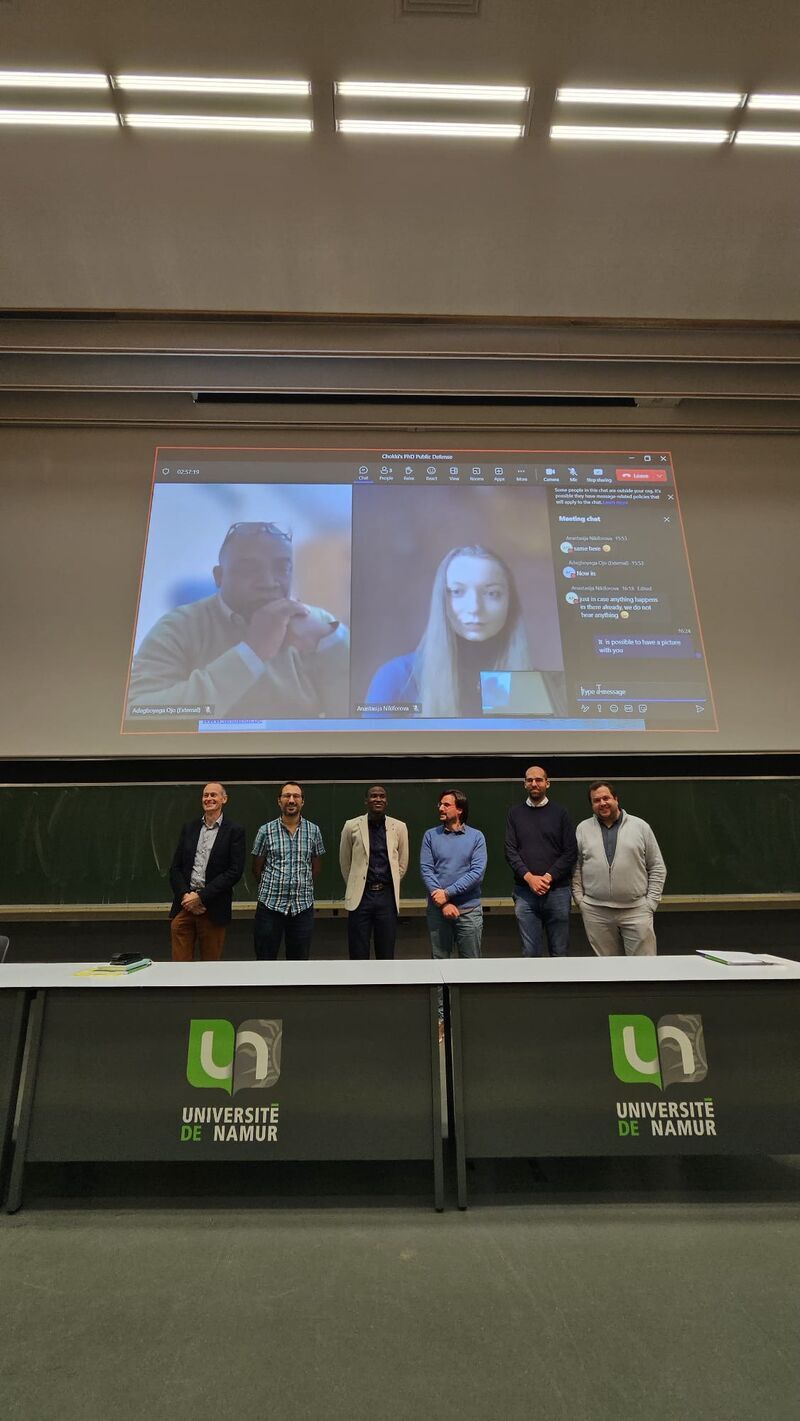
Dr. Abiola Paterne Chokki and his PhD thesis “Open Government Data: Empowering Reuse through Collaboration, Data Quality, and Data Storytelling” (The University of Namur / Université de Namur) – read it here;
Dr. Sidra Azmat Butt and her PhD thesis “A Digital Collaborative Platform to Facilitate Innovative Solutions for the Silver Economy” (TalTech – Tallinn University of Technology) – read it here;
Dr. Abasi-amefon Affia, who has successfully defended her PhD thesis “A Framework and Teaching Approach for IoT Security Risk Management” (University of Tartu) – read it here;
But, of course, I tried not only to acquire new knowledge and develop new skills or improve existing ones, but also to share them with others – students – my own (Business Process Management, as well as Systems Modelling courses) and of my colleagues, colleagues, pupils, school teachers, industry and others. This year I had a few more opportunities to do this by:
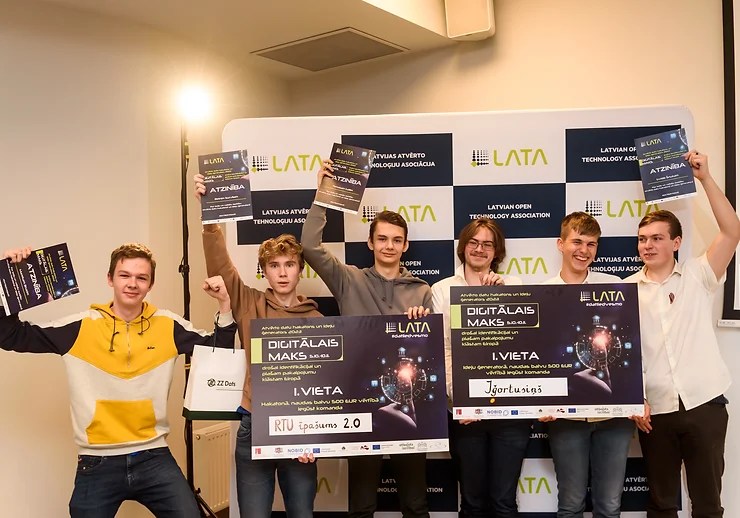
continuing collaboration with Latvian Open Technologies Association and serving as a mentor for Open Data hackathon and Idea Generator (this year focused on digital wallet) for pupils, organized by the Latvian Open Technologies Association with the support of Vides aizsardzības un reģionālās attīstības ministrija (VARAM)/ Ministry of Environmental Protection and Regional Development of Republic of Latvia, Latvijas Valsts radio un televīzijas centrs / Latvia State Radio and Television Centre, Valsts izglītības satura centrs / National Centre for Education of the Republic of Latvia, E-Klase, NOBID Consortium, Rīgas Tehniskā universitāte (Riga Technical University), European Commission and supporters – Omniva, ZZ Dats, Latvijas Banka/ The Bank of Latvia and others. This year the main topic of the hackathon was Digital Wallet for secure identification and wide service opportunities within Europe, as part of which dozens of pupils brought on the table great ideas on how the combination of open data and digital wallets can contribute to the development and improvement in such a different sectors, and improve lives of society – with healthcare, wellbeing, sustainability, ecology and simplification of processes as the main topics covered by participants (read a bit more here). This was my fourth hackathon in a row with LATA and it seems not the last;
continuing collaboration with the “School of Excellence” (latv. Izcilības skola), organized by the “Vertikāle” Youth Foundation in cooperation with the University of Latvia (Latvijas Universitāte) for the most promising 10th-12th grade students / brightest minds, helping them make decision about their future career. In this invited lecture, we looked at several topics that they could connect they career with – computer science, information systems, software engineering, artificial intelligence, collaborative intelligence, data intelligence, data quality management, open data, open government data – I hope this will help them make a decision, and, hopefully in favor of IT! This was my third time participating in this series of lectures, and I was already unofficially invited to continue this “tradition”;
continuing collaboration with Riga TechGirls as part of their exceptional program supported by Google.org (“Google Impact challenge” grant, in addition to local supporters such as the Ministry of Education and Science of Latvia, the Ministry of Culture, Riga city council (Rīgas Dome)), titled “Human on technology”, which is intended for more than 2000 Latvian teachers with the aim of disrupting technophobia and provide them with digital skills that are “must-have” in this digital world/ era, where in the last two years I have acted as both the lecturer and the lead mentor for the digital development workshop held as a part of the “Information and data literacy” module (read more…)
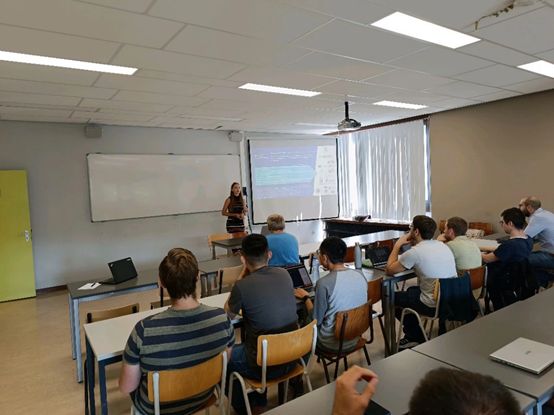
making a short research visit to the Université de Namur (Belgium), where I delivered a seminar on my past, current and future research activities, mainly focusing on two areas, namely Data Quality Management, and the open data-, open government data- and public data ecosystems- related topics, covering both technological and social aspects of the above, and their role in the context of Smart City, Society 5.0, sustainable development with the general title of the seminar “Data Ecosystems: from User Centered systems engineering to (open) data management for sustainable and smart living & society”. I was very surprised by a high attendance and very grateful to everyone who managed to find the time for this, especially those colleagues who brought some others – it was a great discussion of different viewpoints, which followed by the closed defense of Abiola Paterne Chokki that fit nicely this discussion as well!
Finally, several ongoing activities to be mentioned includes:
“Sustainable Public and Open Data Ecosystems” track we (chairs: Anastasija Nikiforova, Anthony Simonofski, Anneke Zuiderwijk & Manuel Pedro Rodríguez Bolívar) launched as part of the Annual International Conference on Digital Government Research (dg.o2024) and awaits your submissions (read more here);
This is a very short list of the events that I wanted to emphasize, and therefore, a short list of what I am grateful for this year and all those who were or are part of it. Overall, it was a busy and eventful year, to which I grateful for all the positive experiences and opportunities to transfer existing knowledge and acquire new ones from all those events and people I met there. I hope the next year will be even better. And in this regard, I wish us all a peaceful, joyful and productive year, in which we can cooperate and collaborate exclusively with those we respect and want to work with!
























 Anastasija Nikiforova, PhD