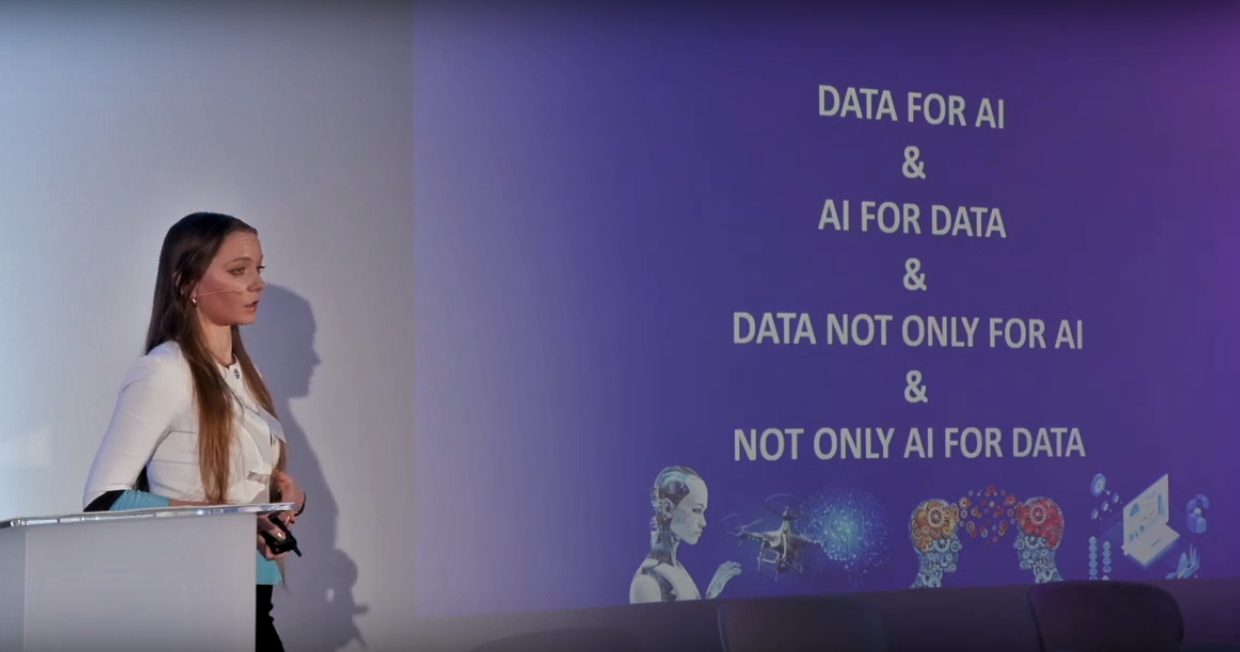
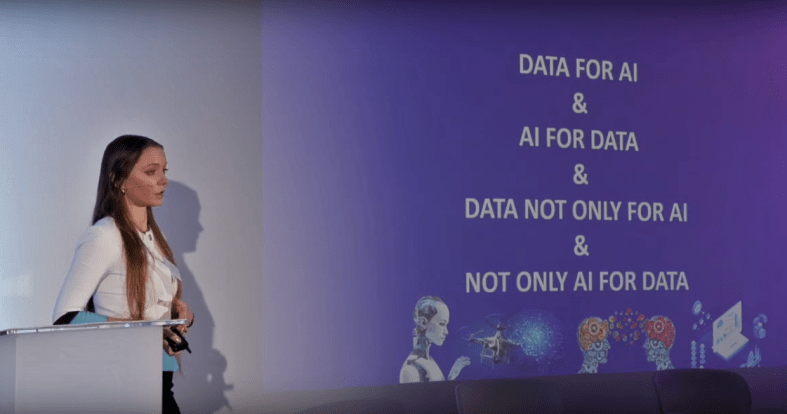
CFP for Special Issue in IEEE Transactions on Technology & Society: Trustworthy Data Ecosystems for Digital Societies

IEEE Transactions on Technology & Society launches the new Special Issue on the “Trustworthy Data Ecosystems for Digital Societies“, edited by Asif Gill, Anastasija Nikiforova, Ina M. Sebastian, Martin Lnenicka, Anushri Gupta. On behalf of the editors of this SI, I sincerely invite you to consider submitting your work to it.

Key topics surround intersection of data ecosystem and AI topics, i.e., AI in and for trustworthy data ecosystems, and include, but are not limited to:

  • Impact of trustworthy data ecosystem on digital societies at the local, national and global levels
  • Conceptualization of trustworthy data ecosystems domains and characteristics for digital societies
  • Data trust regulations, polices, strategies and standards
  • Trustworthy data ecosystem infrastructure as a social construct
  • Trustworthy data ecosystem architecture, interfaces, methodologies, orchestration, patterns, solutions, and technology platforms
  • System and data quality, governance, security, privacy, protection, and safety
  • Data linking, interoperability, sharing and observability

Read more in the below CFP or here.

European Open Science Cloud “FAIR Metrics and Digital Objects Task Force” or the 2nd chapter of my participation with EOSC TFs

From 2021 to 2024, I had the privilege of being part of the “FAIR Metrics and Data Quality” Task Force, where we made strides in advancing the FAIR principles and improving data quality across the research community. Following the recent reorganization of these task forces, I am now excited to continue this work with the newly formed FAIR Metrics and Digital Objects Task Force, which, as we decided just yesterday, will be chaired by “the father” will be chaired by “the father” FAIR principles Mark Wilkinson and Elli Papadopoulou!

Our mission is to develop and implement metrics for the FAIR principles (Findability, Accessibility, Interoperability, and Reusability) that enhance the utility and impact of digital objects in research. This initiative is crucial in advancing open science and ensuring that scientific data is more accessible, reusable, and beneficial for the global research community.

As a member of this task force, we will be collaborating with a diverse group of experts to:

  • Identify the limitations of the current FAIR assessment, which is mainly focused on the FAIRness of the repository, for evaluating the discoverability and reusability of data, which is insufficient for assessing the capability of data to be federated.
  • Watch and promote initiatives (such as GREI, Signposting, RO-Crates, etc) to facilitate the definition of common metadata schemas and their interoperability.
  • Identify issues on data privacy, considering data usage, data access and data licensing and specification for machine-actionable data usage policies (e.g. ODRL)
  • Analyse the impact of provenance, especially in the context of federated environments.
  • Identify synergies with the Data Spaces initiative.
  • Define FAIR metrics according to the objectives of the task force.
  • Engage with research clusters, empowering them to implement data quality practices tailored to their unique contexts by actionable recommendations, like DQ indicators to ensure data quality, addressing areas, for example, AI training and input data.

I am eager to contribute to this new chapter and look forward to the — hopefully — impactful changes we will bring to the scientific community.

Stay tuned for updates on our progress and initiatives, whereas the progress we made in the past years is documented here !

The 25th Annual International Conference on Digital Government Research (DGO2024): a brief summary on presenter, track chair, panel organizer, and moderator roles

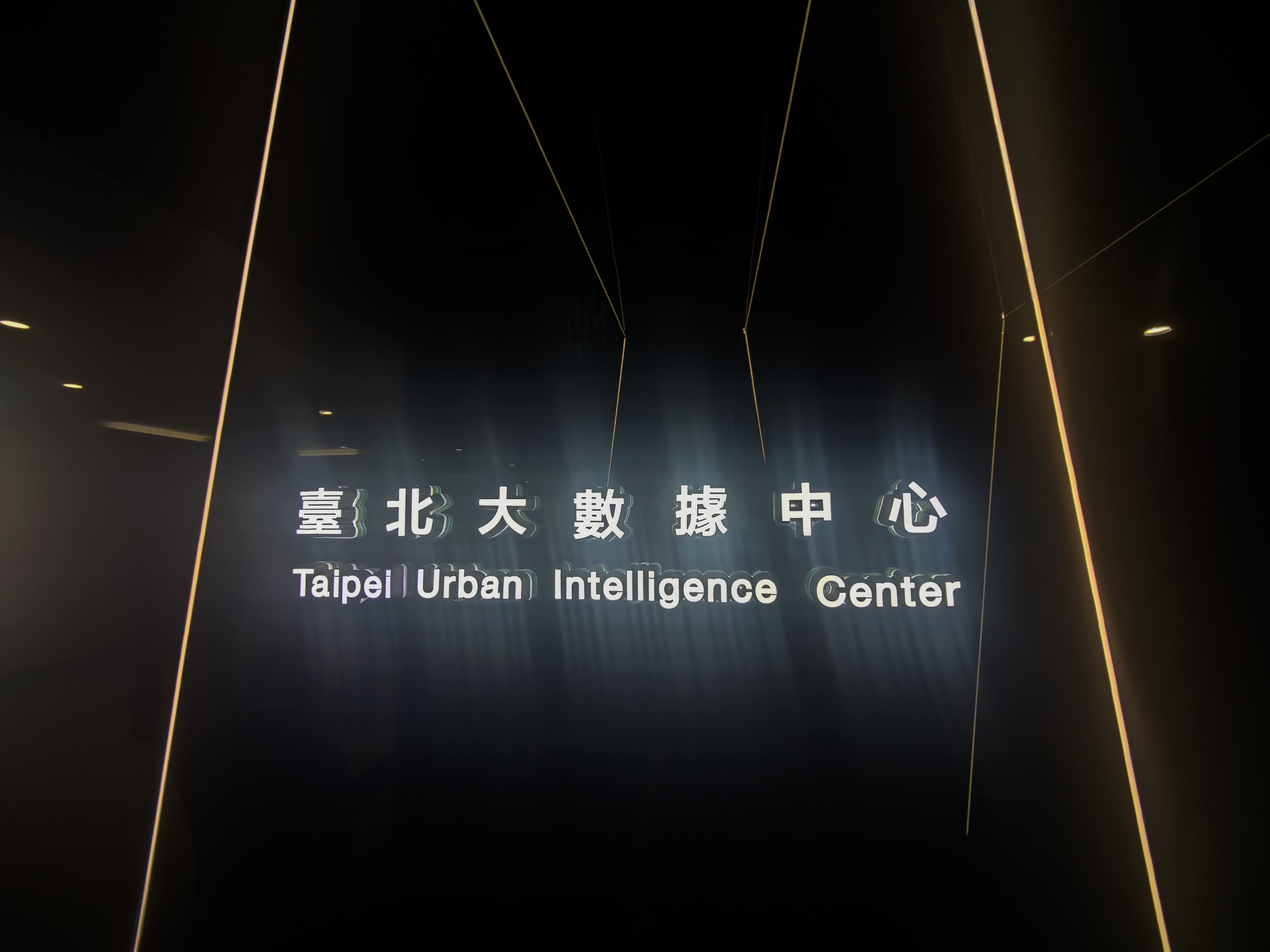
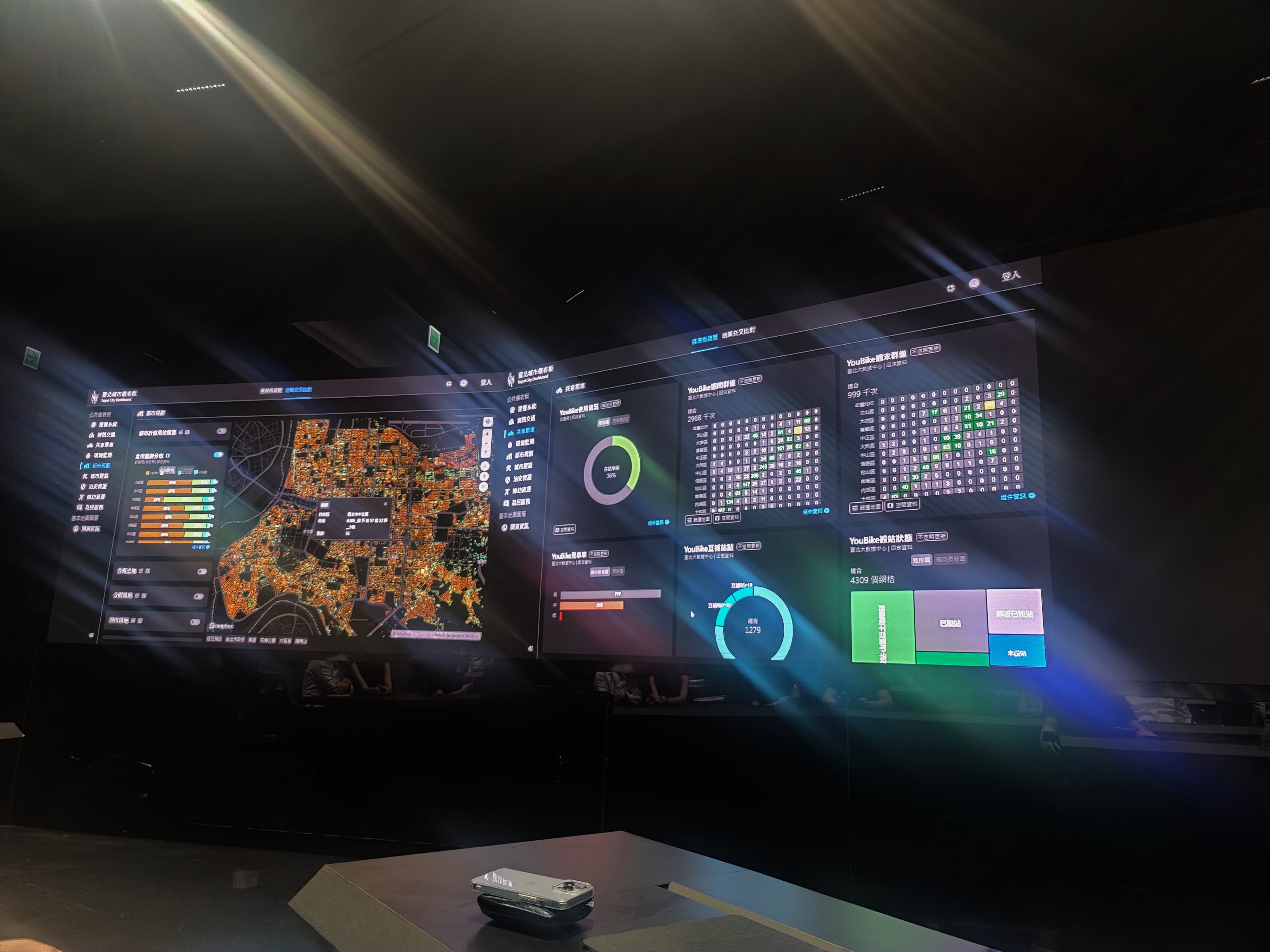
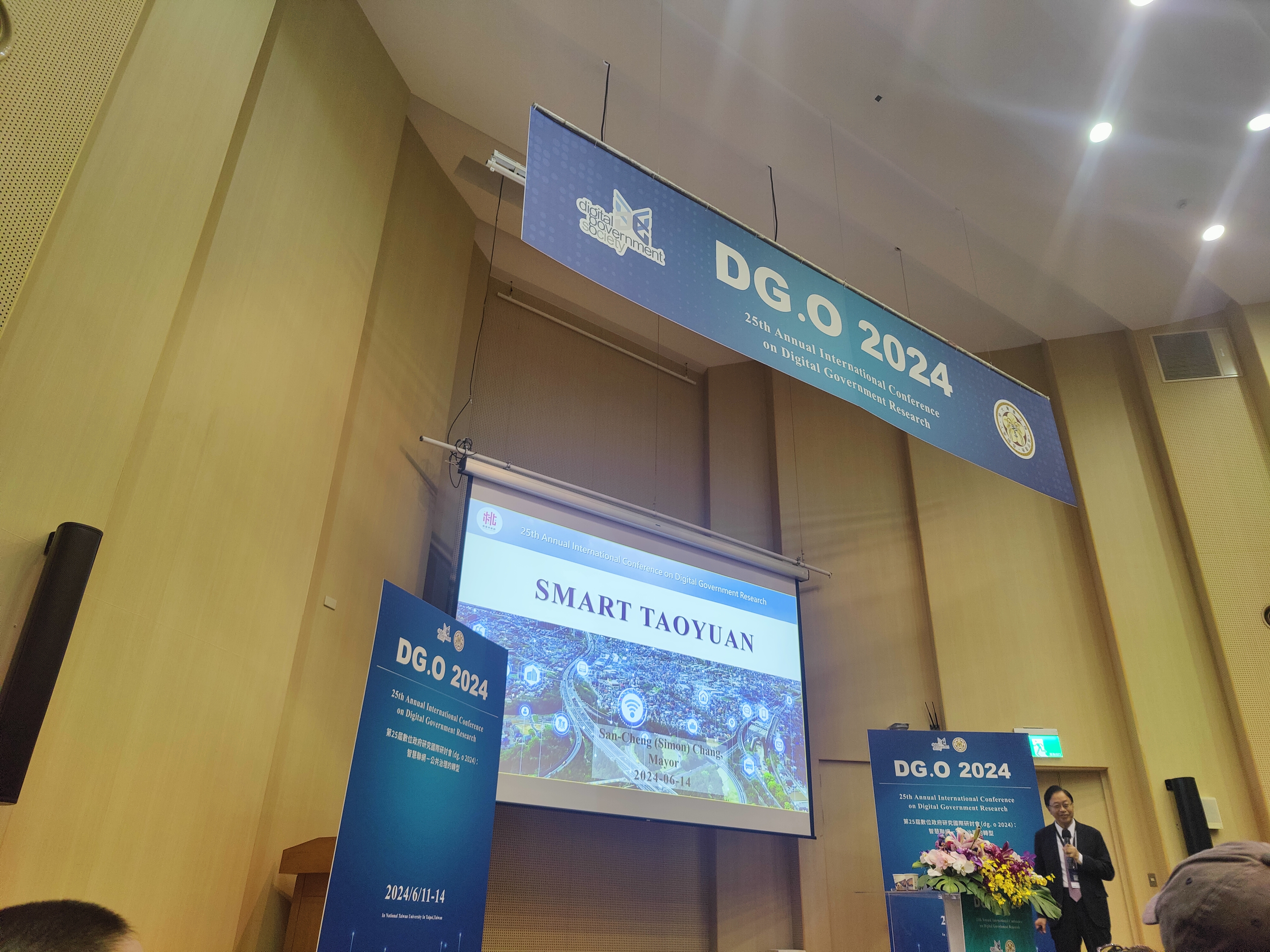
Last week, I had the pleasure of participating in the 25th Annual International Conference on Digital Government Research (DGO2024), organized by the Digital Government Society and hosted by National Taiwan University in the beautiful city of Taipei (Taiwan) under “Internet of Beings: Transforming Public Governance” theme. The conference offered an exceptional venue, warm hospitality from the local committee led by Helen Liu and her team, a rich social program, and an outstanding scientific program. The event featured well-selected keynotes and panels from prominent organizations such as Foxconn, the International Cooperation Center of TCA, Massachusetts Institute of Technology, Taipei Urban Intelligence Center, and the Ministry of Digital Affairs. Key topics included AI, Smart City initiatives, and Data Governance, which facilitated extensive networking and brainstorming sessions.

I was honored to contribute to this vibrant dialogue in multiple roles: presenter, track chair, panel organizer, and moderator. Together with my students and colleagues, we presented four papers, each reflecting our collaborative research efforts:

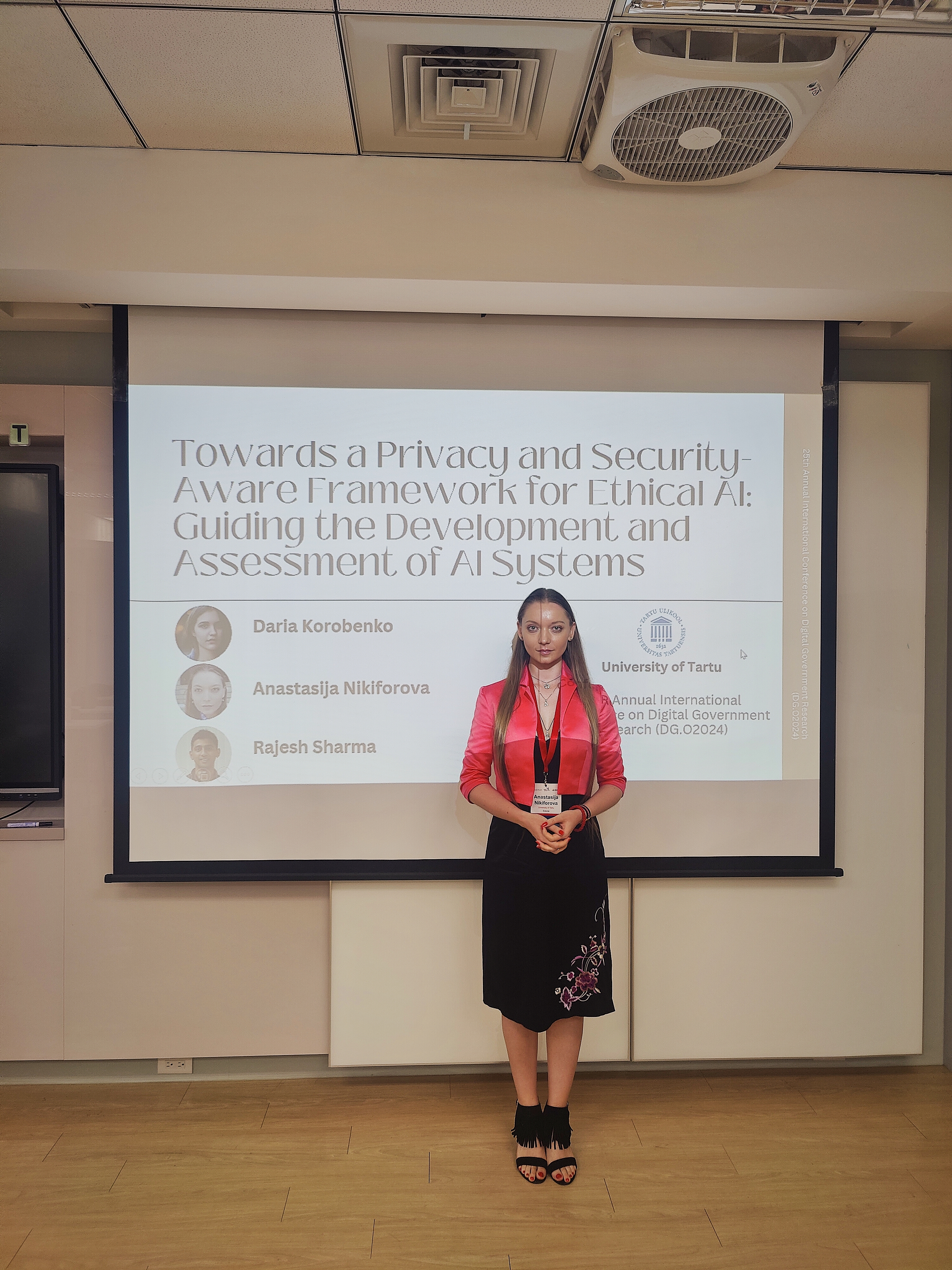
  1. Towards a Privacy and Security-Aware Framework for Ethical AI (Daria Korobenko, Anastasija NIkiforova, Rajesh Sharma). The proposed (conceptual at the moment) privacy and security-Aware Framework for ethical AI is centered around the Data, Technology, People, and Process dimensions, where each dimension is guided by a set of specific questions to encompass the overarching themes of privacy and security within AI systems, while the framework itself follows a risk-based approach (similar to the EU AI Act). As such, it is designed to assist diverse stakeholders, including organizations, academic institutions, and governmental bodies, in both the development and critical assessment of AI systems.
  2. Exploring Estonia’s Open Government Data Development as a Journey towards Excellence: Unveiling the Progress of Local Governments in Open Data Provision (Katrin Rajamae-Soosaar and Anastasija Nikiforova) that explores the evolution of Estonia’s 🇪🇪 OGD development at both national & local levels through analysis of indices, Estonian OGD portal, and a literature review. Findings reveal national progress due to portal improvements and legislative changes, while local governments lag in OGD provision, highlighting the need for future research on municipal OGD barriers and enablers.
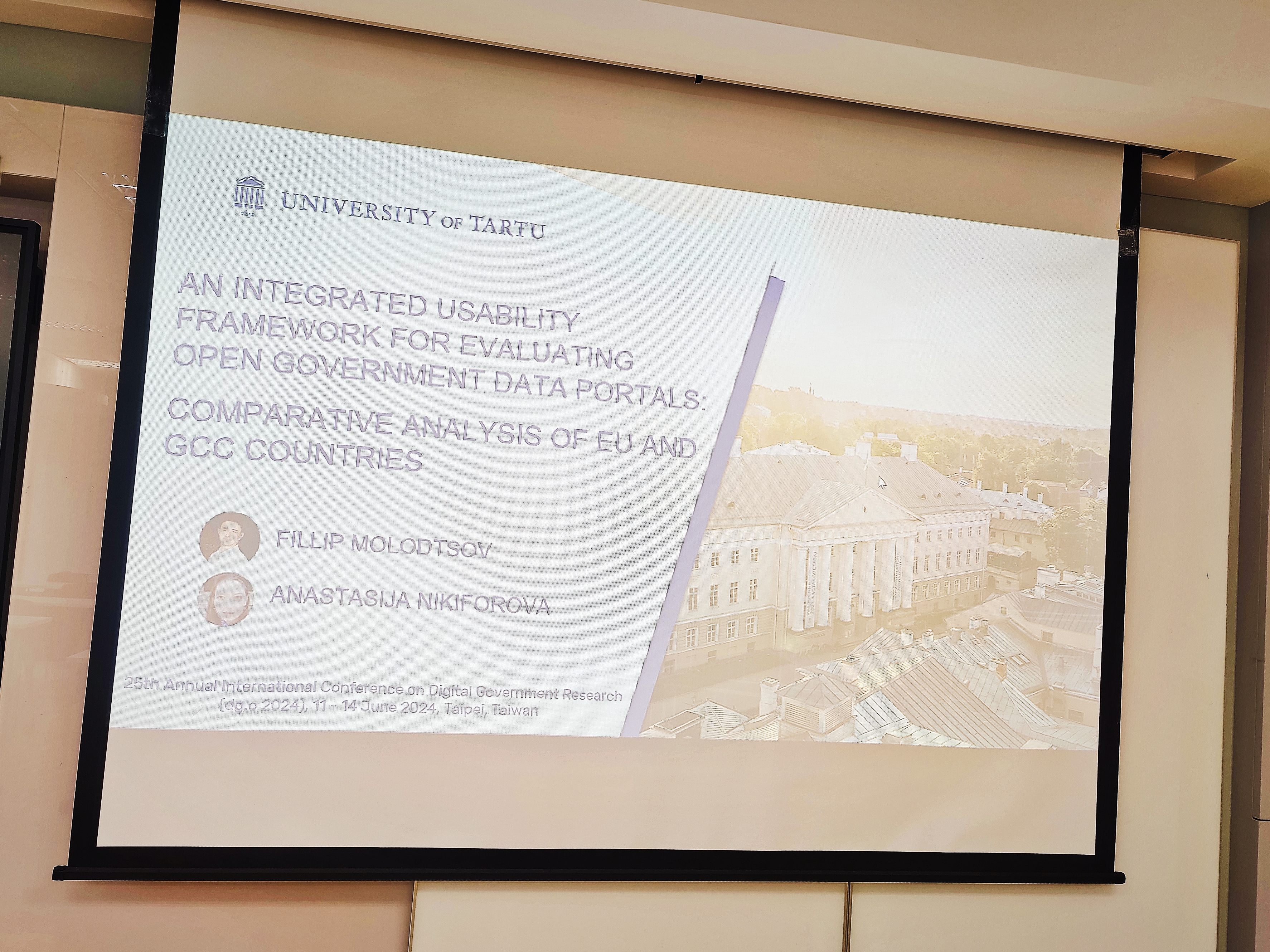
  3. An Integrated Usability Framework for Evaluating Open Government Data Portals: Comparative Analysis of EU and GCC Countries (Fillip Molodtsov and Anastasija Nikiforova) develops a framework to evaluate OGD portal usability, considering user diversity, collaboration, and data exploration capabilities, and applies it to 33 national portals in the EU and GCC 🇪🇺🇸🇦🇶🇦🇧🇭🇦🇪, highlighting good practices and common shortcomings, emphasizing competitiveness of GCC portals
  4. Unlocking the Potential of Open Government Data: Exploring the Strategic, Technical, and Application Perspectives of High-Value Datasets Opening in Taiwan (Hsien-Lee Tseng and Anastasija Nikiforova). In short, data has an unprecedented value. However, availability of data in an open data format creates a little added value, where the value of these data [to the real needs of the end user], is key. This is where the concept of high-value dataset (HVD) comes into play, which has become popular in recent years (predominantly beforehand OD Directive by European Commission). Defining and opening HVD, in turn, is a complex process consisting of a set of interrelated steps, the implementation of which may vary from one country or region to another. Therefore, there has recently been a call to conduct research in a country or region setting considered to be of greatest national value. So far, only a few studies have been conducted, most of which consider only one step of the process, such as identifying HVD or measuring their impact. With this study, we explore the entire lifecycle of HVD opening in case of one of the world’s leading producers of ICT products – Taiwan. To do this, we conduct a qualitative study with exploratory interviews with representatives from government agencies in Taiwan responsible for HVD opening, namely Ministry of Digital Affairs, Ministry of the Interior, Ministry of Transportation and Communications, and the Ministry of Environment. As part of these interviews, we examine strategic aspects associated with HVD determination, technical aspects related to the dataset preparation stage (incl. data quality, granularity, update frequency, integration methods, or data evaluation), and application aspects related to the further assessment of the impact generated by HVD, identifying some good practices and weaknesses to be further examined and fixed.

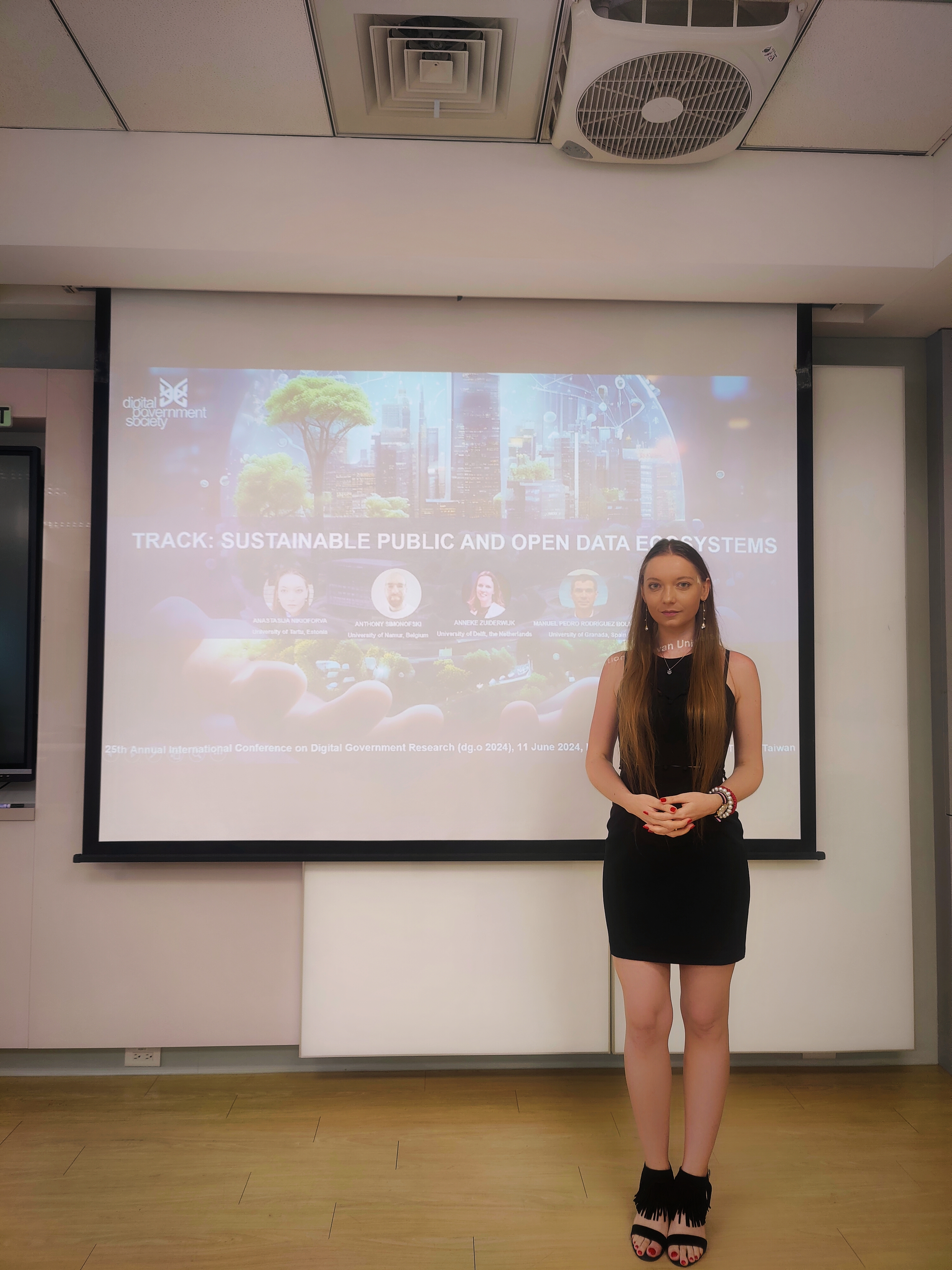
I also chaired the track “Sustainable Public and Open Data Ecosystems,” which we launched this year with colleagues, on which I posted before. Although this is the very new track, we received a good number of contributions as it appeared to be very timely and we hope to see it to have a continuation, serving as a stage for the dialogue by Digital Government Society around the public and open data ecosystem in and for our digital future. At least this session has demonstrated the interest in such an environment – many thanks to all, who actively participated in this discussion. BTW, should you be interested in difference between public vs open data ecosystem, I encourage you to read our conceptualization and typology in our “Understanding the development of public data ecosystems: from a conceptual model to a six-generation model of the evolution of public data ecosystems” paper. We also are optimistic that the best contributions from this track will soon be available in a special section of the Information Polity Journal that we have recently launched.

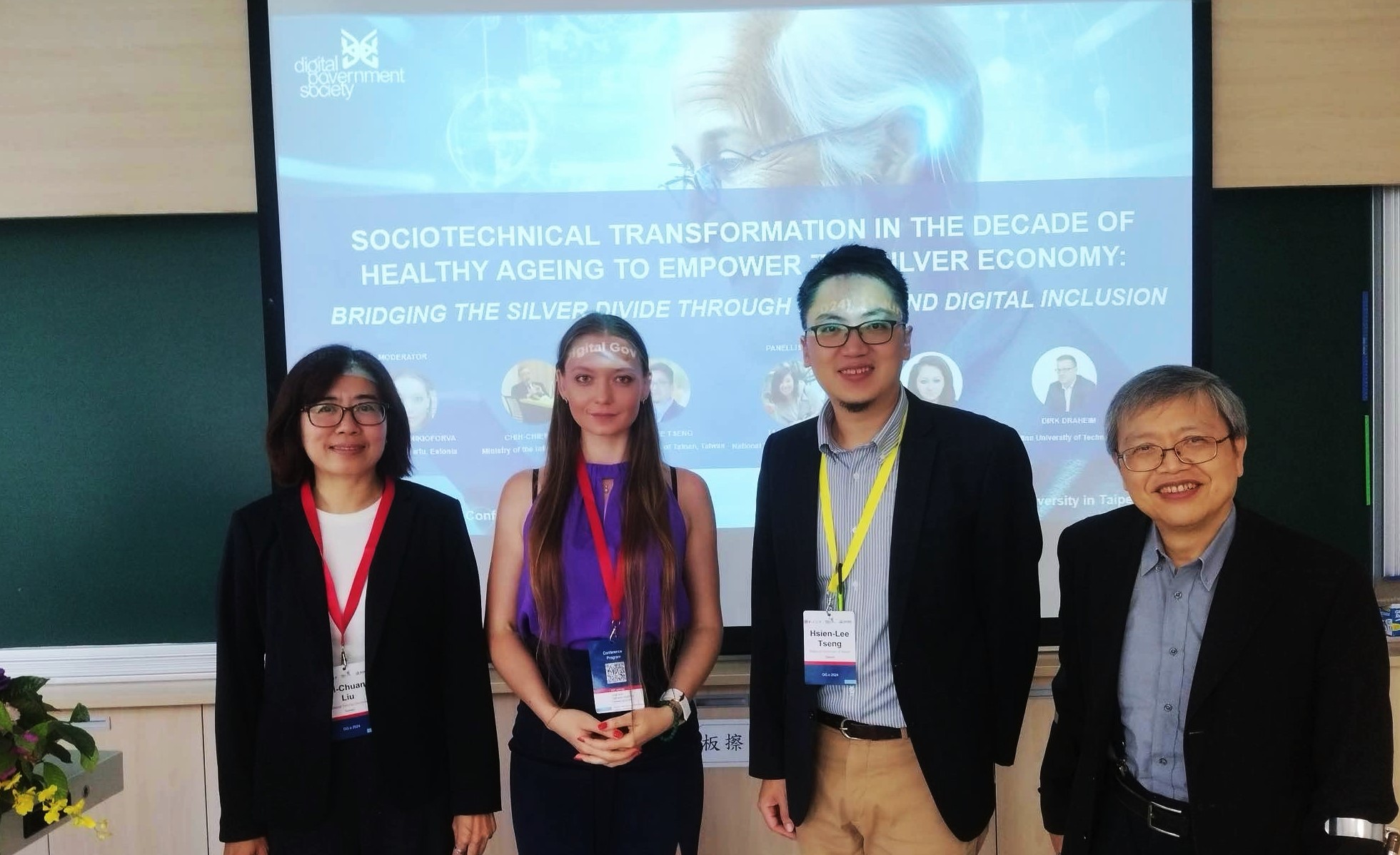
In addition, together with Hsien-Lee Tseng, we organized the panel “Sociotechnical Transformation in the Decade of Healthy Ageing to Empower the Silver Economy: Bridging the Silver Divide through Social and Digital Inclusion,” which addressed crucial issues related to the integration of aging populations into the digital economy and society. Our discussions focused on case studies from Taiwan and Estonia, two regions with significant aging populations and leaders in ICT and digital government. We explored several innovative initiatives:

  1. The Aged Dwelling Plan by the Ministry of Interior of Taiwan, which proactively delivers resources to those most in need through the Senior Living Needs Index Framework. It integrates cross-agency data such as household registration, building information, long-term care, low-income households, and open geospatial data.
  2. The Digital Silver Hub constituting the ecosystem fosters innovative solutions for the silver population, involving the public sector, private sector, academia, and end-users. It utilizes a collective intelligence model to address the challenges faced by older adults.
  3. Health Promotion, Technology Inclusion by National Taitung University aimed at achieving technological inclusion, this project focuses on non-discriminatory health promotion technology policies and activities for people with chronic diseases.

As such, our discussions highlighted the opportunities and challenges in supporting the Decade of Healthy Ageing, an initiative by the United Nations. Key themes included Data Management, Security, and Privacy, Digital Literacy and Regional Adoption, Human-Computer Interaction (HCI) and User-Centric Design, Interoperability. Our panel concluded that there is no one-size-fits-all solution to the challenges faced by the aging population. Instead, it is crucial to recognize and leverage the capacities and strengths of each region to develop tailored solutions, whether they be social, technical, or sociotechnical. By doing so, we can create effective and sustainable strategies to support healthy aging and bridge the silver divide.

The conference also featured a working meeting on the new Digital Government Society Chapter, “Artificial Intelligence & Government.” I contributed to the discussions and look forward to continued involvement and impact in this ambitious initiative led by Fadi Salem.

In summary, DGO2024 was an incredibly insightful and productive week.
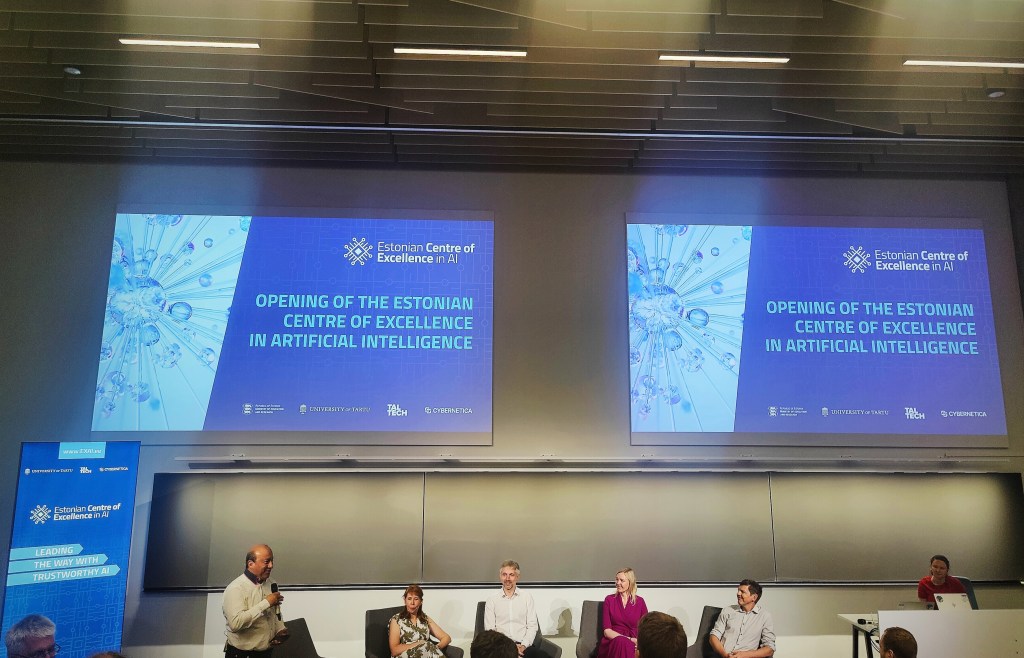
Estonian Centre of Excellence in Artificial Intelligence (EXAI)

A pivotal moment for AI research and application in Estonia – opening of the Estonian Centre of Excellence in Artificial Intelligence (EXAI) that brings together 13 research groups from the University of Tartu, Tallinn University of Technology, and Cybernetica, under the leadership of Meelis Kull. With a focus on extending the AI knowledge base, developing hybrid AI systems, and ensuring safeguards in trust, privacy, and security, EXAI is poised to make significant contributions in various domains including e-governance, cybersecurity, education, healthcare, and business process management.

Last week, we – University of Tartu – hosted members and guests of EXAI as part of the opening event titled “Leading the Way with Trustworthy AI”, during which initial ideas into how we can build and harness trustworthy AI for societal benefit were presented by EXAI representatives, representing both academy, industry and government – Meelis Kull (University of Tartu, Head of EXAI), Rain Ottis (Tallinn University of Technology), Liina Kamm (Cybernetica), Jaan Aru (University of Tartu), Mark Fišel (University of Tartu), Tanel Tammet (Tallinn University of Technology), Kristel Kriisa (Government Office of Estonia), Henrik Trasberg (Estonian Ministry of Justice), Sander Tars (MindTitan), Ando Saabas (Microsoft), Margit Sutrop (University of Tartu, Member of the Parliament of Estonia), Marlon Dumas (University of Tartu), culminating in a dynamic panel discussion titled “AI Estonia”.

Let’s look forward to the exciting developments ahead!

International Week in Babeș-Bolyai University 🇷🇴 any 6-hour long course on “Crafting Success: The Art of Business Process Management”

This May, I had a pleasure to take part in International Week in Babeș-Bolyai University (Romania) 🇷🇴 delivering 6-hour long “Crafting Success: The Art of Business Process Management” course for undergraduates, Master and PhD students that was based on the course we (with Marlon Dumas) deliver at the University of Tartu Institute of Computer Science.

As part of this course, we delved deep into the fundamental principles and methods of business process management along the lifecycle of business processes were introduced, providing students with the understanding on:

  1. Process Identification and Organization: students learned how to identify key business processes and organize them into a coherent architecture, laying the foundation for effective management and improvement;
  2. Performance Measurement and Prioritization: we explored methods for defining performance measures and prioritizing initiatives for process improvement, ensuring that efforts are focused on areas that deliver the most significant impact;
  3. Process Modeling and Analysis: through the BPMN notation, students were equipped to capture and analyze business processes effectively, facilitating clear communication and understanding across teams;
  4. Process Redesign: The course also delved into strategies for analyzing and redesigning processes to align with performance objectives, employing transformational and transactional approaches such as Business Process Reengineering (BPR) and redesign heuristics.

Additionally, an overview of BPM tools for process automation and monitoring, highlighting the pivotal role of BPM models in driving the design of IT solutions that support seamless process execution, was provided to students.

One of the most rewarding aspects of the course was witnessing the genuine interest and active participation of our students. Their enthusiasm and engagement presented a delightful challenge when selecting the most outstanding contributors for recognition at the course’s conclusion.

Beyond the confines of our classroom, involvement in the International Week themed “Business Education without Borders” opened doors for students to a myriad of interdisciplinary explorations. From data mining with AI to delving into digital market research ethics, students embarked on a journey encompassing finance, law, accounting, multicultural consumer behavior, supply chain dynamics, and risk management. This immersive experience, enriched by guest lecturers from diverse cultural backgrounds, fostered cross-cultural exchange and equipped participants with invaluable skills and knowledge essential for success in today’s global business landscape.

A heartfelt thank you to the organizers for the opportunity to be part of this enriching experience. While I regret not being able to join in person, I am certain that the event was a resounding success, thanks to the dedication and hard work of everyone involved.